— Blog · 12 June 2026 · 6 min read
Anna Valley: a practical and characterful place to plan your next project
A concise guide to Anna Valley’s population, architecture, construction costs and urban trends for anyone planning to build, renovate or design in this Hampshire village.
Welcome to Anna Valley
Anna Valley, in Hampshire, is a small English village with a population of around 1,000 people, though it sits within a much wider network of nearby settlements and services. For anyone planning a home improvement or small-scale development project, that matters: it offers the feel of a quiet rural community while remaining close to the larger amenities, labour market and transport connections of the Test Valley area. It is the sort of place where local character still counts, and where well-considered design can make a meaningful difference to how a property sits within its surroundings. If you are thinking about extending, refurbishing or building, local architects and builders can be especially useful for balancing planning expectations, materials and the practical realities of countryside development.
Historically, Anna Valley formed part of a landscape shaped by agriculture and the growth of nearby Andover, with many buildings reflecting the modest scale and traditional construction of rural Hampshire. That history is important because it continues to influence how new work is judged today: projects are often expected to respect local proportions, rooflines and the softer grain of village streets. The result is a place where architecture is less about grand statements and more about thoughtful adaptation, which can be a real advantage for homeowners wanting something contemporary that still feels rooted in place.
Architectural Highlights
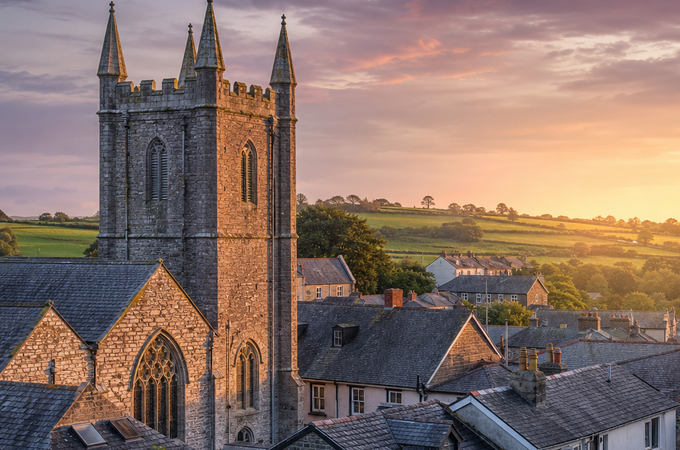
The built environment in Anna Valley is best understood as a mix of vernacular village architecture and later suburban-influenced housing. You will find examples of traditional brick and flint detailing in the wider Hampshire context, alongside rendered cottages, simple pitched-roof homes and post-war infill that reflects gradual growth rather than large-scale redevelopment. That understated quality gives the village a recognisable English character, with buildings that tend to prioritise practicality, daylight and shelter over ornament.
While Anna Valley is not known for landmark civic buildings, its architectural interest lies in the way small-scale domestic architecture has evolved over time. The most memorable “highlights” are often the ordinary but well-resolved buildings: older cottages that have been extended sensitively, detached homes adapted for modern family life, and newer houses that attempt to echo traditional proportions without copying them outright. In a village setting, details such as brick colour, window rhythm, chimneys, garden boundaries and roof pitch can be just as important as the footprint itself.
A useful historical fact is that settlements like Anna Valley were shaped by the wider pattern of rural development in Hampshire, where improved roads, changing agricultural practices and proximity to market towns gradually altered village form through the 19th and 20th centuries. That means a project here often has to think not just about one plot, but about how the building contributes to the long continuity of the street or lane. For people planning work, this is where good design really shows: the best schemes usually feel calm, locally informed and confident rather than over-designed.
Construction Costs & Trends
For the UK as a whole, a sensible rough estimate for residential construction in a place like Anna Valley is about £2,000 to £3,000 per square metre for standard-quality new-build work, with higher costs possible for bespoke detailing, difficult ground conditions, premium finishes or highly energy-efficient specifications. Refurbishment and extension costs can vary even more, especially if structural alterations, drainage upgrades or heritage-sensitive repairs are involved. For anyone budgeting a project, it is wise to treat early estimates as provisional and to allow a healthy contingency, particularly in a rural setting where access and logistics can affect labour and material costs.
In terms of trend, the most noticeable shift across Hampshire villages is the steady demand for better-performing homes rather than larger ones: warmer envelopes, improved glazing, flexible home-working spaces and carefully designed extensions remain popular. Another recent development is the gradual move towards subtle densification and more efficient use of existing plots, including loft conversions, rear extensions and sensitive replacement dwellings. In places like Anna Valley, that trend is shaped by planning control and local character, so successful projects tend to be those that improve comfort and energy performance without overwhelming the settlement’s scale.
These conditions make Anna Valley interesting from a project perspective because the market rewards quality and restraint. A house that is well planned, well insulated and well detailed can stand out for all the right reasons, especially when it works with the rural setting rather than against it. That is where experienced architects and dependable builders can help translate a design brief into something practical, cost-aware and contextually appropriate.
Why Anna Valley is Perfect for Your Project
Anna Valley is attractive for people planning a build or renovation because it combines village calm with access to the wider opportunities of North Hampshire. You are not dealing with the pressures of a dense urban centre, yet you still benefit from nearby services, established trades and the broader housing and employment market of the Andover area. That balance often makes it easier to deliver a project that feels personal and considered, whether you are upgrading a family house, reworking a dated layout or commissioning a modest new home.
The setting also encourages architecture that is both practical and enduring. Rural and village projects need to deal with everyday issues such as energy efficiency, weather exposure, parking, storage and garden relationships, but they also have the chance to add real character through material choice and proportion. Anna Valley is especially suited to this kind of thoughtful work because its scale rewards designs that are coherent rather than flashy. For many homeowners, that makes the village an appealing place to invest in quality: the right improvements can genuinely elevate how a property feels, how it performs and how it sits within its surroundings.
In short, Anna Valley offers a useful blend of heritage, liveability and design potential. Its population remains small, its architecture is quietly distinctive, and its development pattern reflects the careful evolution of an English village rather than abrupt change. For anyone planning a project in a place where context matters, it is a location that invites good judgement, careful budgeting and strong professional support.
Find top professionals for your project in Anna Valley
Free and with no obligation / Takes under 5 minutes
Are you an architect or designer? Register for free! »