— Blog · 5 June 2026 · 5 min read
Ashill, United Kingdom: a compact place with real potential for thoughtful projects
A concise, UK-focused guide to Ashill for anyone planning a build, renovation or design project, with local context, estimated population, and the kinds of professionals often needed.
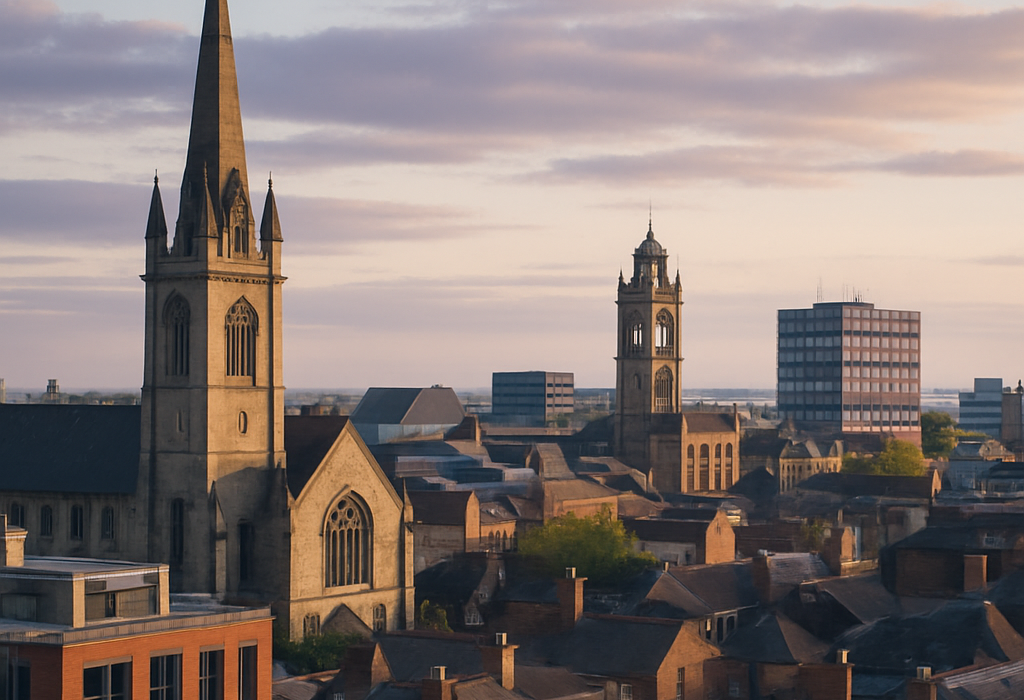
Welcome to Ashill
Ashill is a small settlement in England with the kind of scale many project planners quietly value: it feels manageable, grounded and closely tied to its rural surroundings. As a village rather than a large town, Ashill does not have a widely published official population figure in the way bigger urban centres do, but a sensible latest estimate is broadly in the low hundreds, roughly around 300 to 500 residents. That modest size shapes the local character, from the pace of everyday life to the way new homes, extensions and refurbishments sit within the existing streetscape.
For people thinking about a project, that matters. Smaller places often reward sensitive design, careful material choices and an understanding of local context. Whether the brief is a new-build home, a barn conversion or a retrofit, Ashill is the sort of place where good design can make a noticeable difference. In that process, it is often useful to involve architects early, especially where planning, proportions and local character need to be balanced.
Architectural Highlights
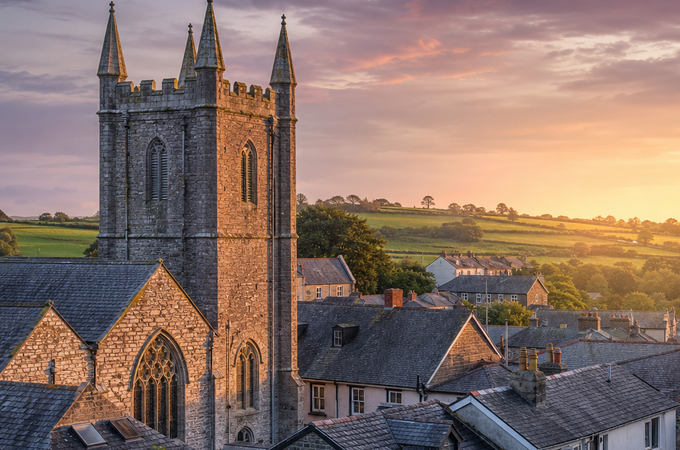
Ashill’s built environment is best understood through its rural English setting: traditional cottages, modest farm buildings and low-rise homes typically define the area rather than grand civic monuments. The architectural language is usually simple and practical, with brick, render, timber detailing and pitched roofs appearing in many neighbouring settlements of this type. In villages such as Ashill, the most interesting architecture is often not a single landmark but the cumulative effect of historic plots, boundary lines, mature trees and buildings that have evolved over time.
A relevant historical fact is that settlements like Ashill were shaped by agricultural land use and, over time, by gradual change rather than wholesale urban redevelopment. That means the village’s form often reflects centuries of incremental adaptation: cottages extended, outbuildings repurposed, and newer houses inserted more carefully into existing patterns. For project owners, that history is useful because it explains why context-sensitive design tends to work best here. A well-proportioned extension, a sympathetic renovation or a contemporary addition with restrained detailing can sit beautifully alongside older fabric when it respects scale and materials.
Although Ashill itself is not known for a famous skyline, the wider local architectural picture includes the types of buildings that are highly relevant to modern living projects: traditional vernacular homes, converted agricultural structures, and practical contemporary houses designed for energy performance. If your plans involve comfort upgrades, services and building performance, specialists such as air condition installers can be important in creating discreet, efficient systems that do not compromise the appearance of the building.
Construction Costs & Trends
As a planning guide, a reasonable construction cost estimate in a smaller English village such as Ashill is often in the region of about £1,800 to £2,800 per square metre for standard domestic building work, with higher figures possible for complex designs, premium finishes or retrofit-heavy projects. This is only an indicative range, but it gives a realistic starting point for early budgeting. Renovations and extensions can vary widely depending on structural alterations, services upgrades, insulation levels and access conditions, so the final cost per square metre may sit above or below this range.
A notable current trend in rural and village development is the emphasis on energy efficiency, home working flexibility and the careful upgrading of older properties rather than large-scale new estates. Across the UK, many homeowners are investing in better insulation, low-carbon heating and improved indoor comfort, alongside layouts that support hybrid living. In a place like Ashill, that trend often translates into modest but high-quality projects: improved thermal performance, reconfigured ground floors, garden-facing extensions and subtle modernisation. This is where good design really pays off, because the most successful schemes usually combine practicality with restraint.
Why Ashill is Perfect for Your Project
Ashill offers a compelling setting for people planning to build, renovate or redesign because it rewards thoughtful architecture. Its small scale means projects are more likely to be read in relation to their surroundings, so proportion, material palette and roof form matter a great deal. That gives homeowners and developers a chance to create something genuinely well-considered, rather than simply large or attention-seeking.
The village character also supports a calmer approach to place-making. For many people, that is exactly the appeal: the opportunity to create a home that feels rooted, efficient and personal, with enough breathing room for careful detailing. Local projects often depend on coordination between design, building work and services, so involving architects and relevant specialists such as air condition installers can help ensure that comfort, appearance and long-term performance all work together.
For anyone seeking an interesting place to invest in a project, Ashill stands out because it combines rural charm, practical development potential and the chance to make architecture feel truly local. The best results here are usually not the loudest ones; they are the ones that look as though they belong.
Find top professionals for your project in Ashill
Free and with no obligation / Takes under 5 minutes
Are you an architect or designer? Register for free! »