— Blog · 9 December 2019 · 3 min read
Brutalist Architecture, a controversial style
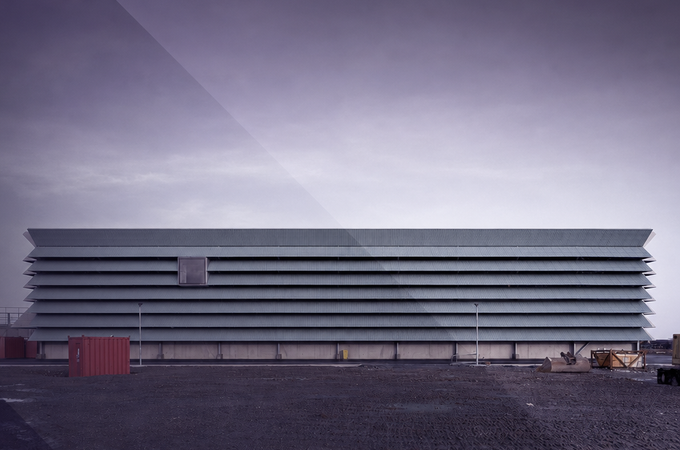
Brutalist architecture is hated by some and loved by others. Often massive in size and always rough in appearance. Though many people believe otherwise, Brutalist architecture isn’t called brutal because of its intimidating aspects, it actually gets its name from the French words ‘béton brut’ which translates to raw concrete, which is the core ingredient in brutalist architecture along with glass, steel, brick and rough-hewn stone. Brutalist architecture was and is often associated with poverty with its hard and worn-down appearance. Because of this, Brutalist architecture has gone in and out of style.
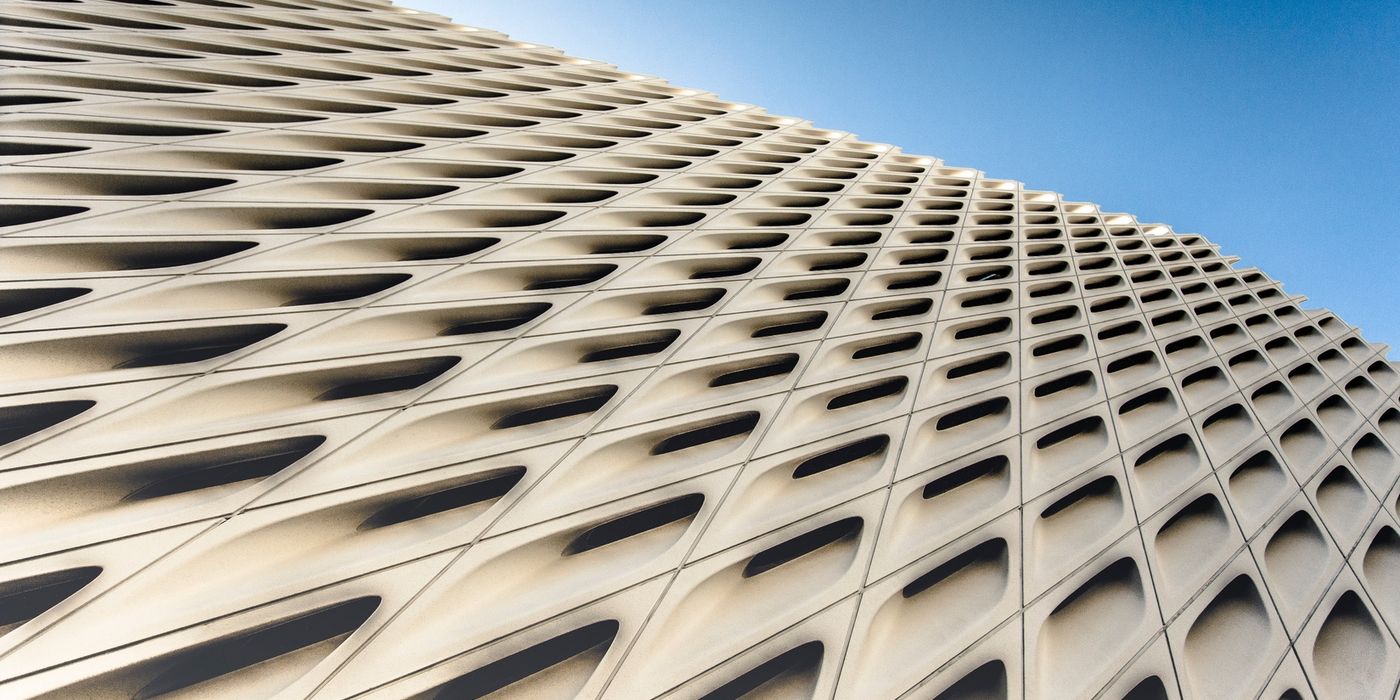
Brutalist architecture was used in the 1960s and 1950s to build government buildings and universities to convey self-confidence and pride. The designs of these buildings resembled medieval cathedrals which gave them an almost religious aura of greatness. Brutalist architecture reached its peak popularity in the 1970s when these great concrete giants looked like the future of architecture. So residential buildings were put up made with brutalism. In the 1980s the steel which was the skeleton of the structures leaked with rust creating brown spots on the buildings making them look filthy and lifeless. Maintenance will be needed, but is limited compared to many other architecture styles.
Who invented it?
Brutalist architecture was invented by Le Corbusier. Le Corbusier was an architect, city planner and a painter. Le Corbusiers real name was Charles-Édouard Jeanneret, he was born October 6, 1887 in La Chaux-de-fonds, Switzerland, and died August 27, 1965 in Cap Martin, France. Le Corbusier comes from a town famous for precision watchmaking. At age age 13 he left primary school and was sent to École des Arts Décoratifs at La Chaux-de-Fonds to learn his father’s trade of enameling and engraving watch faces. There he met Charles L’Eplattenier, by far his favorite teacher, who taught him art history drawing, and the naturalist aesthetis of Art Nouveau. After three years of study L’Eplattenier suggested a career in architecture to Le Corbusier. L’Eplattenier started Le Corbusier’s architecture career with a few local projects that lead Le Corbusier to seek further inspiration from traveling through central Europe and the Mediterranean.
At age 30 when Le Corbusier lived in Paris, he met the painter and designer Amédée Ozenfant who taught him about Purism. An art style that focused on the simple geometric forms of everyday objects. Together they wrote and published the Purist manifesto in 1918. In 1920 they founded a polemic avant-garde review called L’Esprit Nouveau. Mainly to innovate within architecture and city planning with focus on functionalism. Both Ozenfant and Le Corbusier wrote articles for L’Esprit Nouveau using pseudonyms instead of their names. Ozenfant chose Saugnier. Which was the name of his deceased grandmother. Jeanneret chose Le Corbusier. Which was the name of a paternal forebear. Le Corbusier had books like ‘The City of Tomorrow’ and ‘Architect of the century’ and many more curated from all his articles in L’Esprit Nouveau by for example Jean-Louis Cohen. Le Corbusier opened an architecture studio in 1922 with his cousin Pierre Jeanneret, and spent the years from 1922 focusing on space managing and simplicity in architecture until the studio shut down in 1940 when Germany invaded, and Pierre Jeanneret joined the French resistance.
During the second world war while France was occupied by Germany, Le Corbusier had to stop building and travelling. With many years of struggle Le Corbusier was finally with the support of the French government able to build an enormous housing complex (unite d’habitation) in Marseille that was completed in 1952. This was the first time he described his architecture as ‘béton brut’. Though Le Corbusier was not completely satisfied with how he was perceived, he continued with new projects until he died suddenly while swimming.
Though the term ‘béton brut’ was created by Le Corbusier, the term ‘brutalist architecture’ was created by the British architectural critic Reyner Banham, who worked with the architects Peter and Alison Smithson who specialized in ‘new brutalist architecture’.
What are the benefits of using this particular style?
- It´s one of the most robust and resilient architecture styles available
- It will last a long time, because of limited necessary maintenance
- It´s relatively cheap, since concrete is cheap
- It´s a beautiful, unique and eye-catching style
Should you consider using Brutalism?
Minimalism, functionalism and concrete are the key ingredients of brutalist architecture. So, if you like that, brutalism is the thing for you. If you should consider brutalist architecture, be sure to check out our selection of amazing architects to see if they have the skills, you are looking for.
Architects onlineLast updated · 31 August 2023