— Blog · 28 May 2026 · 2 min read
Cities in Transition: Memory, Timber and New Urban Frameworks from Paris to Rome
This week’s architecture stories trace how design is reshaping cities through memory, sustainability and civic reinvention. From a nearly finished Paris tower and Rome’s long-range urban vision to a timber office in Munich and curatorial work in Hong Kong, the focus is firmly on architecture as a public, cultural and environmental tool.
Memory, identity and architecture as cultural continuity
Across this week’s coverage, architecture emerges as a way of carrying collective memory into the present. The selected museum project in Panama and Design Trust’s work in Hong Kong both show how spatial practice can move beyond conventional commissions, using exhibitions, micro-interventions and material choices to reinforce identity, stewardship and public life. For architects, these examples underline the growing value of projects that are not only built, but also curated, prototyped and socially activated.
Rethinking the city through phased transformation
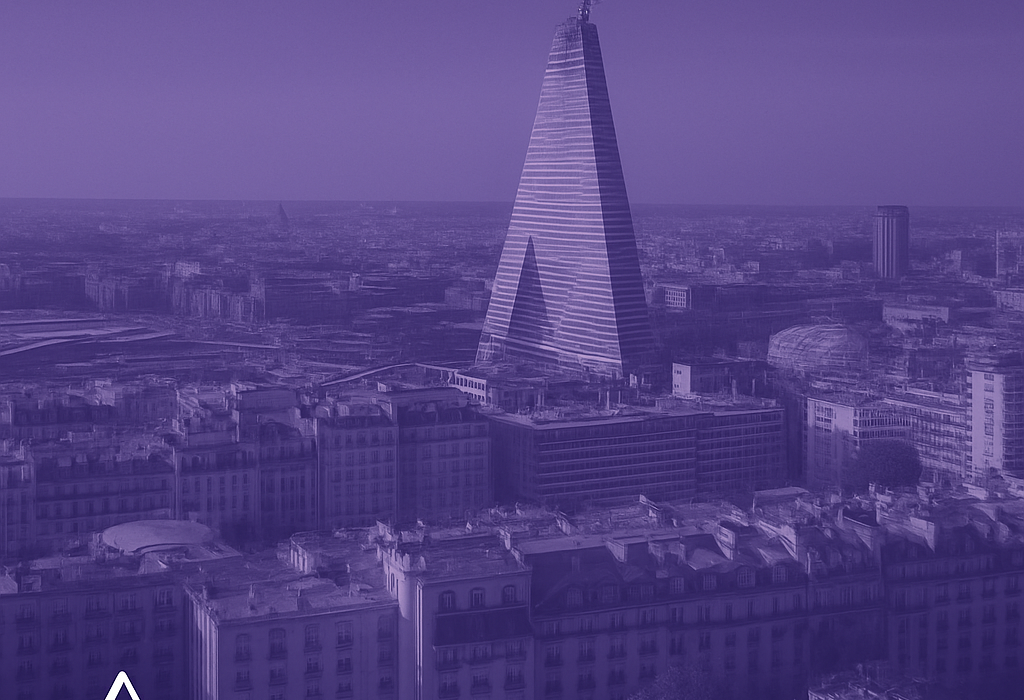
Urban change takes centre stage in Rome, Toronto, Newcastle and Paris, where large-scale visions are being shaped around public realm, mobility, housing and long-term adaptability. OMA’s framework for Rome proposes incremental layers of green corridors, mobility hubs and mixed-use renewal, while similar ambitions are visible in waterfront and civic projects elsewhere. At the same time, Herzog & de Meuron’s Tour Triangle nears completion in Paris after years of contestation, reminding the profession that major urban works are often as much about civic debate as design resolution.
Timber, adaptability and the future workplace
In Munich, C.F. Møller’s i8 building at iCampus in Werksviertel demonstrates how office architecture is evolving towards lower-carbon construction and healthier interiors. Its hybrid timber structure reflects a broader shift in workplace design, where embodied-carbon reduction, indoor comfort and flexible use are becoming central briefs rather than optional extras. For architects working in commercial projects, the building offers a clear signal: performance, material intelligence and spatial quality now need to operate together.
Join the conversation on Archsplace
From urban strategy to material innovation and cultural programming, these stories show how architects are helping to shape more resilient and meaningful cities. Create your architect profile on Archsplace and join a community built for professionals who want to share work, ideas and opportunities.