— Blog · 11 June 2026 · 2 min read
Designing for Care, Landscape and Coastal Living: Three New Architecture Stories
From veterinary hospitals shaped around empathy to a hillside cabin that respects its trees and a timber family home tuned to the Australian coast, these projects show how architecture can respond to living systems. Together, they highlight a more humane, site-led approach to design across care, retreat and domestic life.

Veterinary hospitals moving beyond clinical function
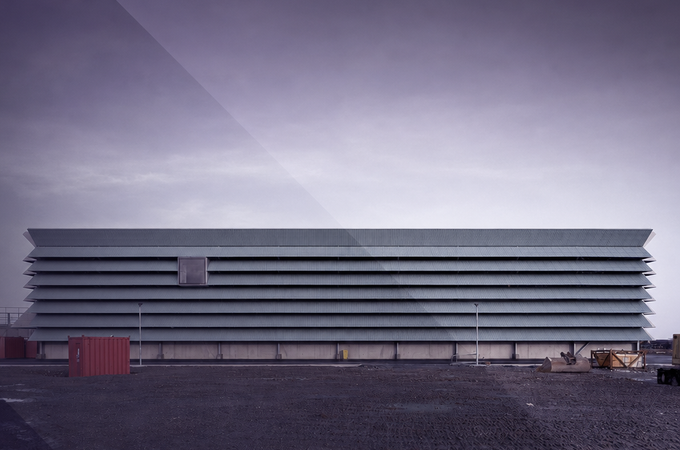
The latest veterinary hospital projects show how a building type long treated as purely utilitarian is gaining architectural depth. Rather than relying on improvised back-of-house layouts, these facilities are being designed to reduce stress, support healing and improve the experience for both animals and their owners. For architects, the lesson is clear: even highly specialised healthcare environments benefit from daylight, calm spatial sequencing, clear wayfinding and a more compassionate material palette.
A cabin tucked between trees, not imposed upon them
Jugnoo Cabin demonstrates how careful reading of a difficult site can lead to a more intelligent form of resort accommodation. Faced with steep topography and trees that could not structurally support the original treehouse idea, the design team placed the cabins between the trunks instead of over them, preserving the landscape while still creating a distinctive guest experience. The result is a reminder that architectural ambition is often strongest when it works with ecological constraints rather than against them.
A coastal family home shaped by timber and restraint
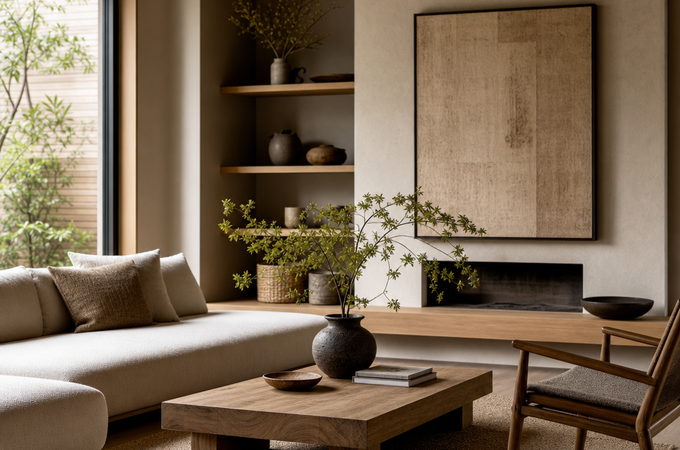
Mount Martha House translates the vernacular of the Mornington Peninsula into a contemporary family dwelling with a practical, economical brief. Its L-shaped plan wraps around an established pin oak, creating a protected outdoor realm for everyday life, while timber detailing and a grounded material approach reinforce its coastal character. For residential architects, it offers a useful model for balancing cost, context and comfort without losing architectural identity.
Join a community focused on thoughtful architecture
These three projects reflect a shared direction in contemporary practice: buildings that are more responsive to place, more attentive to emotion and more generous in how they support daily life. If you are shaping similar work, connect with fellow professionals and share your own projects by joining Archsplace: Create your architect profile on Archsplace.