— Blog · 2 July 2026 · 2 min read
Concrete Memory, Flexible Futures and a New Workplace Language
From Eastern Europe’s abstract postwar memorials to a Berlin headquarters shaped for collaboration and a climate-responsive tower in Jaipur, these projects show how architecture can hold memory, adapt to culture and perform for the future. Together they reveal a striking range of strategies for designing civic presence, workplace identity and environmental intelligence.
Eastern Europe’s postwar monuments reframe memory through abstraction
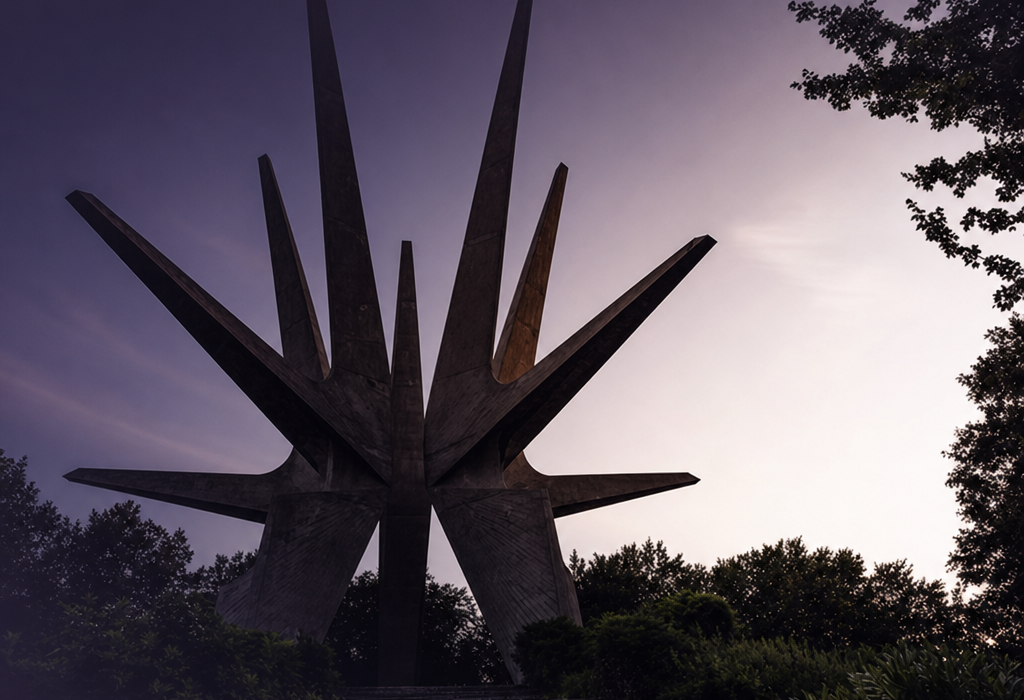
A sweeping look at 12 monuments across Eastern Europe highlights how postwar memorial design often moved beyond literal heroism and figurative commemoration. Instead, architects and artists used concrete, geometry and spatial ambiguity to build places of remembrance that could accommodate fractured histories, shifting political meanings and collective grief. For architects, these works remain a powerful reminder that memorial architecture can be as much about atmosphere, sequence and bodily experience as it is about symbol.
Enkime HQ turns a Berlin courtyard into a collaborative workplace
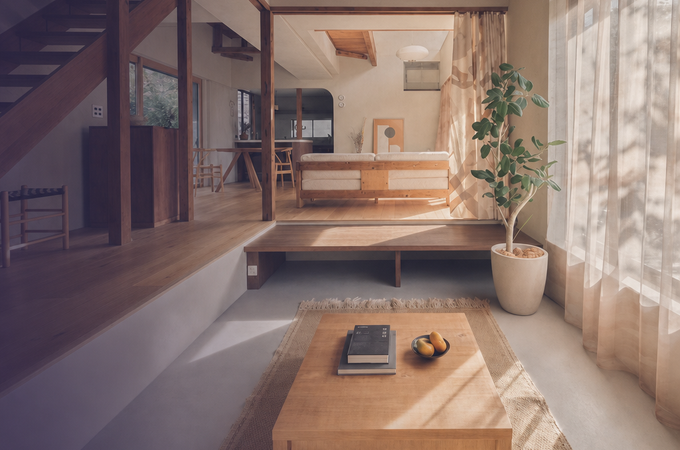
RHO’s Enkime HQ in Berlin-Charlottenburg reimagines a historic industrial setting for a leading social media agency, balancing workplace flexibility with a calmer, more enduring material identity. Rather than leaning into the polished clichés of the creative office, the project favours a composed interior language that supports teamwork, movement and a sense of belonging. It offers a useful lesson in how contemporary offices can express culture without resorting to visual excess, and how adaptive reuse can anchor a brand in place.
Primus Office Building explores climate-responsive vertical form in Jaipur
Sanjay Puri Architects’ Primus Office Building responds to a tight urban brief with a stacked composition of capsule-like volumes that help the building breathe, shade and perform efficiently in Jaipur’s climate. Designed within strict height limits near the airport, the scheme combines multiple office units with the option to merge them as needs change, giving the project long-term flexibility as well as environmental intelligence. For practitioners, it demonstrates how planning constraints can become catalysts for distinctive form, comfort and future-proofed working environments.
Join the Archsplace community
For architects, studios and built-environment professionals, these projects are a reminder that strong design begins with ideas worth sharing. Join the growing Archsplace community and present your work to a wider professional audience: Create your architect profile on Archsplace