— Blog · 3 July 2026 · 5 min read
Atworth: a compact Wiltshire village with outsized appeal for design-led projects
Atworth is a small but well-connected Wiltshire village where heritage cottages, rural landscapes and practical access to Bath, Melksham and the wider South West make it an interesting place to plan a home improvement or build project.
Welcome to Atworth
Atworth is a village in Wiltshire, in the South West of England, and part of the wider rural-commuter landscape that links the Chippenham, Melksham and Bath areas. Its population is only a few hundred rather than thousands, so it has the feel of a close-knit parish rather than a town in the conventional sense. That scale is part of its appeal: projects here tend to be shaped by setting, character and careful planning, which makes it a particularly interesting place to work with architects and builders who understand rural context as well as modern living needs.
Because Atworth sits within easy reach of larger employment and service centres, it attracts people who want countryside surroundings without losing access to everyday convenience. For anyone thinking about an extension, refurbishment or a new home, that balance between village identity and practical connectivity is a major advantage. The latest population estimates for Atworth are in the low hundreds, which is typical of a small Wiltshire village rather than a suburban settlement.
Architectural Highlights
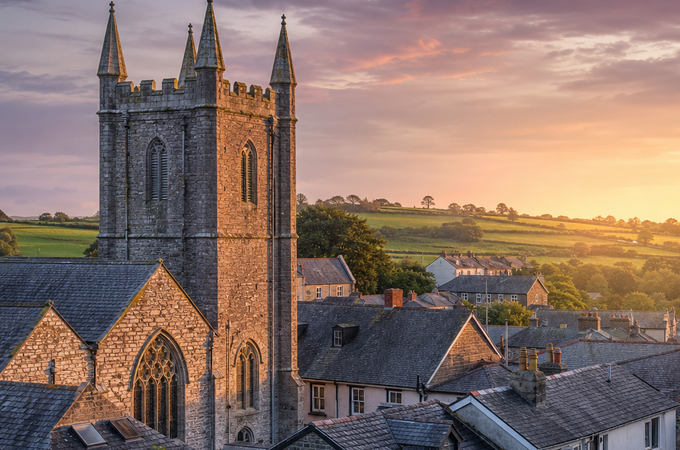
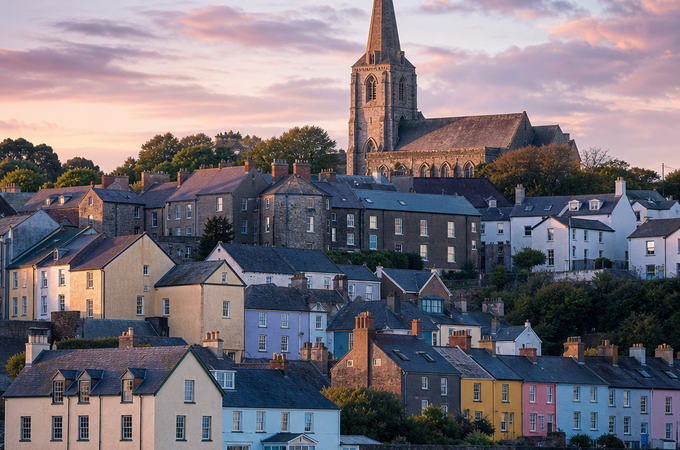
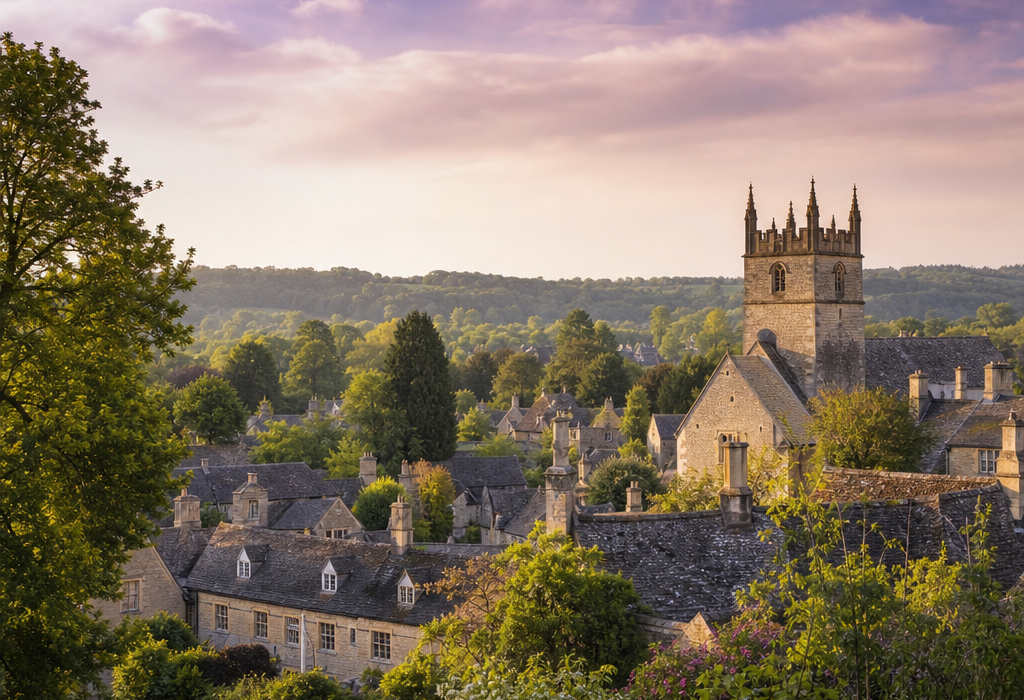
Atworth’s architectural character is rooted in the local vernacular: traditional stone-built cottages, modest farm buildings and historic houses that reflect the materials and building methods common across Wiltshire. Natural stone, simple rooflines and restrained detailing are key features, helping the village sit comfortably in its landscape. Rather than large landmark monuments, the interest here lies in the cumulative effect of well-preserved domestic architecture and the way the built form responds to the village’s historic lanes and open surroundings.
One of the most important historical facts about Atworth’s development is that, like many Wiltshire villages, it grew gradually from an agricultural settlement rather than through a single planned expansion. That means its buildings often follow older plot patterns and road alignments, with an organic village form that can still be read today. For design-minded homeowners, this creates both opportunities and constraints: conversions and extensions need to respect existing proportions, local stone tones and the rhythm of the street scene.
There are no famous skyscrapers or major civic showpieces here, but that is precisely what makes Atworth architecturally interesting. The strongest design language is domestic and human-scaled, with historic cottages, barns adapted for modern use, and incremental contemporary additions that try to blend into the setting. In nearby towns and across the wider area, one also sees newer housing that tends to favour brick, render and energy-efficient layouts, giving useful precedent for projects that need to combine contemporary performance with a traditional Wiltshire backdrop.
Construction Costs & Trends
For a project in Atworth, a sensible working estimate for construction costs is around £2,000 to £3,000 per square metre for standard residential building work in 2026 conditions, with higher-specification schemes costing more. Renovation can vary much more widely depending on the age and condition of the property, access for materials, and whether structural alterations, insulation upgrades or heritage-sensitive detailing are involved. Rural projects can also carry additional costs linked to logistics, drainage, and the careful handling of existing stone or older fabric.
A notable recent trend across villages like Atworth is the continued demand for well-insulated, lower-energy homes and extensions that make older properties easier to live in all year round. Buyers and homeowners are increasingly prioritising flexible layouts, home working space and better thermal performance, while still wanting the character that comes with a village address. In practical terms, this means there is strong interest in sympathetic retrofit, loft conversions, kitchen extensions and garden rooms that sit lightly within the plot.
The local market also reflects a wider Wiltshire pattern: people are looking beyond the immediate urban edge for more space and a calmer environment, while staying within commuting distance of larger centres. That puts pressure on existing homes to perform well, and makes good design more valuable. Working with the right architects and builders can help turn those constraints into a stronger, more refined end result.
Why Atworth is Perfect for Your Project
Atworth is appealing because it offers a clear design identity without being visually overdetermined. If you are planning to build, extend or renovate, you are working in a place where materials, scale and proportion matter. That can feel demanding, but it is also rewarding: a good project here has the chance to look genuinely at home rather than imposed. The village setting encourages thoughtful architecture, from careful siting and modest massing to the use of local tones and textures that echo the surrounding landscape.
Its location in Wiltshire adds to the attraction. The village benefits from access to larger service centres, while remaining distinctly rural in character. That combination makes Atworth suitable for people who want family homes, long-term renovations or small bespoke schemes with a strong sense of place. For homeowners, the local context also means there is real value in early planning, measured design and builders who are comfortable with both traditional construction and contemporary performance standards.
In short, Atworth is not about spectacle; it is about quality, proportion and liveability. For anyone looking for an environment where architecture can be subtle but meaningful, it is a compelling place to begin.
Find top professionals for your project in Atworth
Free and with no obligation / Takes under 5 minutes
Are you an architect or designer? Register for free! »