— Ideas & inspiration
A futuristic house with a crisp, sculpted presence
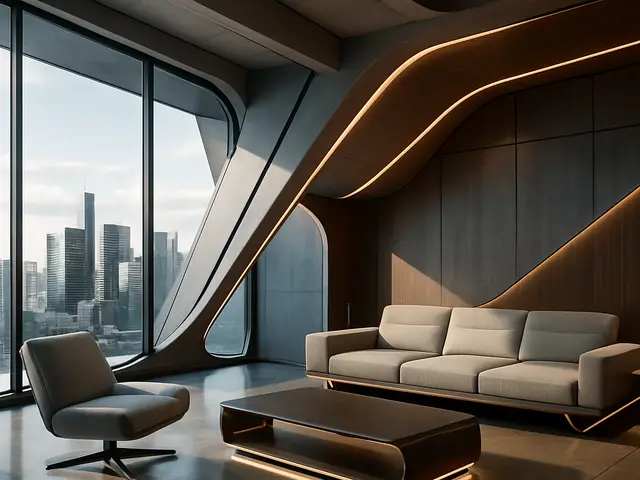
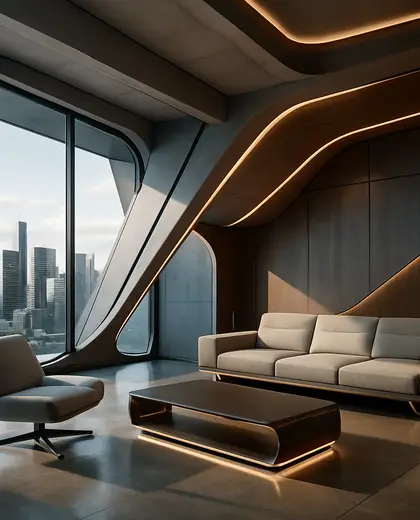
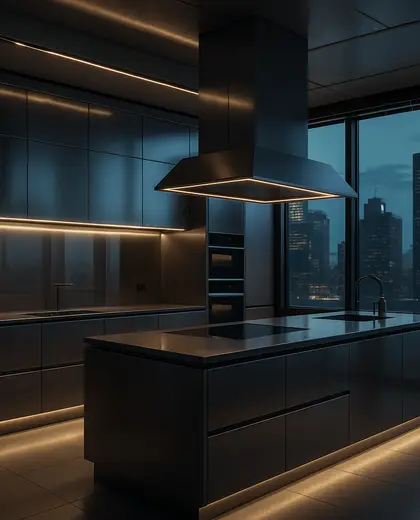
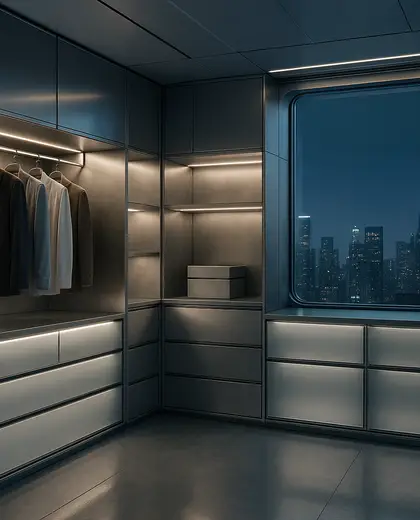
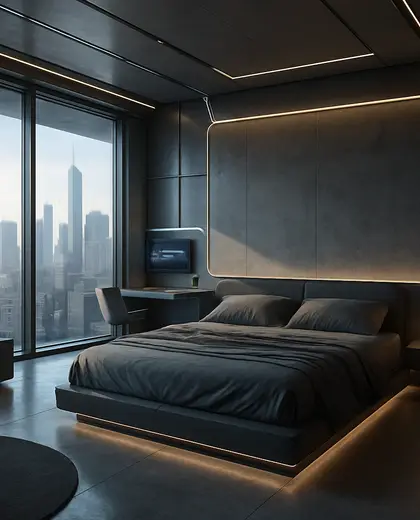
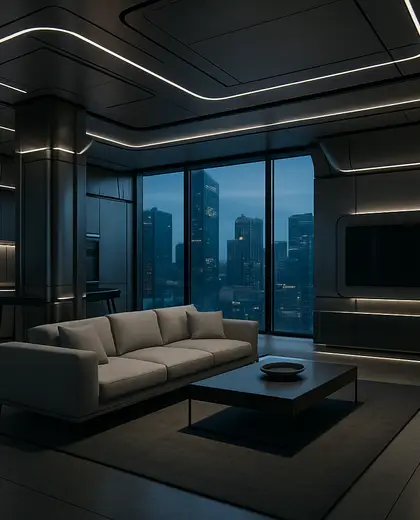
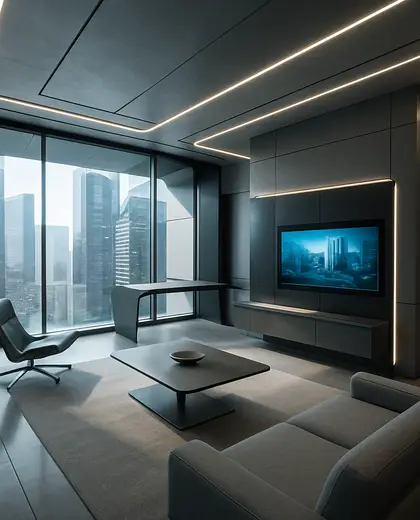
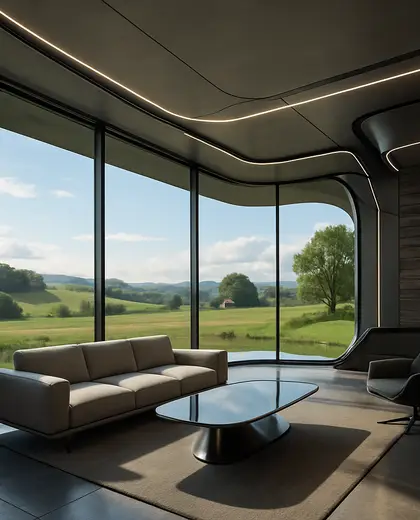
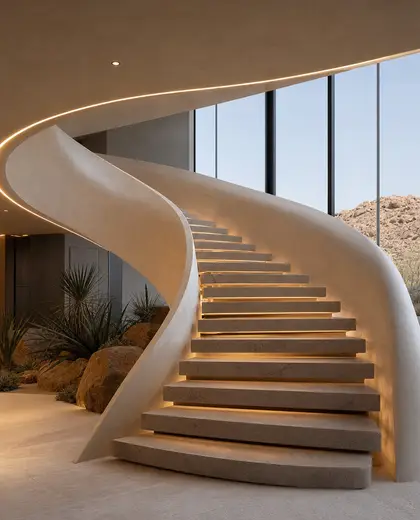
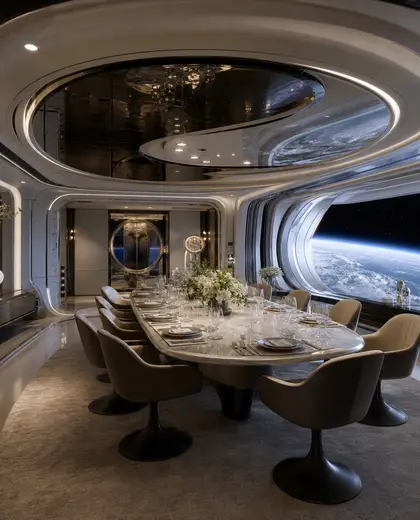
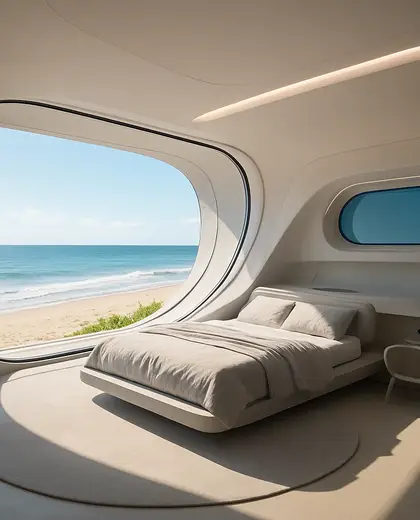
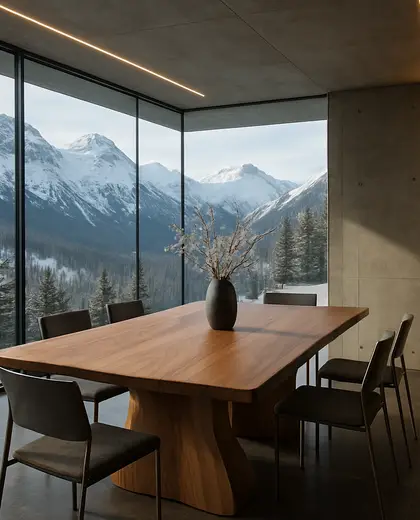
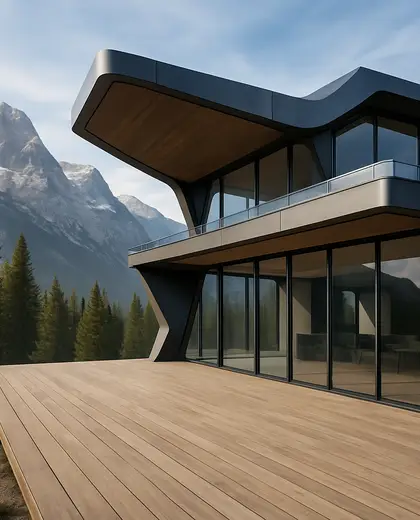
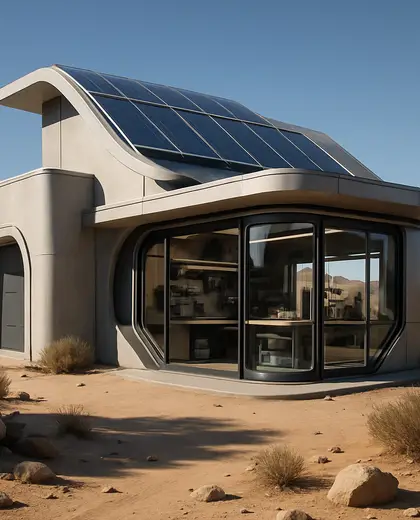
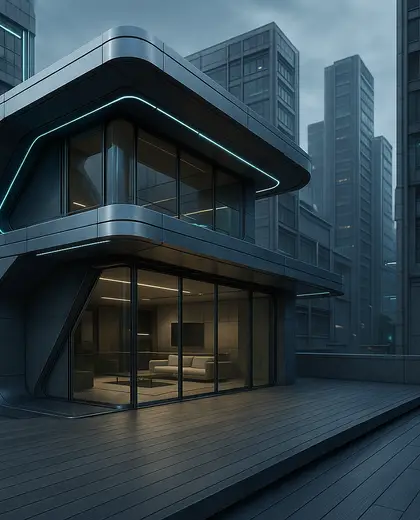
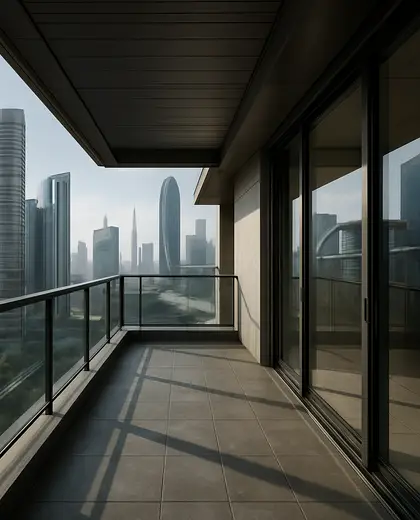
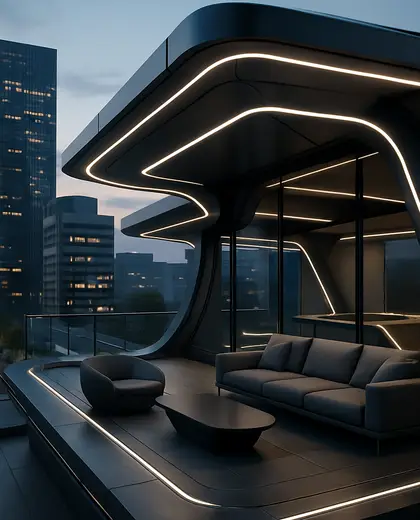
A futuristic house is defined by clean, geometric volumes, sharp lines, and a visibly engineered envelope. It often uses glass, metal, concrete, and high-performance cladding, with a restrained palette of white, charcoal, silver, and deep black. Integrated lighting, large openings, and smooth transitions between indoor and outdoor spaces reinforce the forward-looking feel.
- house
- futuristic
— References
References to explore
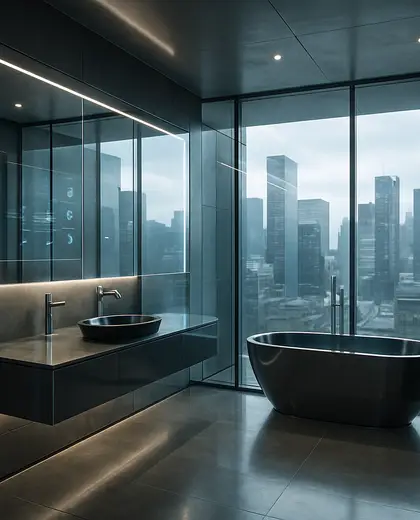
What makes a house look futuristic without feeling cold?
Use simple volumes, warm interior textures, and controlled lighting to soften the hard edges. A balanced mix of glass, timber, and matte finishes can keep the design expressive but livable.
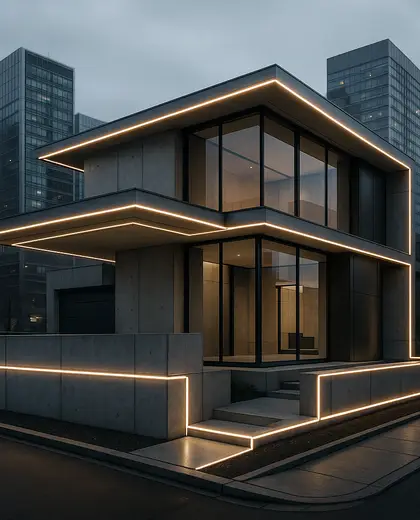
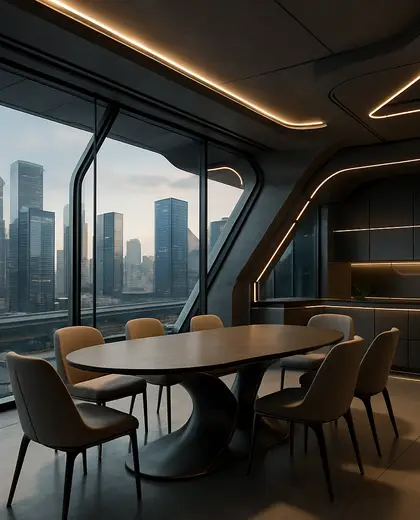
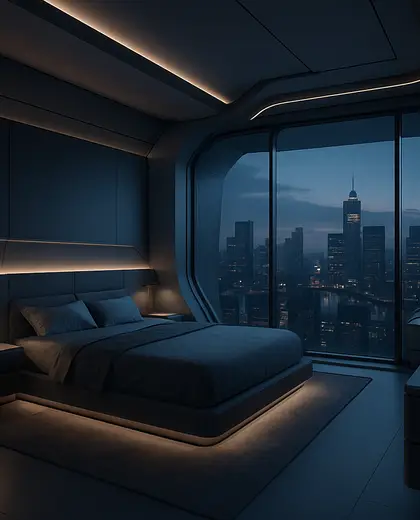
Which exterior materials work best for a futuristic house?
Smooth render, exposed concrete, metal panels, and large-format glazing are typical choices. They create the crisp surfaces and precise joints that define the look.
Can a futuristic house still feel like a family home?
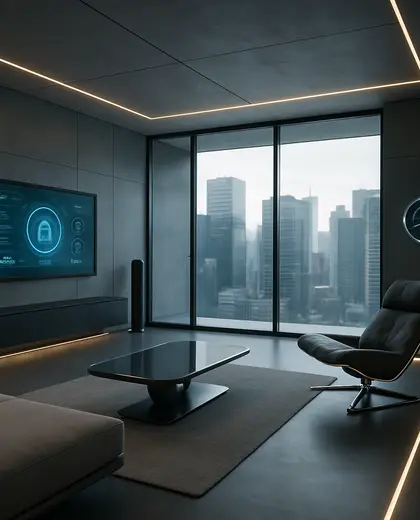
Yes. The style can be adapted with practical room layouts, shaded outdoor areas, and warmer interior finishes. The futuristic language is usually in the form, facade, and detailing rather than in the entire way of living.
— The style
What defines it
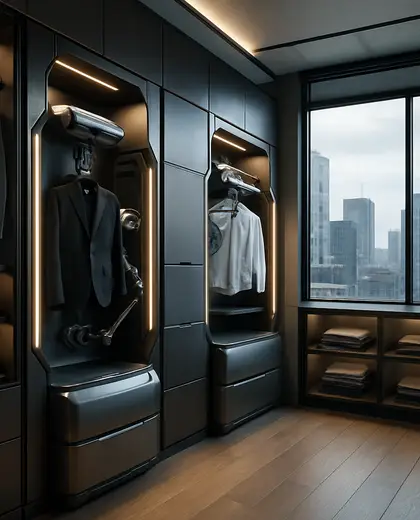
Glass, steel, aluminum, concrete, and composite panels are common, often paired with seamless finishes and slim structural details.
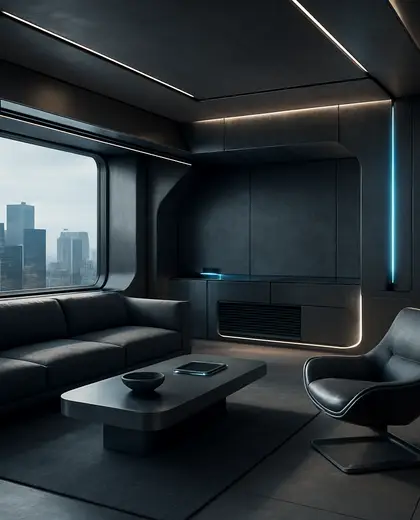
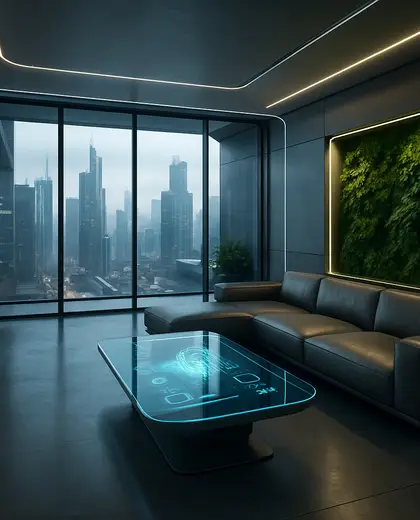
Neutral and high-contrast tones dominate: white, black, grey, silver, and occasional illuminated accents or cool-toned highlights.
This style combines a house program with contemporary detailing, minimal forms, advanced glazing, and often smart-home features.
— Professionals
Who has already built it
- kerem erbagci3d renderers · London · 9 projectsView profile →
- paquis norris group limitedbuilders · Reading · 3 projectsView profile →
- LoftRobejoiners · Guildford · 4 projectsView profile →
- Beneito Faurelighting designers · 2 projectsView profile →
— Explore
Keep exploring
— Questions
Frequently asked questions
What makes a house look futuristic without feeling cold?
Use simple volumes, warm interior textures, and controlled lighting to soften the hard edges. A balanced mix of glass, timber, and matte finishes can keep the design expressive but livable.
Which exterior materials work best for a futuristic house?
Smooth render, exposed concrete, metal panels, and large-format glazing are typical choices. They create the crisp surfaces and precise joints that define the look.
Can a futuristic house still feel like a family home?
Yes. The style can be adapted with practical room layouts, shaded outdoor areas, and warmer interior finishes. The futuristic language is usually in the form, facade, and detailing rather than in the entire way of living.