— Ideas & inspiration
Industrial composition
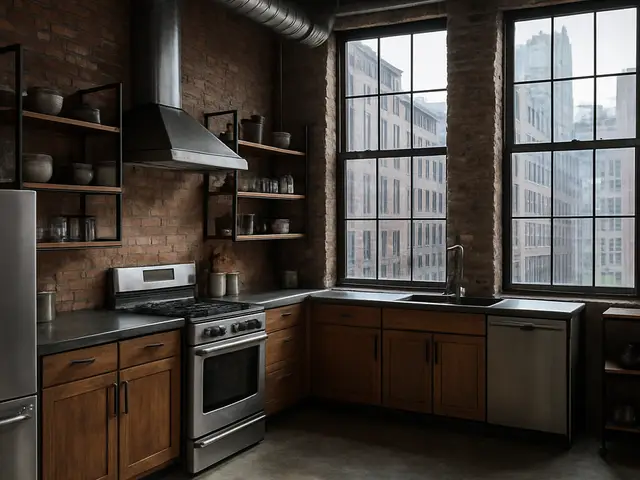
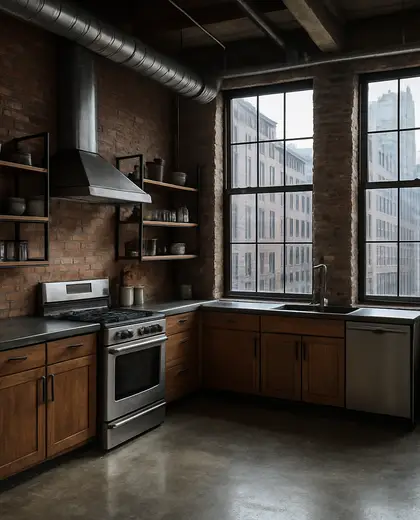
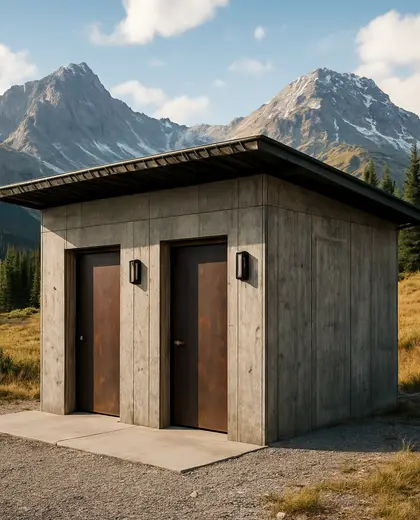
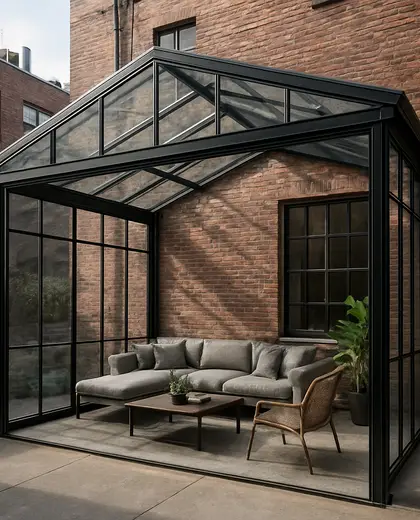
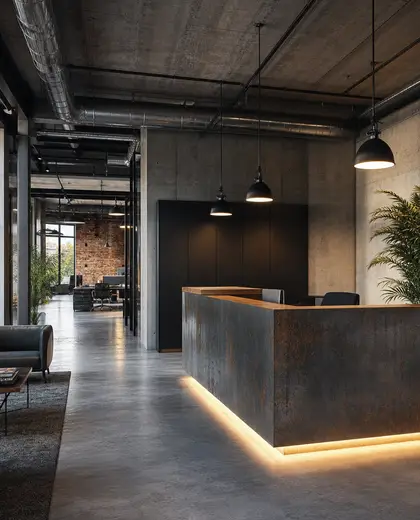
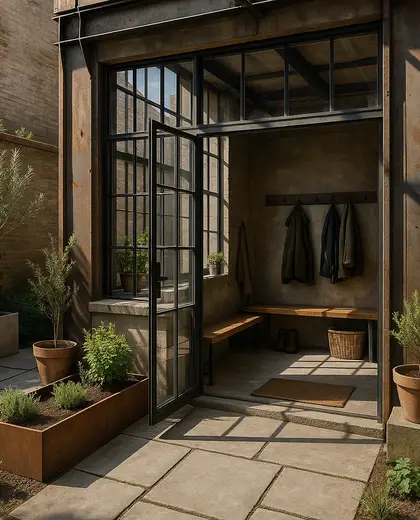
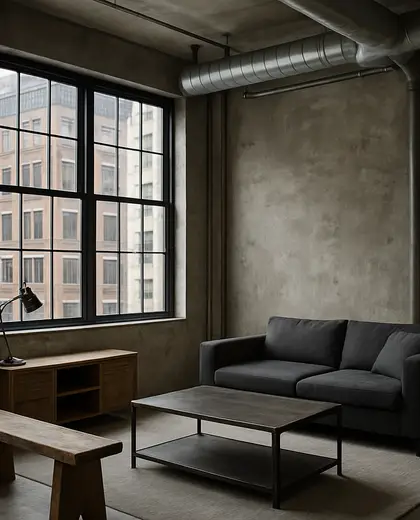
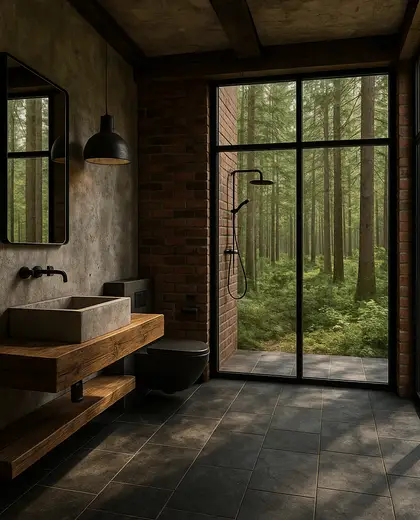
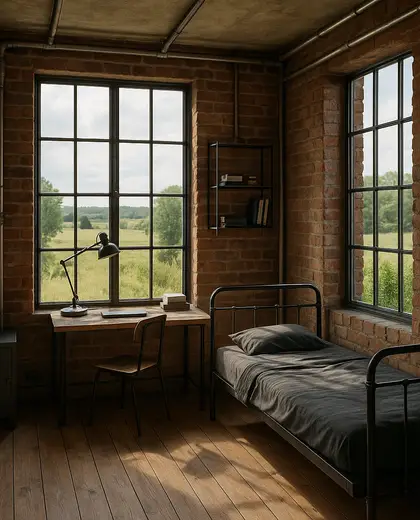
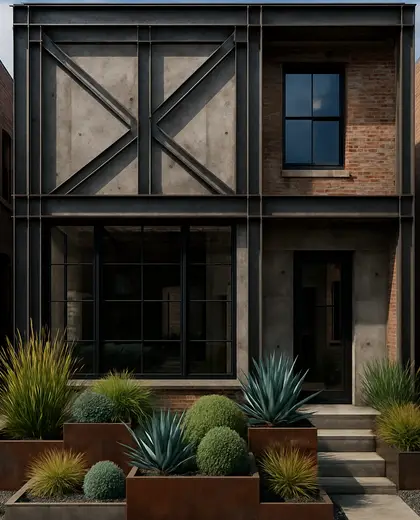
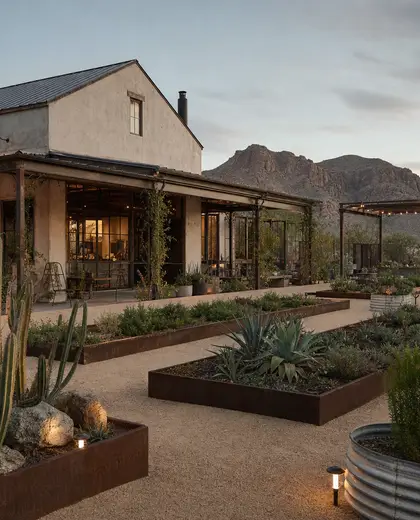
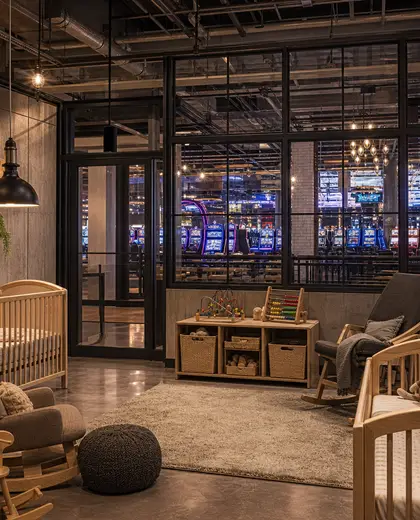
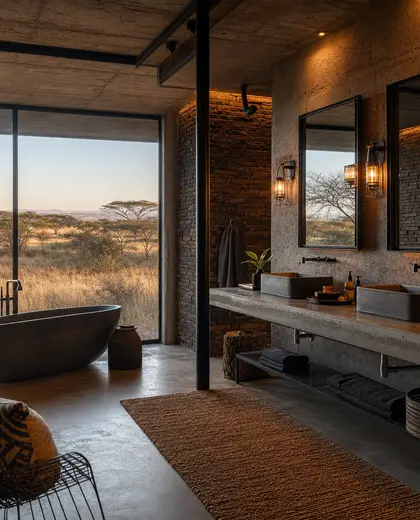
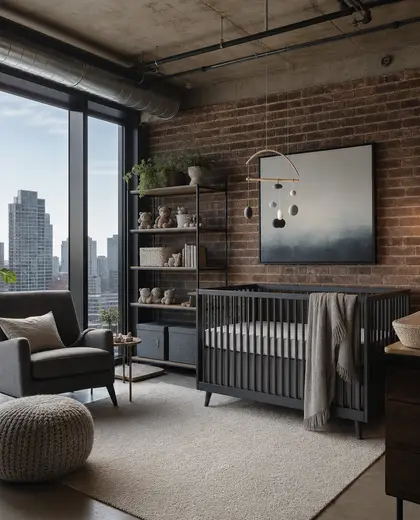
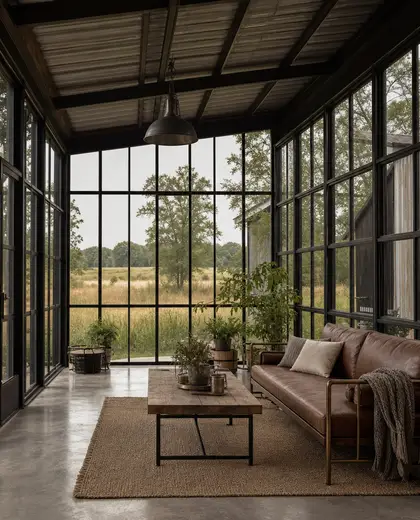
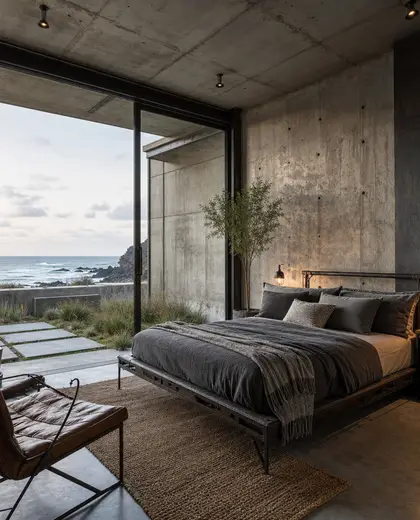
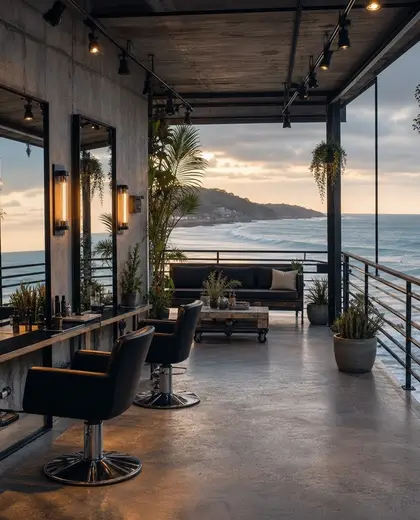
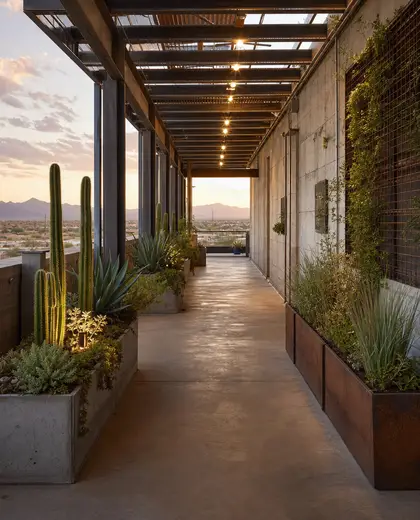
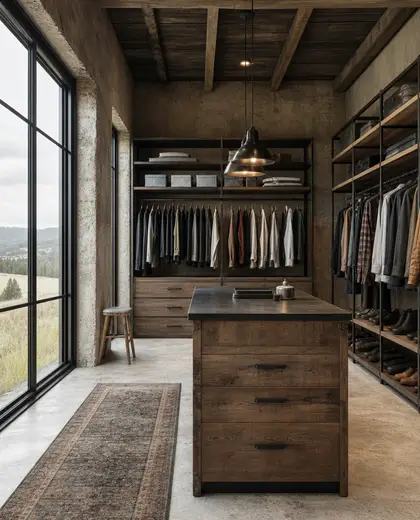
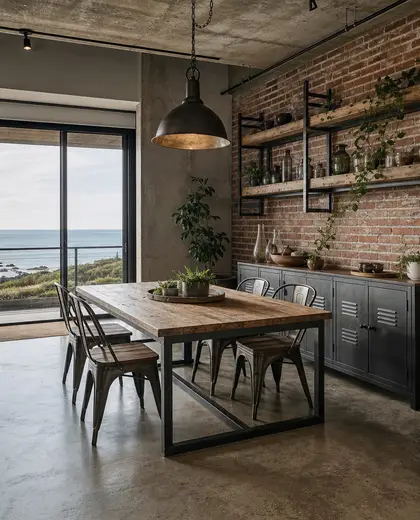
Industrial composition is defined by exposed structural materials such as concrete, brick, steel, and raw timber. The palette is usually grounded in greys, black, brown, and muted neutrals, with visible textures and unfinished surfaces left intentional. It often features open layouts, metal framing, oversized glazing, and utilitarian details like ducts, beams, and grid lighting.
- industrial
— References
References to explore
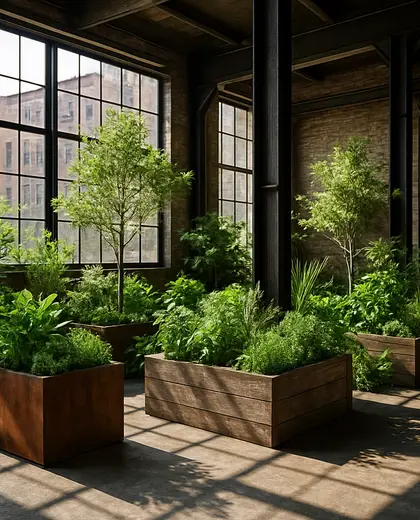
Is industrial composition suitable for a home, or only lofts?
It works in many homes, not just lofts. Even smaller spaces can use industrial cues through exposed finishes, metal accents, and simplified detailing without making the room feel cold.
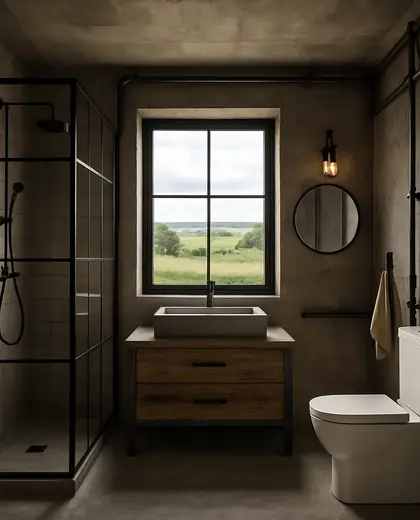
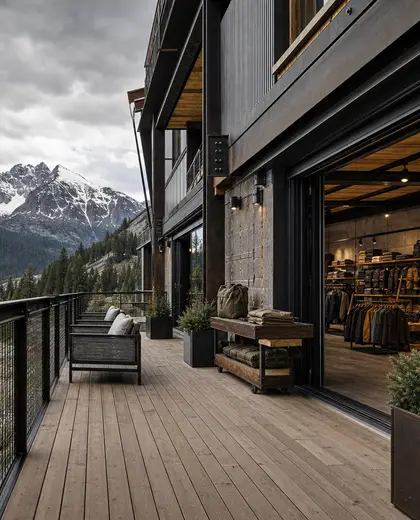
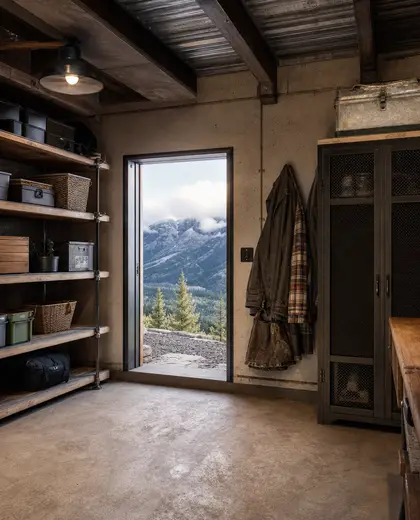
Does industrial composition always mean unfinished surfaces?
Not always. The look can be softened with cleaner walls, refined joinery, and more polished versions of concrete or metal while keeping the raw character.
What should I avoid if I want an industrial look that still feels comfortable?
Avoid using only hard, dark materials everywhere. Balance them with warmer wood tones, softer textiles, and good lighting so the space does not feel harsh.
— The style
What defines it
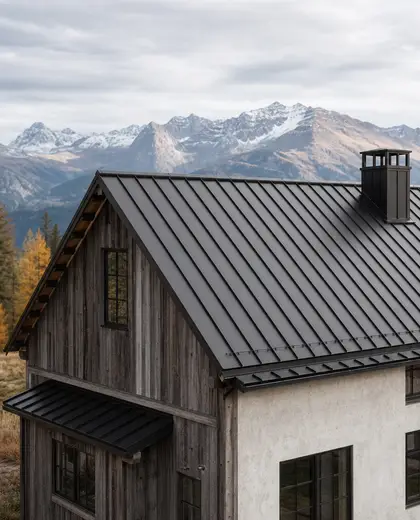
Concrete, brick, steel, iron, raw wood, and aged or matte finishes are the core materials.
Neutral and earthy tones dominate: grey, charcoal, black, taupe, rust, and weathered brown.
It pairs well with loft layouts, glass partitions, leather, simple joinery, and contemporary minimal furniture.
— Professionals
Who has already built it
- LoftRobejoiners · Guildford · 4 projectsView profile →
- Beneito Faurelighting designers · 2 projectsView profile →
- Lusso Stonetile suppliers · Stocktonontees · 7 projectsView profile →
- elizabeth bee interior deinterior designers · 4 projectsView profile →
— Explore
Keep exploring
— Questions
Frequently asked questions
Is industrial composition suitable for a home, or only lofts?
It works in many homes, not just lofts. Even smaller spaces can use industrial cues through exposed finishes, metal accents, and simplified detailing without making the room feel cold.
Does industrial composition always mean unfinished surfaces?
Not always. The look can be softened with cleaner walls, refined joinery, and more polished versions of concrete or metal while keeping the raw character.
What should I avoid if I want an industrial look that still feels comfortable?
Avoid using only hard, dark materials everywhere. Balance them with warmer wood tones, softer textiles, and good lighting so the space does not feel harsh.