— Ideas & inspiration
A house held by the mountain
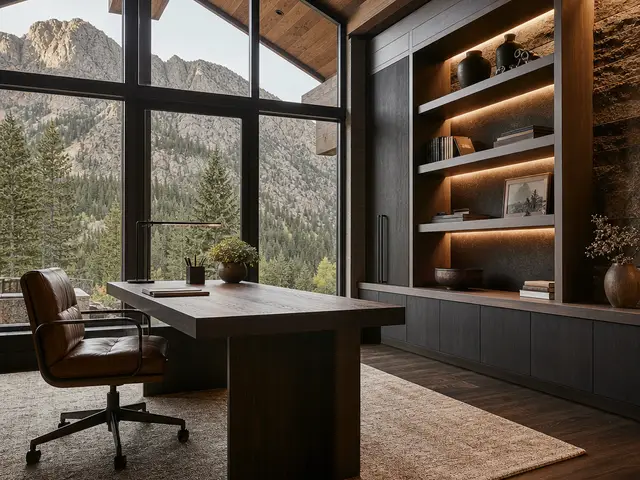
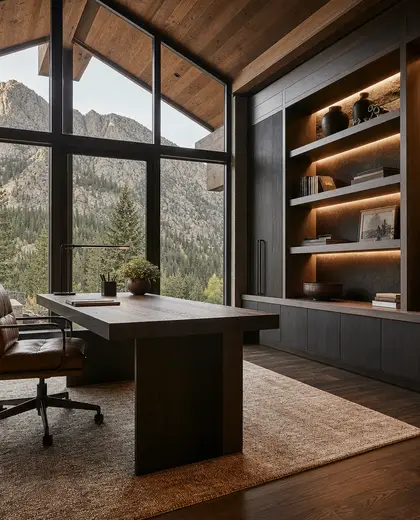
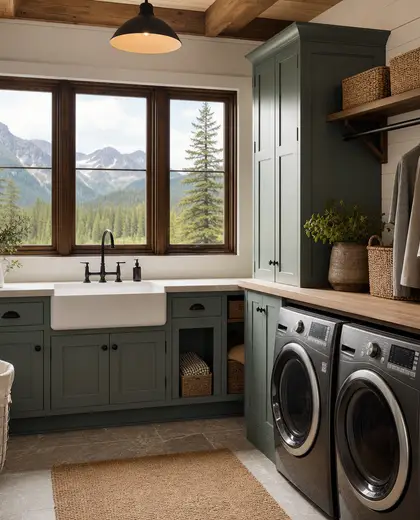
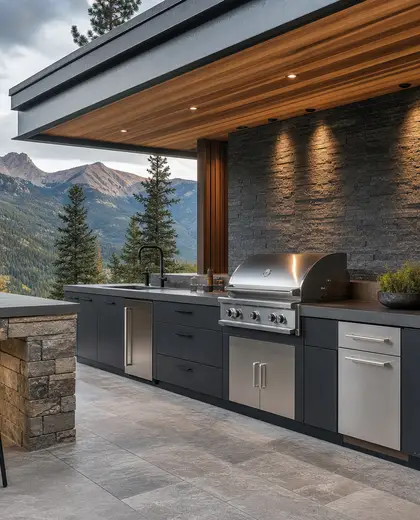
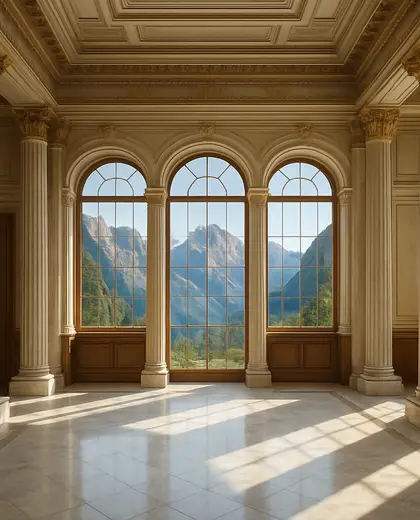
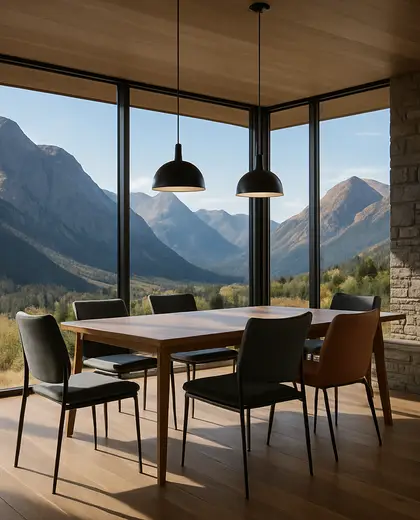
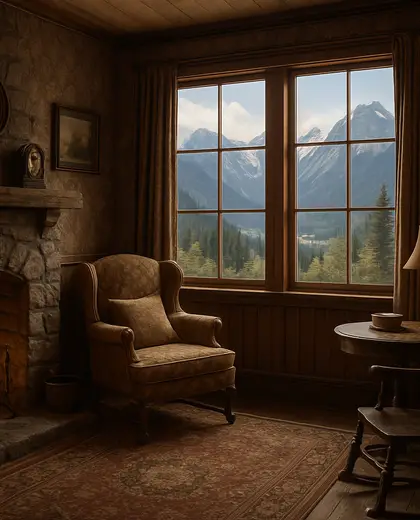
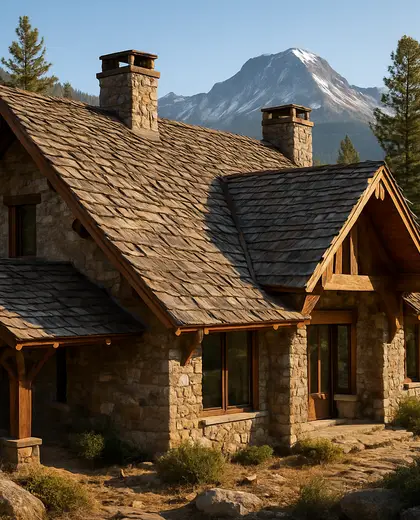
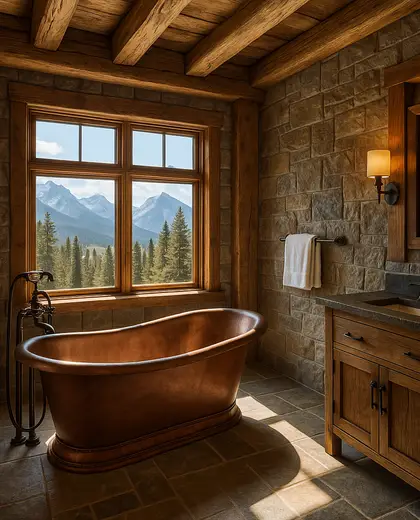
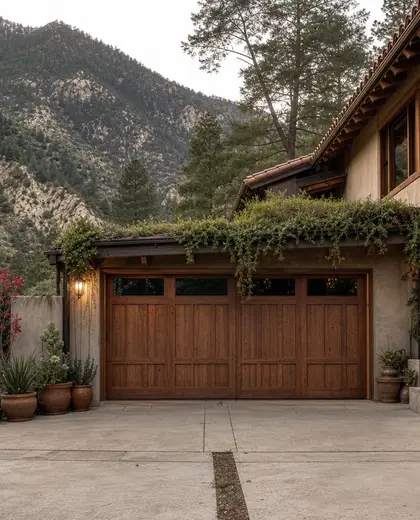
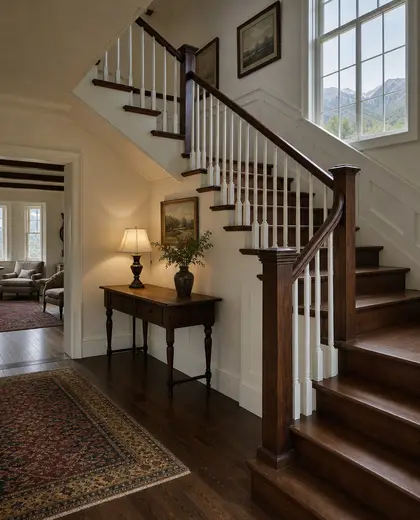
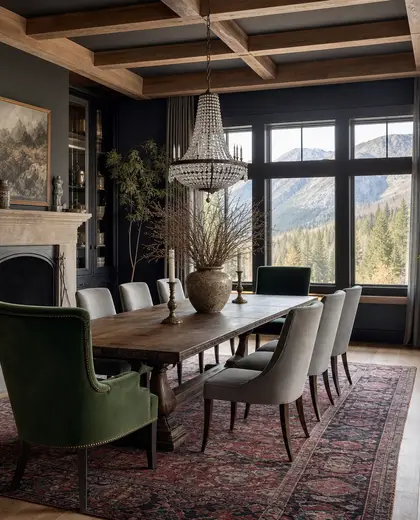
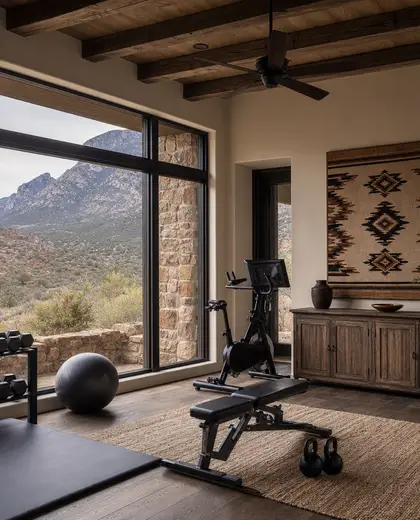
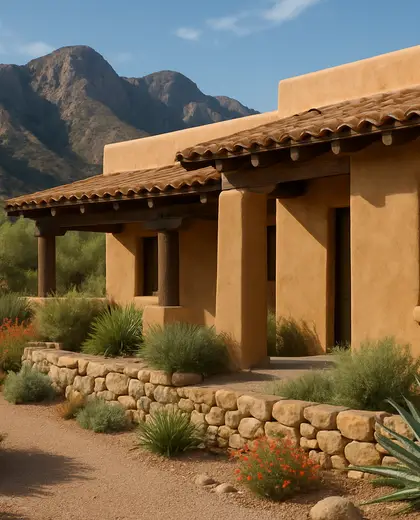
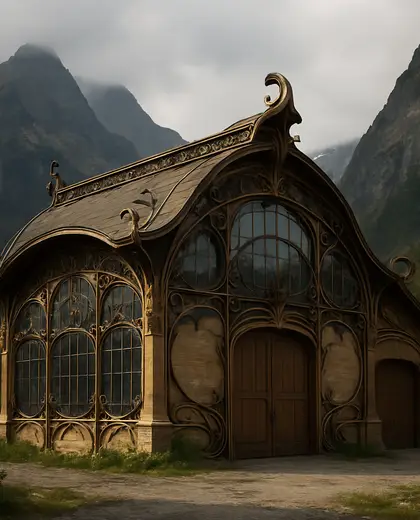
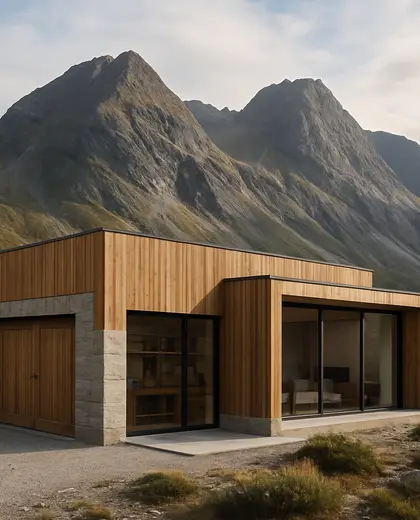
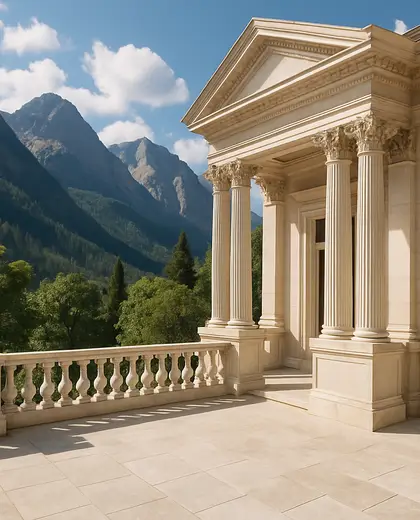
This composition is defined by a compact house form anchored to a steep or rugged landscape, with stone, timber, and other weather-resistant materials that sit naturally against the terrain. The palette is usually earthy and muted, drawing from rock, soil, bark, fog, and snow, while large openings frame distant views and bring light deep into the interior. Rooflines, terraces, and retaining walls often step with the slope, making the mountain part of the architecture rather than a backdrop.
- house
- mountain
— References
References to explore
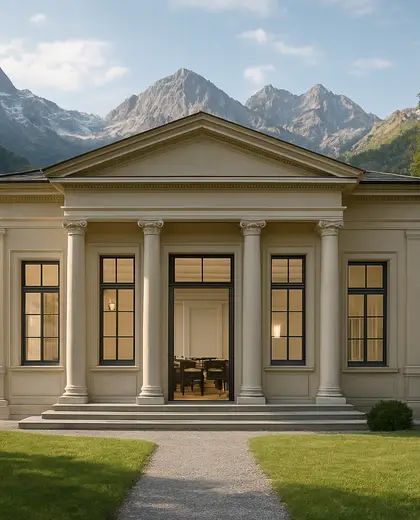
What makes a house feel appropriate in a mountain setting?
A mountain house usually feels right when its massing follows the slope, its materials weather well, and its openings are placed to capture views without exposing the interior too much to wind and cold.
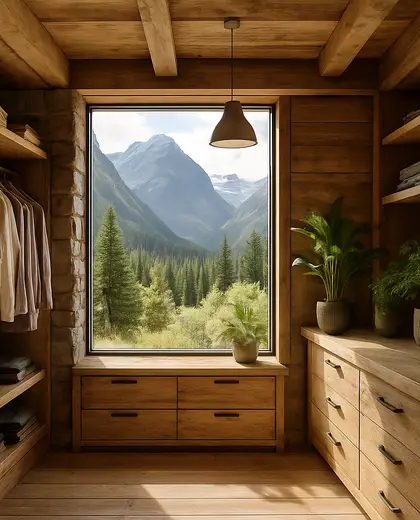
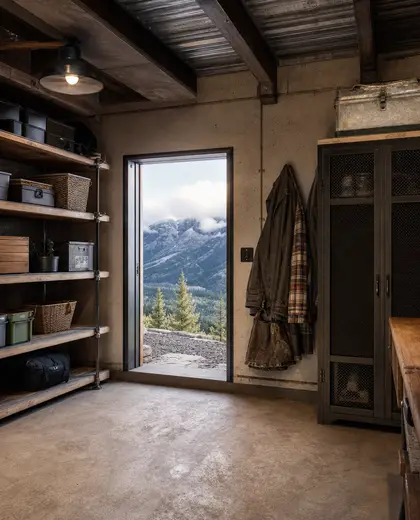
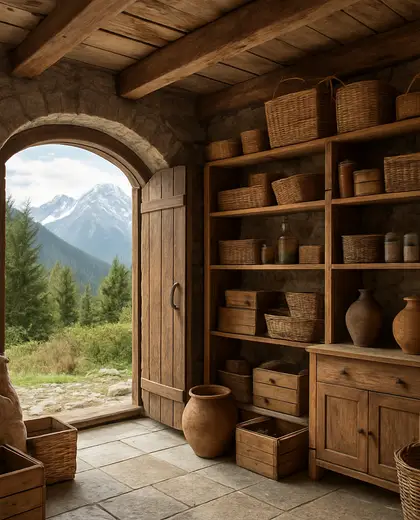
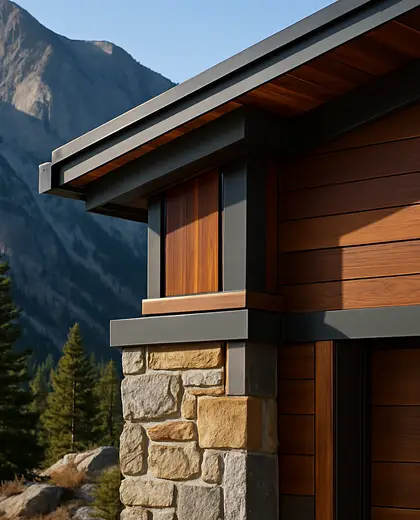
Can a mountain-inspired house still feel modern?
Yes. A modern version often uses clean geometry, large glazed areas, and restrained detailing, while keeping the material palette rooted in stone and timber.
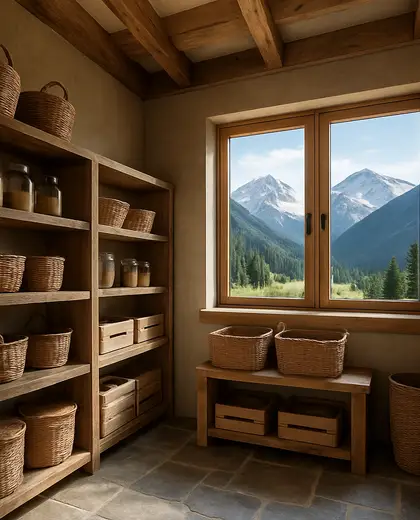
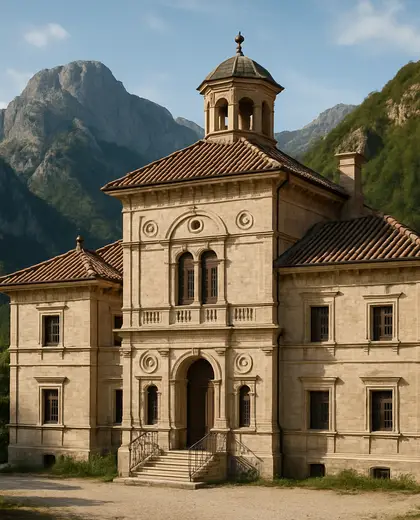
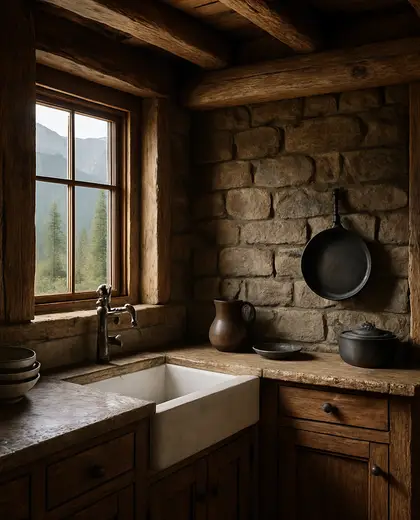
How do you keep a house in the mountains comfortable year-round?
Good insulation, protected glazing, controlled solar gain, and siting that reduces exposure to wind and snow are key, along with layouts that balance views and thermal performance.
— The style
What defines it
Stone, timber, concrete, metal, and glass are common, chosen for durability and a strong connection to the site.
Earth tones, grey rock, warm wood, and subdued neutrals dominate, often softened by misty whites or dark charcoals.
Steep topography, panoramic views, terraces, retaining walls, and sheltered openings that respond to wind, snow, and sun.
— Professionals
Who has already built it
- vorbild architecturearchitects · 6 projectsView profile →
- kerem erbagci3d renderers · London · 9 projectsView profile →
- paquis norris group limitedbuilders · Reading · 3 projectsView profile →
- LoftRobejoiners · Guildford · 4 projectsView profile →
— Explore
Keep exploring
— Questions
Frequently asked questions
What makes a house feel appropriate in a mountain setting?
A mountain house usually feels right when its massing follows the slope, its materials weather well, and its openings are placed to capture views without exposing the interior too much to wind and cold.
Can a mountain-inspired house still feel modern?
Yes. A modern version often uses clean geometry, large glazed areas, and restrained detailing, while keeping the material palette rooted in stone and timber.
How do you keep a house in the mountains comfortable year-round?
Good insulation, protected glazing, controlled solar gain, and siting that reduces exposure to wind and snow are key, along with layouts that balance views and thermal performance.