— Ideas & inspiration
A house tucked into the forest
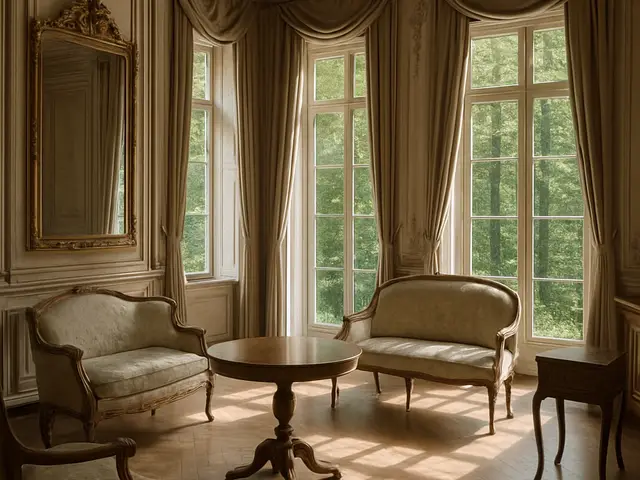
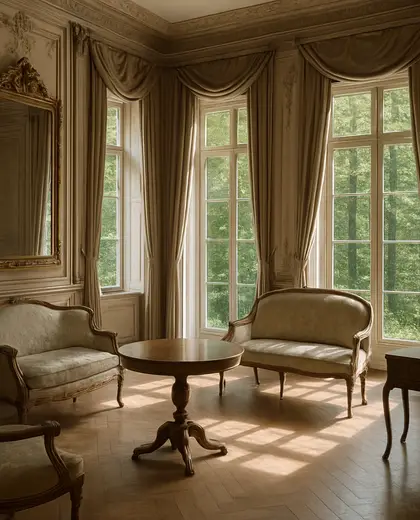
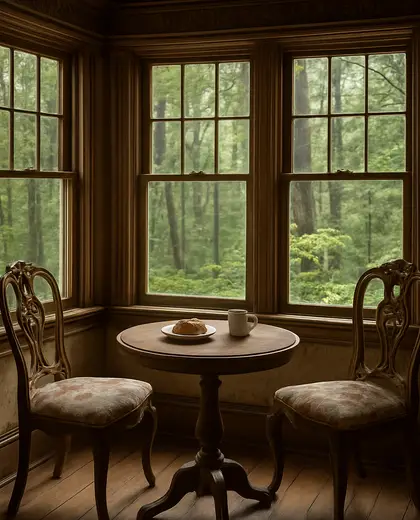
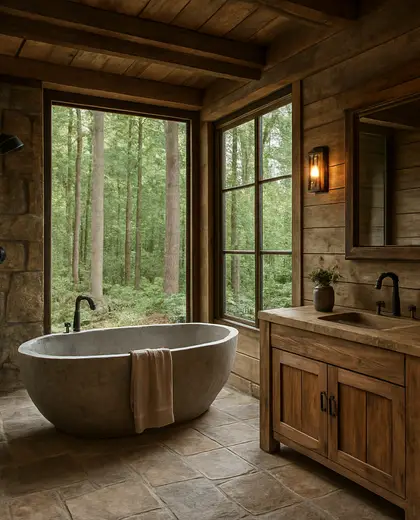
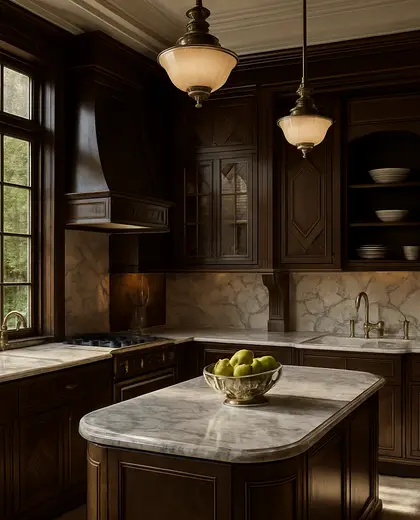
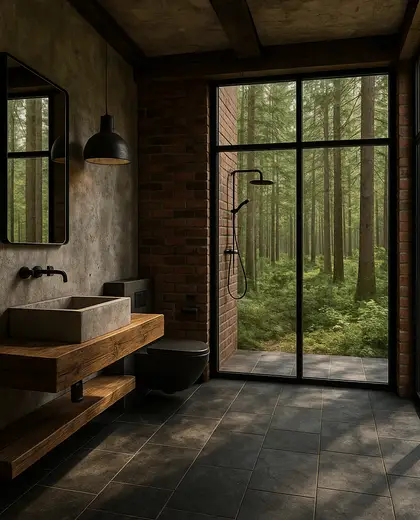
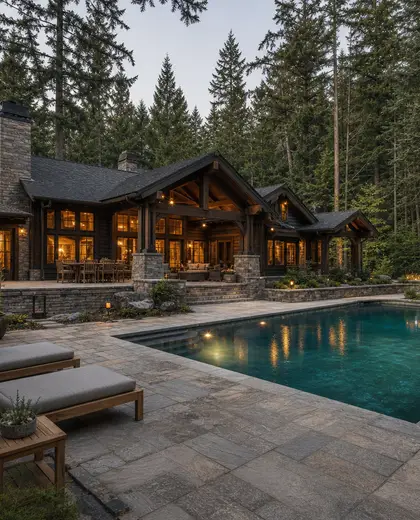
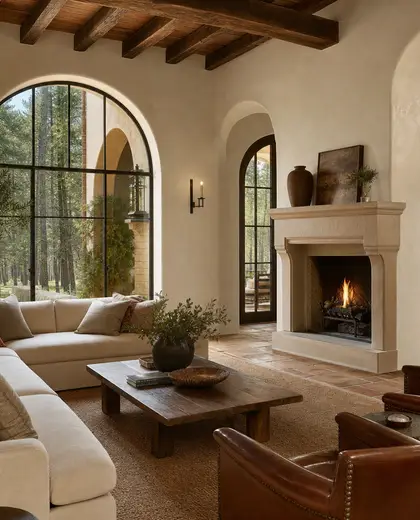
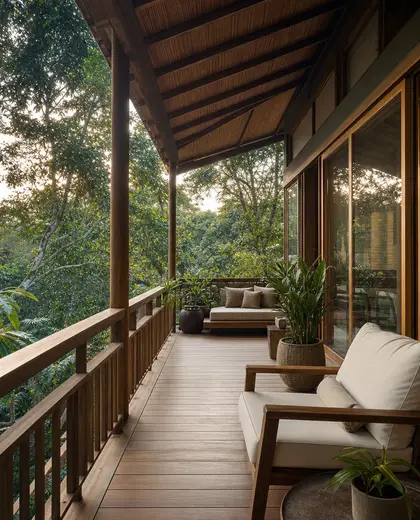
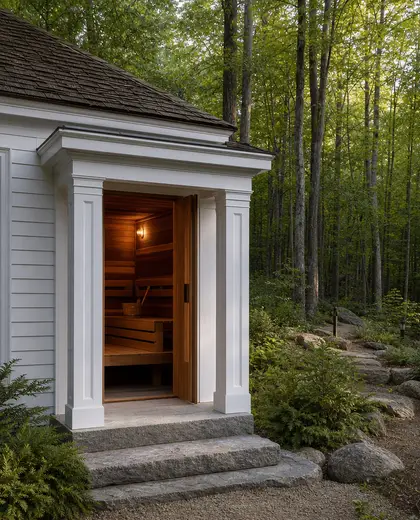
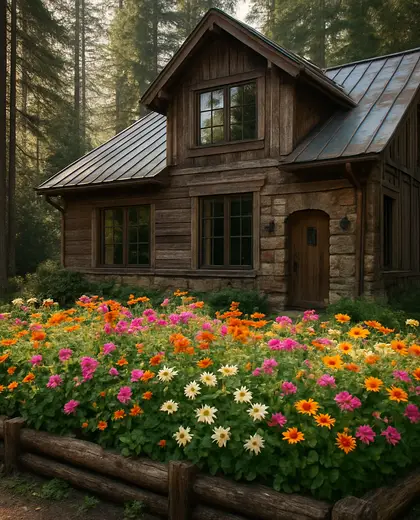
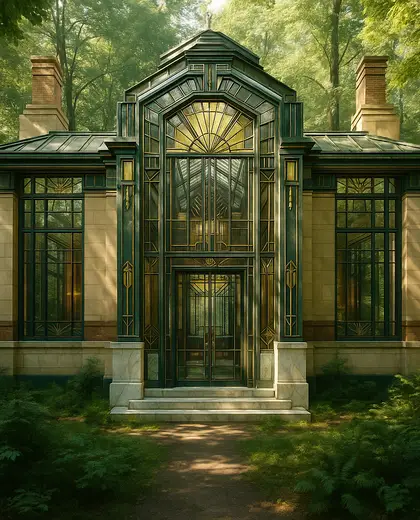
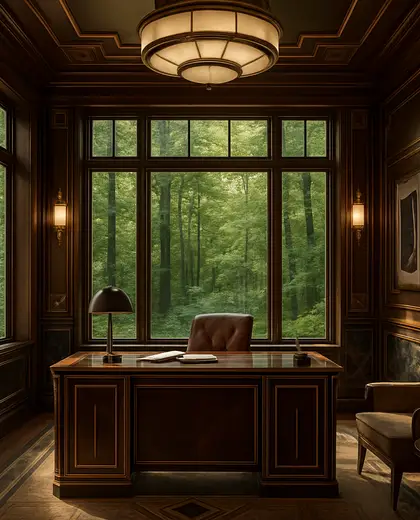
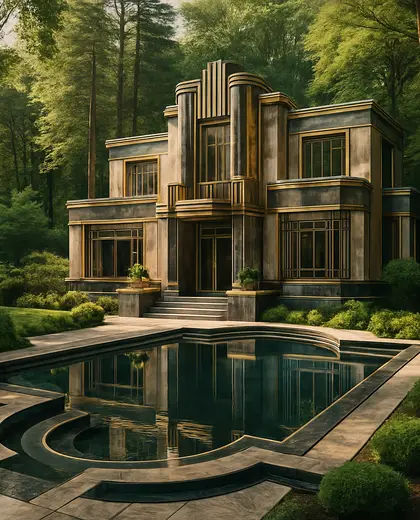
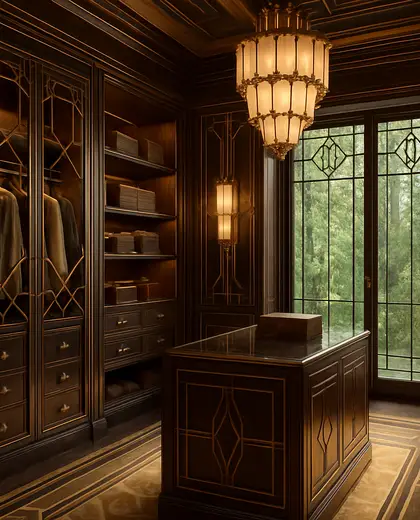
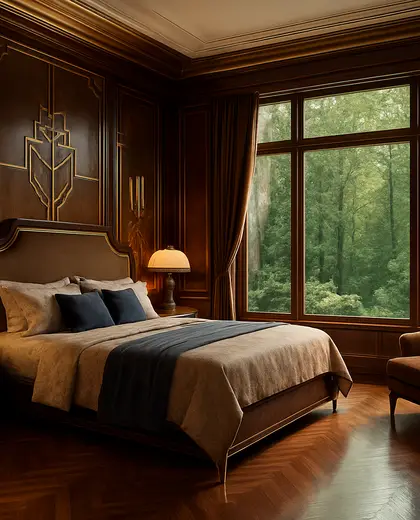
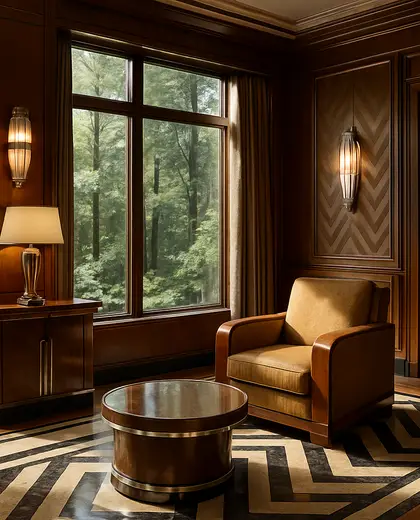
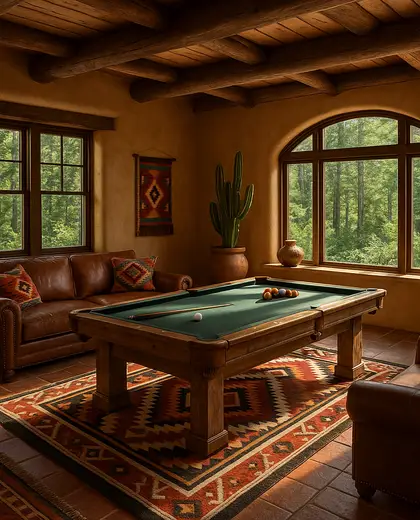
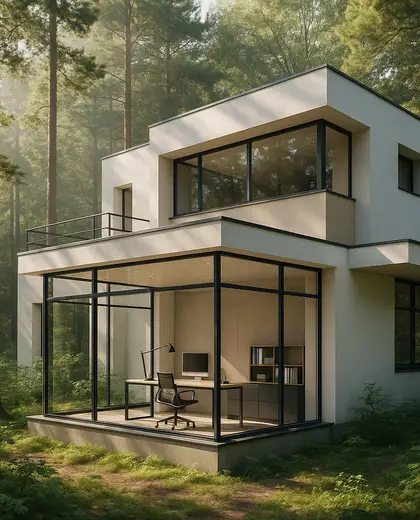
This composition is defined by a dwelling that sits within or just beside dense trees, using natural materials like timber, stone, glass, and weathered metal. The palette usually stays earthy and muted: greens, browns, charcoal, and warm neutrals that let the building recede into the landscape. Large openings, deep overhangs, and simple forms help the house frame views while staying visually tied to the woods.
- house
- forest
— References
References to explore
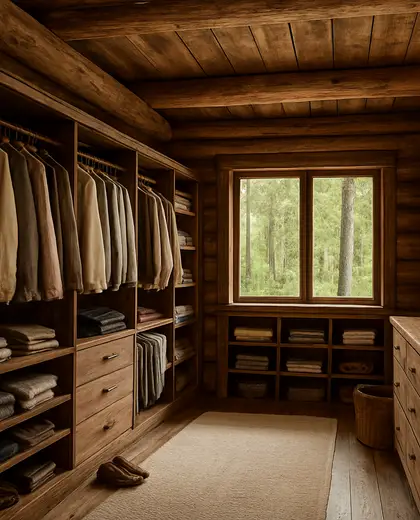
How do I make a house feel like it belongs in a forest?
Use low-contrast materials, keep the form simple, and align the building with existing trees and land contours. Minimal exterior colors and careful window placement help it settle into the setting.
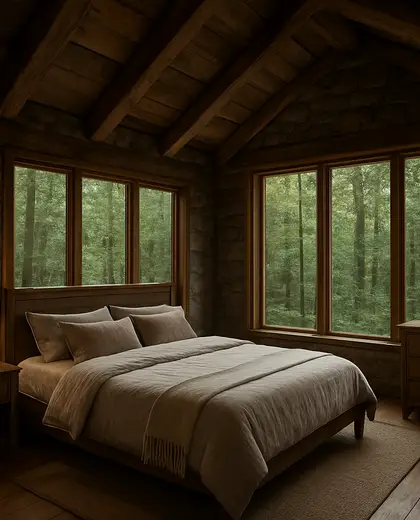
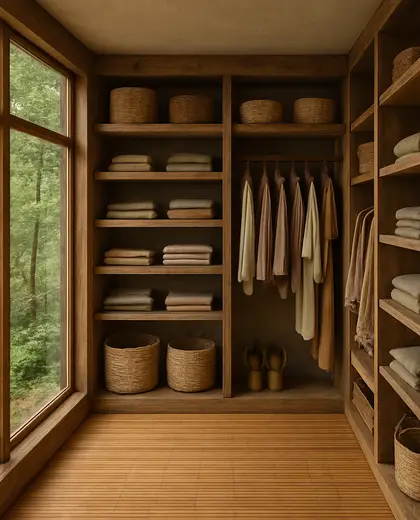
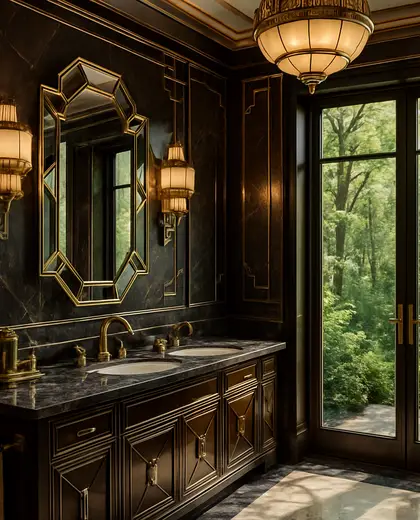
What materials work best for a forest house?
Durable natural materials usually work best, especially timber, stone, and dark metal accents. Glass is often used to open views, but it should be balanced with shading and privacy.
Does a forest setting require a dark exterior?
Not always, but darker or muted tones often help the house sit more quietly among trees. Lighter finishes can work too if they are softened with natural textures and restrained detailing.
— The style
What defines it
Timber cladding, stone bases, glass walls, and dark metal detailing are common to blend the house with the site.
Muted greens, moss, bark brown, charcoal, black, and warm beige create a quiet, forest-friendly look.
It combines residential architecture with woodland context, emphasizing privacy, natural light, and a strong connection to trees and terrain.
— Professionals
Who has already built it
- slade slade design3d renderers · Bristol · 6 projectsView profile →
- marcela tossiinterior designers · London · 6 projectsView profile →
- maria mateaarchitects · London · 7 projectsView profile →
- paquis norris group limitedbuilders · Reading · 3 projectsView profile →
— Explore
Keep exploring
— Questions
Frequently asked questions
How do I make a house feel like it belongs in a forest?
Use low-contrast materials, keep the form simple, and align the building with existing trees and land contours. Minimal exterior colors and careful window placement help it settle into the setting.
What materials work best for a forest house?
Durable natural materials usually work best, especially timber, stone, and dark metal accents. Glass is often used to open views, but it should be balanced with shading and privacy.
Does a forest setting require a dark exterior?
Not always, but darker or muted tones often help the house sit more quietly among trees. Lighter finishes can work too if they are softened with natural textures and restrained detailing.