— Ideas & inspiration
Children's Bedroom
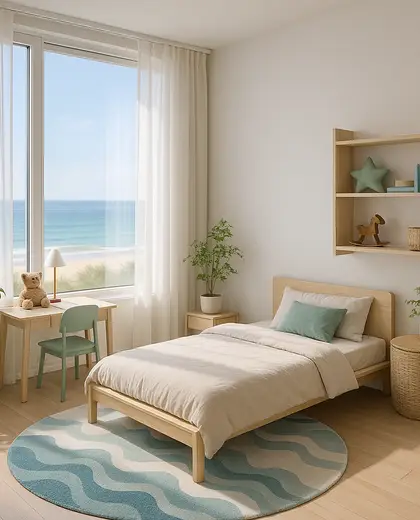
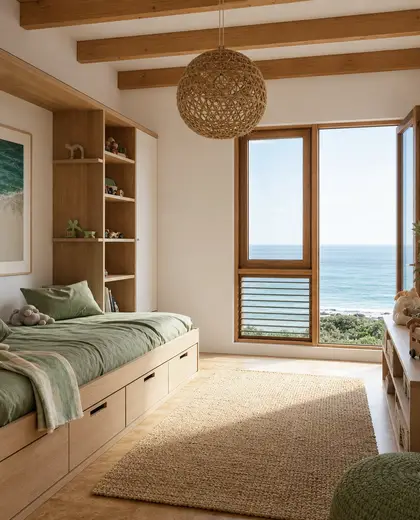
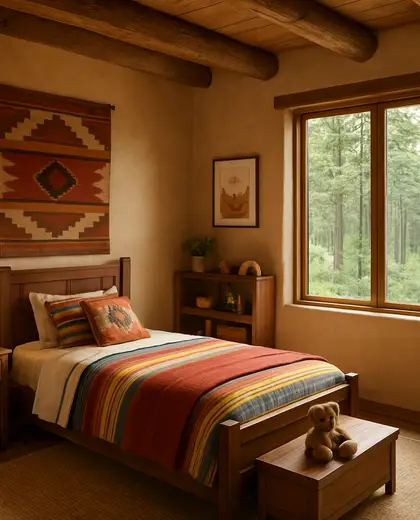
A children’s bedroom is typically defined by durable, easy-to-clean surfaces, soft textiles, and furniture scaled to a smaller user. The palette often uses light neutrals with gentle color accents, while the room includes a bed, storage, and a play or study area arranged for safety and flexibility.
- children's bedroom

— References
References to explore

What makes a children’s bedroom different from a regular bedroom?
It usually prioritizes safety, storage, and adaptability. Furniture is smaller or adjustable, finishes are more durable, and the layout often leaves open space for play.

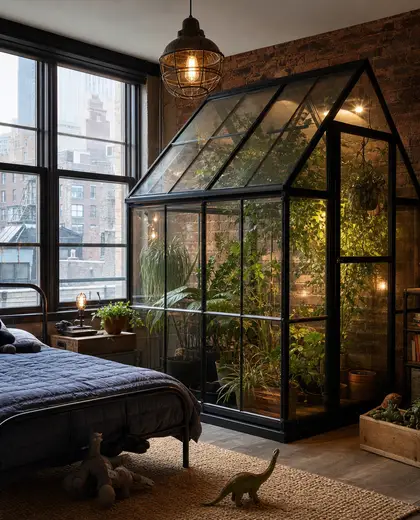

What materials work best in a children’s bedroom?
Surfaces that can be wiped clean and hold up to wear are best, such as painted wood, laminate, and washable textiles. A soft rug can help, but it should be easy to clean and not overly thick.
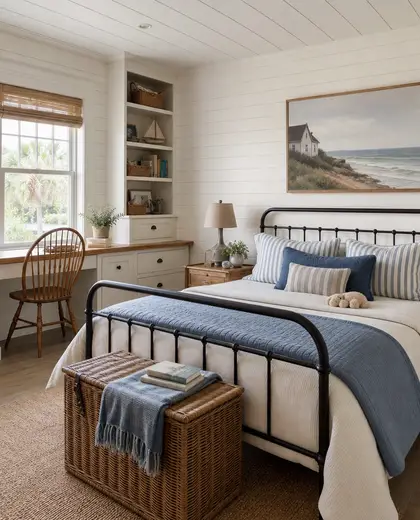



How should I choose the color palette?
A calm base with a few accent colors usually works best. Light neutrals keep the room flexible as the child grows, while accents can be changed through bedding, art, and accessories.
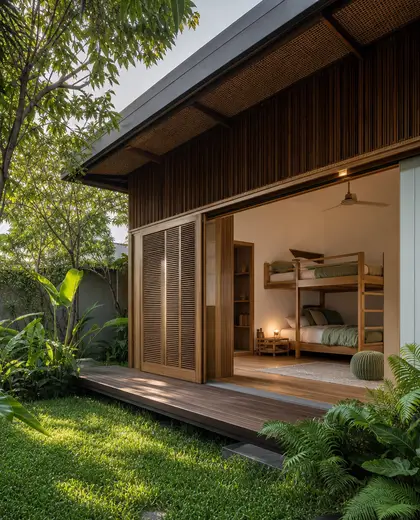

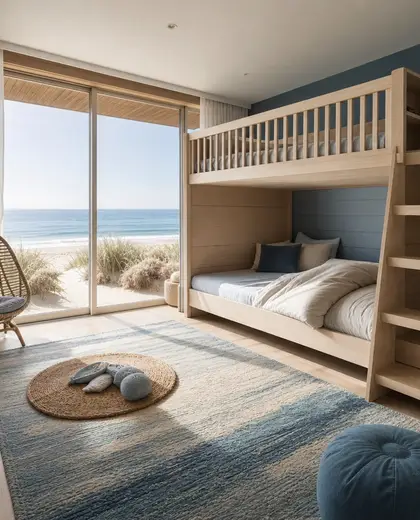


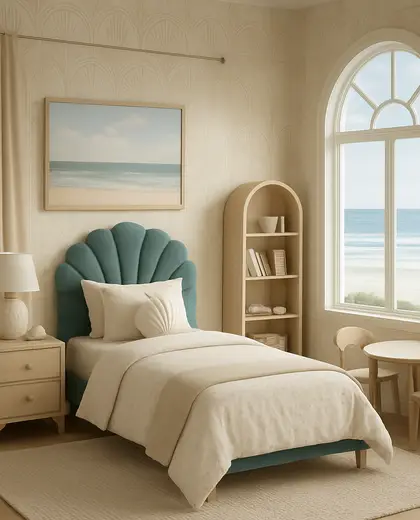
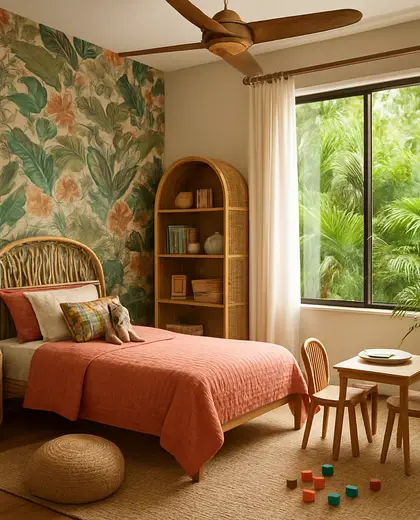
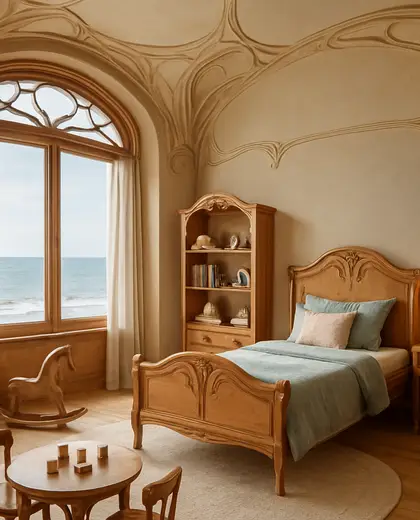

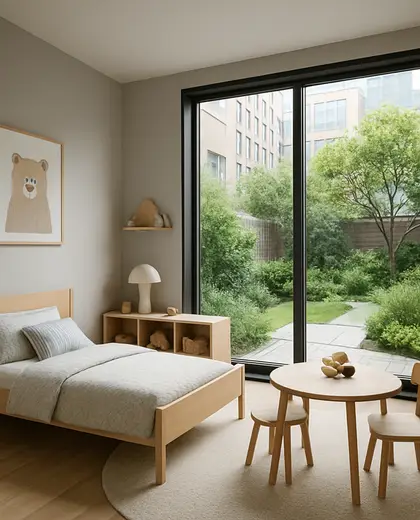

— The style
What defines it
Painted wood, laminate, washable fabrics, cork, and low-pile rugs are common because they handle daily use and are easy to maintain.
Soft neutrals, pastels, and muted primary colors are often used, usually balanced with white or light wood to keep the room calm.
Built-in storage, reading corners, desks, blackout curtains, and floor cushions work well in a children’s bedroom.
— Professionals
Who has already built it
- vorbild architecturearchitects · 6 projectsView profile →
- kerem erbagci3d renderers · London · 9 projectsView profile →
- paquis norris group limitedbuilders · Reading · 3 projectsView profile →
- LoftRobejoiners · Guildford · 4 projectsView profile →
— Explore
Keep exploring
— Questions
Frequently asked questions
What makes a children’s bedroom different from a regular bedroom?
It usually prioritizes safety, storage, and adaptability. Furniture is smaller or adjustable, finishes are more durable, and the layout often leaves open space for play.
What materials work best in a children’s bedroom?
Surfaces that can be wiped clean and hold up to wear are best, such as painted wood, laminate, and washable textiles. A soft rug can help, but it should be easy to clean and not overly thick.
How should I choose the color palette?
A calm base with a few accent colors usually works best. Light neutrals keep the room flexible as the child grows, while accents can be changed through bedding, art, and accessories.