— Ideas & inspiration
Modern composition
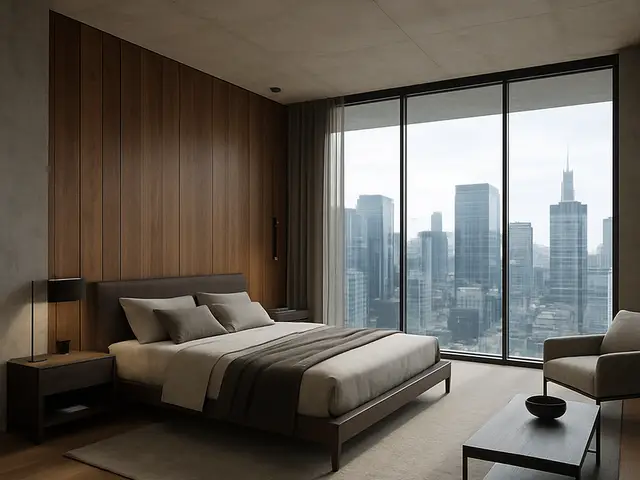
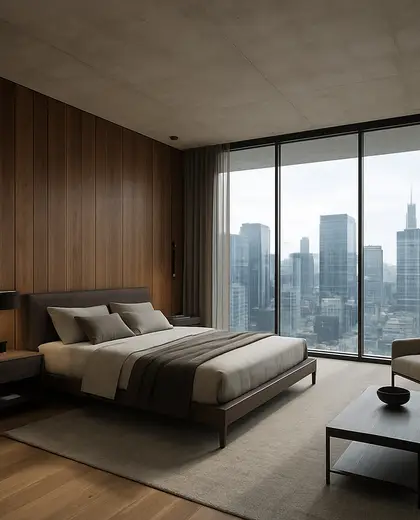
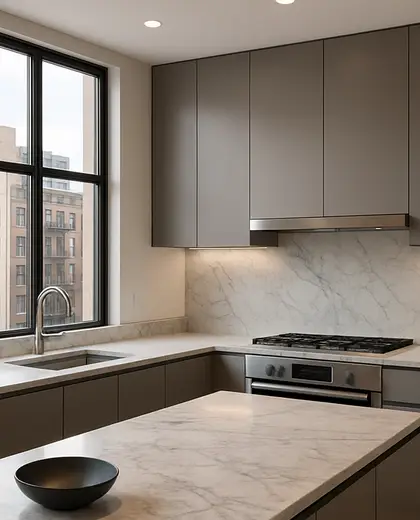
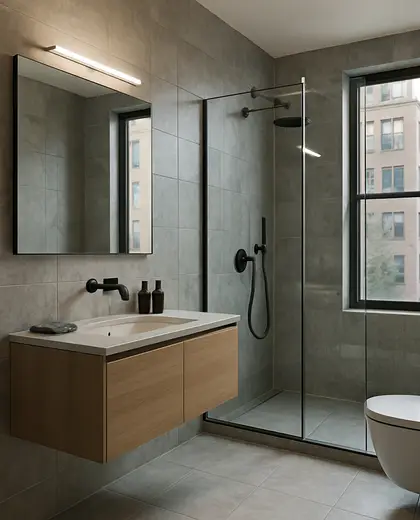
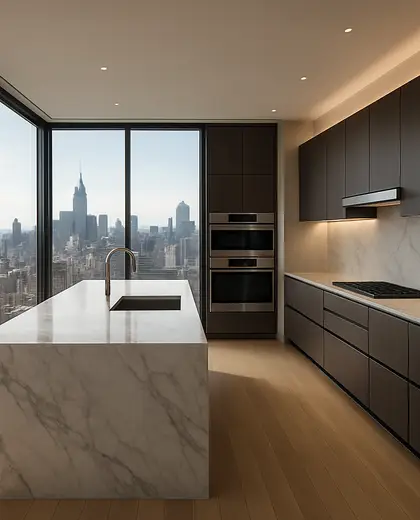
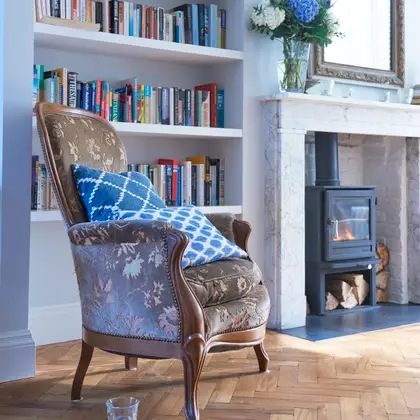
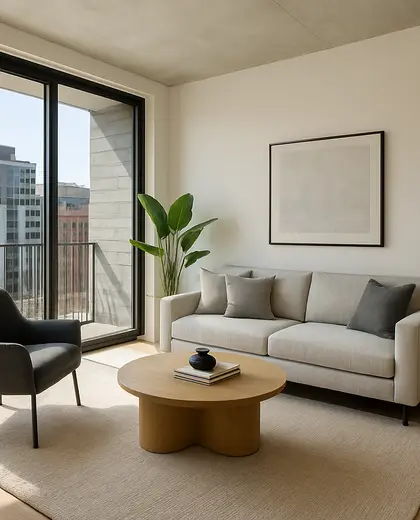
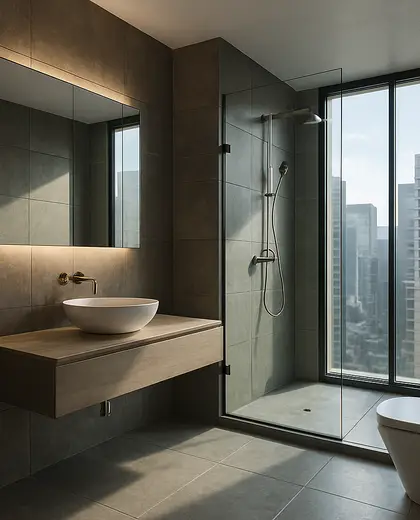
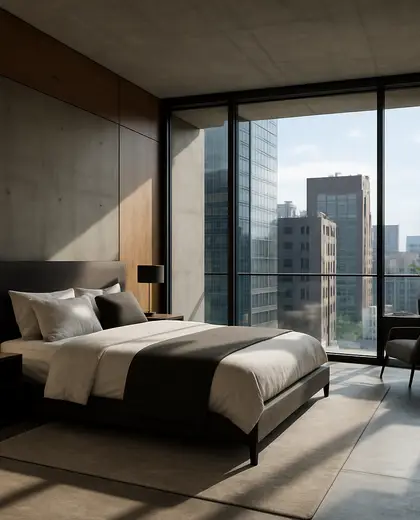
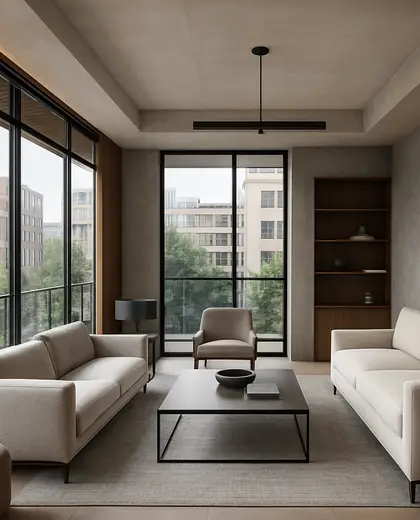
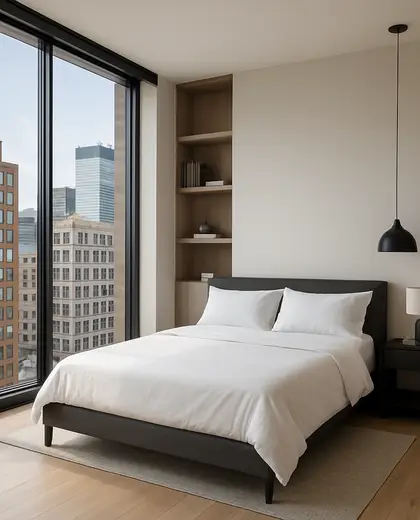
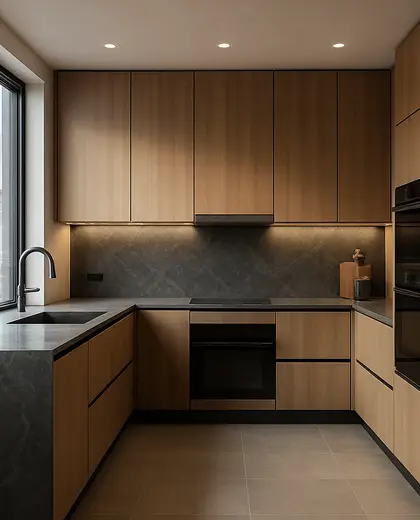
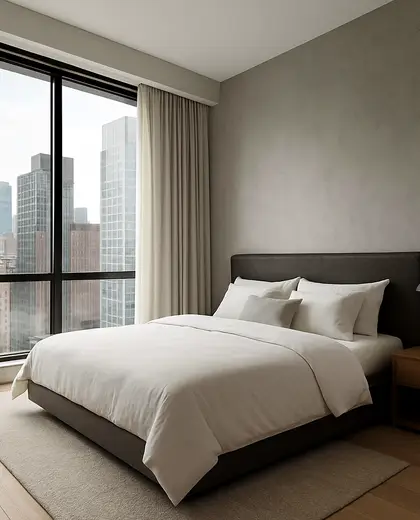
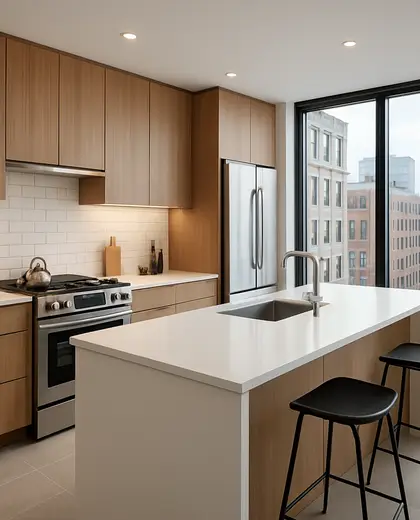
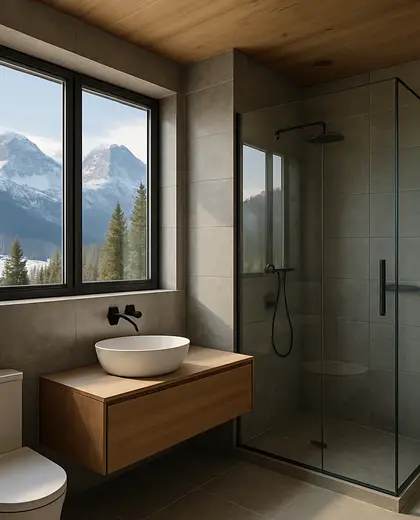
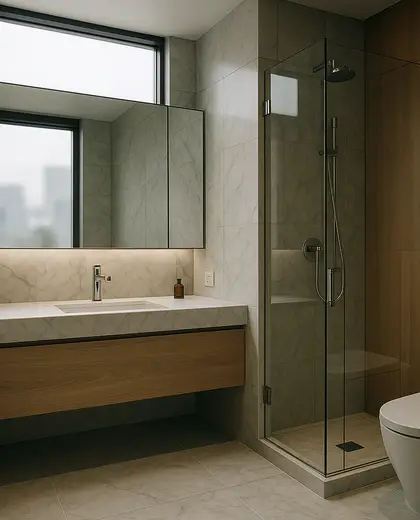
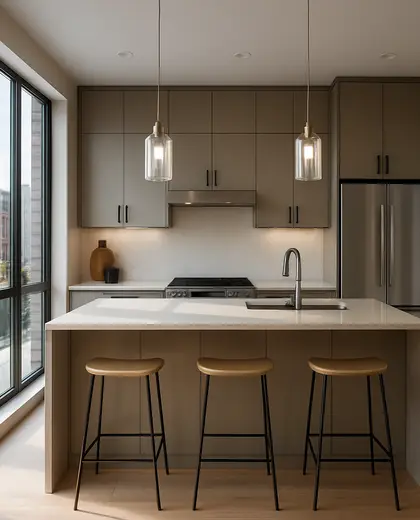
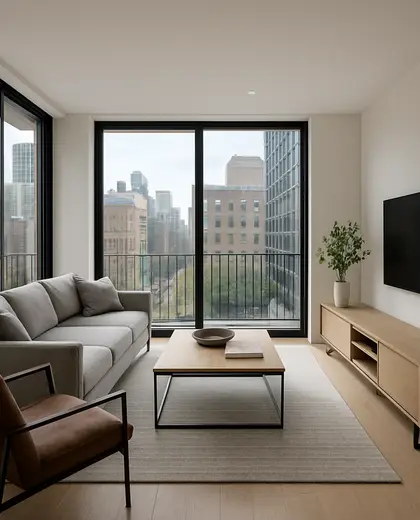
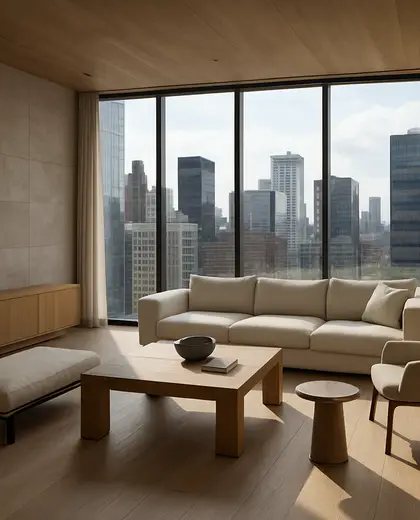
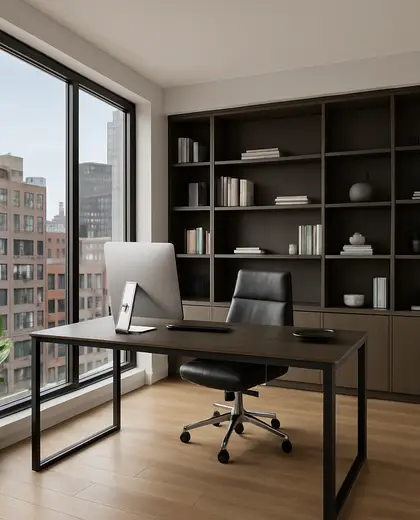
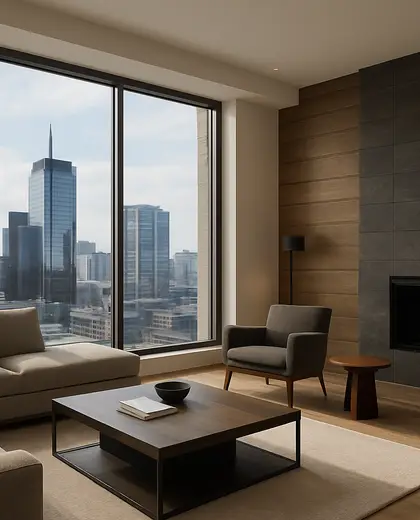
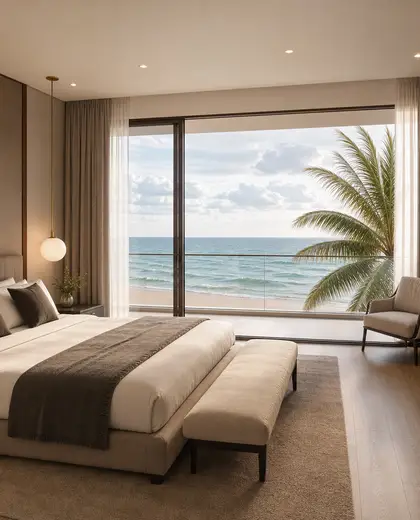
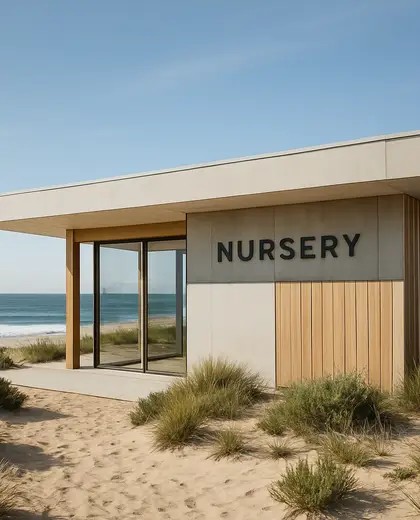
Modern composition is defined by clean lines, simple forms, and a restrained mix of materials such as glass, steel, polished concrete, and smooth wood veneers. The palette is usually neutral, with white, black, grey, and warm natural tones used to keep spaces calm and uncluttered. Its defining elements are open layouts, minimal detailing, and large surfaces that emphasize light and proportion.
- modern
— References
References to explore
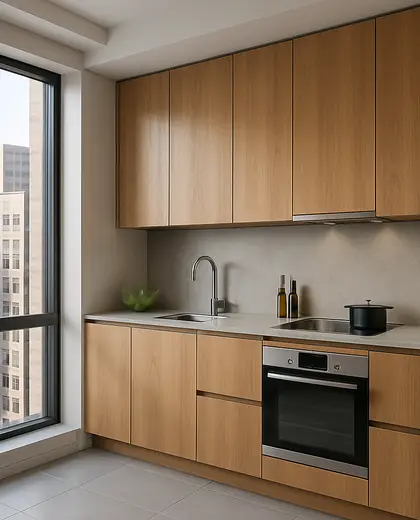
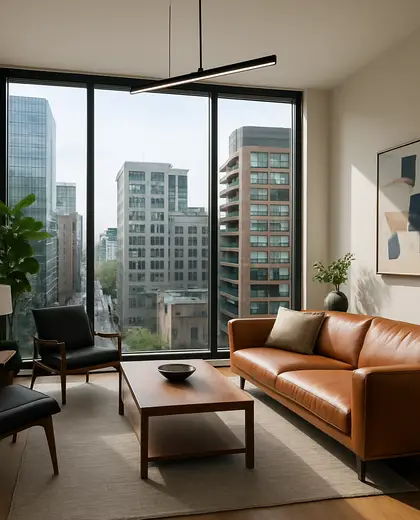
What makes a home feel modern rather than just simple?
Modern design usually uses stronger geometry, fewer decorative details, and materials like steel, glass, and concrete alongside clean-lined wood finishes. Simplicity is part of it, but the proportions and crisp surfaces are what make it read as modern.
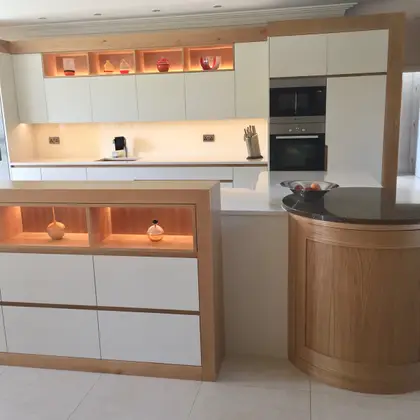
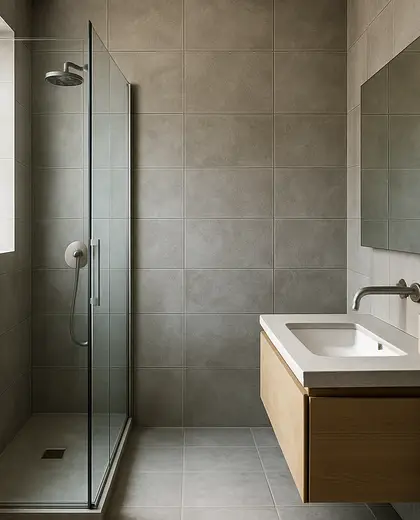
Can modern composition still feel warm?
Yes. Warmth usually comes from wood, textured textiles, softer lighting, and a balanced neutral palette rather than from ornament. Without those elements, modern spaces can feel very cool or stark.
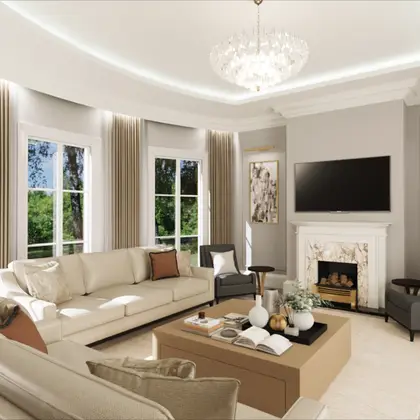
Does modern composition work in small homes?
It can, because the style favors uncluttered layouts and light-reflecting surfaces. In small homes, keeping finishes consistent and reducing visual breaks usually helps the space feel more open.
— The style
What defines it
Glass, steel, concrete, smooth timber, stone, and matte painted finishes.
White, black, grey, beige, and muted natural wood tones, often with low-contrast accents.
Works well with open-plan layouts, flat-front cabinetry, slim profiles, and large windows.
— Professionals
Who has already built it
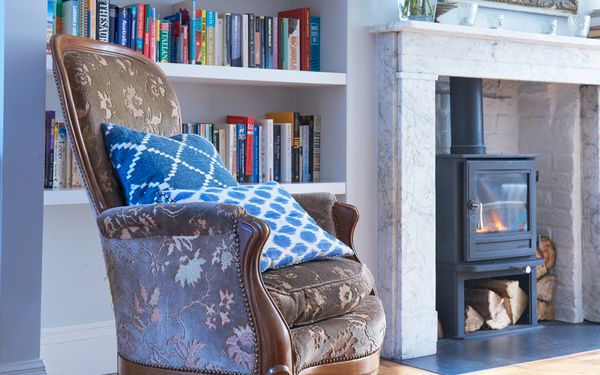

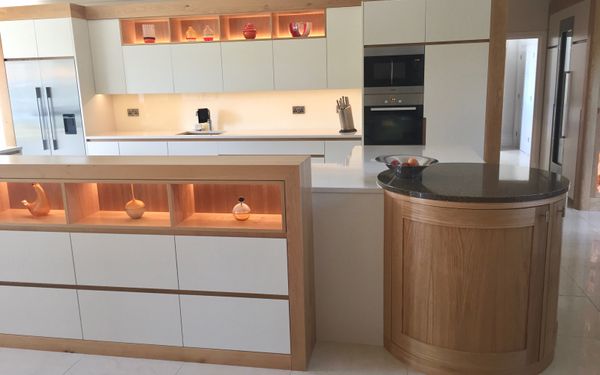

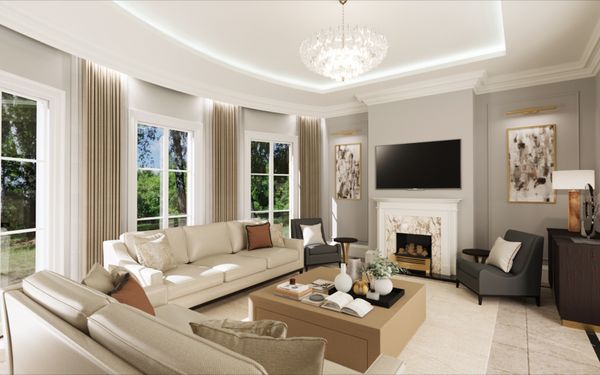

- LoftRobejoiners · Guildford · 4 projectsView profile →
- Beneito Faurelighting designers · 2 projectsView profile →
- Lusso Stonetile suppliers · Stocktonontees · 7 projectsView profile →
- marcela tossiinterior designers · London · 6 projectsView profile →
— Explore
Keep exploring
— Questions
Frequently asked questions
What makes a home feel modern rather than just simple?
Modern design usually uses stronger geometry, fewer decorative details, and materials like steel, glass, and concrete alongside clean-lined wood finishes. Simplicity is part of it, but the proportions and crisp surfaces are what make it read as modern.
Can modern composition still feel warm?
Yes. Warmth usually comes from wood, textured textiles, softer lighting, and a balanced neutral palette rather than from ornament. Without those elements, modern spaces can feel very cool or stark.
Does modern composition work in small homes?
It can, because the style favors uncluttered layouts and light-reflecting surfaces. In small homes, keeping finishes consistent and reducing visual breaks usually helps the space feel more open.