— Ideas & inspiration
Terrace
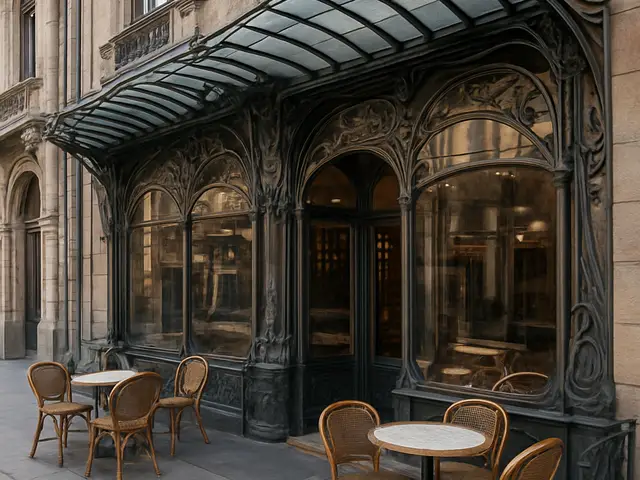
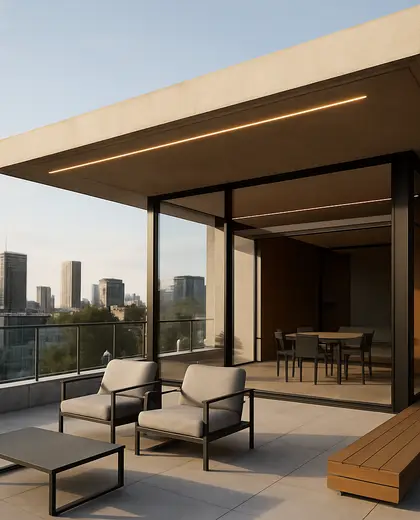
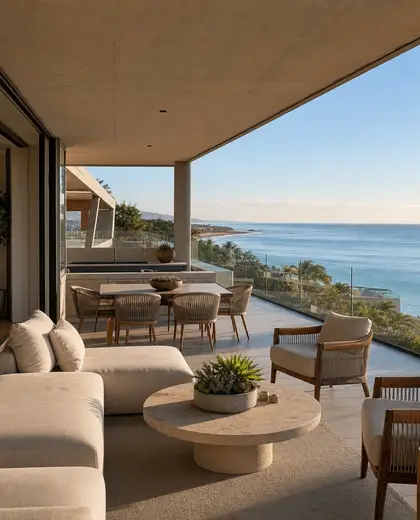
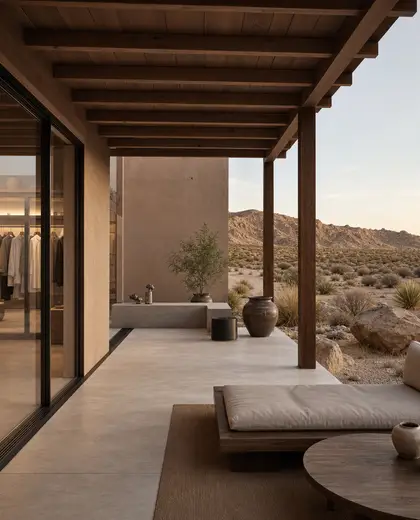
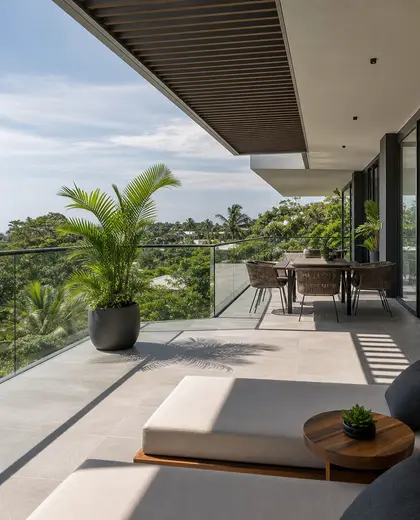
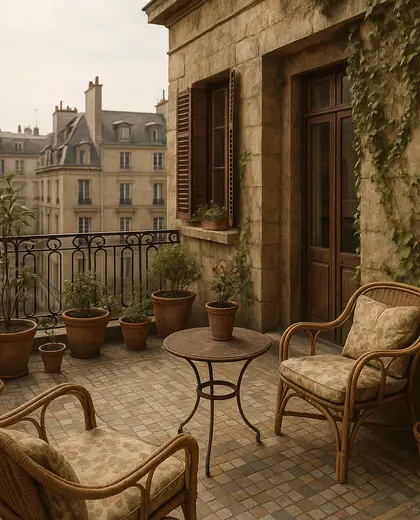
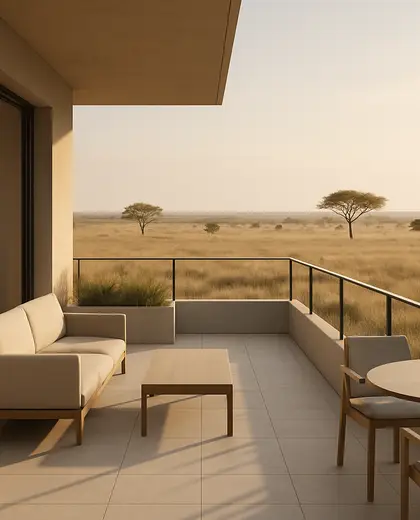
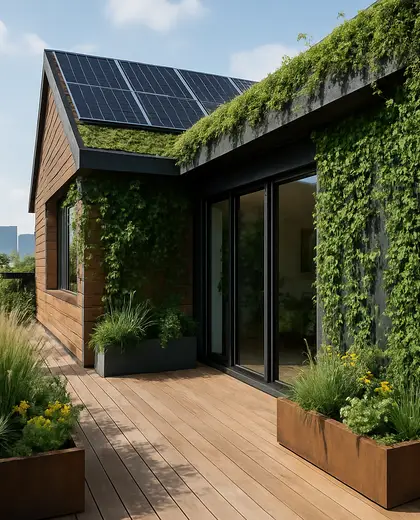
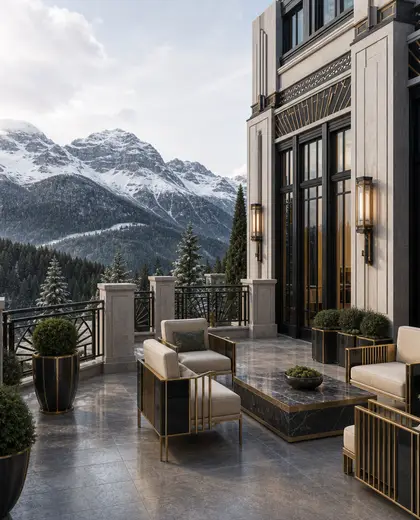
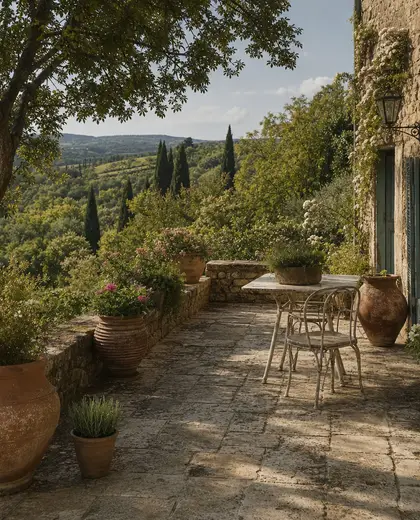
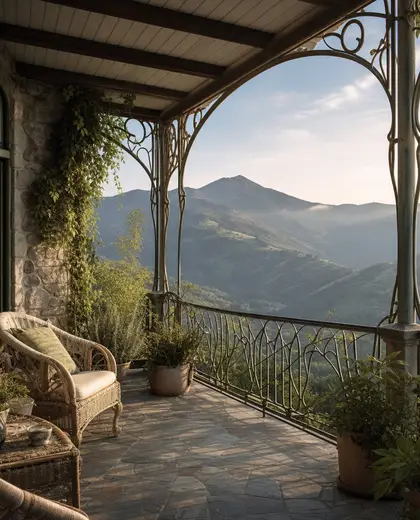
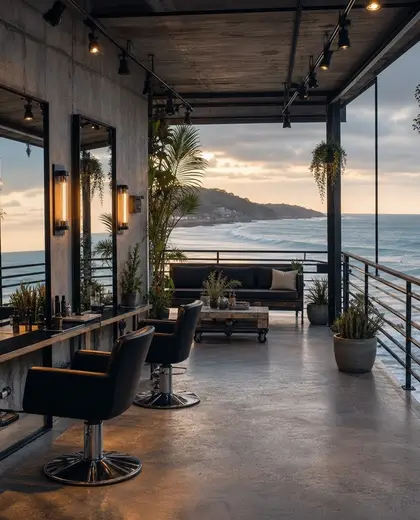
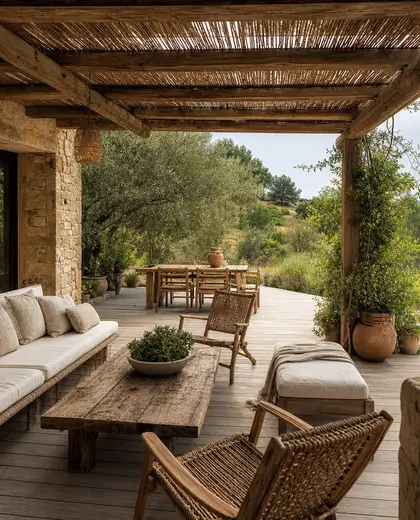
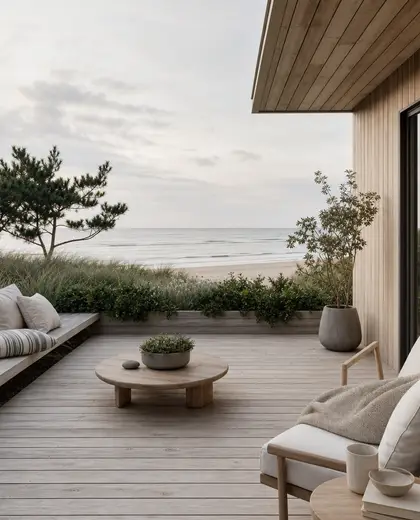
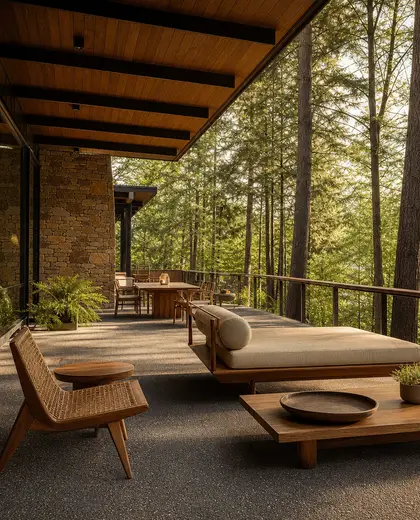
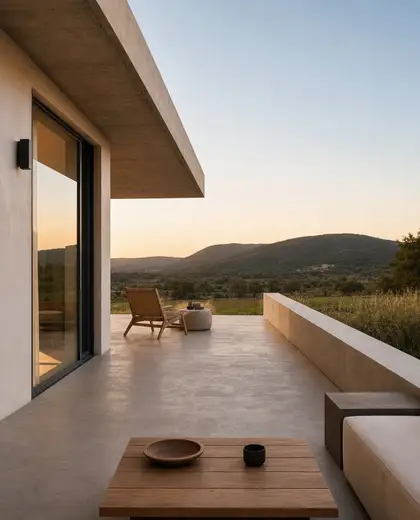
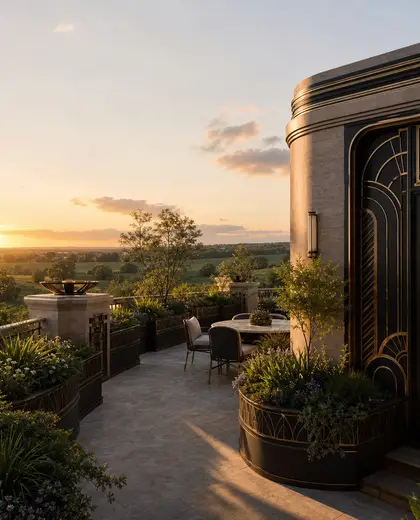
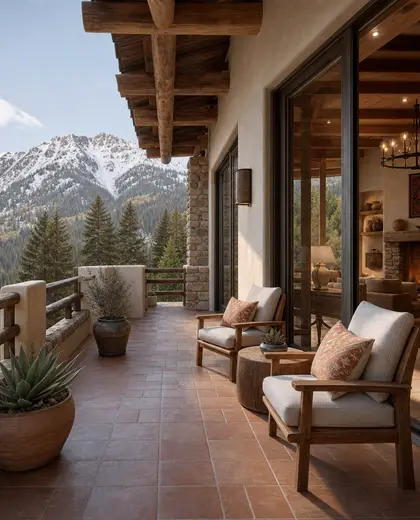
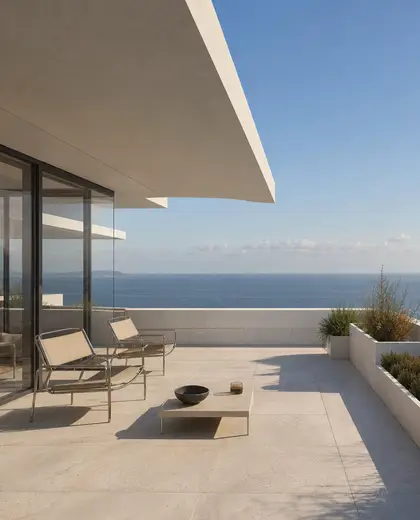
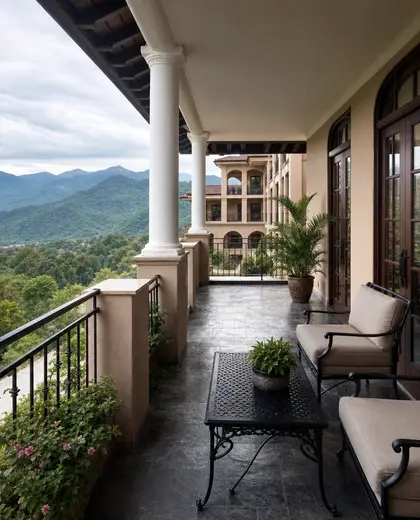
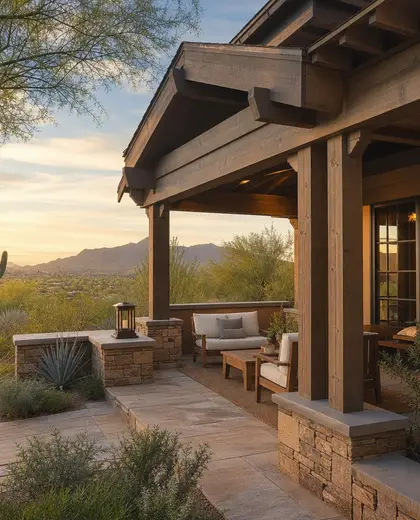
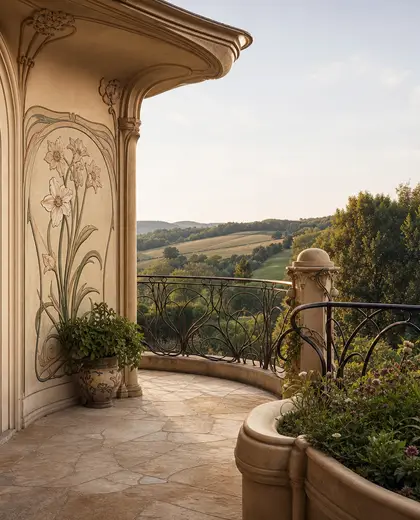
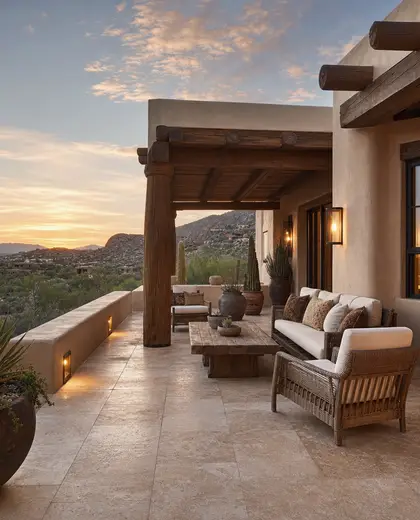
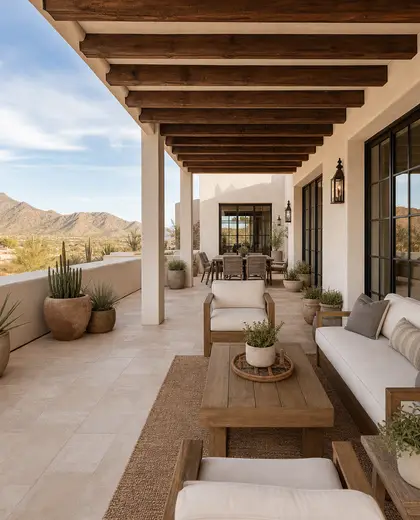
A terrace is defined by a hard-wearing outdoor floor plane, usually in stone, concrete, ceramic pavers, or timber decking, with clean edges and weather-resistant finishes. Its palette is typically grounded in neutral earth tones, greys, sand, and muted wood tones, chosen to sit between the house and the landscape. Railings, planters, seating, shade structures, and low retaining walls are the elements that give it shape and use.
- terrace
— References
References to explore
What makes a terrace different from a balcony or patio?
A terrace is usually a larger outdoor surface that sits at ground level, on a roof, or on a raised platform, and it is defined by its hardscape and direct use for outdoor living. A balcony is attached to an upper floor and projects from the facade, while a patio is typically a ground-level paved outdoor area.
Which materials hold up best on a terrace?
Durable, weather-resistant surfaces work best, such as natural stone, concrete, porcelain pavers, treated timber, and outdoor-rated metal details. The right choice depends on sun exposure, drainage, slip resistance, and how much maintenance you want to accept.
What should I think about when designing a terrace?
Focus on drainage, sun and wind exposure, privacy, and how the terrace connects to the rooms inside. Furniture layout, shade, lighting, and planter placement also matter because they determine how usable the space feels day to day.
— The style
What defines it
Stone, poured concrete, ceramic pavers, timber decking, metal railings, and exterior-grade joinery are the most common choices.
Neutral and natural tones work best: grey, beige, off-white, charcoal, terracotta, and weathered wood finishes.
Terraces pair well with gardens, courtyards, pools, sliding glass openings, pergolas, and outdoor kitchens.
— Professionals
Who has already built it

- LoftRobejoiners · Guildford · 4 projectsView profile →
- Beneito Faurelighting designers · 2 projectsView profile →
- Lusso Stonetile suppliers · Stocktonontees · 7 projectsView profile →
- paquis norris group limitedbuilders · Reading · 3 projectsView profile →
— Explore
Keep exploring
— Questions
Frequently asked questions
What makes a terrace different from a balcony or patio?
A terrace is usually a larger outdoor surface that sits at ground level, on a roof, or on a raised platform, and it is defined by its hardscape and direct use for outdoor living. A balcony is attached to an upper floor and projects from the facade, while a patio is typically a ground-level paved outdoor area.
Which materials hold up best on a terrace?
Durable, weather-resistant surfaces work best, such as natural stone, concrete, porcelain pavers, treated timber, and outdoor-rated metal details. The right choice depends on sun exposure, drainage, slip resistance, and how much maintenance you want to accept.
What should I think about when designing a terrace?
Focus on drainage, sun and wind exposure, privacy, and how the terrace connects to the rooms inside. Furniture layout, shade, lighting, and planter placement also matter because they determine how usable the space feels day to day.