— Ideas & inspiration
Minimalist composition
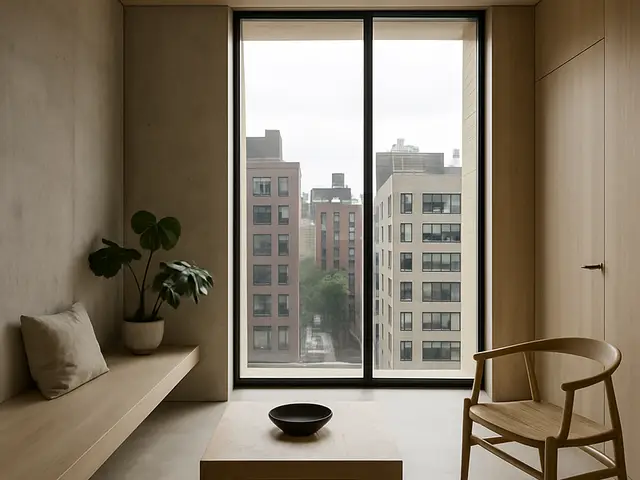
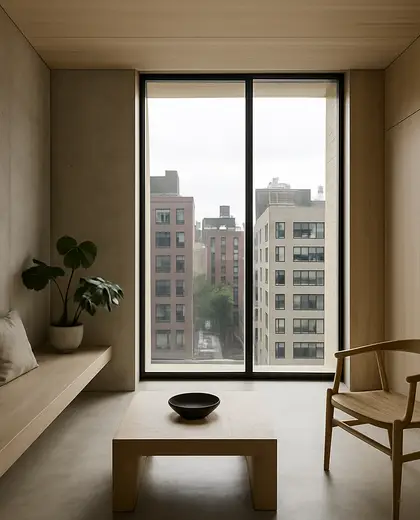
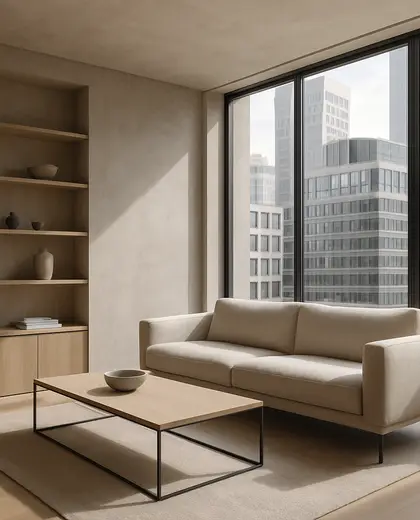
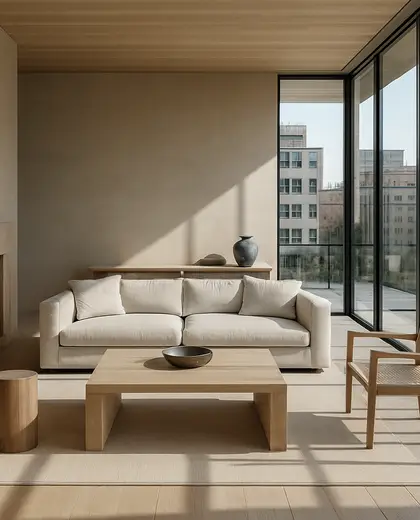
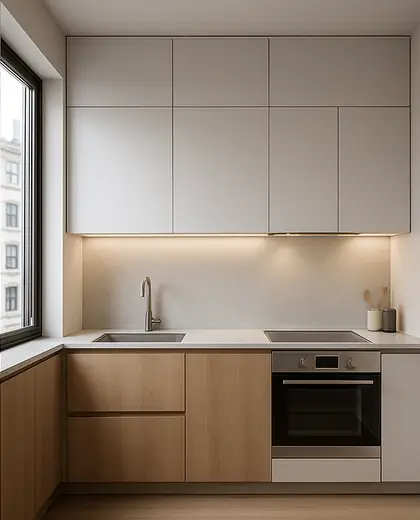
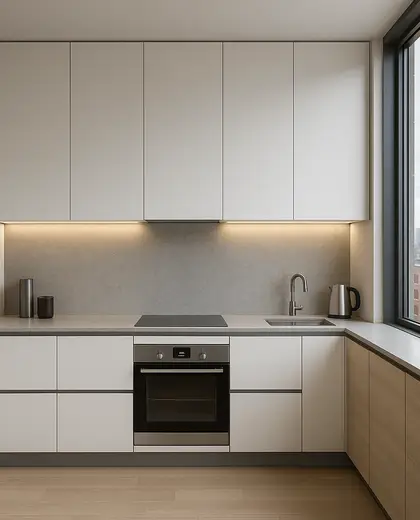
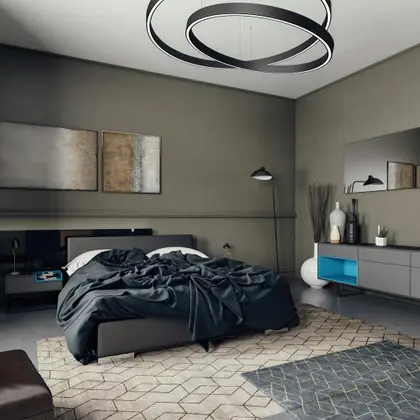
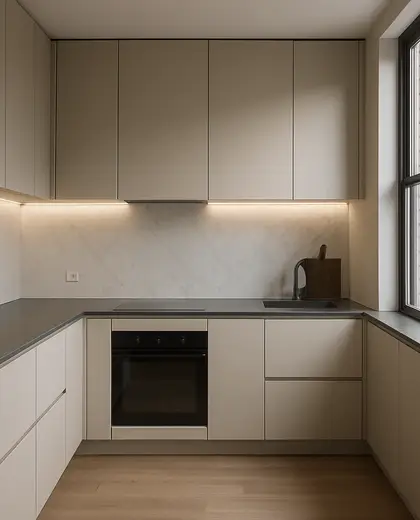
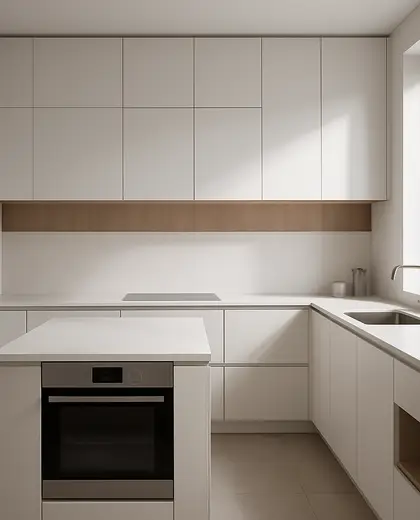
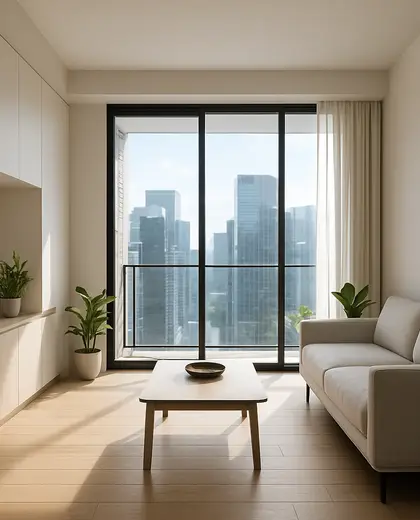
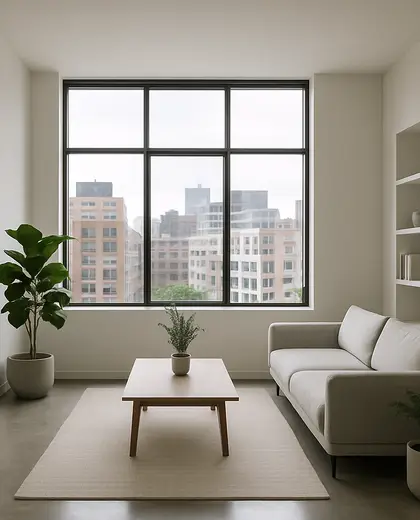
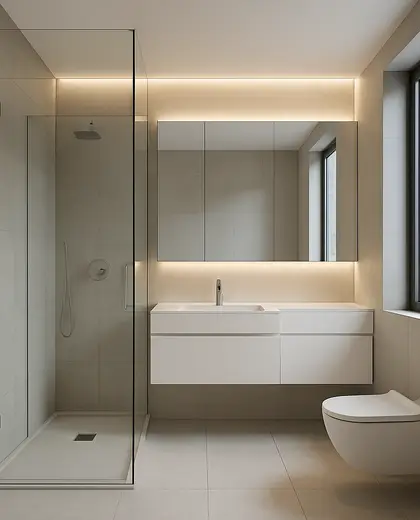
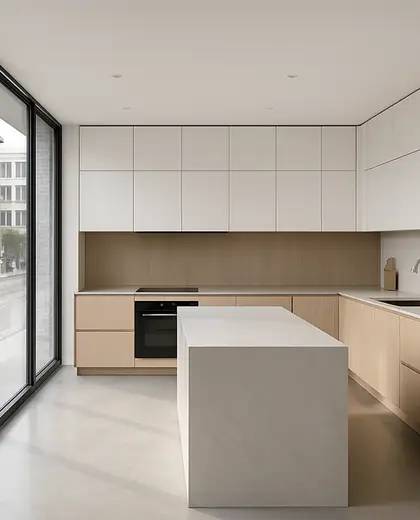
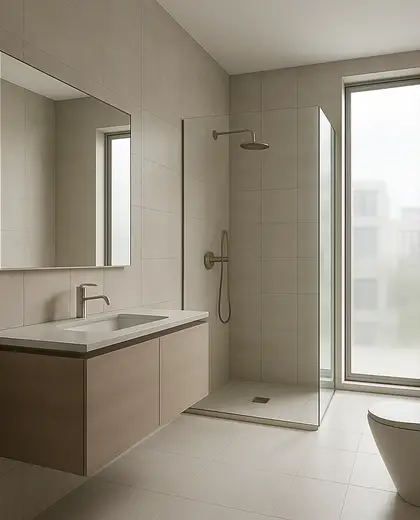
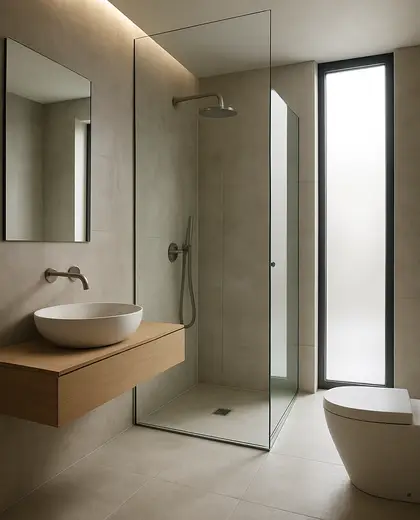
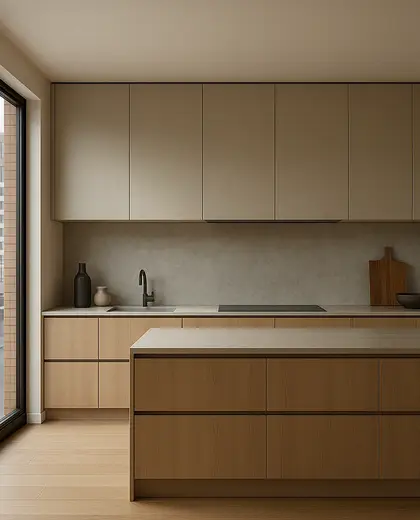
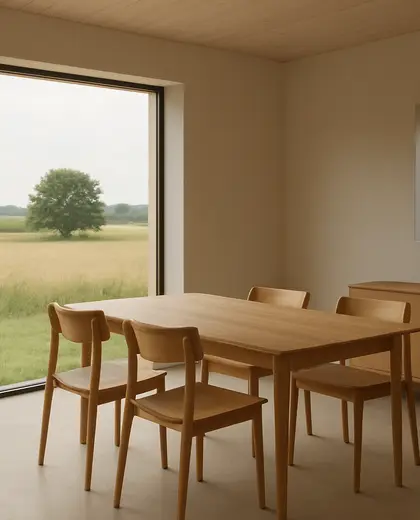
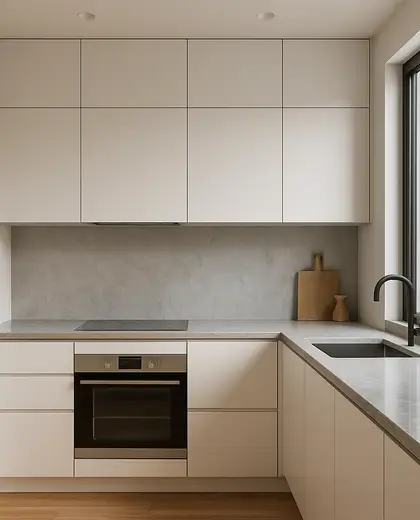
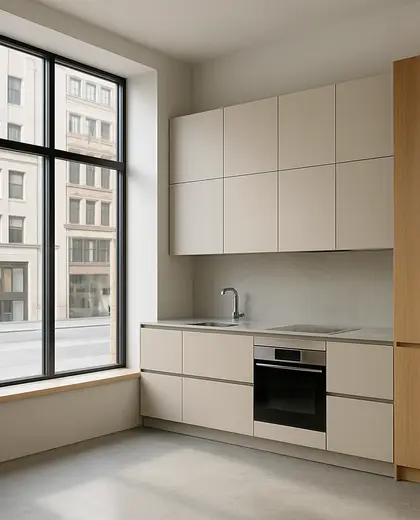
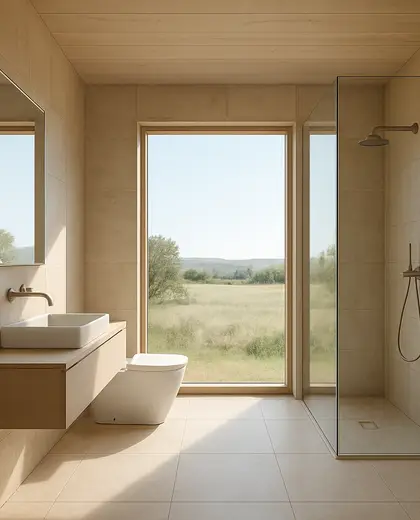
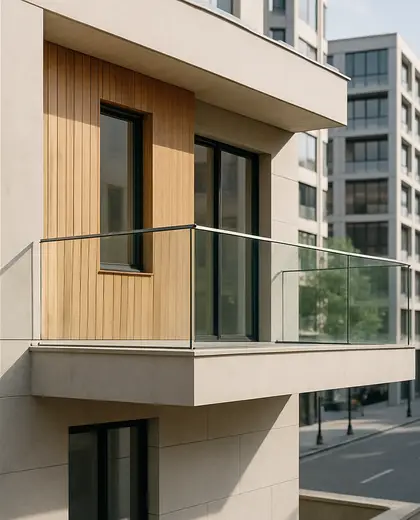
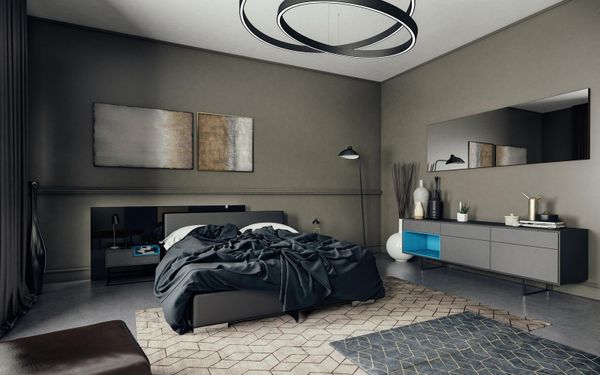
Minimalist composition is defined by clear geometry, reduced detailing, and a restrained use of materials. It typically relies on smooth plaster, concrete, glass, steel, and natural wood, with an emphasis on open space and clean lines. The palette is usually neutral and quiet, using white, grey, black, and muted earth tones.
- minimalist
— References
References to explore
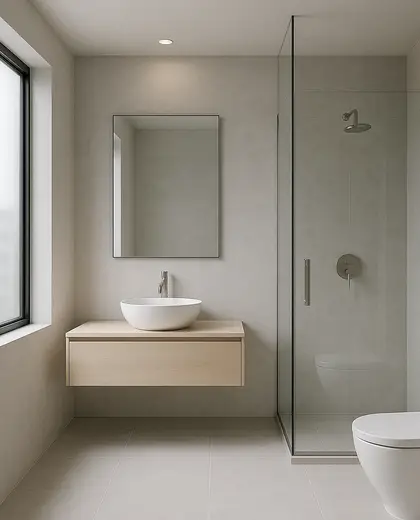
Does a minimalist interior have to feel cold?
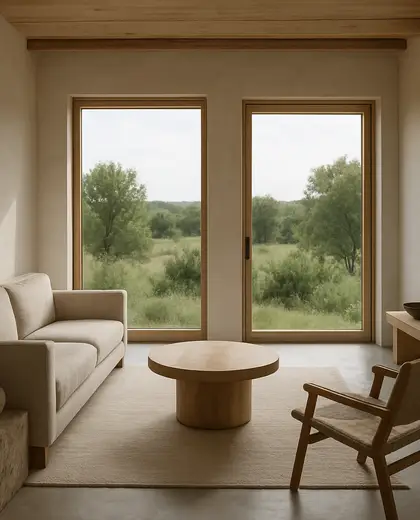
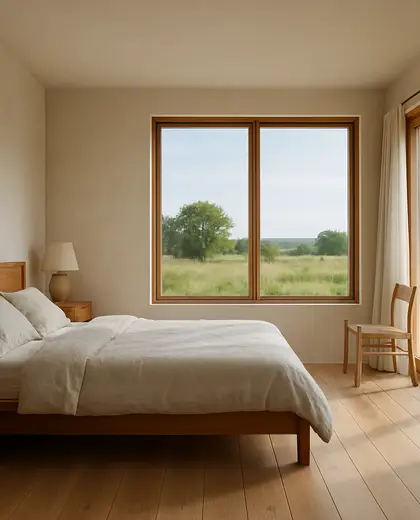
No. It can feel warm if you use wood, soft textiles, good lighting, and a few carefully chosen surfaces with texture.
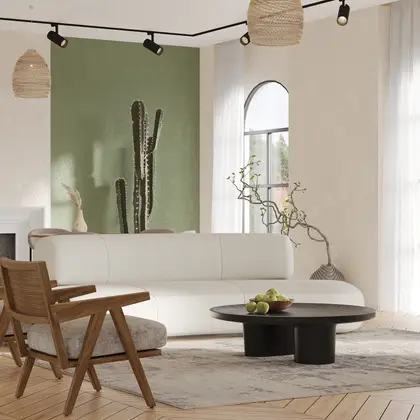
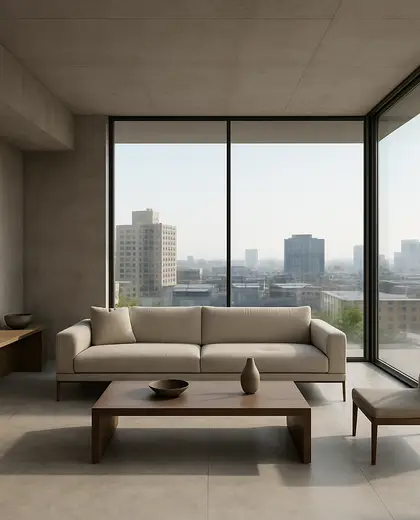
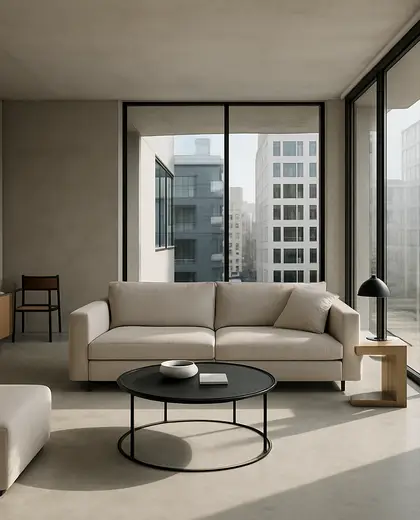
What kind of furniture suits this style?
Furniture should be simple in shape, low in visual weight, and free of ornate details. Pieces with straight lines and subtle materials usually fit best.
Is minimalist composition hard to maintain?
It can be easier to keep visually calm, but it depends on storage and detailing. Built-ins and concealed clutter help the space stay consistent.
— The style
What defines it
Plaster, concrete, glass, steel, and light-toned wood are common, often left with simple, honest finishes.
Mostly white, grey, black, and soft beige, with low contrast and very few decorative accents.
Works well with natural light, built-in storage, hidden joinery, and open-plan layouts.
— Professionals
Who has already built it
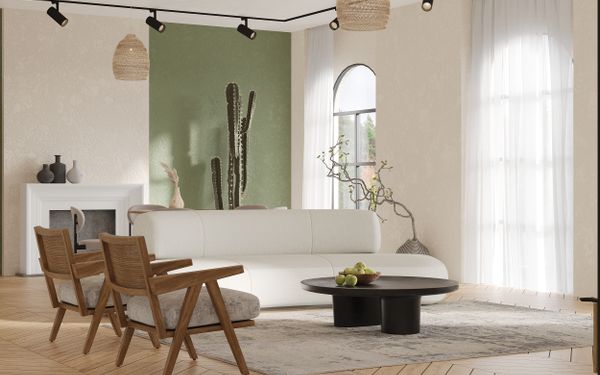


- paquis norris group limitedbuilders · Reading · 3 projectsView profile →
- LoftRobejoiners · Guildford · 4 projectsView profile →
- Beneito Faurelighting designers · 2 projectsView profile →
- Lusso Stonetile suppliers · Stocktonontees · 7 projectsView profile →
— Explore
Keep exploring
— Questions
Frequently asked questions
Does a minimalist interior have to feel cold?
No. It can feel warm if you use wood, soft textiles, good lighting, and a few carefully chosen surfaces with texture.
What kind of furniture suits this style?
Furniture should be simple in shape, low in visual weight, and free of ornate details. Pieces with straight lines and subtle materials usually fit best.
Is minimalist composition hard to maintain?
It can be easier to keep visually calm, but it depends on storage and detailing. Built-ins and concealed clutter help the space stay consistent.