— Ideas & inspiration
Dining room
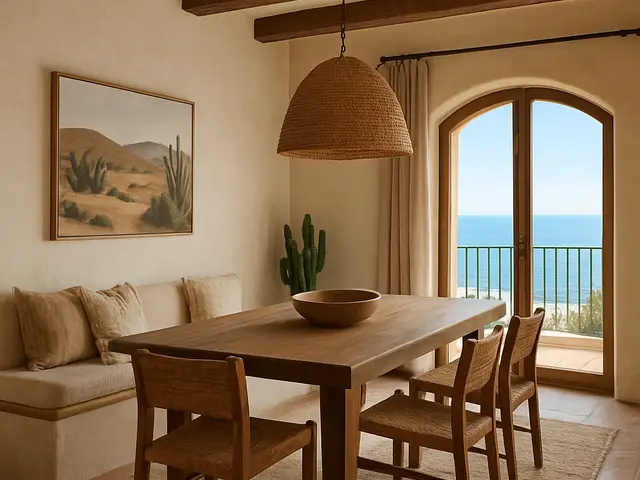
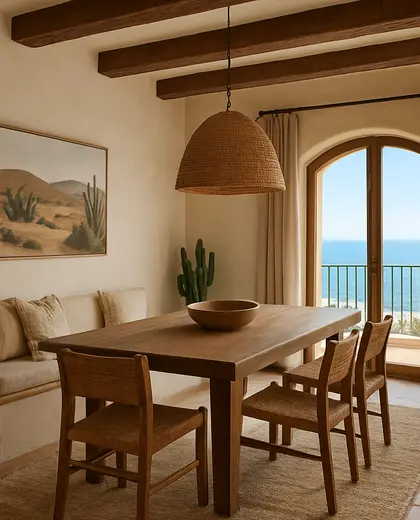
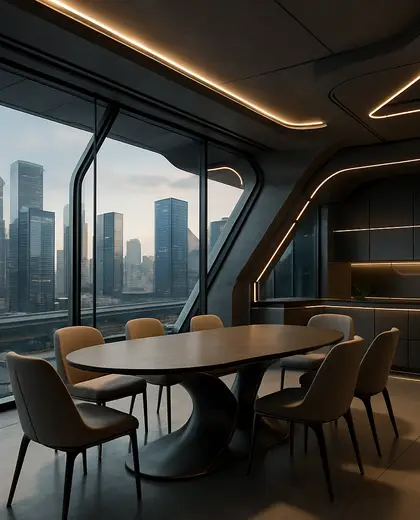
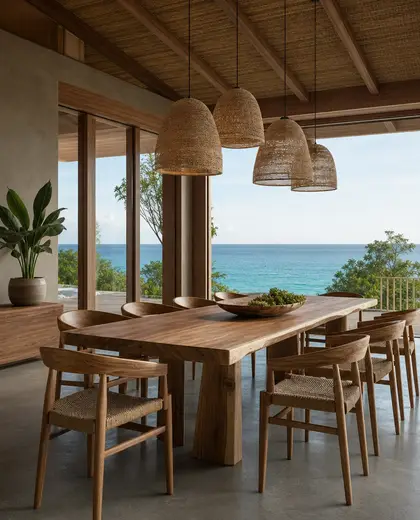
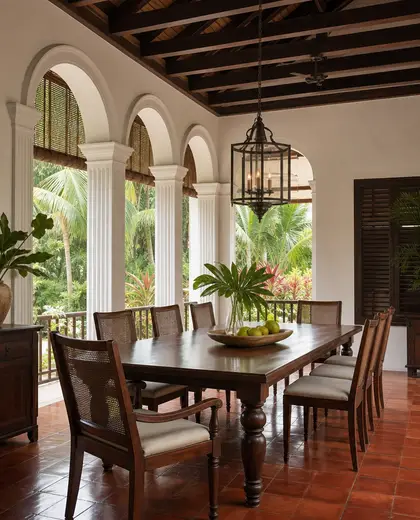
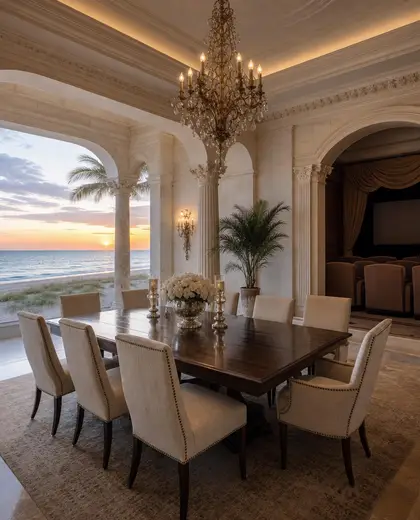
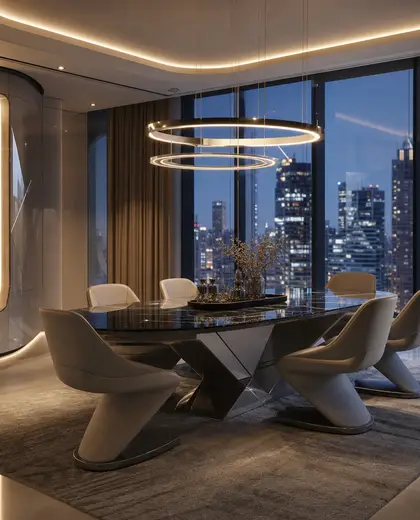
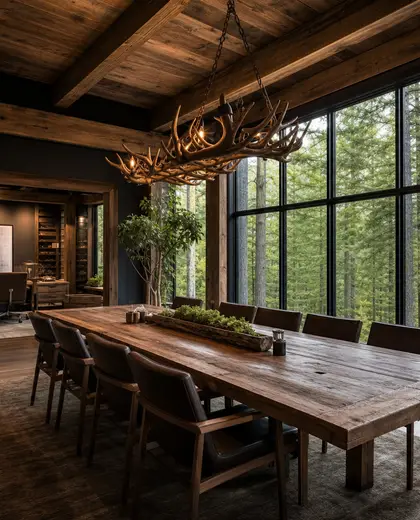
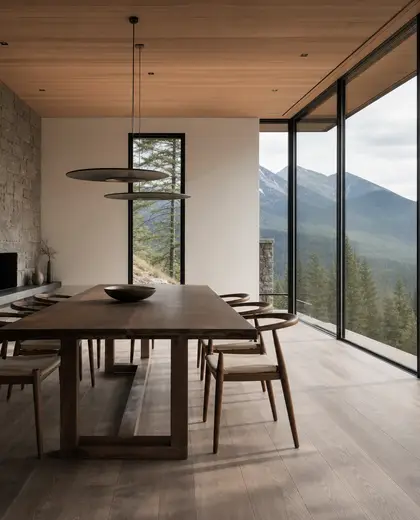
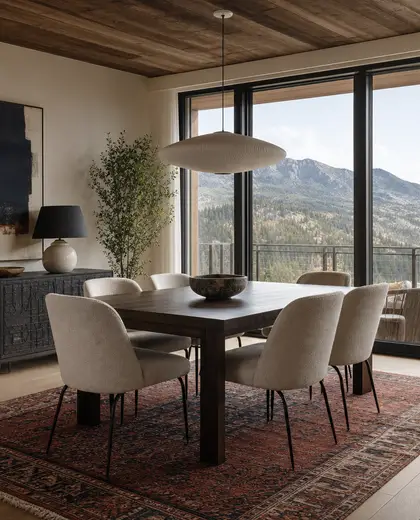
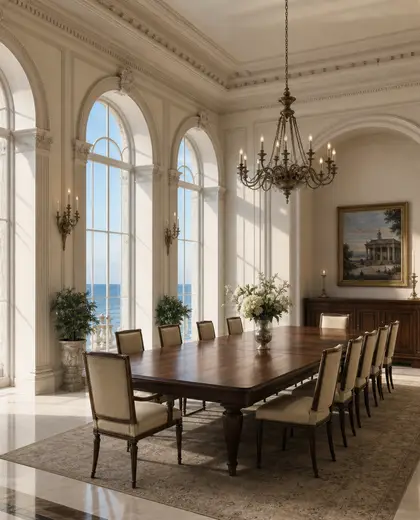
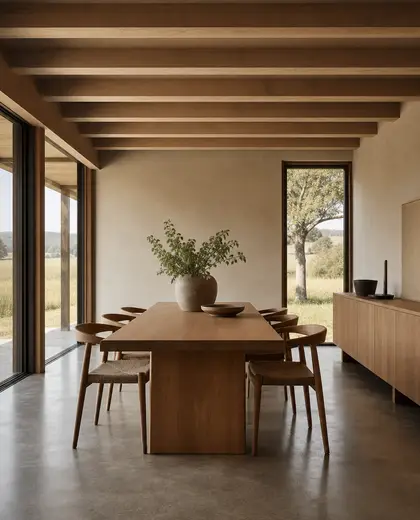
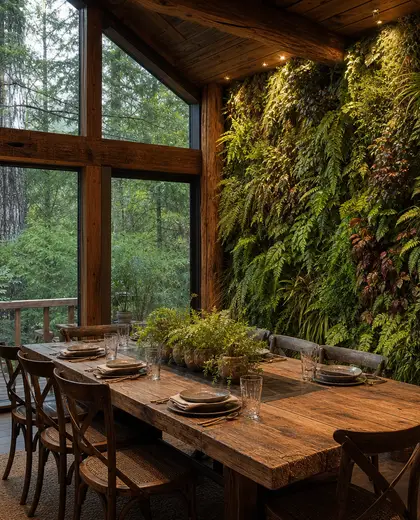
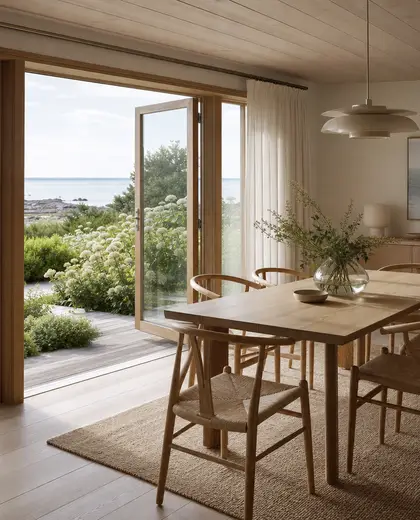
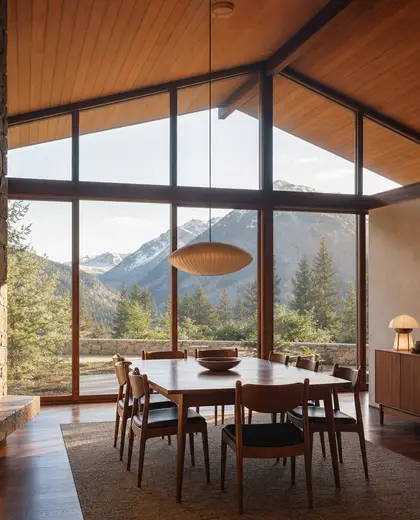
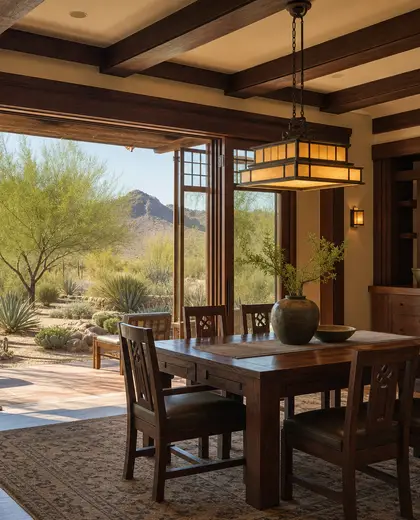
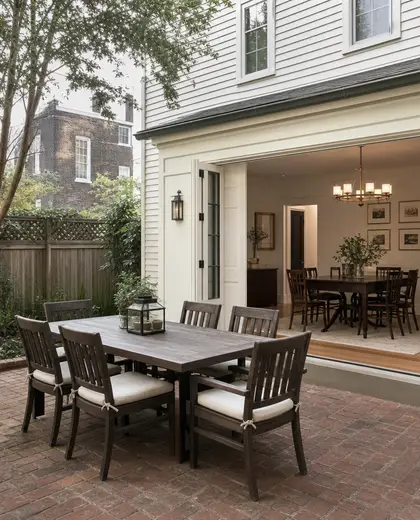
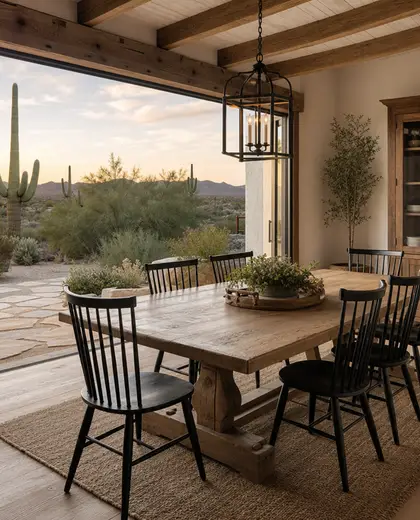
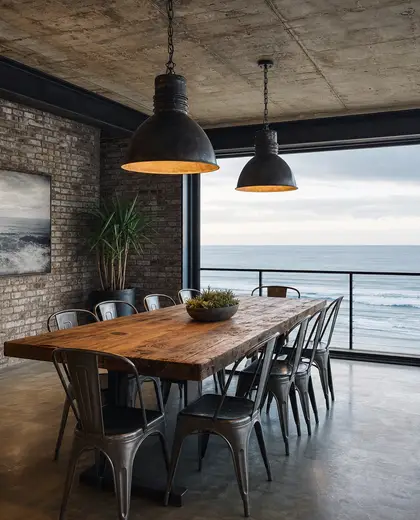
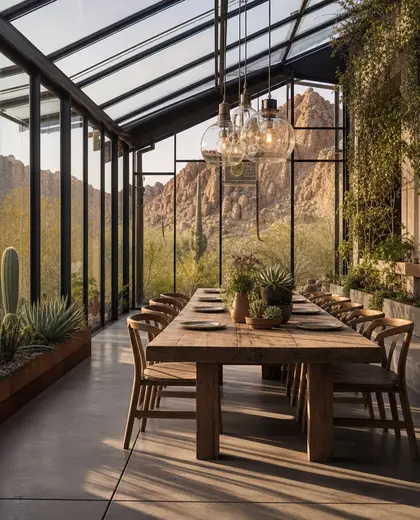
A dining room is typically defined by a table-centered layout with chairs, clear circulation around the table, and surfaces chosen for durability and easy cleaning. Common materials include solid wood, veneer, stone, metal, upholstered seating, and washable wall finishes, with lighting often used to anchor the space above the table. The palette is usually warm and grounded, with natural wood tones, neutral paints, and restrained accents that keep attention on the table and seating.
- dining room
— References
References to explore
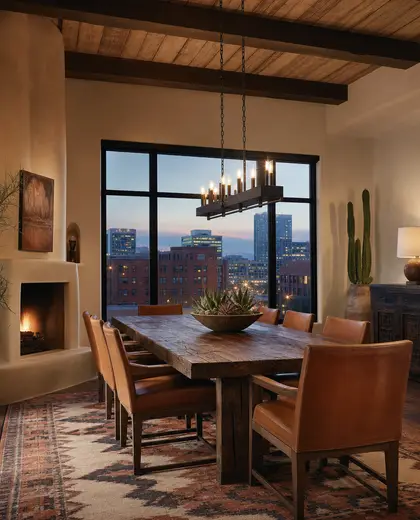
What makes a dining room feel distinct from a kitchen nook?
A dining room usually has more space around the table, more intentional lighting, and furnishings chosen to make the meal area feel separate from daily prep and traffic.
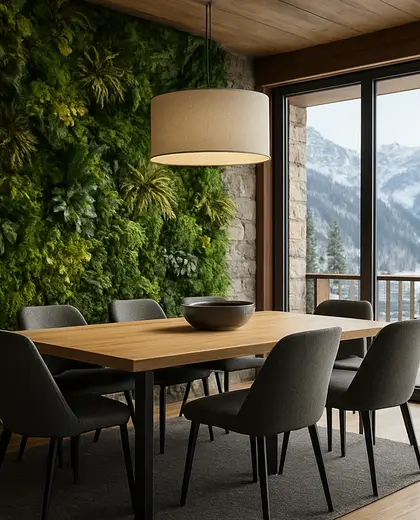
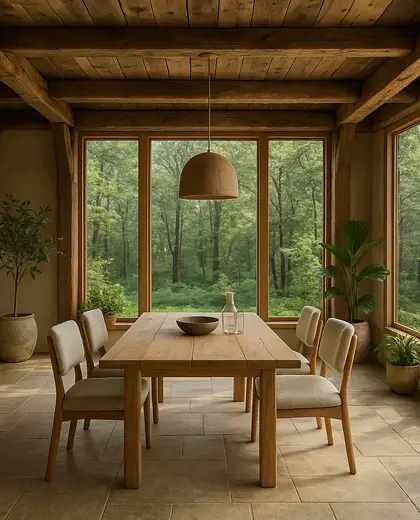
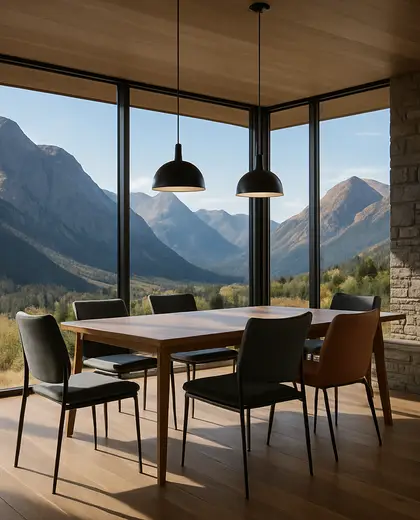
Which materials work best for a practical dining room?
Tables in wood, veneer, or sealed stone are common because they handle daily use well. Chairs with durable upholstery or easy-clean finishes are also practical.
How should I choose the palette for a dining room?
Start with the tones in adjacent rooms and choose a palette that supports them. Neutral backgrounds with a few stronger accents usually keep the room flexible and easy to update.

— The style
What defines it
Wood, veneer, stone, metal, glass, upholstered chairs, and wipeable paint or wall finishes are common.
Warm neutrals, timber tones, soft whites, charcoal, and muted accent colors help the room feel calm and balanced.
It often connects with the kitchen, living room, or an open-plan zone, and pairs well with pendant lighting, rugs, and sideboards.
— Professionals
Who has already built it
- vorbild architecturearchitects · 6 projectsView profile →
- kerem erbagci3d renderers · London · 9 projectsView profile →
- paquis norris group limitedbuilders · Reading · 3 projectsView profile →
- LoftRobejoiners · Guildford · 4 projectsView profile →
— Explore
Keep exploring
— Questions
Frequently asked questions
What makes a dining room feel distinct from a kitchen nook?
A dining room usually has more space around the table, more intentional lighting, and furnishings chosen to make the meal area feel separate from daily prep and traffic.
Which materials work best for a practical dining room?
Tables in wood, veneer, or sealed stone are common because they handle daily use well. Chairs with durable upholstery or easy-clean finishes are also practical.
How should I choose the palette for a dining room?
Start with the tones in adjacent rooms and choose a palette that supports them. Neutral backgrounds with a few stronger accents usually keep the room flexible and easy to update.