— Ideas & inspiration
Master bedroom
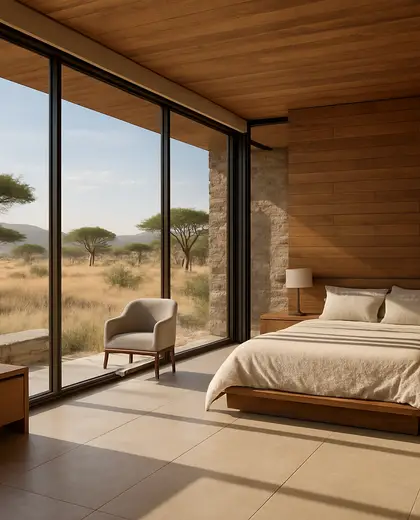
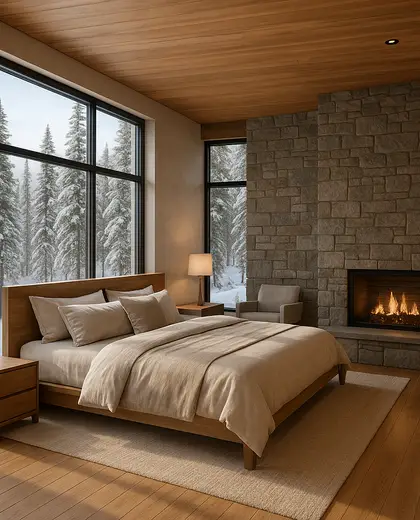
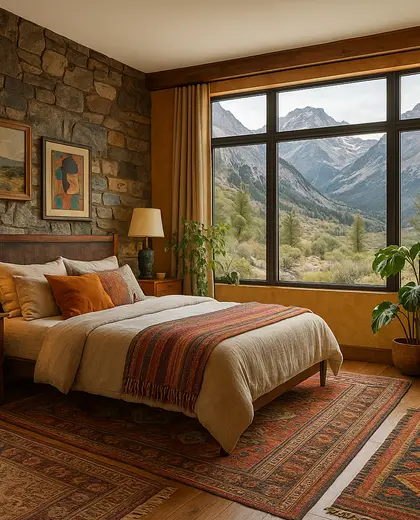
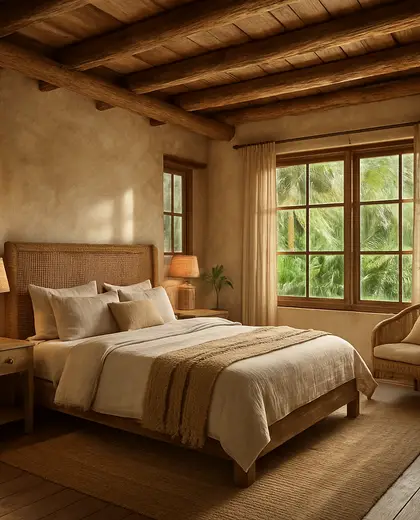
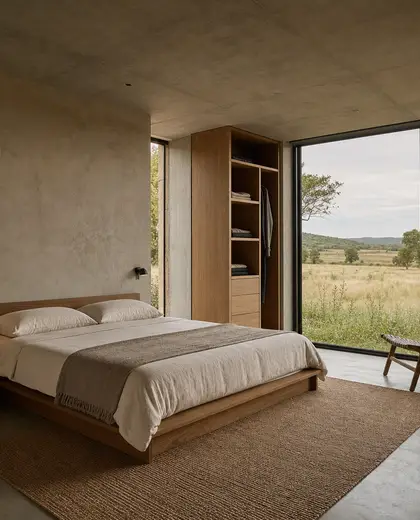
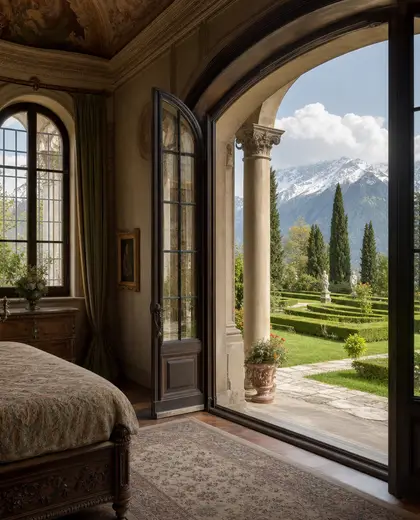
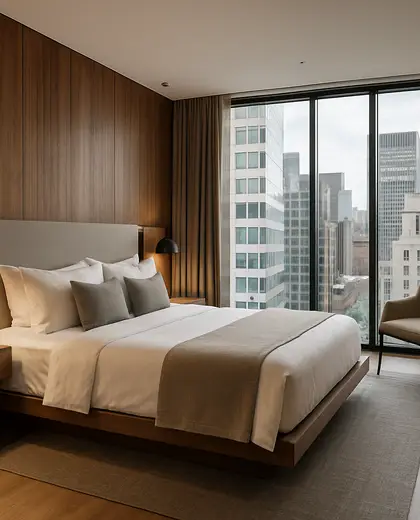
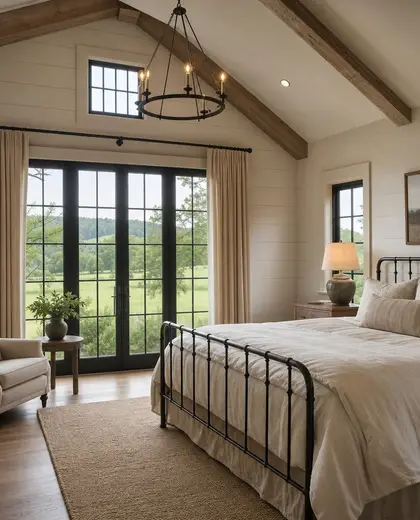
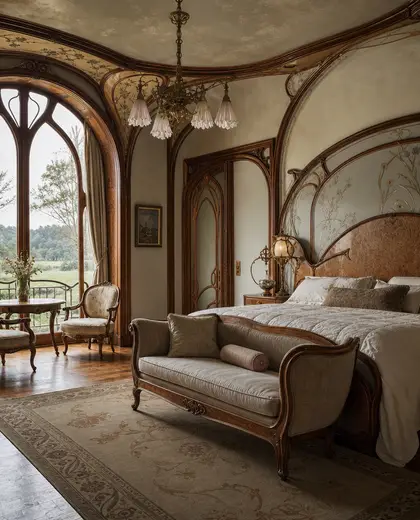
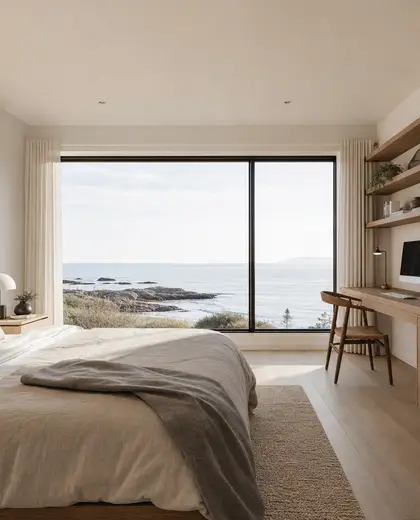
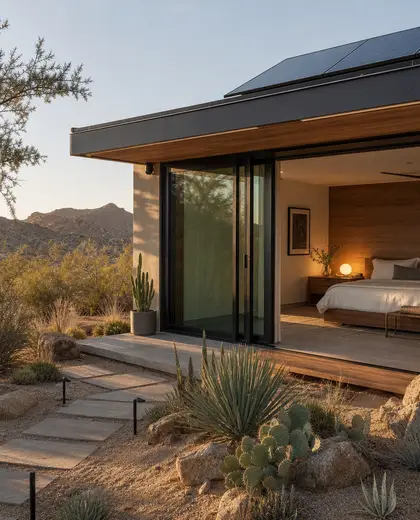
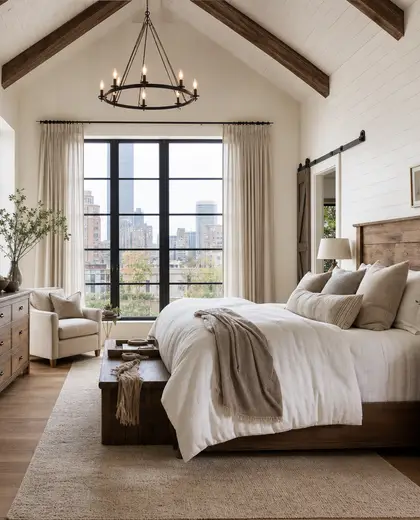
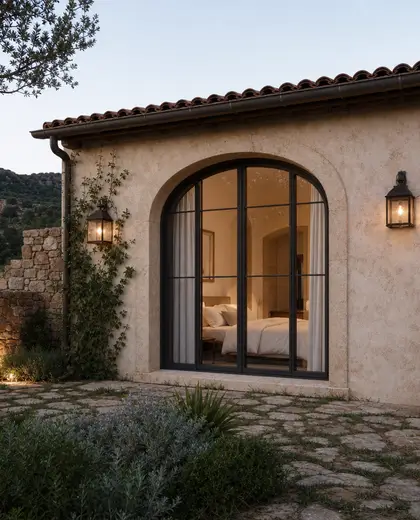
A master bedroom is defined by a calm, private sleeping space centered on the bed, with room for circulation and a clear resting zone. It typically uses soft, durable materials such as wood, upholstered textiles, linen, and matte finishes, with elements like bedside tables, reading lights, wardrobes, and layered window treatments. The palette is usually neutral or muted, built around warm whites, beige, taupe, gray, or deep muted tones.
- master bedroom

— References
References to explore
What makes a room read as a master bedroom rather than a standard bedroom?
It usually feels more spacious and private, with a clear bed-centered layout, better storage, and space for bedside furniture or a sitting area if needed.
Which materials work best in a master bedroom?
Soft, quiet materials are common: upholstered fabric, wood, linen, wool, and matte-painted surfaces that reduce visual noise and add warmth.
What colors are best for a master bedroom?
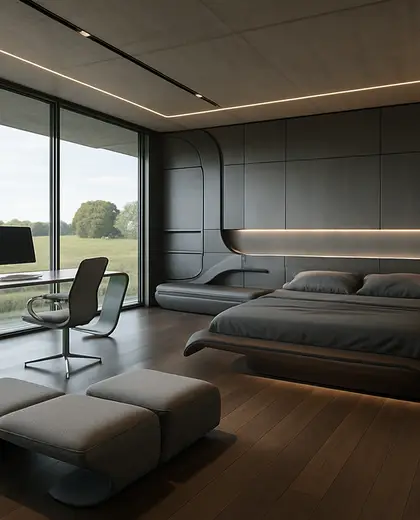
Muted, restful colors are usually the safest choice. Neutrals and subdued earth tones are common, but darker accent walls or deep textiles can work if the room has enough natural light.
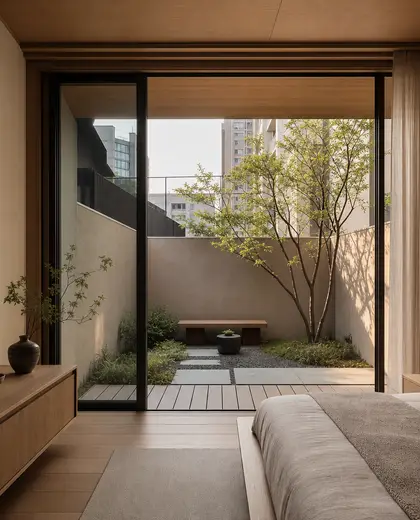
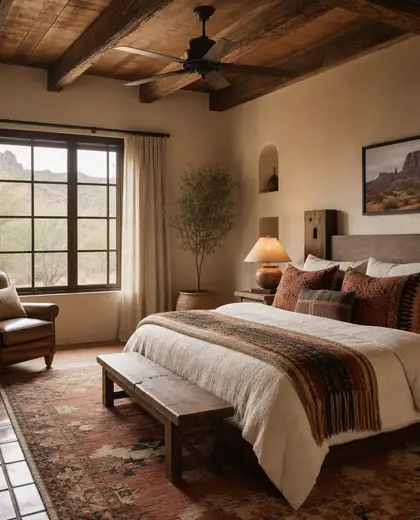

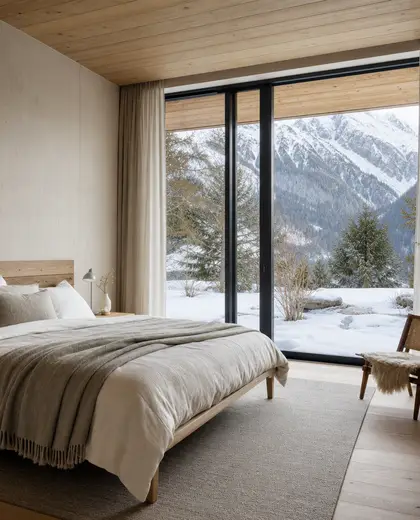
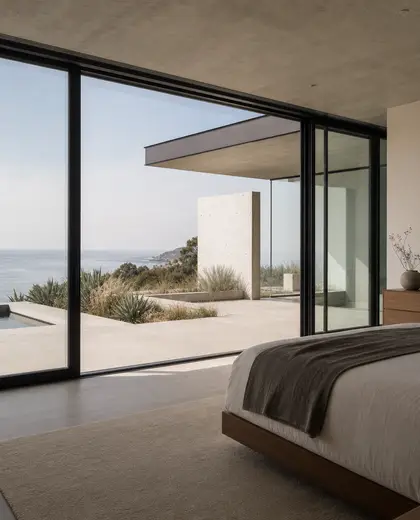





— The style
What defines it
Common choices include wood, upholstered headboards, linen bedding, wool rugs, matte metal, and painted walls with low-sheen finishes.
Neutral and calming tones work best: warm white, sand, beige, taupe, gray, charcoal, or softened greens and blues.
Pairs well with a walk-in closet, en-suite bathroom, reading nook, blackout curtains, and low, layered lighting.
— Professionals
Who has already built it
- LoftRobejoiners · Guildford · 4 projectsView profile →
- Beneito Faurelighting designers · 2 projectsView profile →
- Lusso Stonetile suppliers · Stocktonontees · 7 projectsView profile →
- elizabeth bee interior deinterior designers · 4 projectsView profile →
— Explore
Keep exploring
— Questions
Frequently asked questions
What makes a room read as a master bedroom rather than a standard bedroom?
It usually feels more spacious and private, with a clear bed-centered layout, better storage, and space for bedside furniture or a sitting area if needed.
Which materials work best in a master bedroom?
Soft, quiet materials are common: upholstered fabric, wood, linen, wool, and matte-painted surfaces that reduce visual noise and add warmth.
What colors are best for a master bedroom?
Muted, restful colors are usually the safest choice. Neutrals and subdued earth tones are common, but darker accent walls or deep textiles can work if the room has enough natural light.