— Ideas & inspiration
Rustic composition
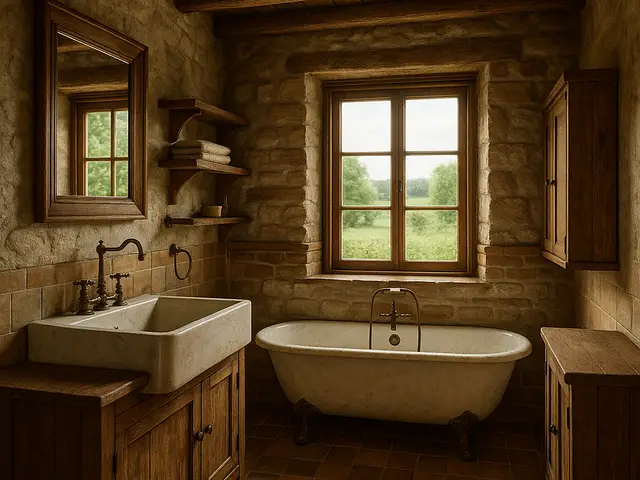
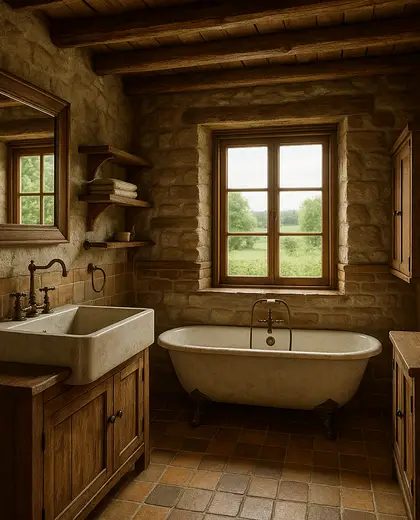
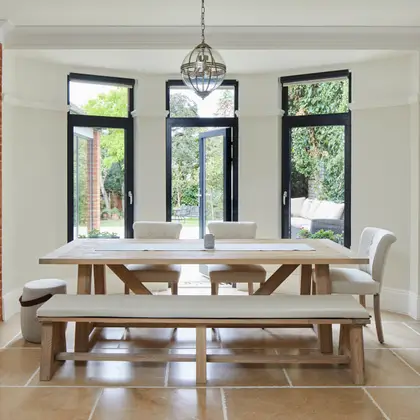
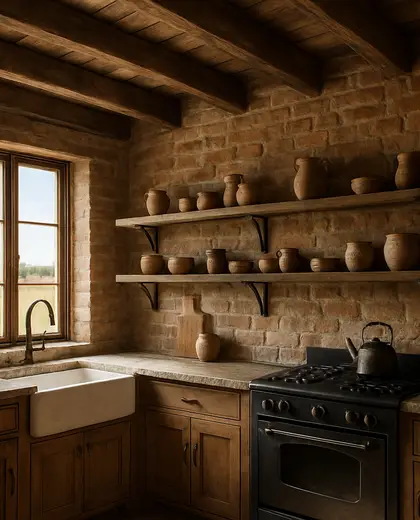
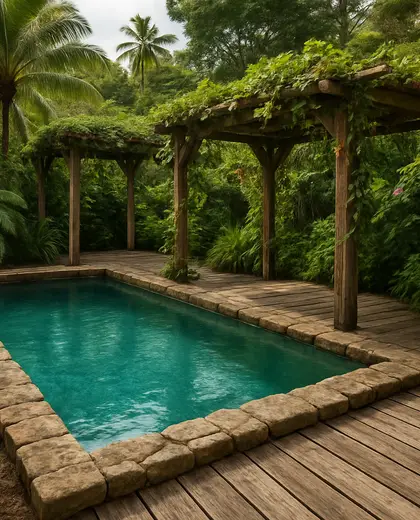
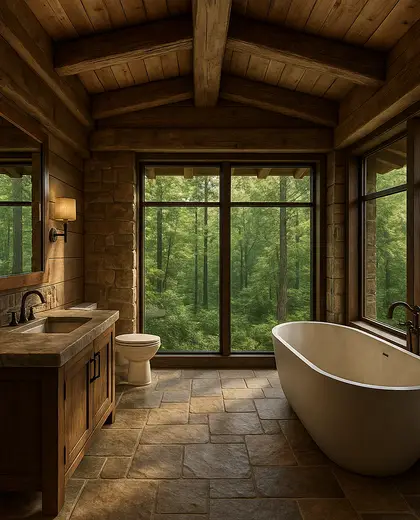
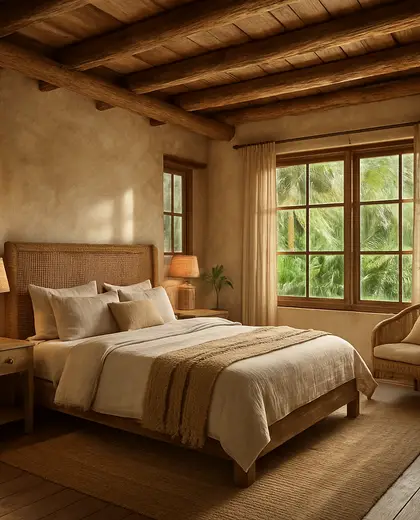
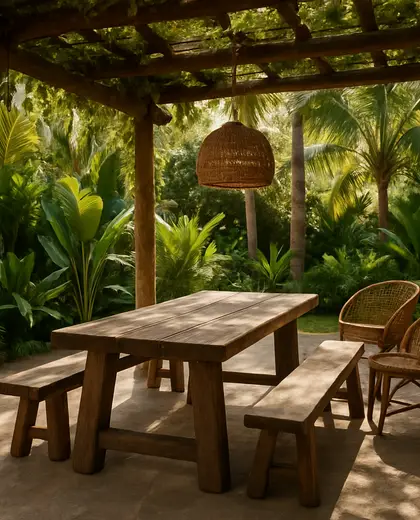
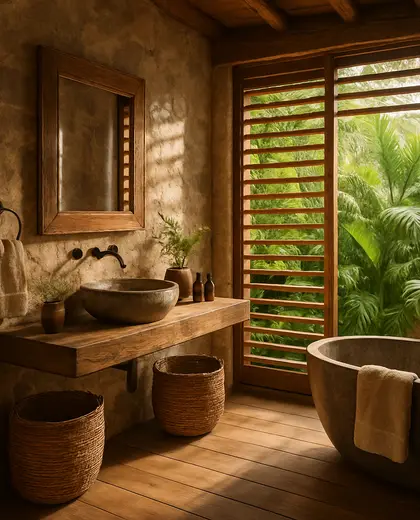
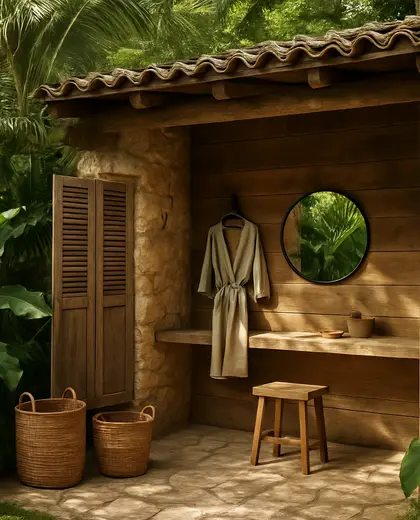
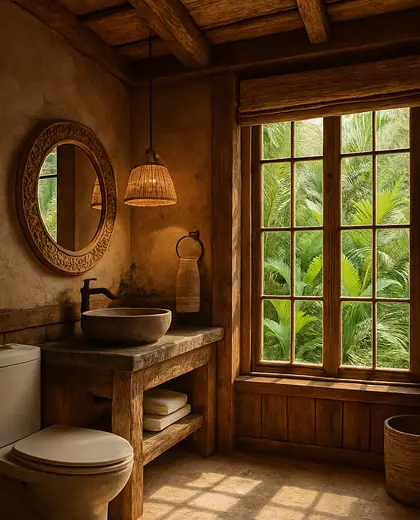
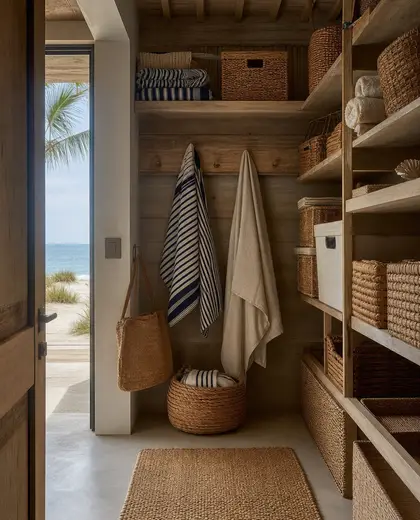
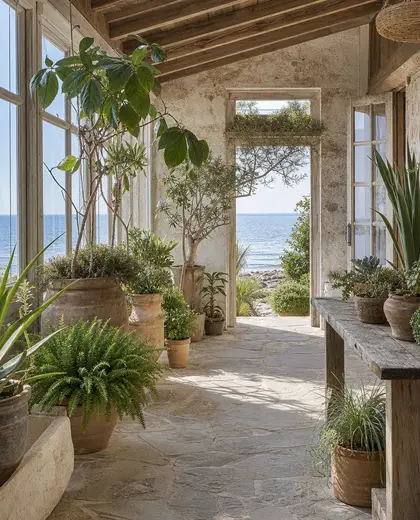
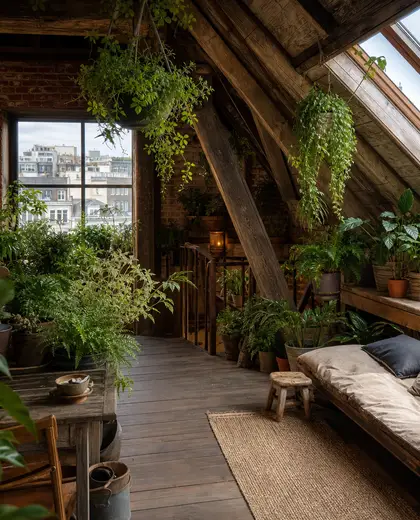
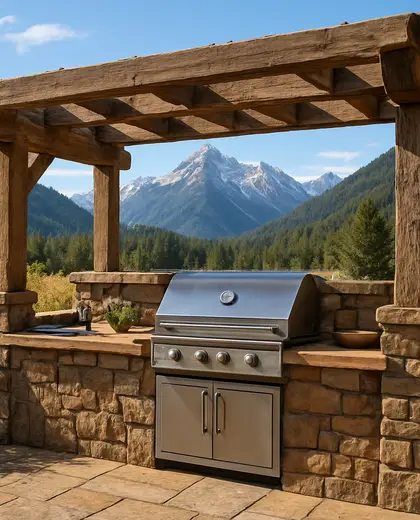
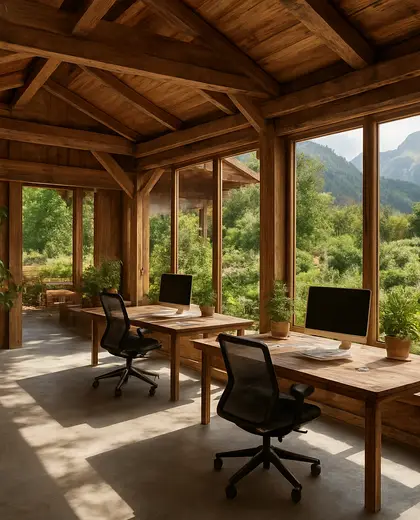
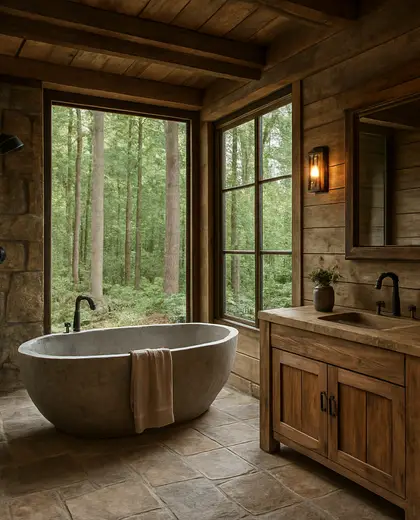
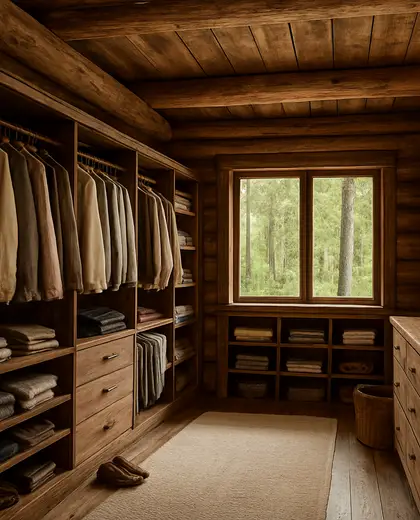
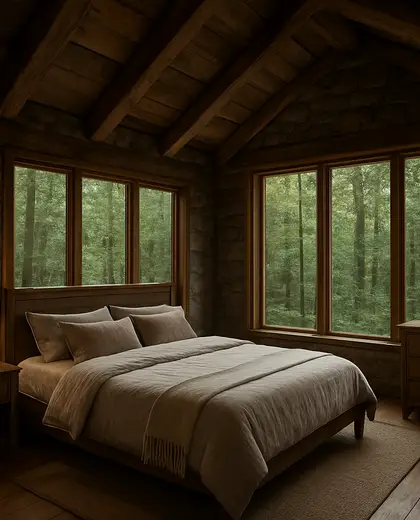
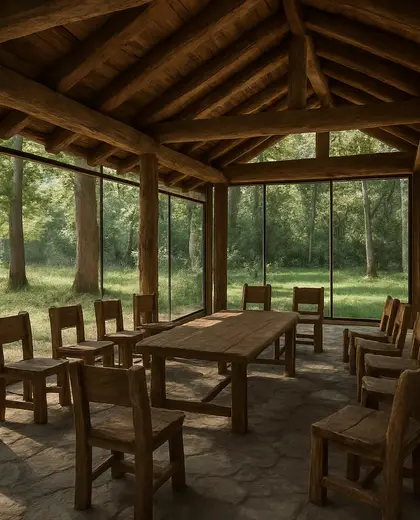
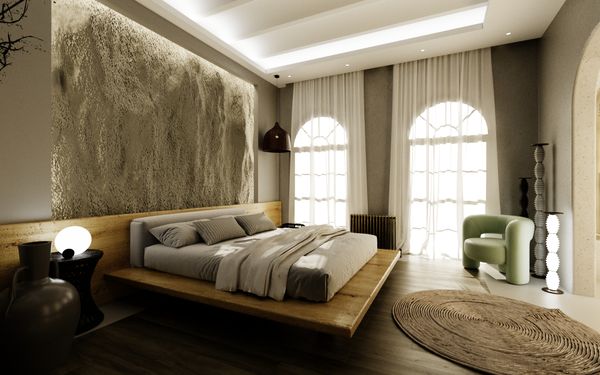
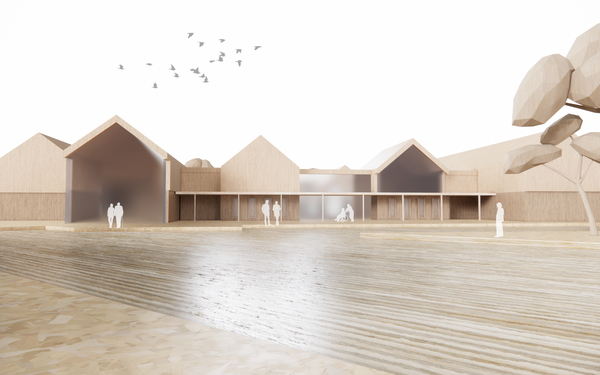
Rustic composition is defined by natural, visibly textured materials such as wood, stone, clay, limewash, and rough plaster. The palette stays earthy and muted, with browns, warm neutrals, greys, and soft greens. Exposed beams, handcrafted details, and worn or unfinished surfaces are typical defining elements.
- rustic
— References
References to explore

What makes a rustic interior feel rustic without looking old-fashioned?
Use natural materials, simple forms, and a restrained palette, then balance them with cleaner furniture lines and fewer decorative objects.
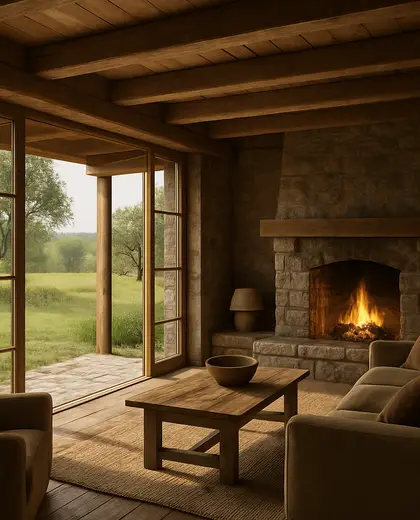
Can rustic style work in a new-build home?
Yes. It can be introduced through timber finishes, stone accents, textured walls, and handmade-looking details without changing the structure.
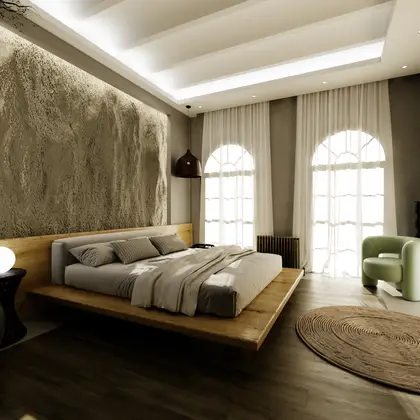
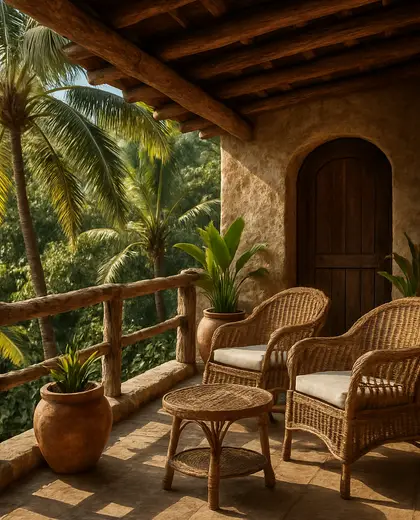
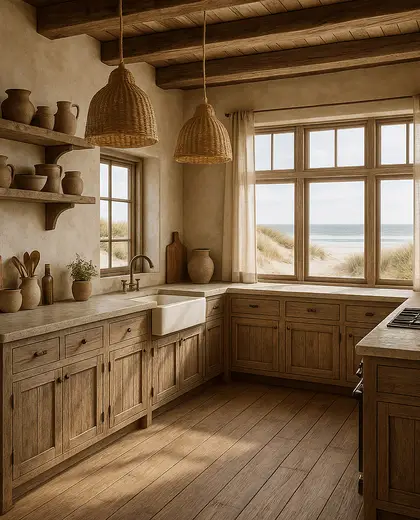
Does rustic style have to be dark and heavy?
No. It often uses warm tones, but it can feel lighter with pale woods, limewashed walls, soft textiles, and more daylight.
— The style
What defines it
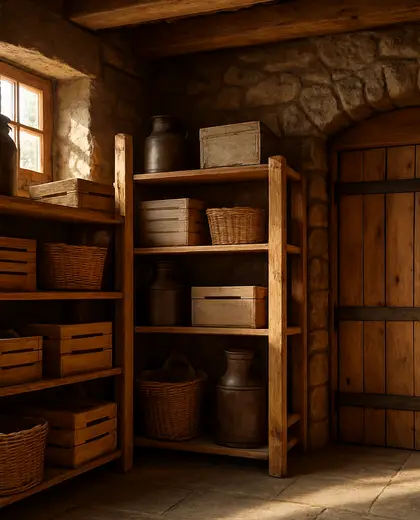
Aged wood, natural stone, brick, clay, linen, wool, and matte metals are commonly used, often with visible grain and irregular texture.
Earth tones dominate: beige, taupe, sand, brown, charcoal, muted green, and off-white, usually in low-contrast combinations.
It pairs well with farmhouse, country, cottage, Mediterranean, cabin, and modern organic interiors, especially when softened with clean-lined furniture.
— Professionals
Who has already built it
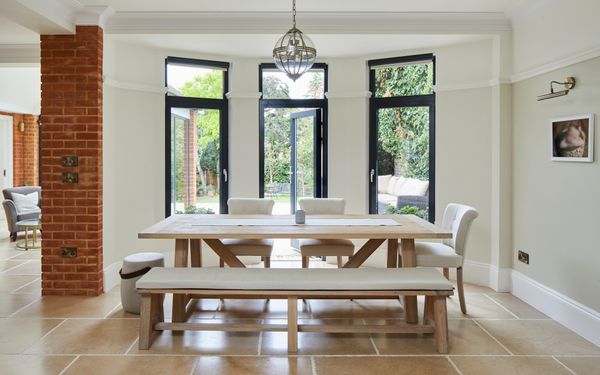



- paquis norris group limitedbuilders · Reading · 3 projectsView profile →
- LoftRobejoiners · Guildford · 4 projectsView profile →
- Beneito Faurelighting designers · 2 projectsView profile →
- Lusso Stonetile suppliers · Stocktonontees · 7 projectsView profile →
— Explore
Keep exploring
— Questions
Frequently asked questions
What makes a rustic interior feel rustic without looking old-fashioned?
Use natural materials, simple forms, and a restrained palette, then balance them with cleaner furniture lines and fewer decorative objects.
Can rustic style work in a new-build home?
Yes. It can be introduced through timber finishes, stone accents, textured walls, and handmade-looking details without changing the structure.
Does rustic style have to be dark and heavy?
No. It often uses warm tones, but it can feel lighter with pale woods, limewashed walls, soft textiles, and more daylight.