— Ideas & inspiration
Bathroom composition
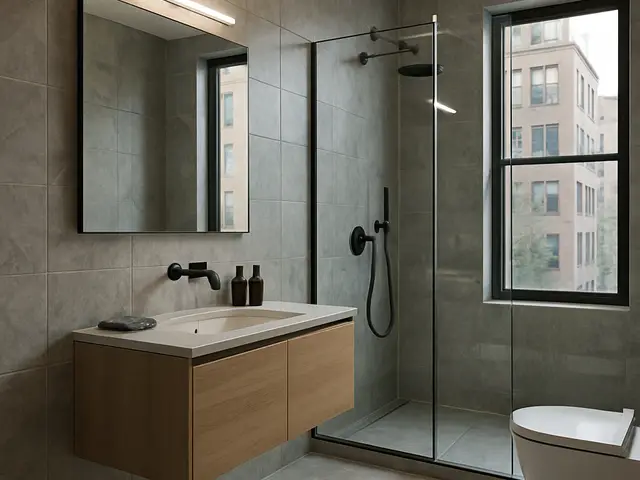
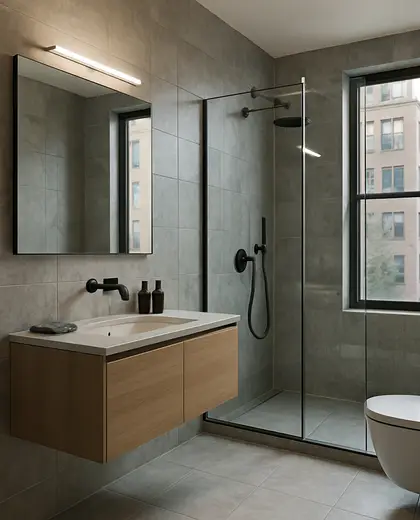
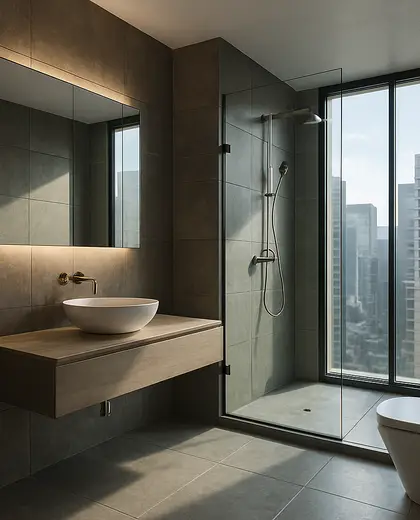
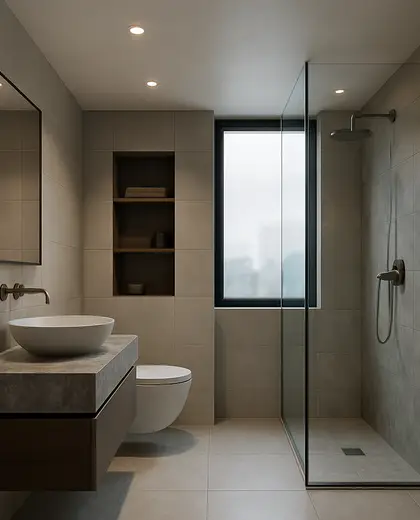
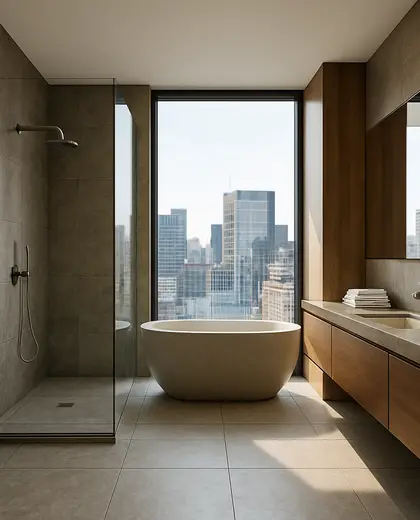
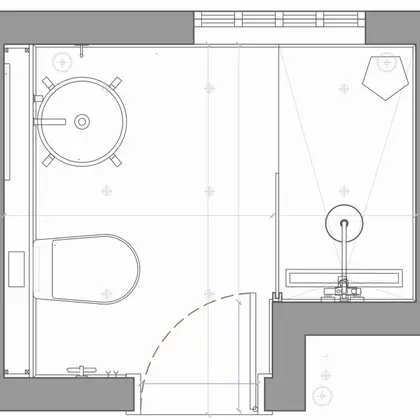
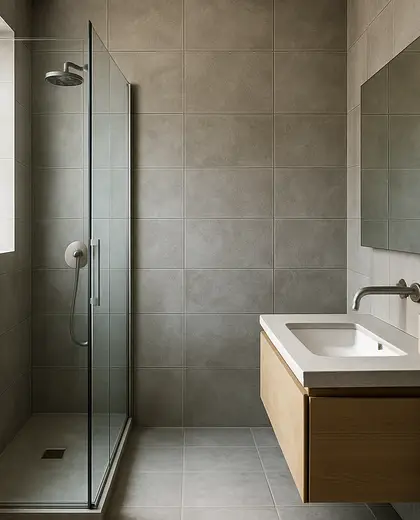
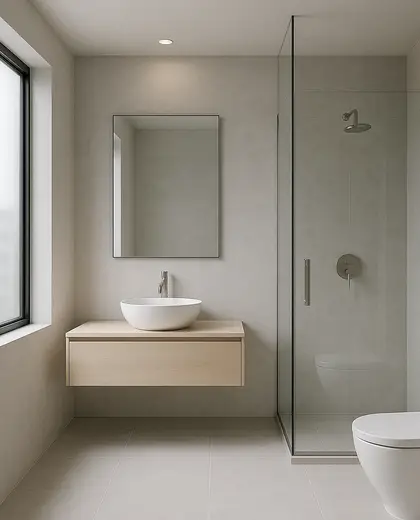
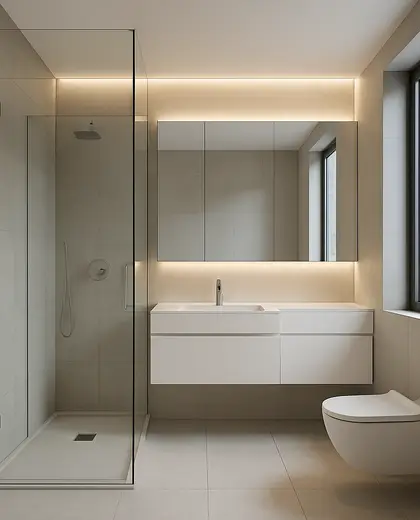
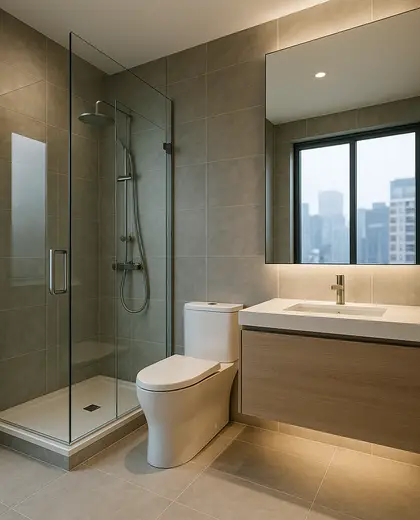
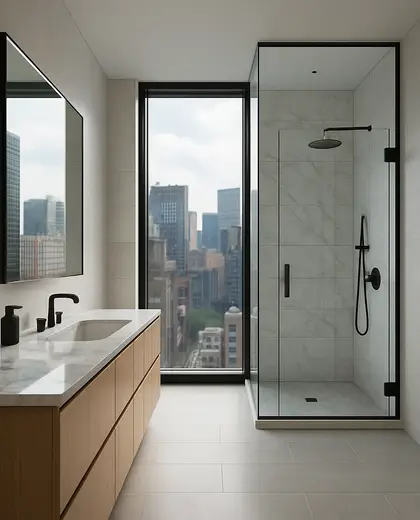
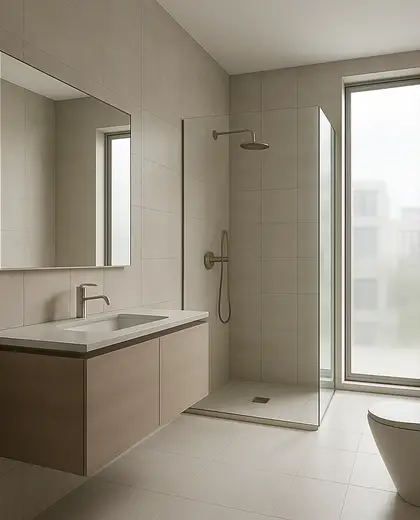
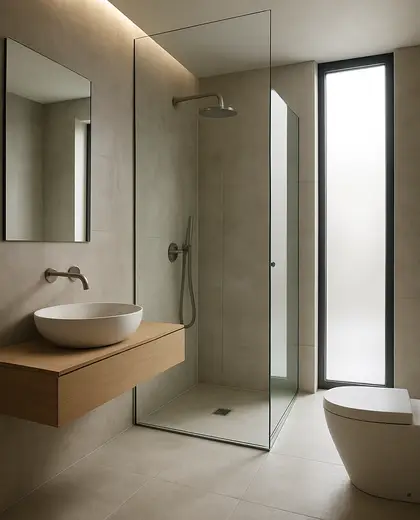
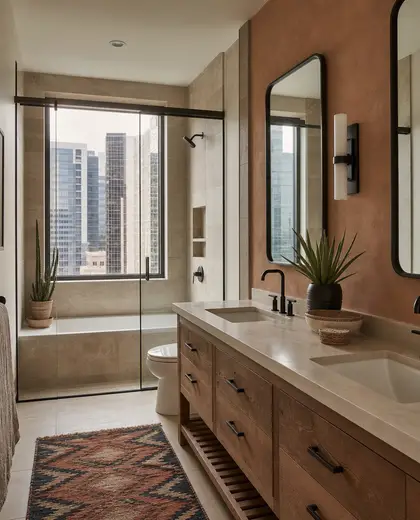
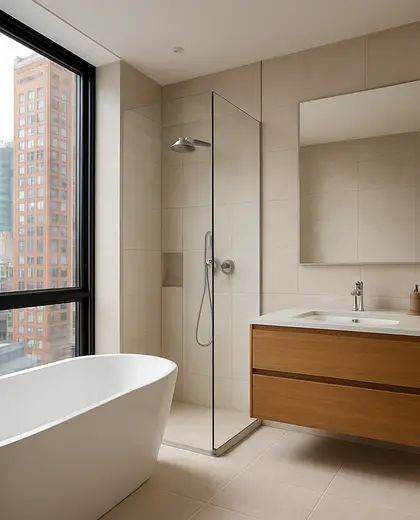
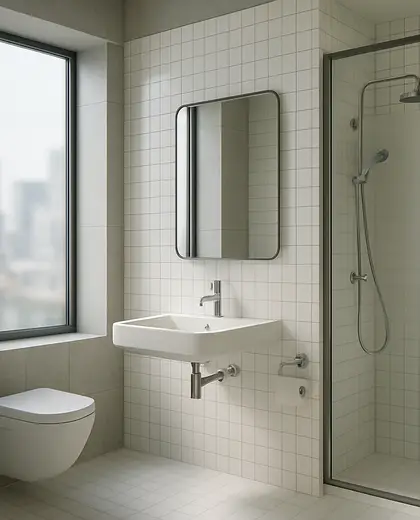
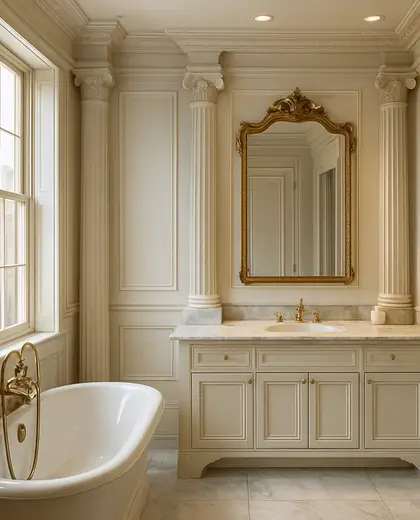
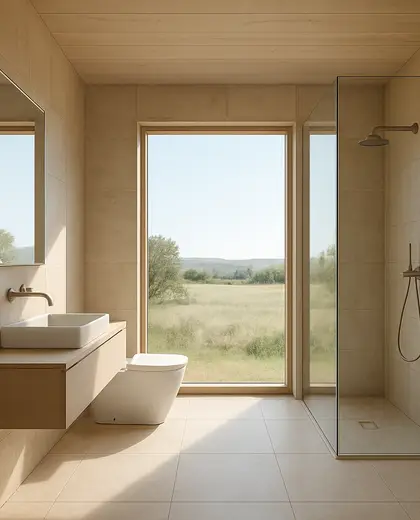
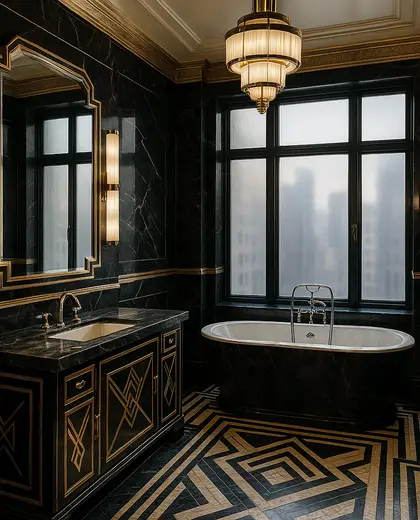
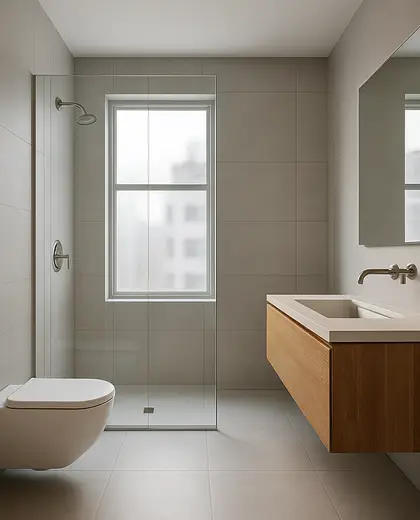
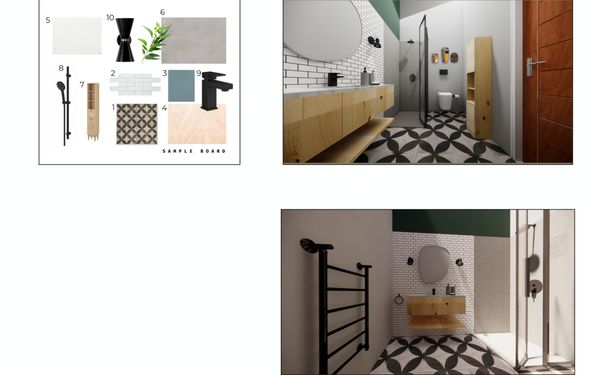
A bathroom composition is defined by moisture-resistant finishes, practical fixtures, and a clear separation between wet and dry zones. Common materials include ceramic or porcelain tile, stone, sealed wood, glass, stainless steel, and waterproof paint, usually in a palette of white, grey, beige, soft black, and muted natural tones. It typically includes a shower or tub, vanity, mirror, concealed storage, and layered lighting.
- bathroom
— References
References to explore
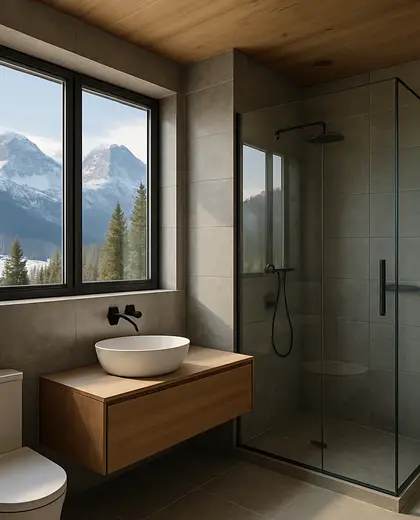
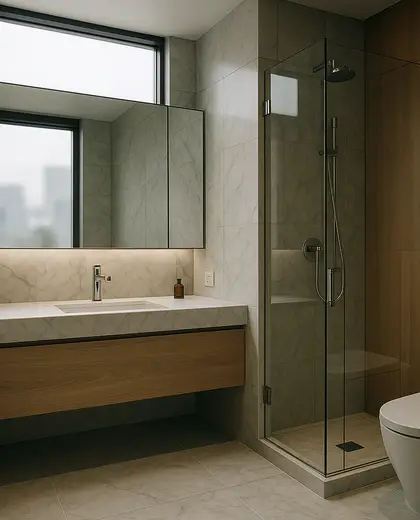
What makes a bathroom composition feel cohesive?
Consistent finishes, matching metal tones, and a clear relationship between tile, vanity, mirror, and lighting usually create cohesion.

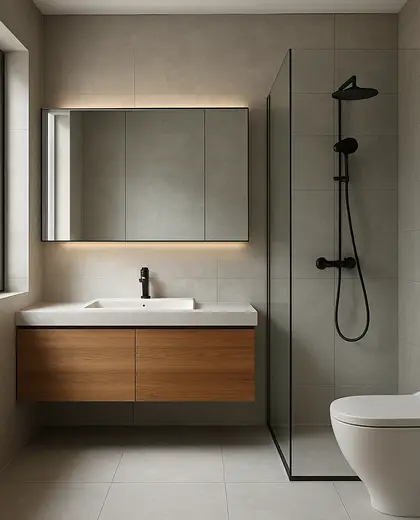
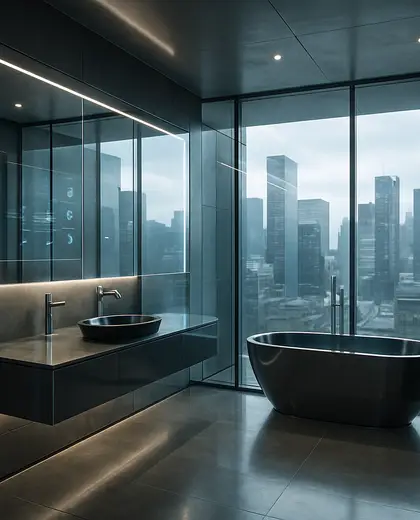
Which materials work best in a bathroom?
Materials that handle moisture well are best: porcelain or ceramic tile, stone with sealing, glass, stainless steel, and properly finished wood.
Can a bathroom composition work in a small space?
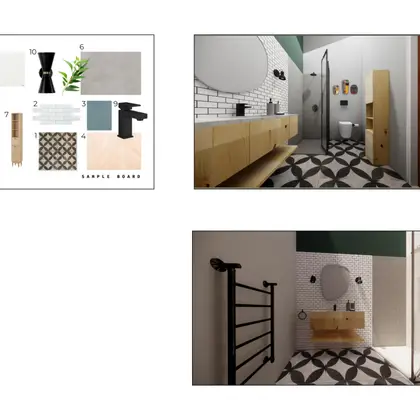
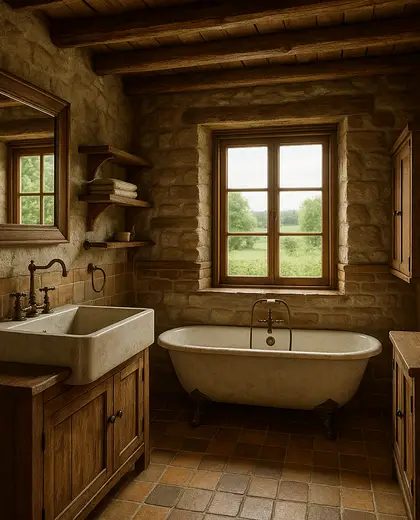
Yes. Smaller bathrooms often work well with light colors, wall-mounted storage, a compact vanity, and a glass shower enclosure to keep the space open.
— The style
What defines it
Porcelain tile, stone, glass, sealed timber, metal fixtures, and waterproof wall finishes.
White, off-white, grey, taupe, sand, black accents, and calm natural tones.
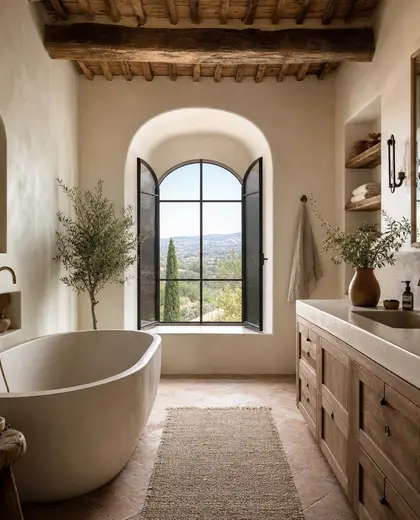
Vanities, walk-in showers, freestanding tubs, recessed storage, mirrors, and soft layered lighting.
— Professionals
Who has already built it
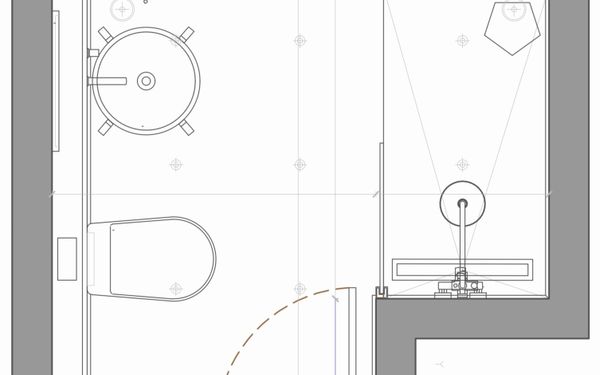




- paquis norris group limitedbuilders · Reading · 3 projectsView profile →
- LoftRobejoiners · Guildford · 4 projectsView profile →
- Beneito Faurelighting designers · 2 projectsView profile →
- Lusso Stonetile suppliers · Stocktonontees · 7 projectsView profile →
— Explore
Keep exploring

— Questions
Frequently asked questions
What makes a bathroom composition feel cohesive?
Consistent finishes, matching metal tones, and a clear relationship between tile, vanity, mirror, and lighting usually create cohesion.
Which materials work best in a bathroom?
Materials that handle moisture well are best: porcelain or ceramic tile, stone with sealing, glass, stainless steel, and properly finished wood.
Can a bathroom composition work in a small space?
Yes. Smaller bathrooms often work well with light colors, wall-mounted storage, a compact vanity, and a glass shower enclosure to keep the space open.