— Blog · 14 July 2026 · 3 min read
5 veranda mistakes to avoid for a space that works beautifully
A practical guide to the most common veranda mistakes, with simple fixes to help you create a comfortable, durable and well-balanced contemporary space.
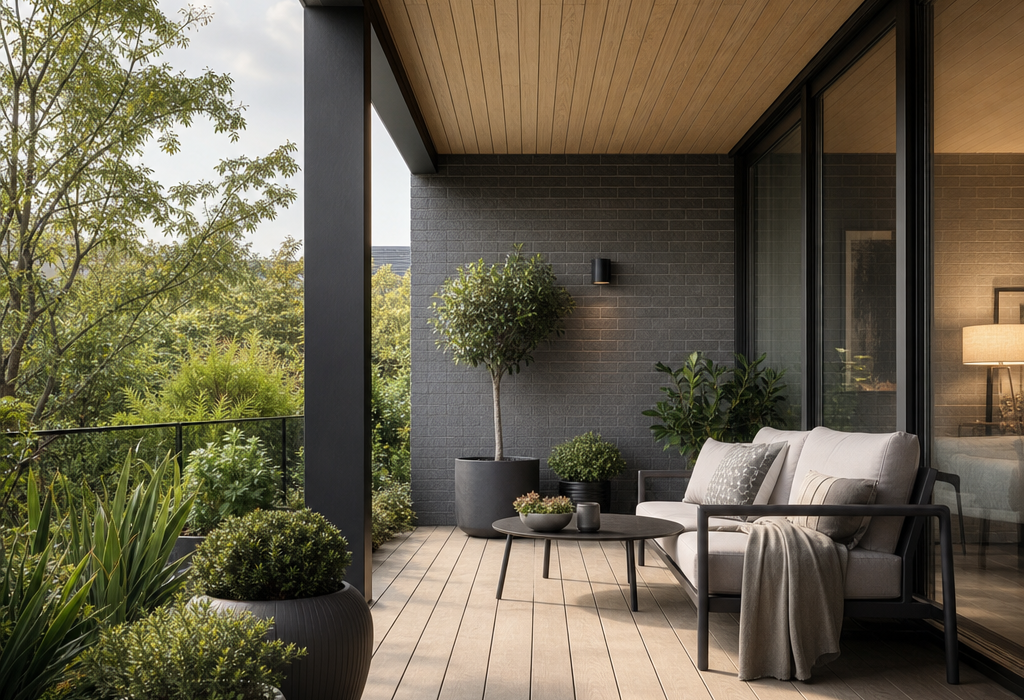
A veranda should feel like a calm extension of the home: sheltered, useful and comfortable in every season. The most successful contemporary verandas balance light, weather protection and easy maintenance, while the biggest mistakes usually come from rushing the layout or ignoring how the space will really be used.
1. Choosing the wrong orientation and cover
If a veranda faces full sun without enough shade, it can become uncomfortably hot in summer; if it is too enclosed, it may feel gloomy and unused. The fix is to think about morning light, prevailing wind and rain exposure before anything else. Use a roof overhang, adjustable louvres or a slim canopy to temper the weather, and keep the design open enough to preserve daylight and views.
2. Getting the proportions wrong
A veranda that is too shallow will not comfortably hold chairs, a small table and circulation at the same time. As a practical guide, allow enough depth for at least a seating area and a clear walkway, rather than squeezing furniture against the edge. In a contemporary scheme, clean proportions matter, so keep posts, balustrades and rooflines visually light and in scale with the house.
3. Using flooring that cannot handle British weather
Slippery finishes, untreated timber and poor drainage quickly make a veranda frustrating to use. Rain, damp and muddy shoes are part of life in the UK, so choose materials that cope well, such as textured porcelain tiles, treated hardwood, composite decking or sealed concrete. Make sure the surface falls slightly away from the house and that water cannot pool at thresholds.
4. Overfurnishing the space
Too much furniture can make a veranda feel cramped and awkward, especially once doors are open. Keep the scheme simple: a bench, two armchairs or a compact dining set may be enough for everyday use. Contemporary styling works best when the furniture is low, streamlined and weather-resistant, with cushions and storage kept to a minimum so the area stays uncluttered.
5. Forgetting lighting, privacy and power
A veranda that looks good in daylight but fails after dusk is easy to ignore. Avoid relying on a single harsh fitting; instead, layer warm outdoor lighting with wall lights, discreet downlights or lantern-style fittings that suit a contemporary home. If the space faces neighbours or a street, add screening with planting, slatted panels or frosted glazing, and plan for sockets if you want a heater, lamps or music without trailing leads.
A well-planned veranda should feel effortless in use, not high-maintenance or overdone. By avoiding these common mistakes, you can create a contemporary outdoor room that stays attractive, practical and enjoyable through changing British weather.
Find top professionals for your veranda project
Free and with no obligation / Takes under 5 minutes
Are you an architect or designer? Register for free! »