— Blog · 6 October 2026 · 3 min read
5 mistakes to avoid when designing a pergola
A practical guide to the most common pergola mistakes, with simple fixes that make the space more comfortable, durable and easy to enjoy in the UK.
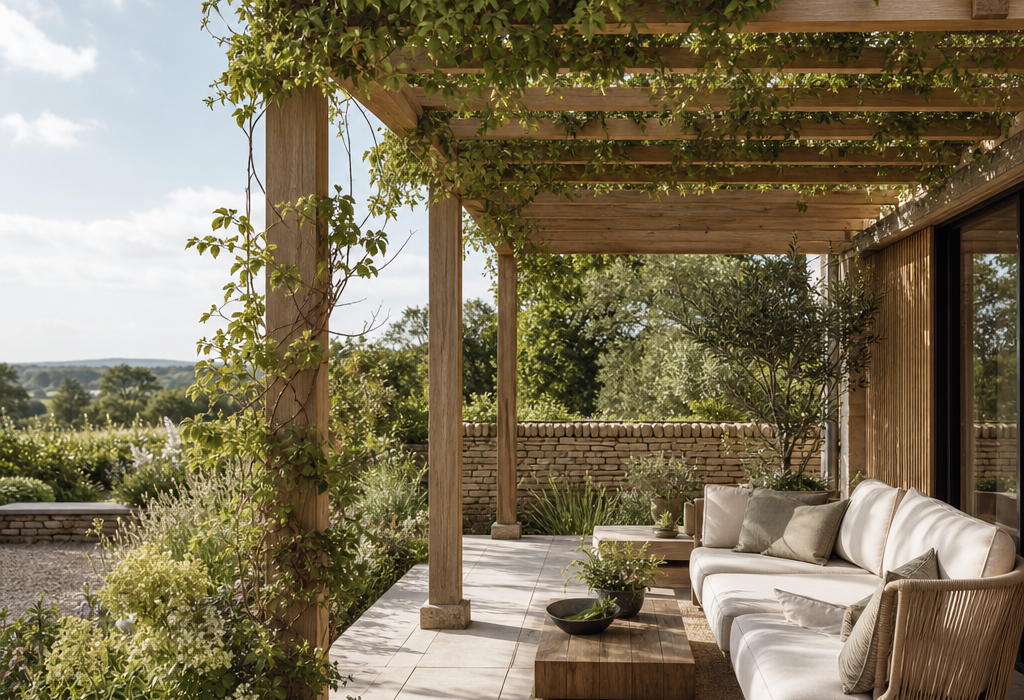
A well-planned pergola can turn a patio or garden corner into a genuinely useful outdoor room, but a few avoidable missteps can leave it looking awkward, feeling exposed or becoming high-maintenance. These are the mistakes to steer clear of if you want a structure that suits a British garden and works through changing weather.
1. Choosing the wrong position
Placing a pergola without thinking about sun, shade, privacy and access is one of the quickest ways to make it underused. Too close to the house and it can block light; too far away and it may feel disconnected from daily life. In the UK, it is worth checking where the afternoon sun falls, where wind tends to come from and how the space relates to doors, paths and seating. Before fixing posts, mark out the footprint with string or tape and live with it for a few days.
2. Ignoring size and proportion
A pergola that is too small can feel like a token gesture, while one that is too large may overpower the garden. The proportions should suit the patio, the house façade and the furniture you plan to use. Leave enough room for circulation around a dining table or sofa, and avoid crowding boundaries, drains and planting beds. A simple rule of thumb is to allow generous clear space around the main seating area rather than fitting the frame right up to the edges.
3. Using materials that cannot cope with the weather
Delicate timber, poor-quality fixings or finishes that are not designed for outdoor use will quickly look tired in damp, changeable conditions. For a durable, lower-impact approach, choose pressure-treated timber, galvanised or stainless-steel hardware, and finishes that can be maintained rather than replaced. If you like a contemporary look, keep the structure honest and simple, with clean lines and restrained detailing. Whatever the style, make sure posts are properly anchored and that water can drain away from the base.
4. Forgetting shade and shelter
A bare pergola can look attractive but still be uncomfortable in strong sun, drizzle or gusty weather. Without some form of cover, the space may be too hot in summer and too exposed for much of the year. Add retractable fabric, slatted screening, climbing plants such as wisteria or evergreen jasmine, or louvred sections where appropriate. Keep the solution flexible so you can enjoy light and air when you want them, and more shelter when the weather turns.
5. Overloading the design with clutter
Too many ornaments, mismatched lights and bulky furniture can make even a good pergola feel cramped. A calmer, more sustainable approach is usually better: pick one seating layout, one simple lighting scheme and a few durable accessories such as cushion storage, a side table and planters in recycled timber, terracotta or galvanised metal. Let the structure breathe, and use planting and texture to create atmosphere instead of filling every surface.
Get these basics right and a pergola becomes far more than a decorative frame. With careful placement, sensible materials and a clean, balanced layout, it can feel like a natural extension of the house and garden all year round.
Find top professionals for your pergola project
Free and with no obligation / Takes under 5 minutes
Are you an architect or designer? Register for free! »