— Blog · 15 October 2026 · 2 min read
From Bayou Adaptation to Civic Innovation: Three Architecture Stories Shaping Resilient Design
This feature explores how architecture is responding to place, climate and civic life—from designing with water in the bayou to workplace renewal and a new model for public buildings in Japan. Together, these projects offer timely lessons in resilience, material honesty and community-focused design.
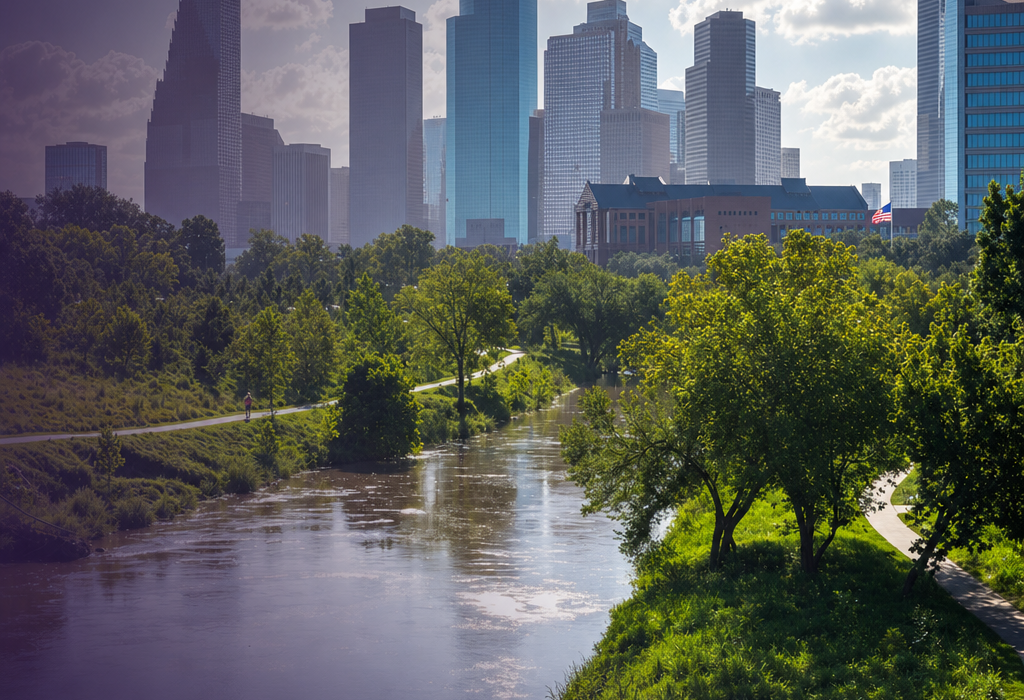
Designing with the bayou: lessons from land, water and resilience
The first story looks at architecture shaped by the fluid conditions of the bayou, where buildings must negotiate wet ground, shifting ecologies and the realities of climate change. Rather than treating water as an obstacle, the design approach embraces it as a defining element of place, pointing to strategies such as elevated construction, careful siting and landscape-led thinking. For architects, the project is a reminder that resilient design begins with a deep reading of context, especially in environments where land and water are inseparable.
A workplace grounded in material clarity: The Mortar House Offices / Logic Design + Build
The Mortar House Offices present a refined example of how workplace design can feel both practical and characterful. Through a considered use of robust materials and a clear architectural language, the scheme gives an office setting a strong identity while supporting day-to-day function. It demonstrates how modest interventions, when handled with precision, can create spaces that are memorable, efficient and aligned with a client’s working culture. For architects, the project offers a useful case study in balancing durability, atmosphere and operational performance.
A civic complex for contemporary public service: Nakamura Ward Office Complex / Takenaka Corporation
The Nakamura Ward Office Complex rethinks the role of the municipal building as a place that is not only administrative, but also welcoming and socially useful. Takenaka Corporation’s approach combines civic presence with practical clarity, creating an environment that supports public access, workplace efficiency and a more approachable relationship between citizens and local government. The project highlights how public architecture can be legible, dignified and responsive at once, offering architects insight into how civic buildings can better serve communities in everyday life.
Join the Archsplace community
For architects and built-environment professionals, these projects underline the value of designing with context, purpose and adaptability. Join the Archsplace community to share your work, connect with peers and grow your professional presence: Create your architect profile on Archsplace.