— Ideas & inspiration
A rooftop garden with alpine character
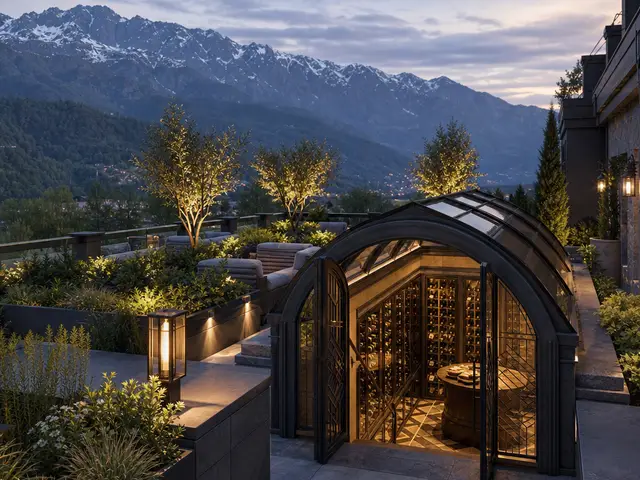
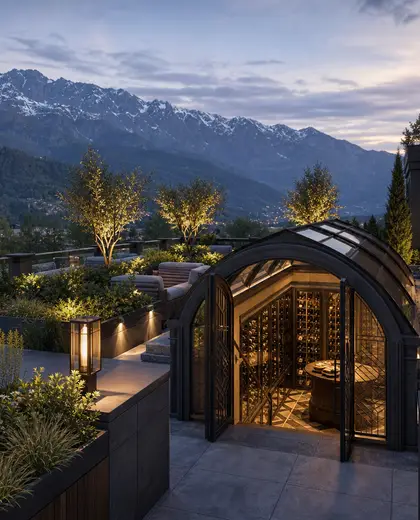
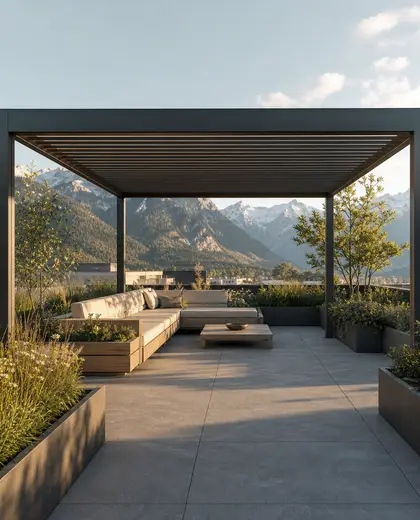
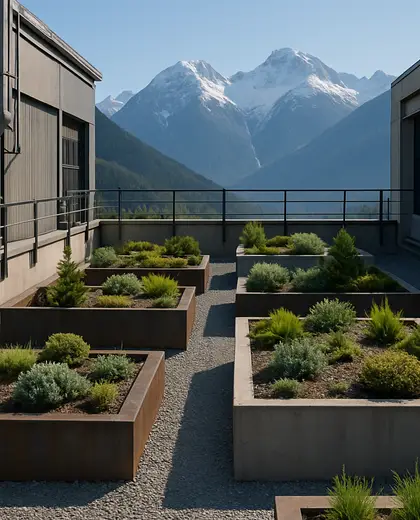
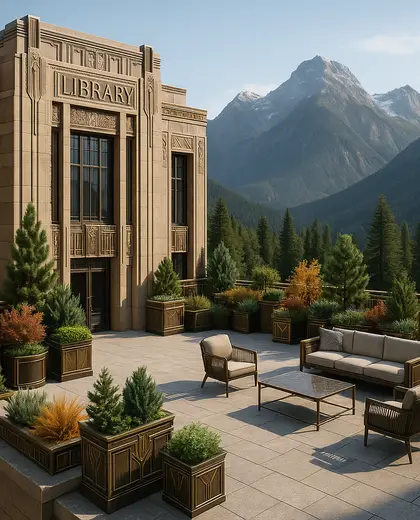
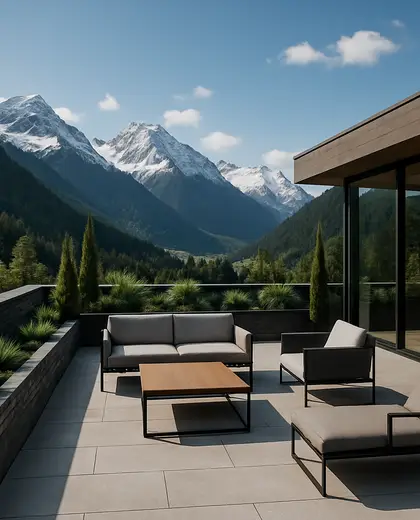
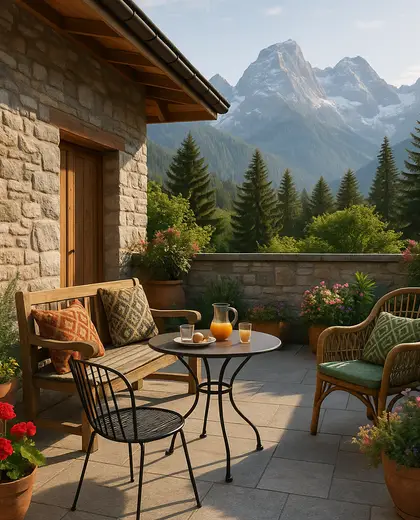
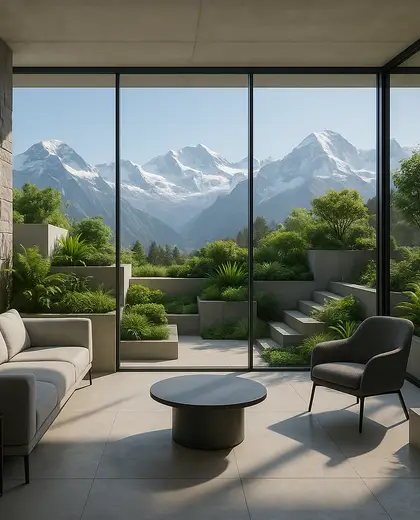
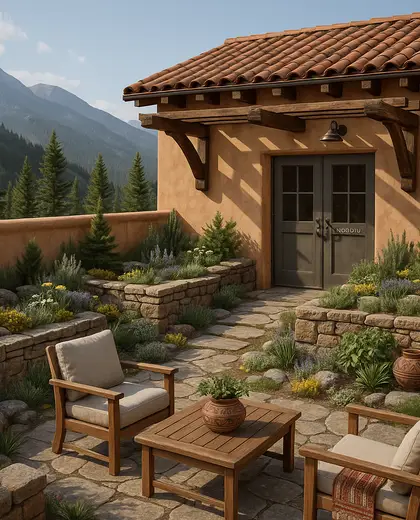
This composition pairs hardy alpine planting with a roofscape built from stone, gravel, weathered timber, and planters that can handle exposure and drainage. The palette is restrained and natural: slate, gray-green foliage, muted browns, and punctuations of seasonal bloom. Low mounds, boulders, and wind-tolerant textures give the garden a mountain feel while keeping the roof usable.
- rooftop garden
- alpine
— References
References to explore
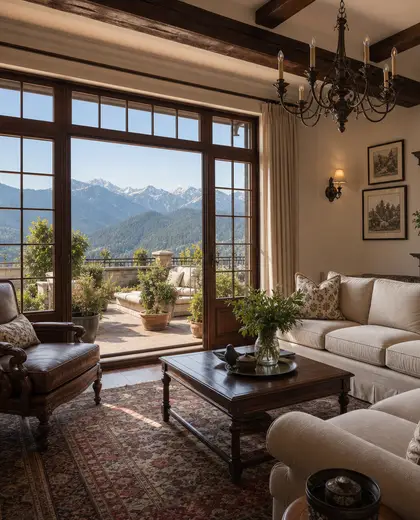
Can an alpine rooftop garden work on any roof?
Not every roof is suitable. It depends on structural load, waterproofing, drainage, wind exposure, and access for maintenance.
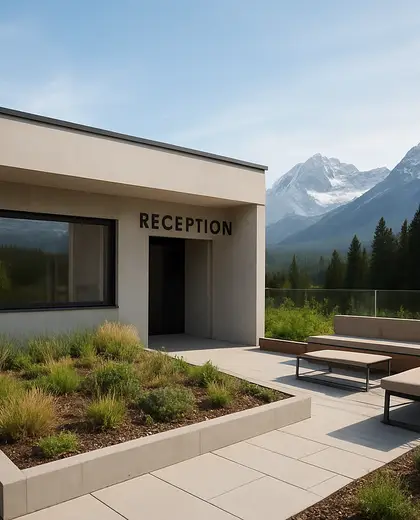
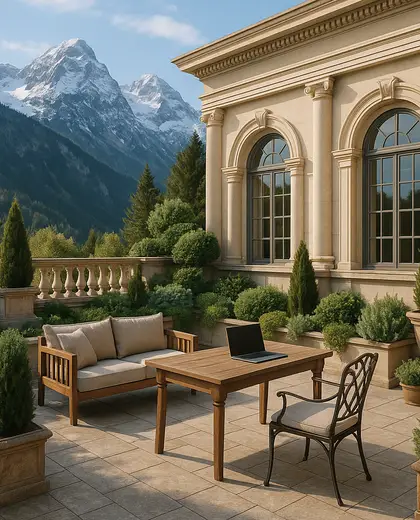


What plants usually define this look?
Dwarf conifers, sedums, saxifrages, thyme, grasses, and other tough, shallow-rooted plants are common. The best choices are compact, wind-tolerant, and suited to shallow substrates.
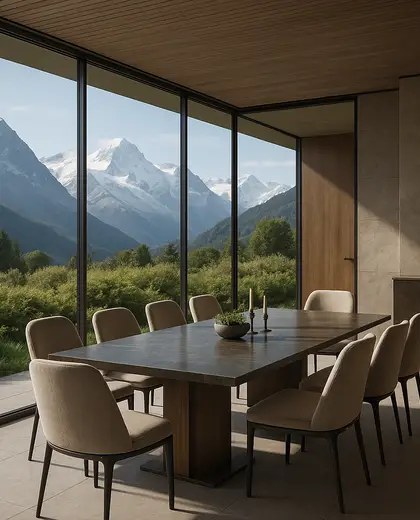
Does it need a lot of maintenance?
It usually needs less irrigation than a lush roof garden, but it still needs seasonal trimming, checking drainage, and replacing plants that fail in harsh exposure.


— The style
What defines it
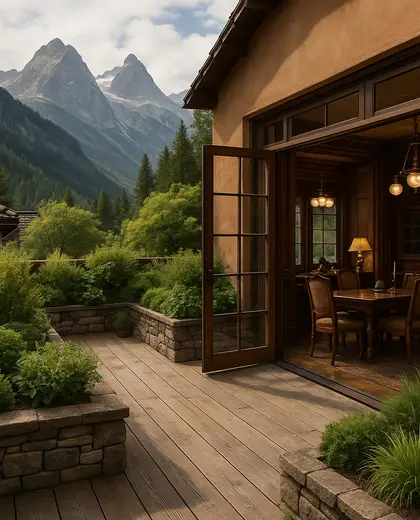
Stone pavers, gravel mulch, raised planters, weathered wood, metal edging, and a lightweight growing system suited to roof load limits.
Cool grays, moss greens, pale silvers, charcoal stone, and natural wood tones, with occasional white or alpine flower accents.
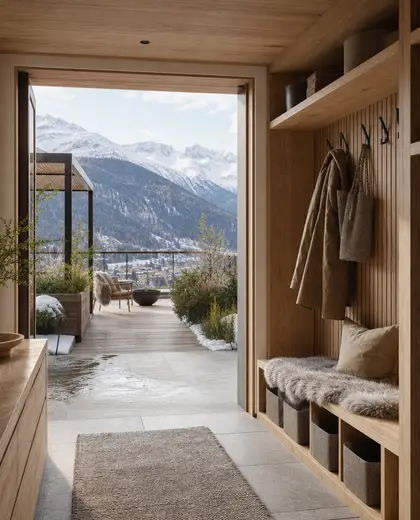
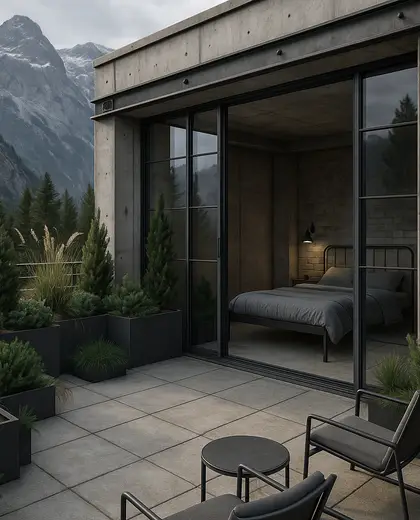
Roof terraces, mountain-view homes, compact outdoor seating, and drainage-focused planting schemes that suit exposed upper floors.
— Professionals
Who has already built it
- maria mateaarchitects · London · 7 projectsView profile →
- kerem erbagci3d renderers · London · 9 projectsView profile →
- paquis norris group limitedbuilders · Reading · 3 projectsView profile →
- LoftRobejoiners · Guildford · 4 projectsView profile →
— Explore
Keep exploring
— Questions
Frequently asked questions
Can an alpine rooftop garden work on any roof?
Not every roof is suitable. It depends on structural load, waterproofing, drainage, wind exposure, and access for maintenance.
What plants usually define this look?
Dwarf conifers, sedums, saxifrages, thyme, grasses, and other tough, shallow-rooted plants are common. The best choices are compact, wind-tolerant, and suited to shallow substrates.
Does it need a lot of maintenance?
It usually needs less irrigation than a lush roof garden, but it still needs seasonal trimming, checking drainage, and replacing plants that fail in harsh exposure.