— Ideas & inspiration
Rooftop garden
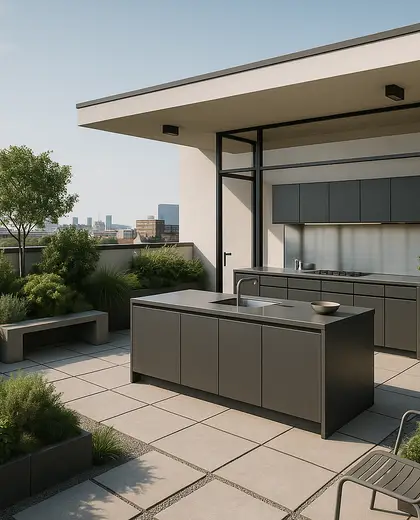
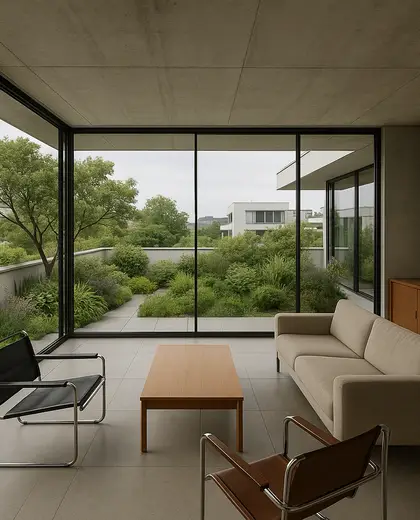
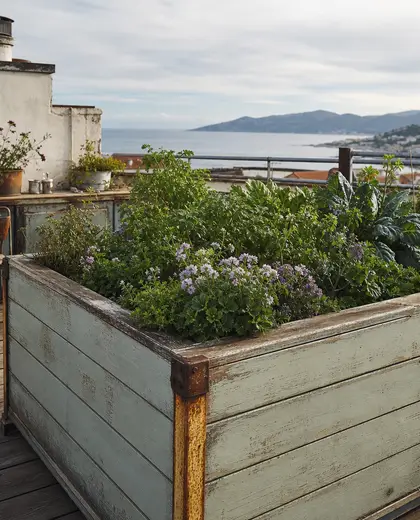
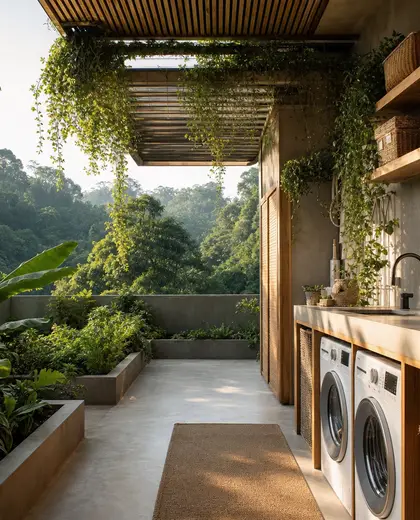
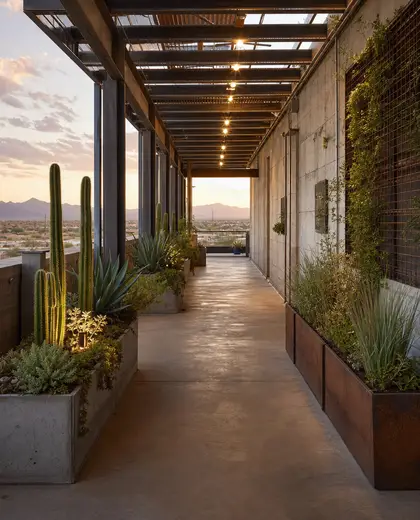
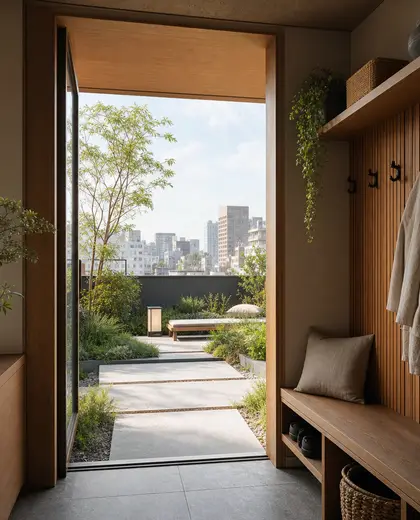
A rooftop garden is defined by a planted layer installed above the main roof structure, usually built over a waterproof membrane, drainage layer, root barrier, and lightweight growing medium. It typically uses paving, planters, timber or metal edging, gravel, and drought-tolerant planting to keep weight and maintenance in check. The composition reads as a mix of hardscape and vegetation, with visible irrigation and drainage details often integrated into the build.
- rooftop garden
— References
References to explore



Can any roof become a rooftop garden?
Not every roof can take one as-is. The structure needs to support the added weight of soil, plants, planters, and retained water, so a structural check is usually the first step.


What kind of plants work best?
Plants that tolerate wind, sun, and shallow soil tend to perform best, such as sedums, grasses, herbs, and hardy perennials. Deeper planters allow for shrubs and small trees if the structure supports them.



How much upkeep does a rooftop garden need?
Maintenance is usually moderate to high depending on the planting scheme and irrigation. Typical care includes watering, weeding, pruning, checking drainage, and replacing plants exposed to harsh rooftop conditions.









— The style
What defines it
Waterproofing membrane, root barrier, drainage board, lightweight soil, pavers, timber or metal planters, gravel, and selected planting.
Natural greens, weathered wood, stone gray, charcoal metal, and neutral concrete tones; often softened with seasonal color from foliage and flowers.
Roof terraces, penthouses, outdoor kitchens, seating areas, and low-profile privacy screens or pergolas.
— Professionals
Who has already built it
- vorbild architecturearchitects · 6 projectsView profile →
- kerem erbagci3d renderers · London · 9 projectsView profile →
- paquis norris group limitedbuilders · Reading · 3 projectsView profile →
- LoftRobejoiners · Guildford · 4 projectsView profile →
— Questions
Frequently asked questions
Can any roof become a rooftop garden?
Not every roof can take one as-is. The structure needs to support the added weight of soil, plants, planters, and retained water, so a structural check is usually the first step.
What kind of plants work best?
Plants that tolerate wind, sun, and shallow soil tend to perform best, such as sedums, grasses, herbs, and hardy perennials. Deeper planters allow for shrubs and small trees if the structure supports them.
How much upkeep does a rooftop garden need?
Maintenance is usually moderate to high depending on the planting scheme and irrigation. Typical care includes watering, weeding, pruning, checking drainage, and replacing plants exposed to harsh rooftop conditions.