— Ideas & inspiration
Bedroom ideas for a house
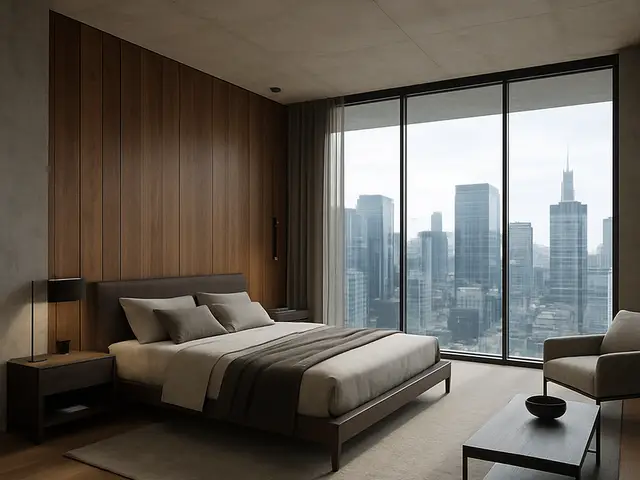
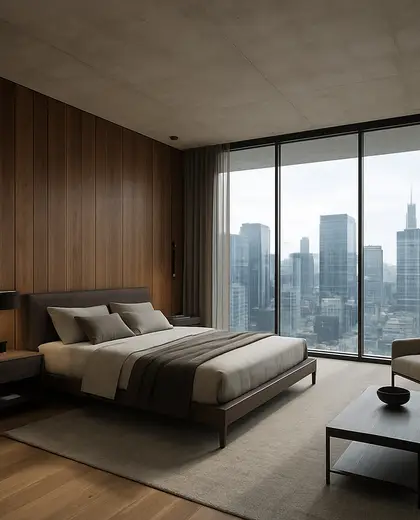
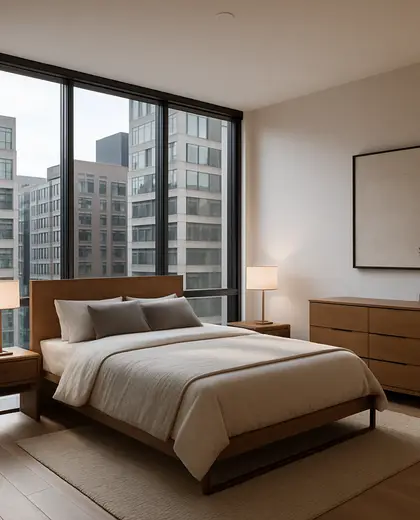
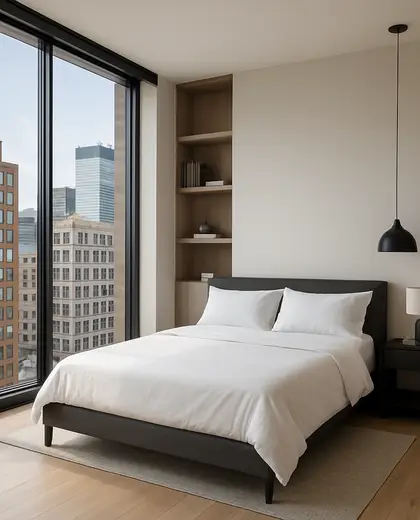
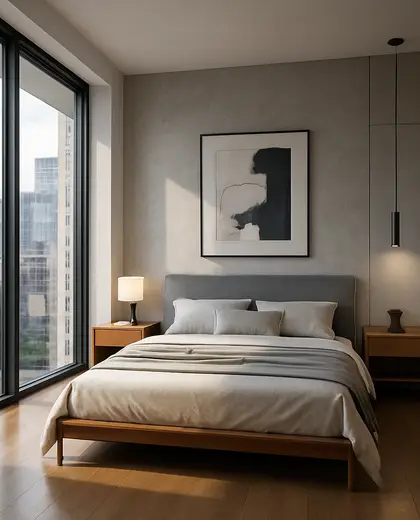
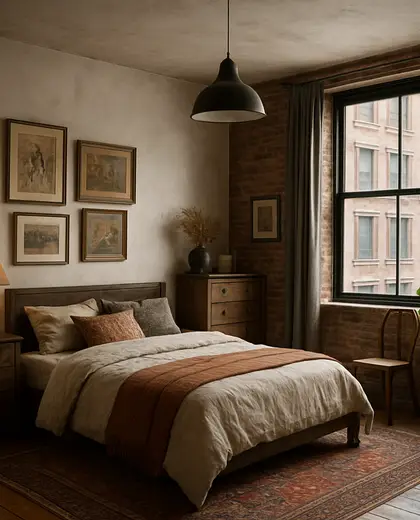
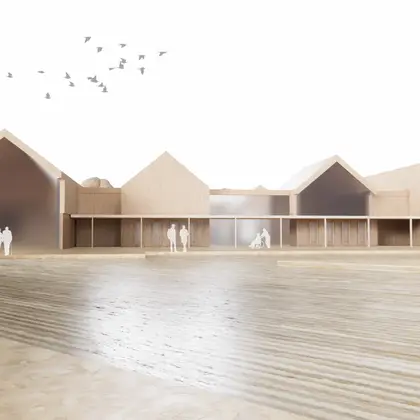
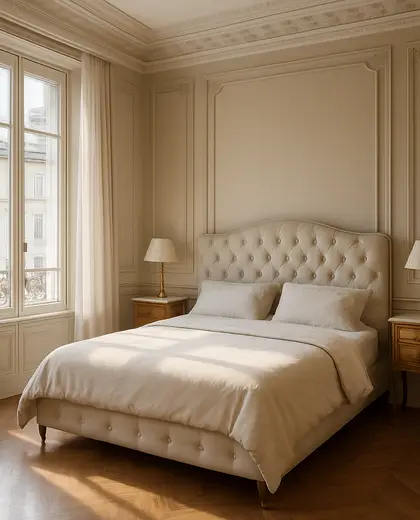
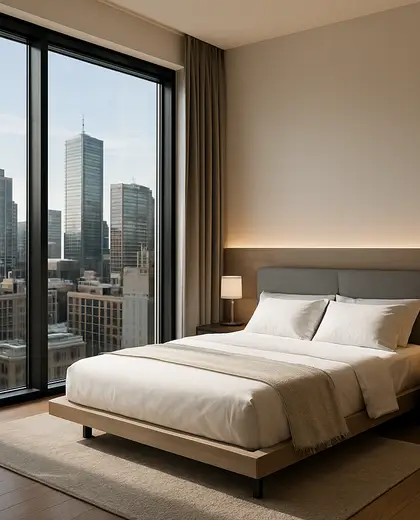
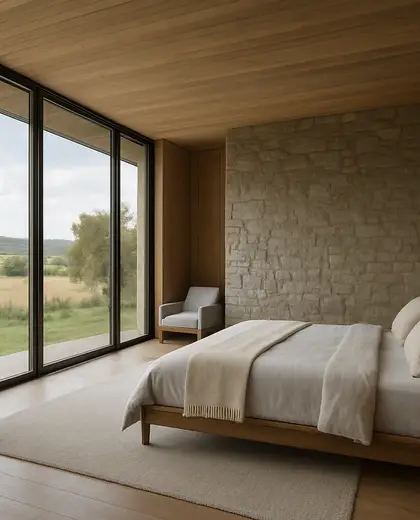
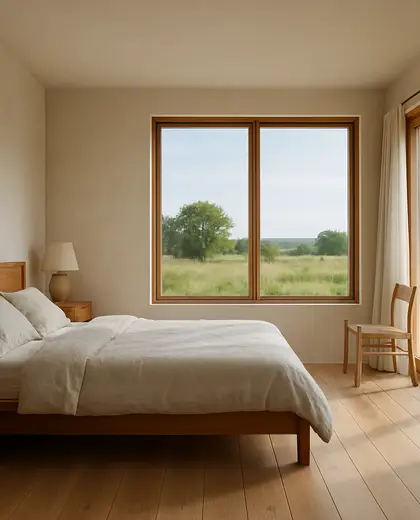
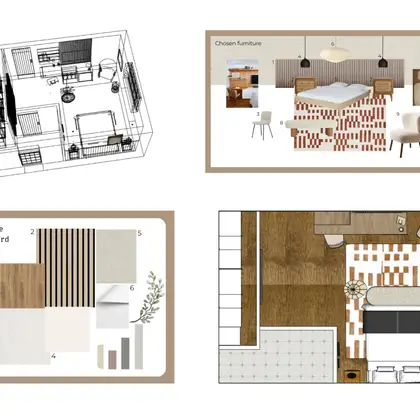
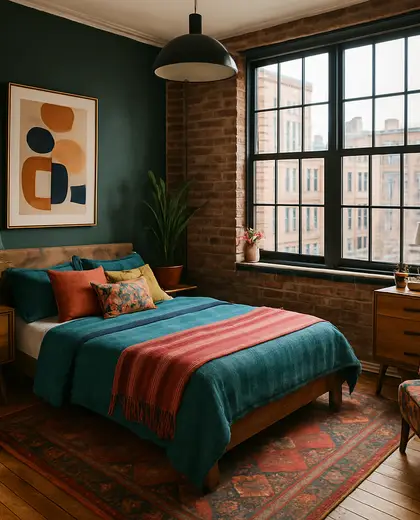
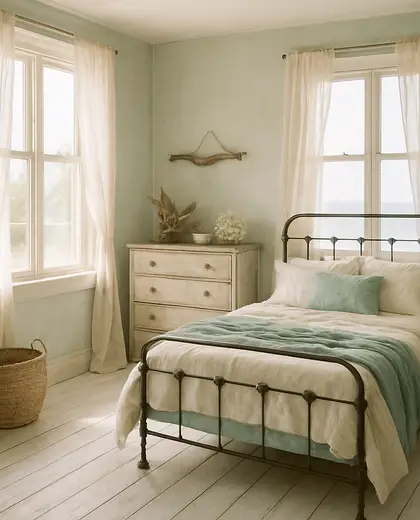
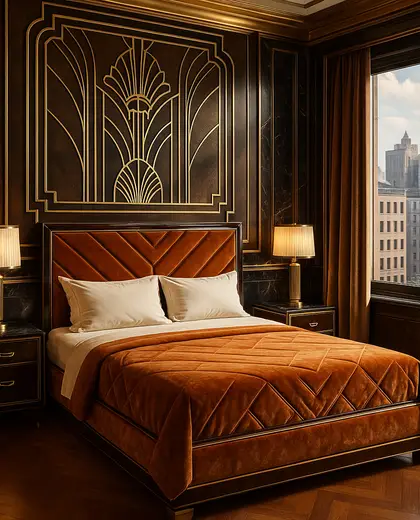
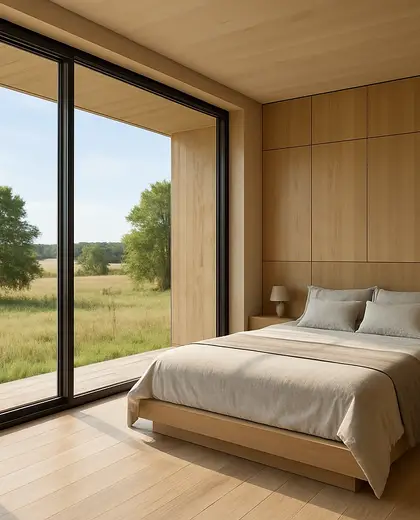
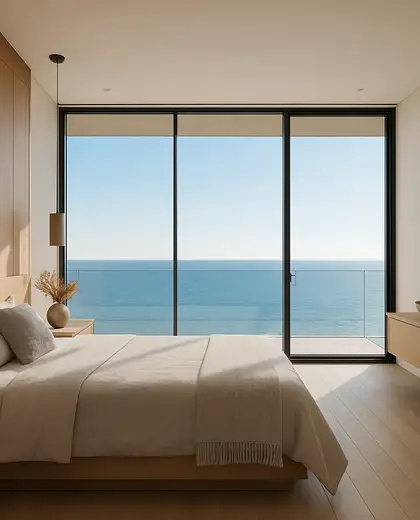
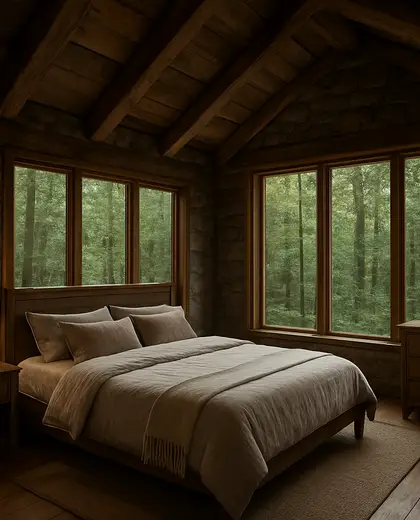
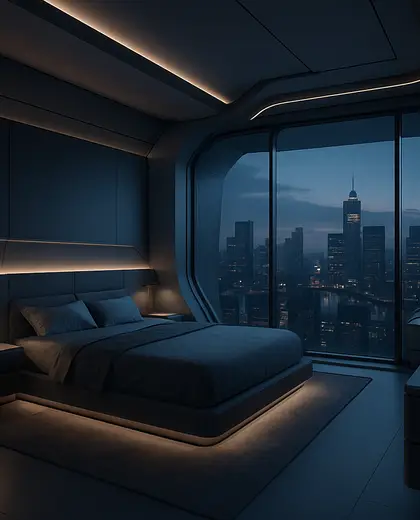
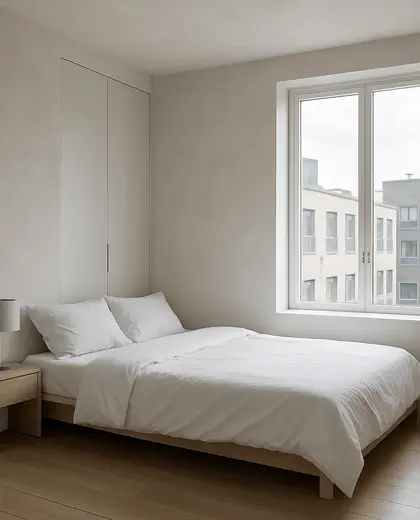
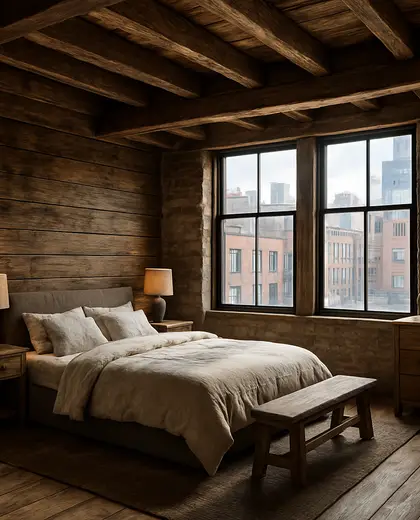
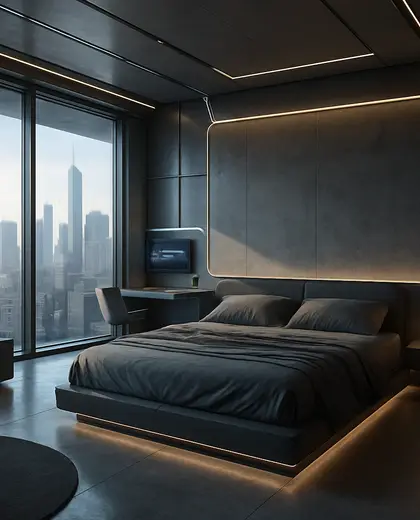
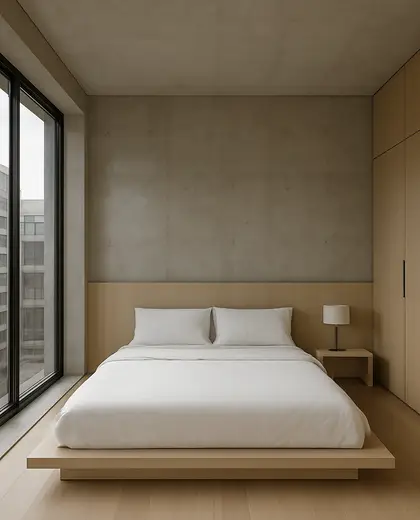
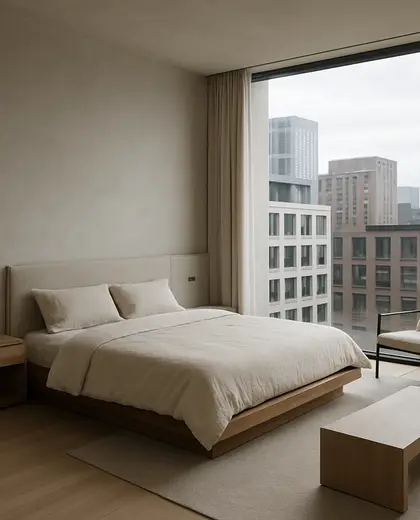
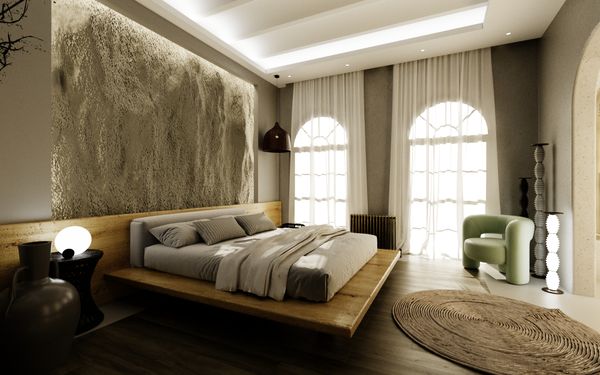
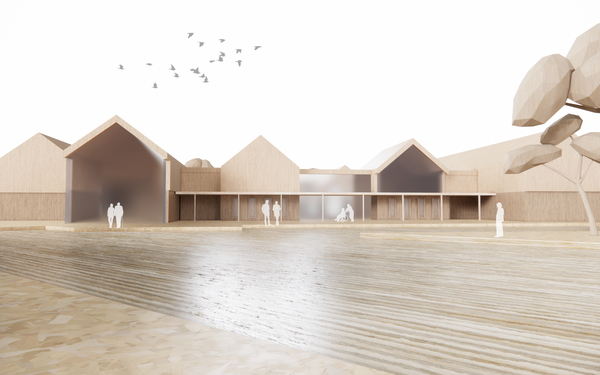
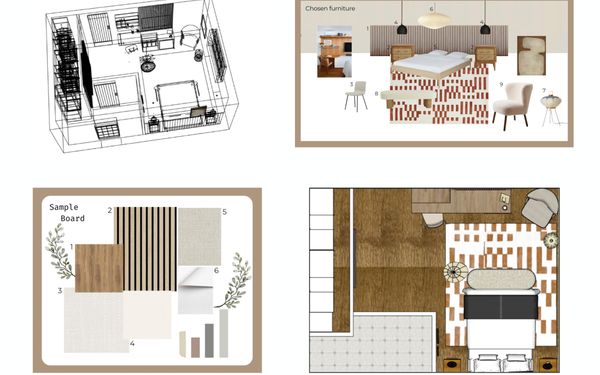
This composition centers on a bedroom designed as part of the wider house, so the room feels connected to the home’s architecture rather than treated as a separate box. It typically uses calm, durable materials such as painted plaster, timber flooring, natural textiles, and built-in storage, with a soft palette of whites, warm neutrals, muted greys, and restrained accent tones. The defining elements are proportion, daylight, privacy, and a clear transition between the bedroom and the rest of the house.
- bedroom
- house
— References
References to explore
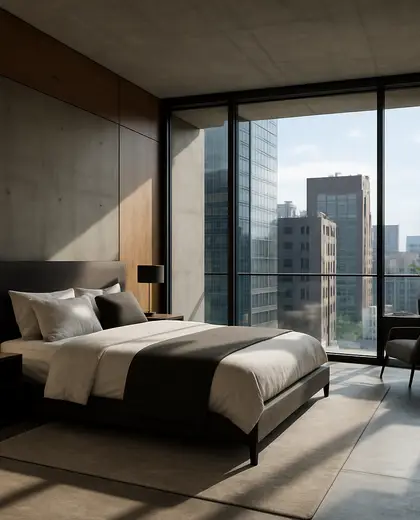
How should a bedroom relate to the rest of the house?
It should feel consistent with the home’s architecture, usually through repeated materials, matching finishes, or a shared color family, while still remaining quiet and private.
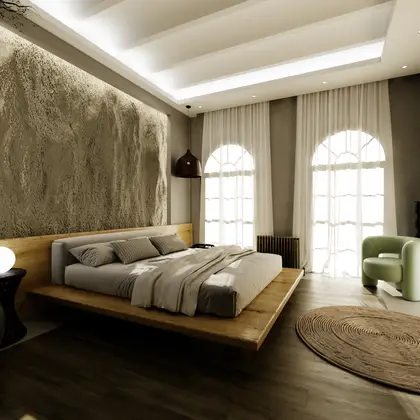
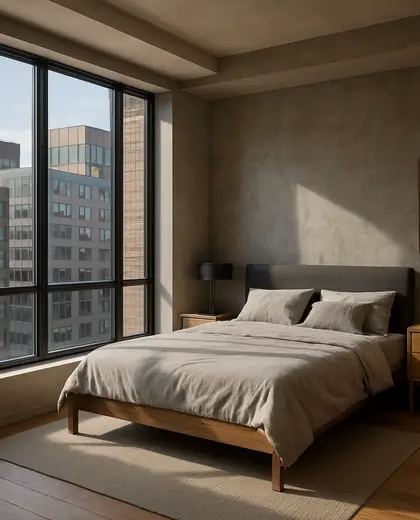
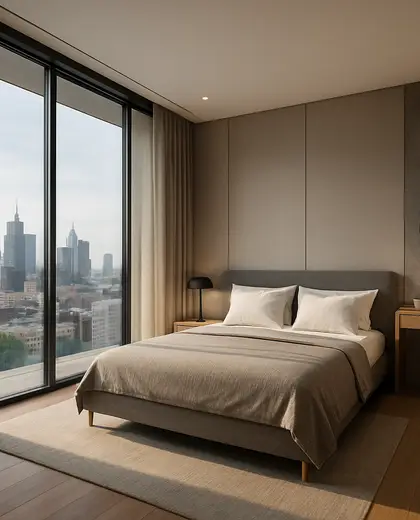
What materials work best in this type of bedroom?
Timber, plaster, simple millwork, and soft furnishings are common because they create warmth without visual clutter.
Can this composition work in both small and large houses?
Yes. In smaller houses it benefits from built-in storage and light colors, while in larger houses it can use proportion, layered textures, and views to anchor the room within the plan.
— The style
What defines it
Painted walls, timber floors, linen or cotton bedding, and integrated joinery are common.
Soft neutrals usually lead, with white, beige, sand, grey, and occasional muted color accents.
It connects the private bedroom with the circulation, structure, and overall material language of the house.
— Professionals
Who has already built it



- paquis norris group limitedbuilders · Reading · 3 projectsView profile →
- LoftRobejoiners · Guildford · 4 projectsView profile →
- Beneito Faurelighting designers · 2 projectsView profile →
- Lusso Stonetile suppliers · Stocktonontees · 7 projectsView profile →
— Questions
Frequently asked questions
How should a bedroom relate to the rest of the house?
It should feel consistent with the home’s architecture, usually through repeated materials, matching finishes, or a shared color family, while still remaining quiet and private.
What materials work best in this type of bedroom?
Timber, plaster, simple millwork, and soft furnishings are common because they create warmth without visual clutter.
Can this composition work in both small and large houses?
Yes. In smaller houses it benefits from built-in storage and light colors, while in larger houses it can use proportion, layered textures, and views to anchor the room within the plan.