— Ideas & inspiration
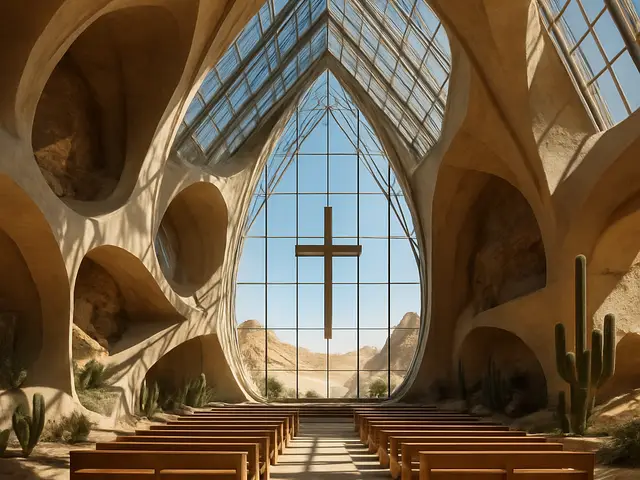
A church shaped by desert light
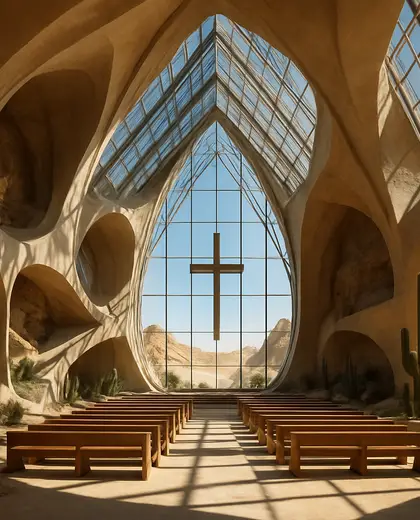
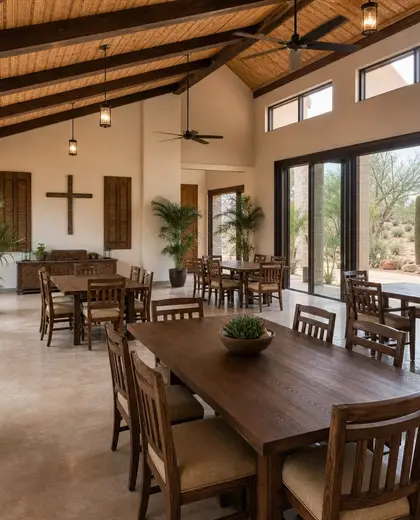
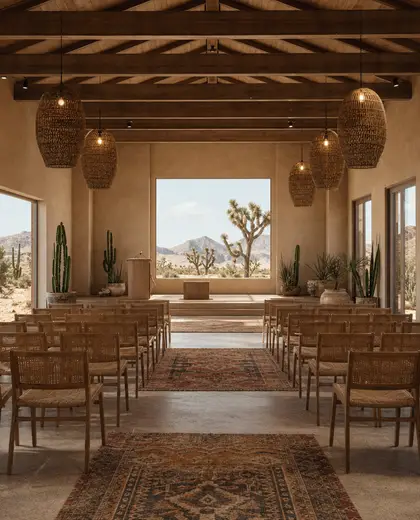
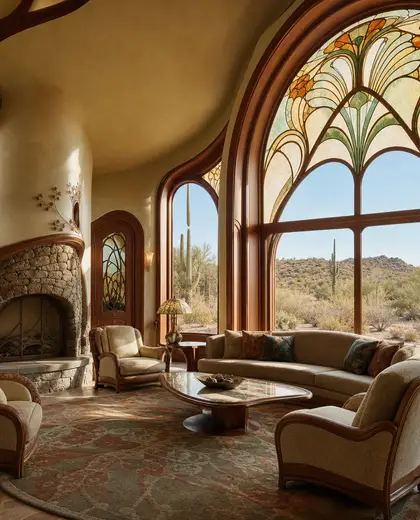
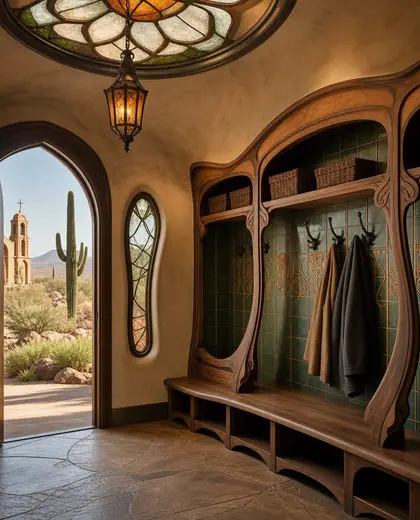
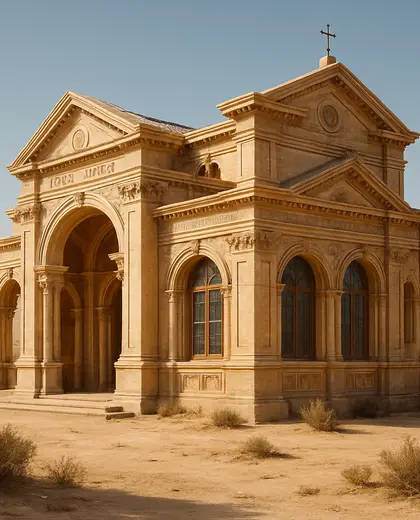
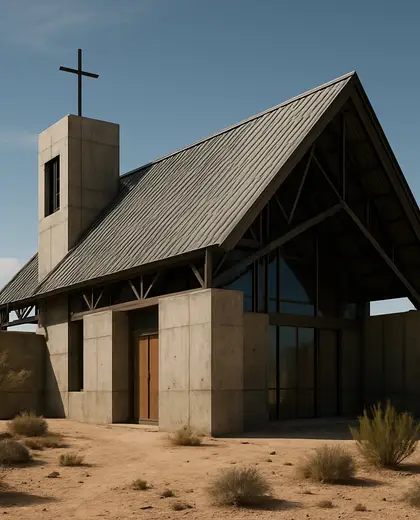
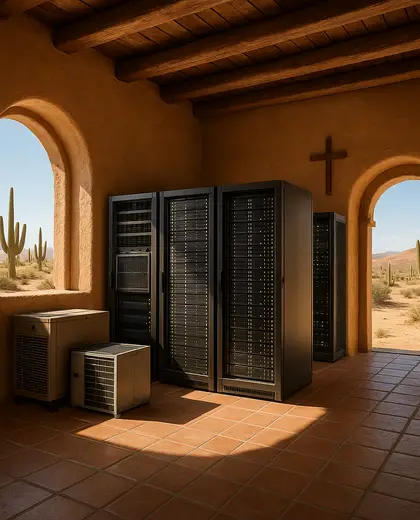
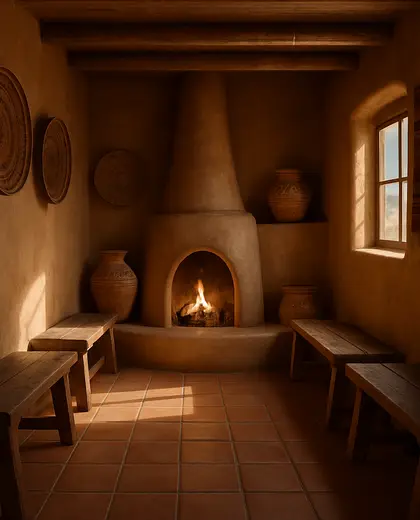
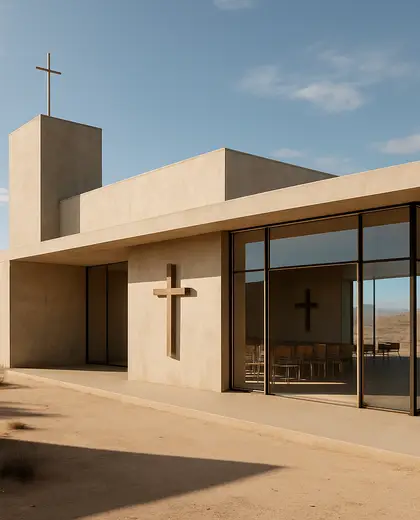
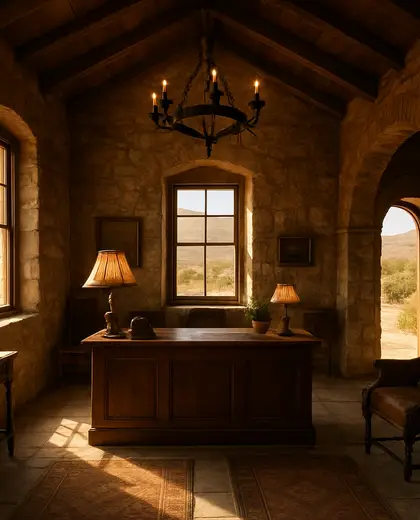
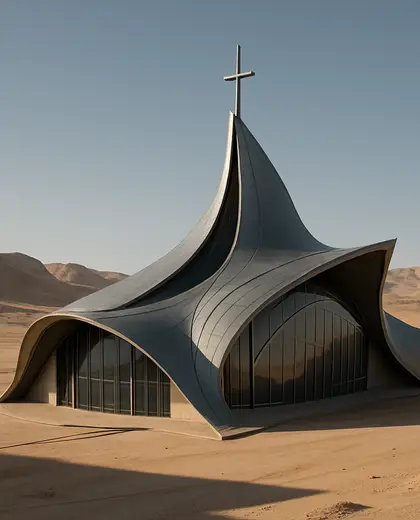
This composition is defined by solid masonry or plaster walls, deep openings, and simple rooflines that hold up under harsh sun and dry air. The palette usually stays close to sand, clay, bone, and weathered timber, with stone or stucco textures doing most of the work. Arches, courtyards, bell forms, and shaded thresholds give the building its church character while the desert setting keeps it sparse and grounded.
- church
- desert
— References
References to explore
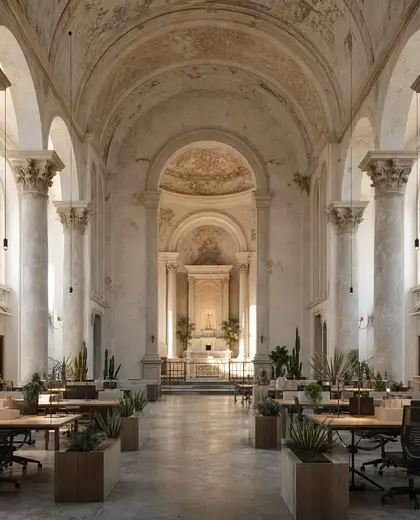
How do you make a church feel suited to a desert site?
Use thick walls, minimal exterior ornament, shaded entries, and narrow or recessed openings to manage heat and glare. Courtyards and covered transition spaces help the building feel calm and grounded.
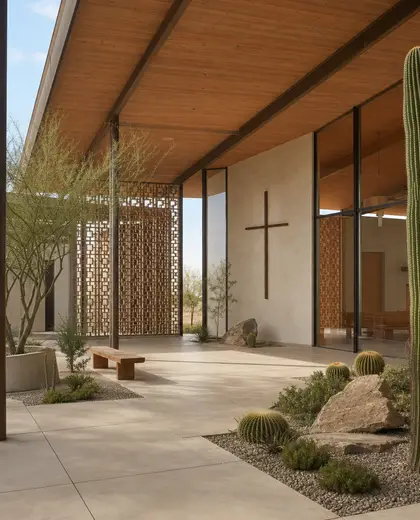
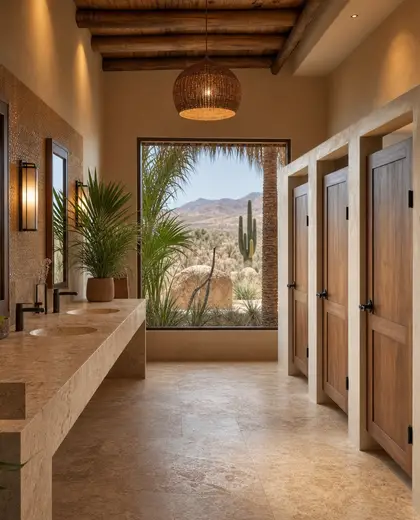
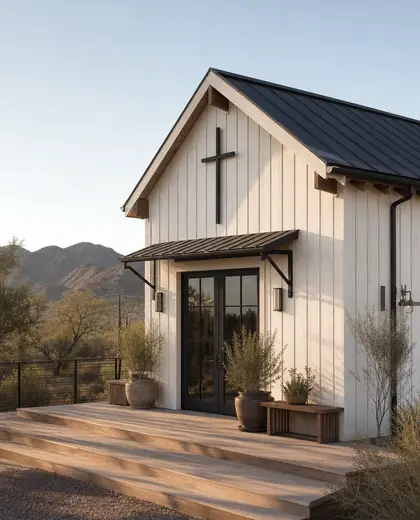
What materials work best for this look?
Mineral finishes like stucco, plaster, stone, and brick are common, often paired with timber or metal accents. The goal is a durable shell with a tactile, weathered surface.
Does this style have to look traditional?
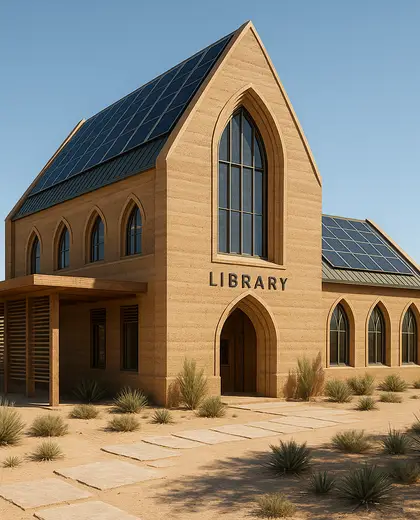
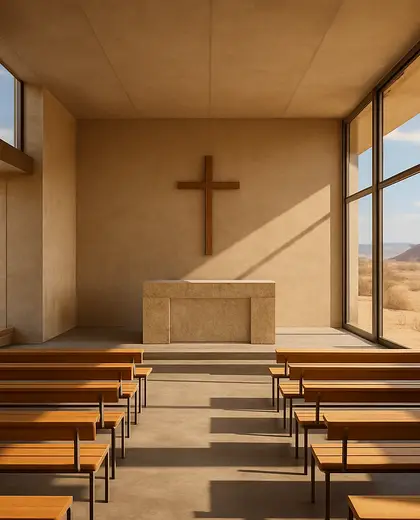
No. It can be contemporary as long as it keeps the essential cues: quiet massing, warm neutral tones, and a strong relationship to light and shade. The church identity can come through proportion and spatial sequence rather than decoration.
— The style
What defines it
Plaster, stucco, clay brick, stone, timber, and metal details that can handle intense heat and dryness.
Sand, adobe, ivory, warm gray, terracotta, and sun-faded brown, often with low-contrast finishes.
Sacred church elements like a nave, altar wall, bell tower, or chapel entry with desert architecture cues such as thick walls, shaded recesses, and courtyard planning.
— Professionals
Who has already built it
- LoftRobejoiners · Guildford · 4 projectsView profile →
- Beneito Faurelighting designers · 2 projectsView profile →
- Lusso Stonetile suppliers · Stocktonontees · 7 projectsView profile →
- elizabeth bee interior deinterior designers · 4 projectsView profile →
— Explore
Keep exploring
— Questions
Frequently asked questions
How do you make a church feel suited to a desert site?
Use thick walls, minimal exterior ornament, shaded entries, and narrow or recessed openings to manage heat and glare. Courtyards and covered transition spaces help the building feel calm and grounded.
What materials work best for this look?
Mineral finishes like stucco, plaster, stone, and brick are common, often paired with timber or metal accents. The goal is a durable shell with a tactile, weathered surface.
Does this style have to look traditional?
No. It can be contemporary as long as it keeps the essential cues: quiet massing, warm neutral tones, and a strong relationship to light and shade. The church identity can come through proportion and spatial sequence rather than decoration.