— Ideas & inspiration
Church composition
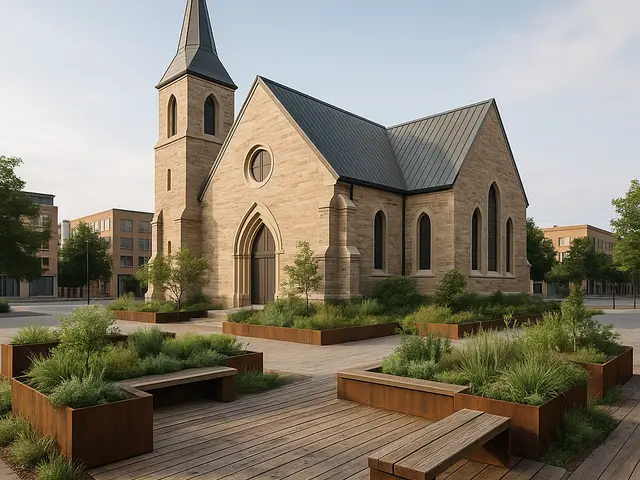
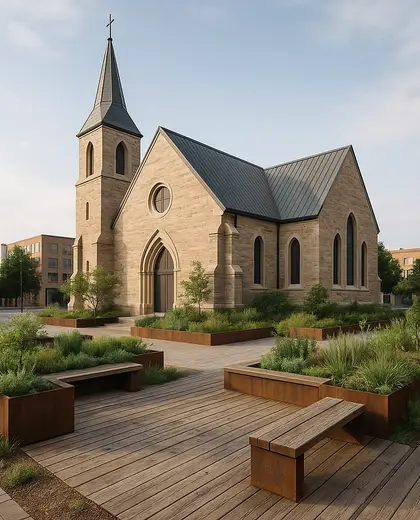
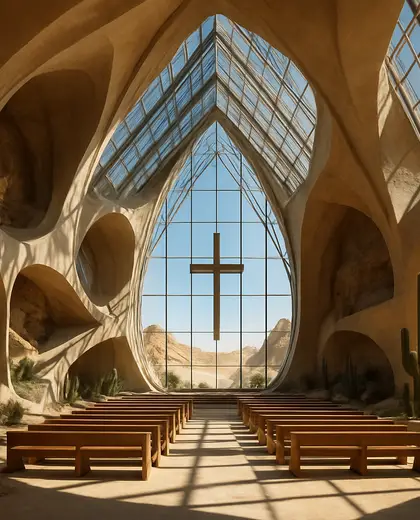
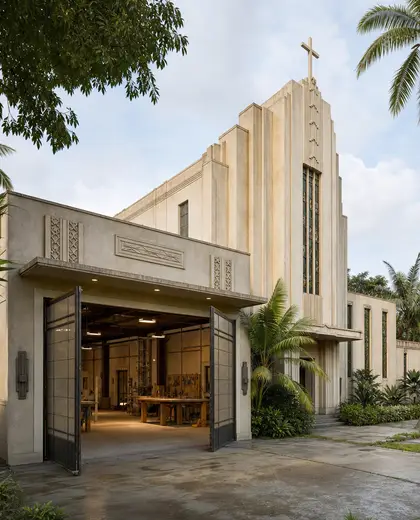
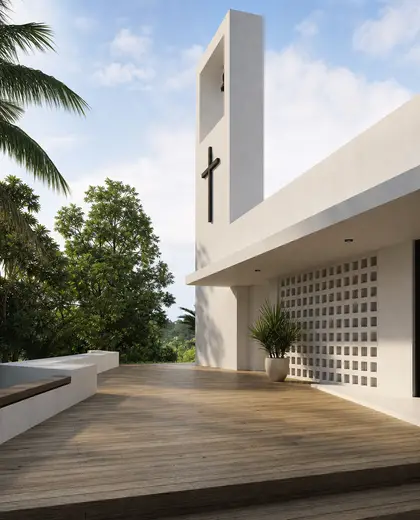
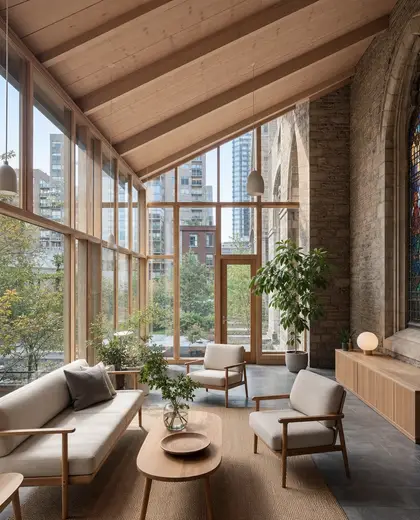
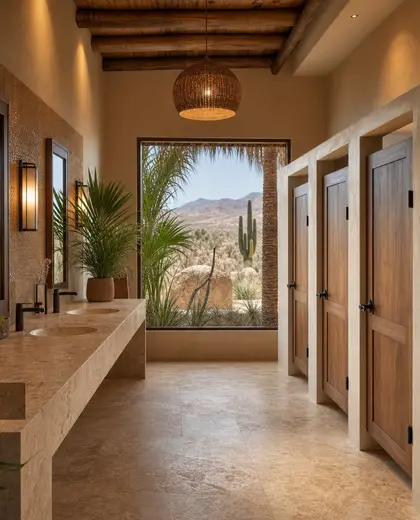
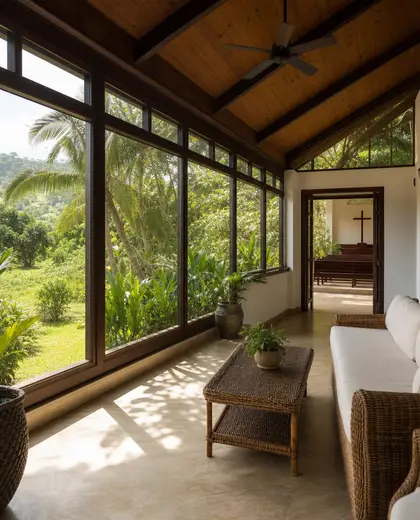
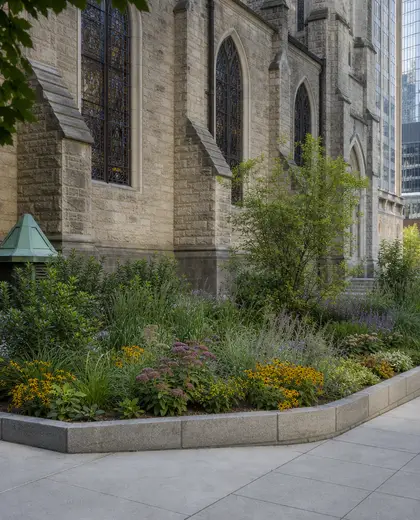
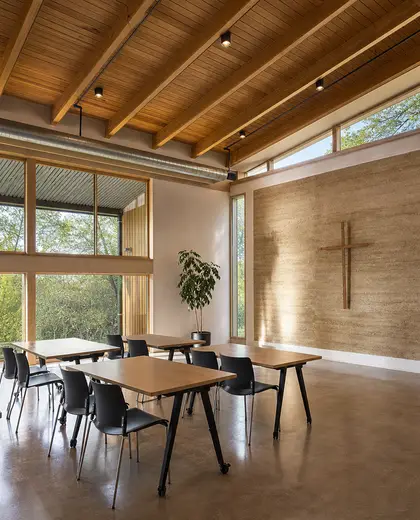
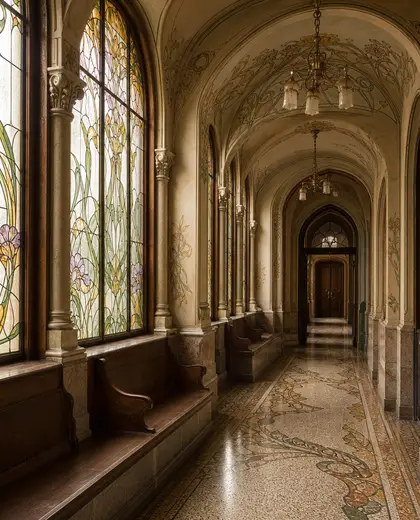
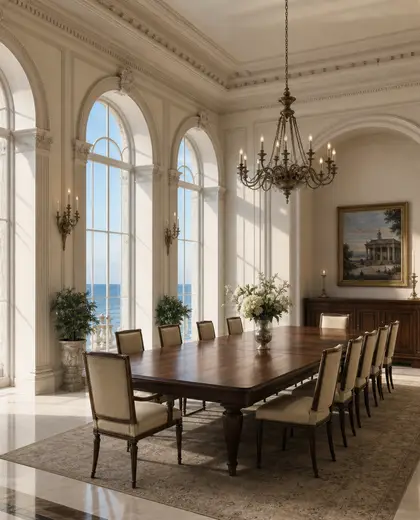
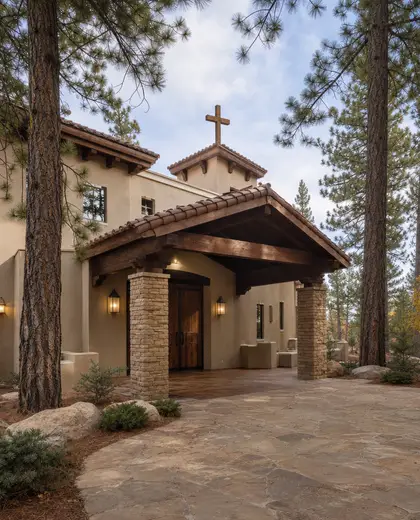
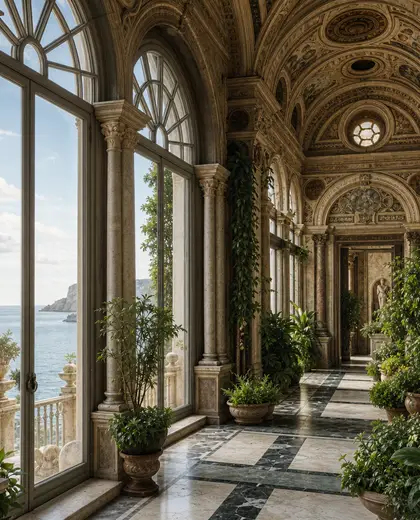
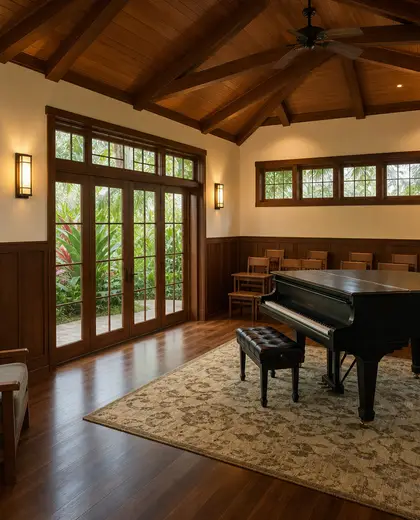
A church composition is defined by stone, brick, timber, and stained or clear glass, often with tall vertical forms and a restrained structure. The palette is usually neutral and muted: white, grey, beige, warm wood, and dark metal, with light used as a central design element through tall windows, clerestories, or a nave-like volume. It often combines with simple plaster walls, exposed beams, arched openings, and minimal ornament to keep the space calm and reverent.
- church
— References
References to explore
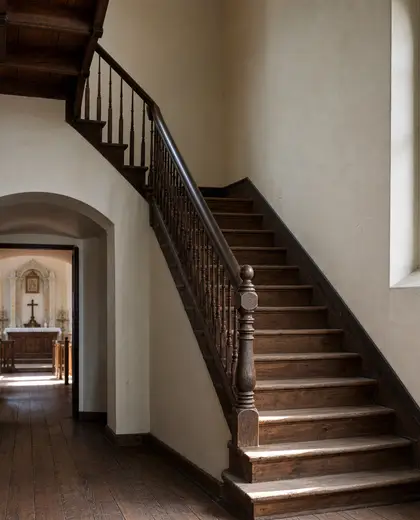
Can a church composition feel modern without losing its character?
Yes. The composition can be simplified with cleaner lines, less ornament, and updated materials while keeping the verticality, light, and sense of volume.
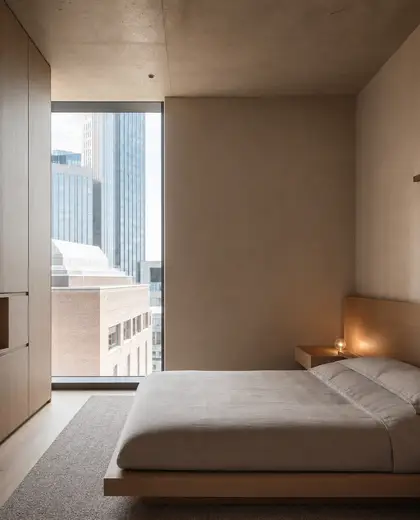
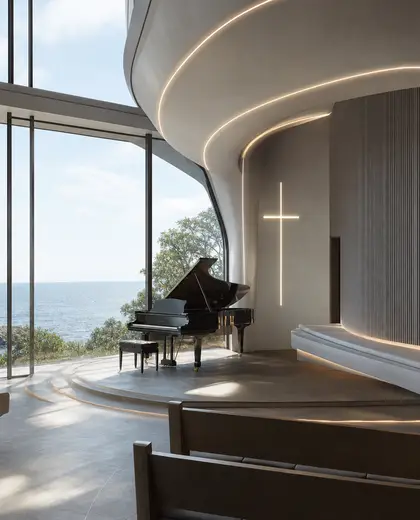
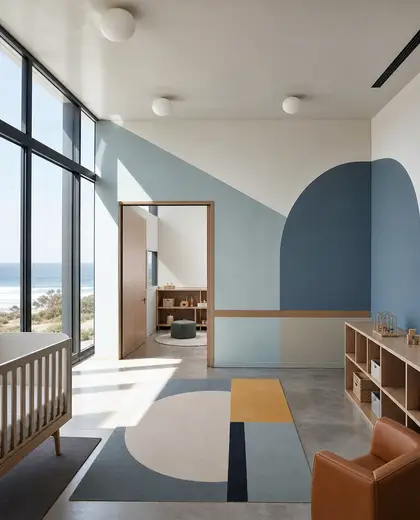
Does this composition require traditional materials only?
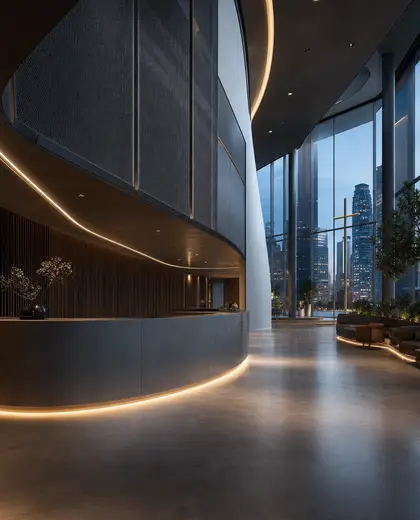
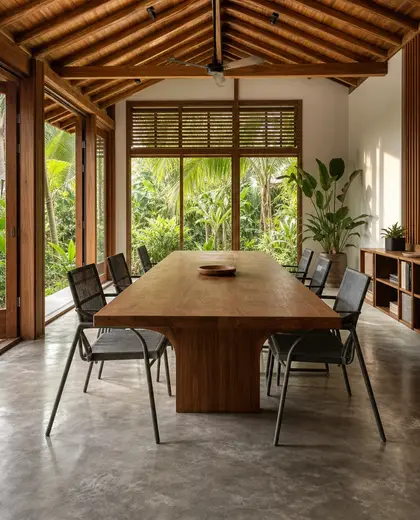
No. Traditional materials set the tone, but contemporary versions can use concrete, steel, and large glazing as long as the overall proportions and calm palette remain consistent.

Is this composition suitable for a small home?
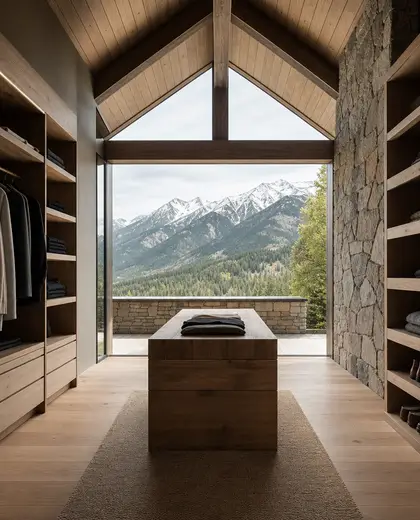
It can be adapted, but the key is to suggest height, light, and a restrained material palette rather than copying the scale of an actual church.

— The style
What defines it
Stone, brick, timber, plaster, glass, and dark metal are the most common materials.
Neutral and earthy tones dominate: white, cream, grey, beige, warm brown, and black accents.
Pairs well with arched forms, tall ceilings, ribbed or exposed timber structures, and understated lighting.
— Professionals
Who has already built it
- maria mateaarchitects · London · 7 projectsView profile →
- kerem erbagci3d renderers · London · 9 projectsView profile →
- paquis norris group limitedbuilders · Reading · 3 projectsView profile →
- LoftRobejoiners · Guildford · 4 projectsView profile →
— Explore
Keep exploring
— Questions
Frequently asked questions
Can a church composition feel modern without losing its character?
Yes. The composition can be simplified with cleaner lines, less ornament, and updated materials while keeping the verticality, light, and sense of volume.
Does this composition require traditional materials only?
No. Traditional materials set the tone, but contemporary versions can use concrete, steel, and large glazing as long as the overall proportions and calm palette remain consistent.
Is this composition suitable for a small home?
It can be adapted, but the key is to suggest height, light, and a restrained material palette rather than copying the scale of an actual church.