— Ideas & inspiration
Quiet lines in alpine light
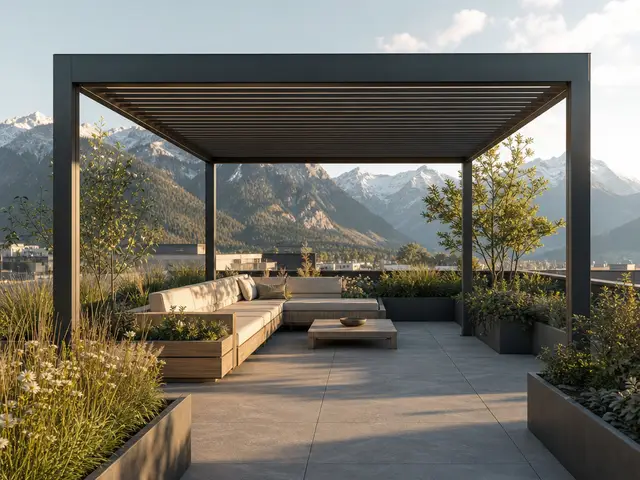
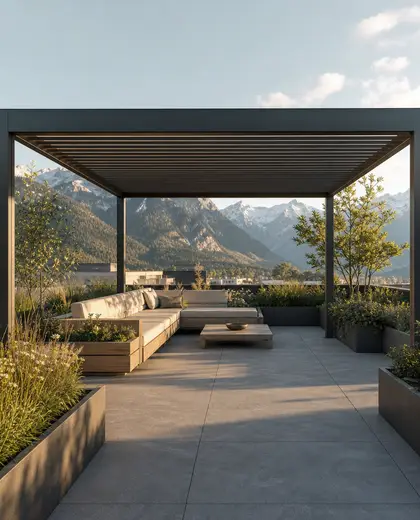
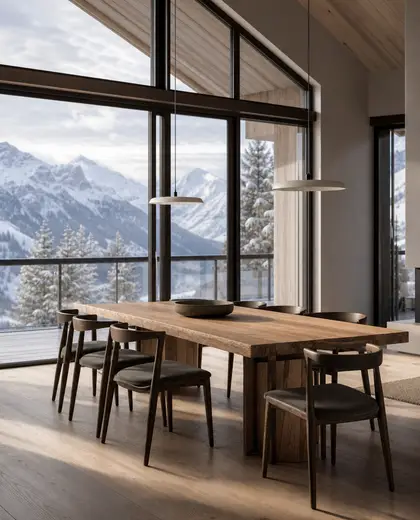
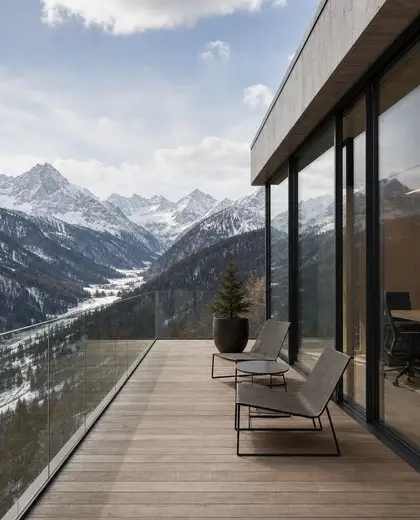
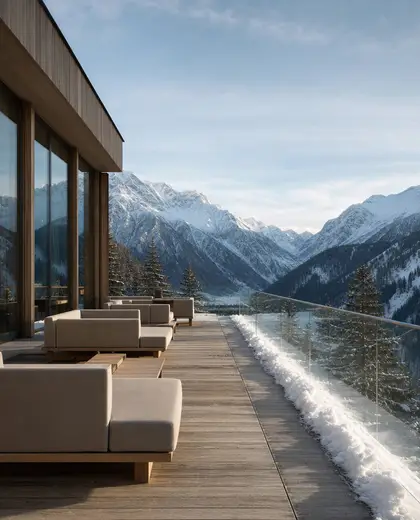
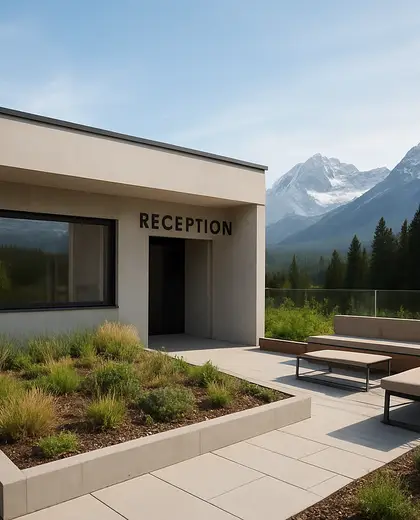
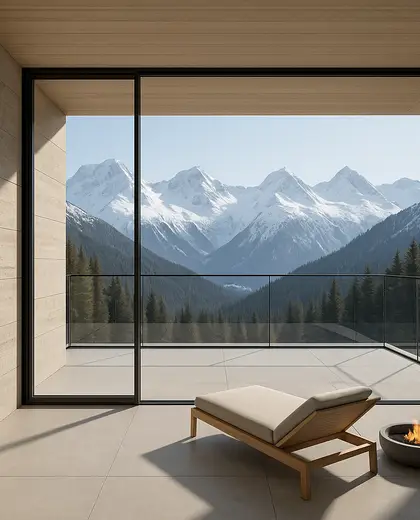
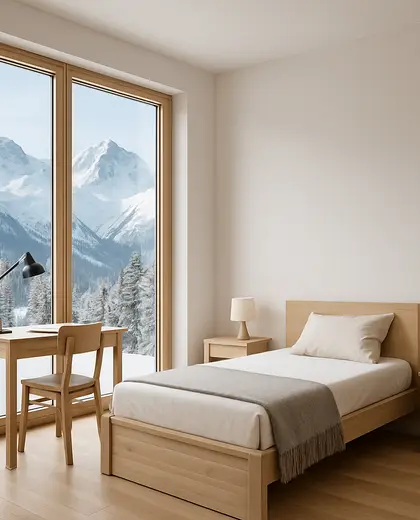
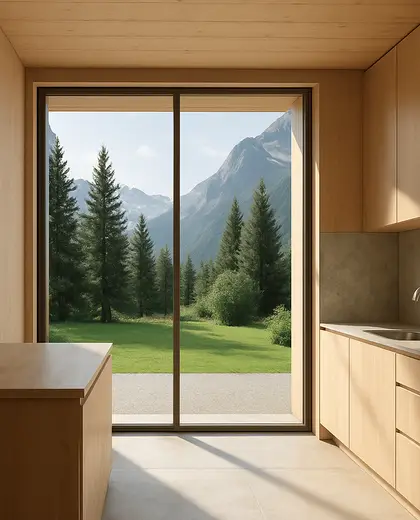
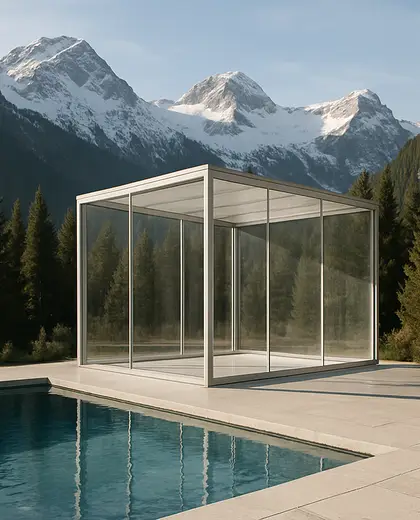
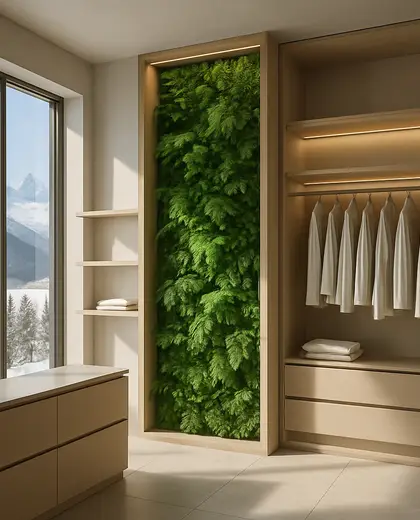
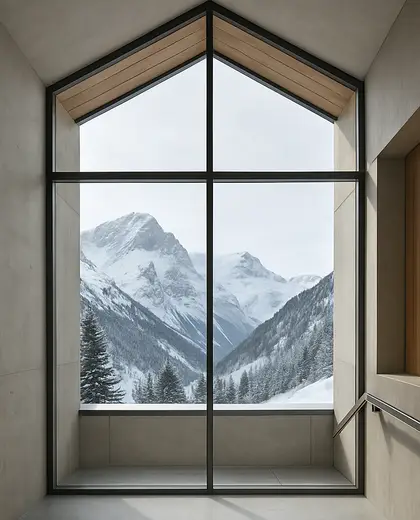
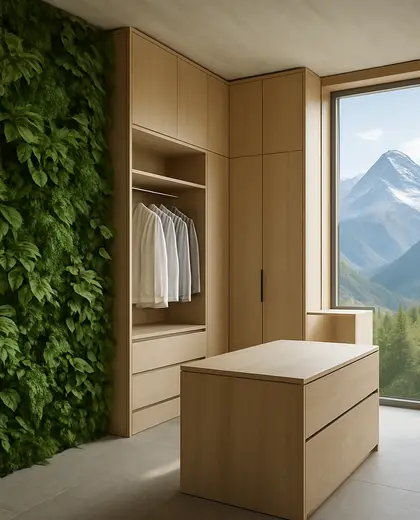
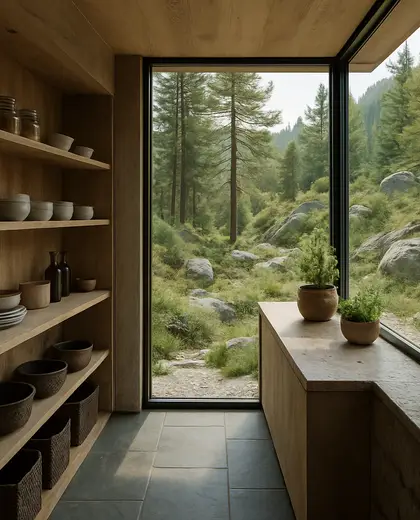
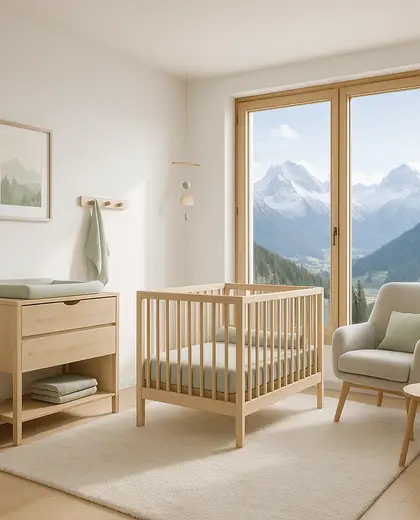
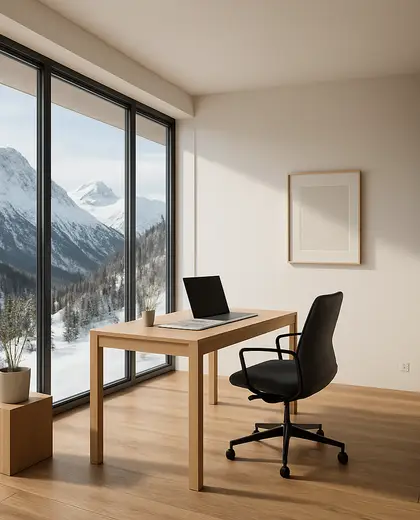
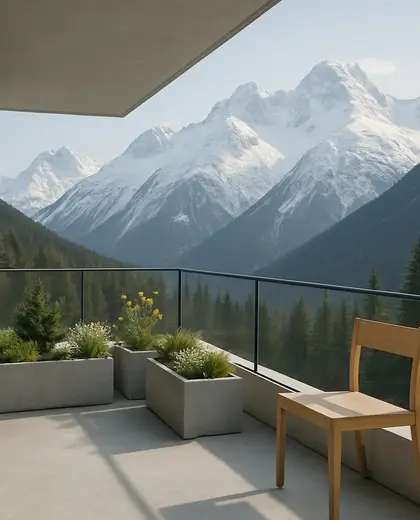
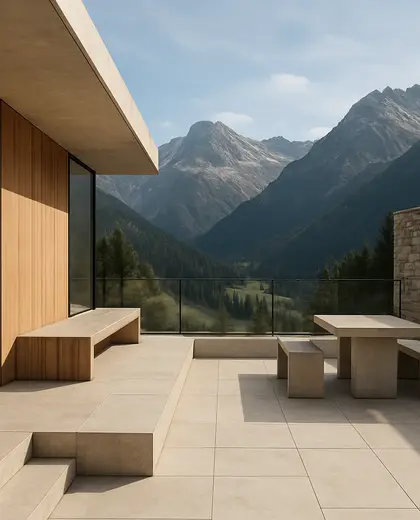
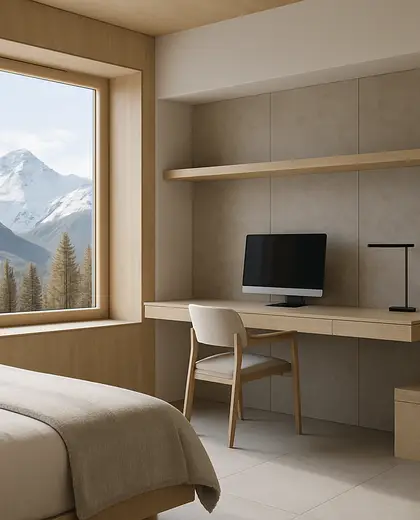
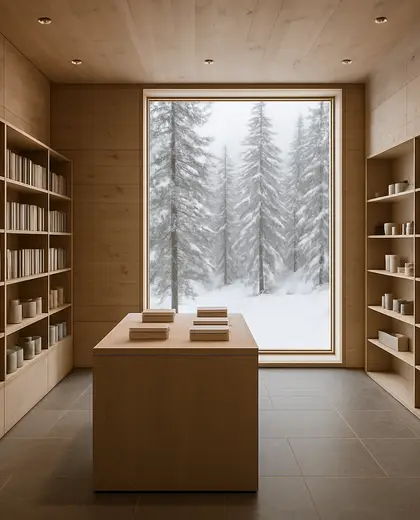
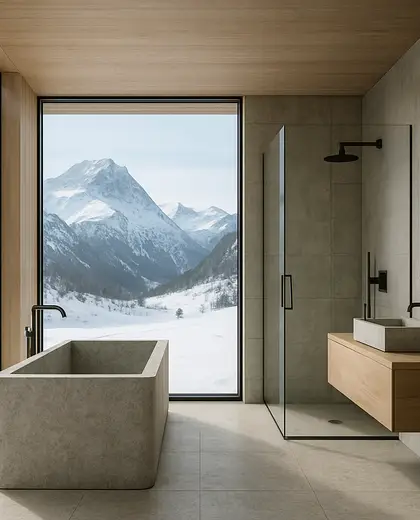
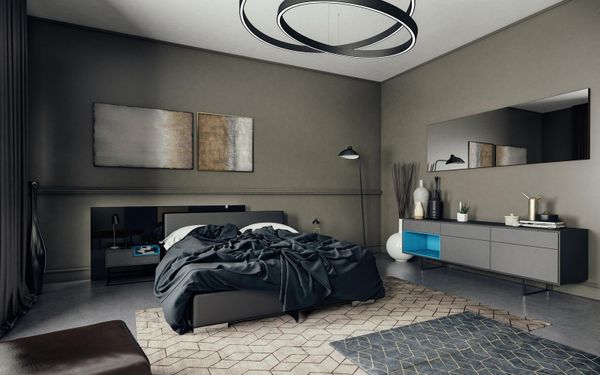
This composition pairs restrained minimalist forms with alpine character through simple masses, sharp rooflines, and a strong connection to the landscape. Materials usually feel honest and tactile: timber, stone, plaster, and metal, kept in clean details and natural finishes. The palette stays muted, with warm neutrals, grey stone, weathered wood, and dark accents that sit well against snow and sky.
- minimalist
- alpine
— References
References to explore
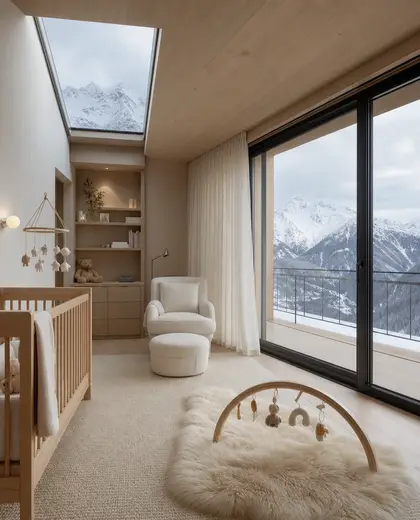
How do you make a minimalist alpine house feel warm rather than stark?
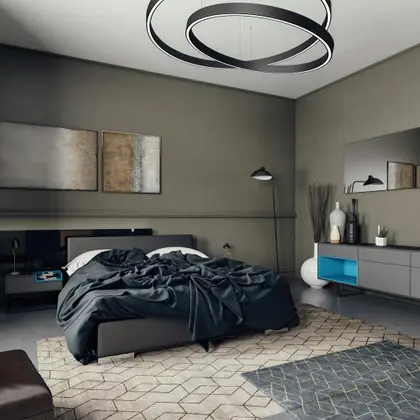
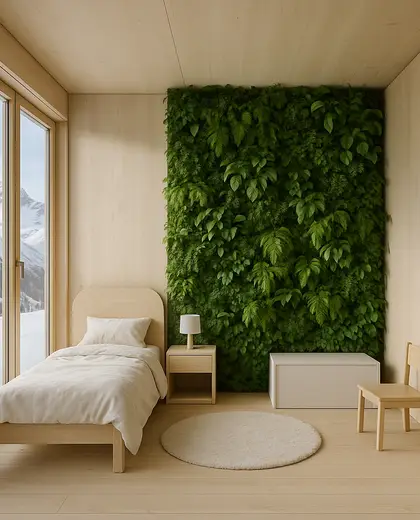
Use natural materials with visible texture, especially wood and stone, and keep the interior palette soft and layered. Built-in furniture, warm lighting, and limited but intentional detailing help balance the simplicity.
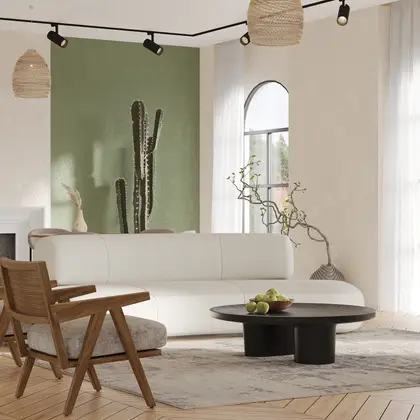
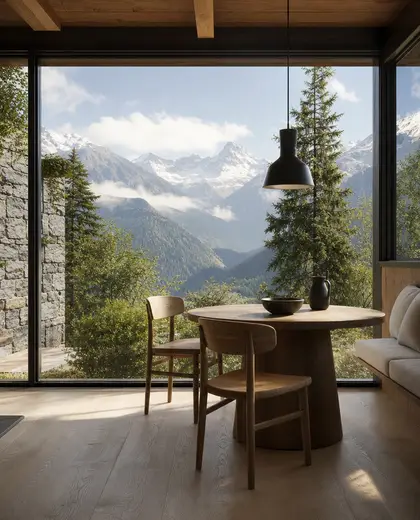
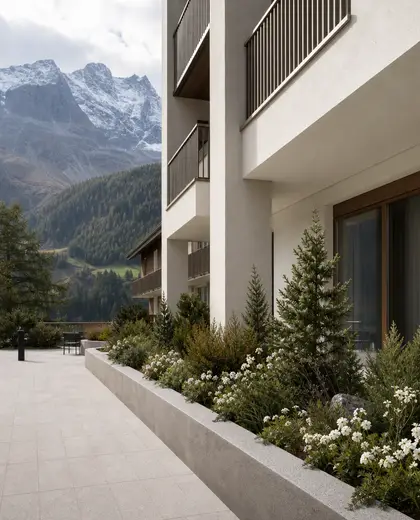
Does this style only work in snowy mountain settings?
No. It is strongest in alpine landscapes, but the same approach can be adapted to hillside, forest, or cool-climate sites where clean forms and natural materials suit the context.
What roof shape usually fits this composition?
Simple pitched or gabled roofs are common because they echo alpine vernacular and handle snow and weather well. The silhouette is usually kept clean, with minimal overhangs and precise edges.
— The style
What defines it
Timber, local stone, lime plaster, board-formed concrete, and matte metal are common, with surfaces left simple and natural.
Soft whites, warm greys, charcoal, weathered brown, and deep black create a calm backdrop for alpine light and scenery.
This style works well with sloped sites, panoramic glazing, compact plans, sheltered terraces, and details that frame mountain views.
— Professionals
Who has already built it
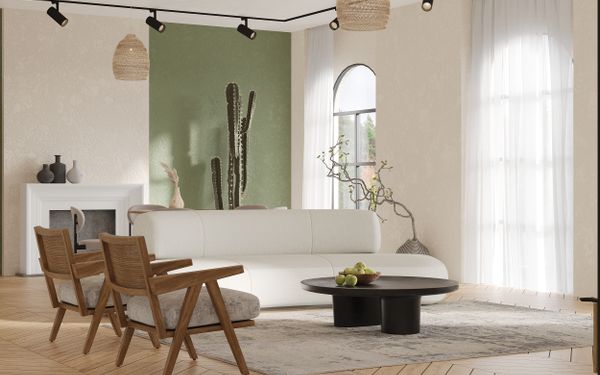


- paquis norris group limitedbuilders · Reading · 3 projectsView profile →
- LoftRobejoiners · Guildford · 4 projectsView profile →
- Beneito Faurelighting designers · 2 projectsView profile →
- Lusso Stonetile suppliers · Stocktonontees · 7 projectsView profile →
— Explore
Keep exploring
— Questions
Frequently asked questions
How do you make a minimalist alpine house feel warm rather than stark?
Use natural materials with visible texture, especially wood and stone, and keep the interior palette soft and layered. Built-in furniture, warm lighting, and limited but intentional detailing help balance the simplicity.
Does this style only work in snowy mountain settings?
No. It is strongest in alpine landscapes, but the same approach can be adapted to hillside, forest, or cool-climate sites where clean forms and natural materials suit the context.
What roof shape usually fits this composition?
Simple pitched or gabled roofs are common because they echo alpine vernacular and handle snow and weather well. The silhouette is usually kept clean, with minimal overhangs and precise edges.