— Ideas & inspiration
Minimalist calm shaped by desert light
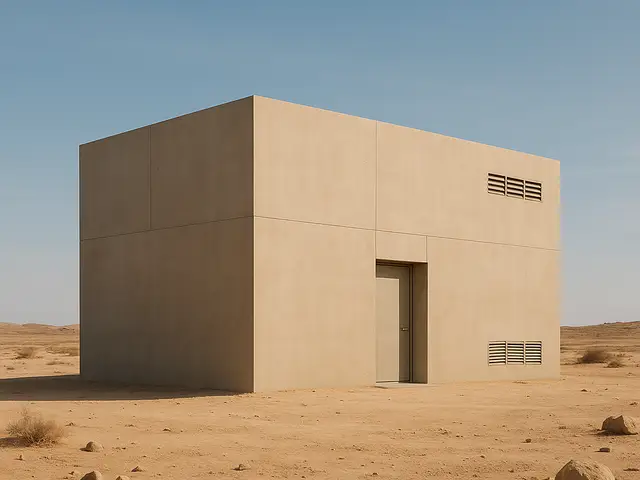
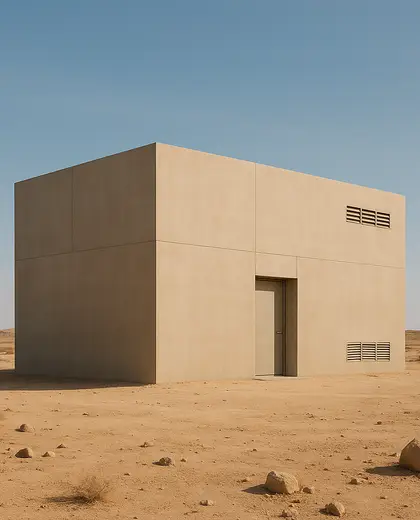
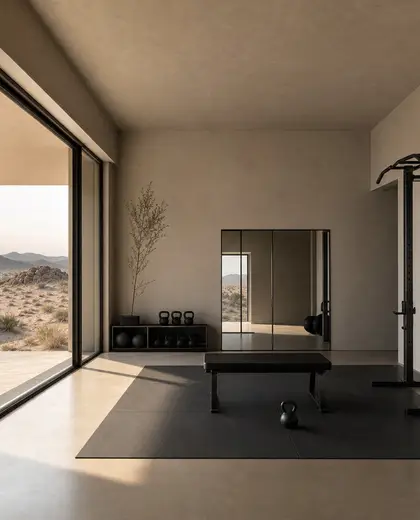
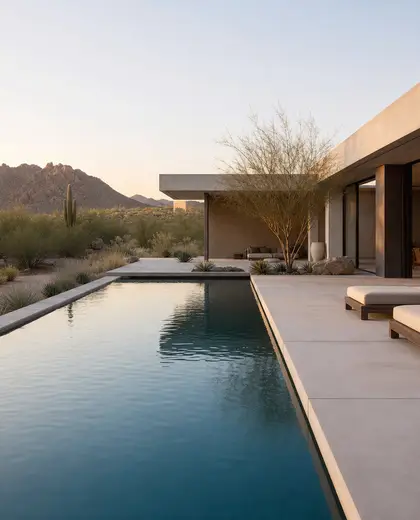
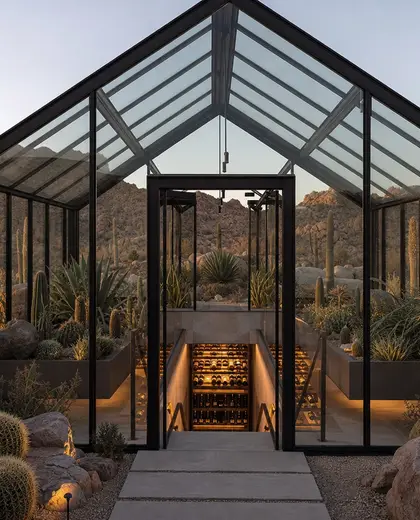
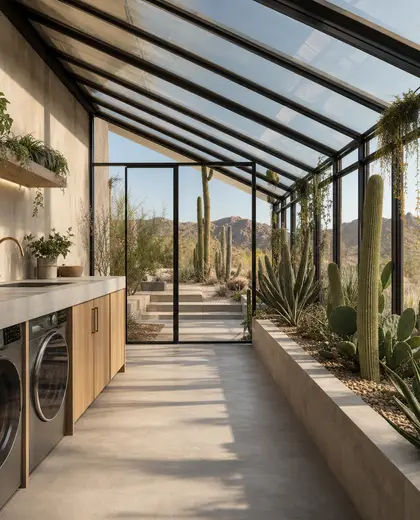
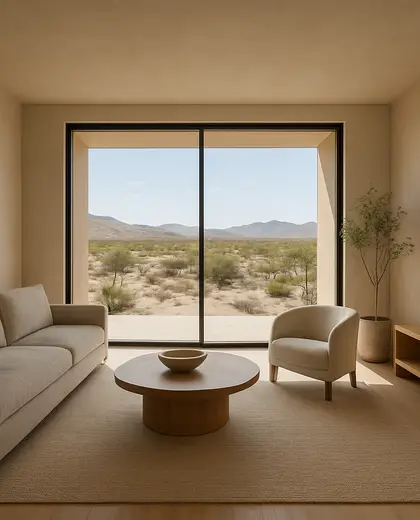
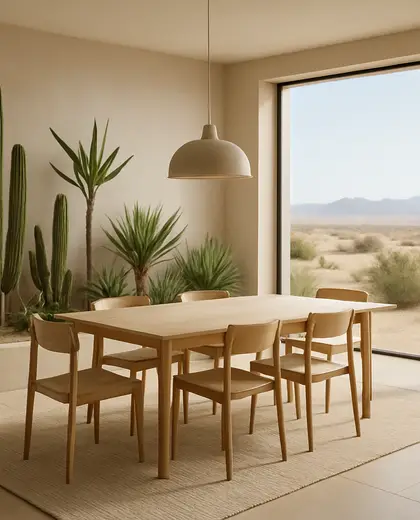
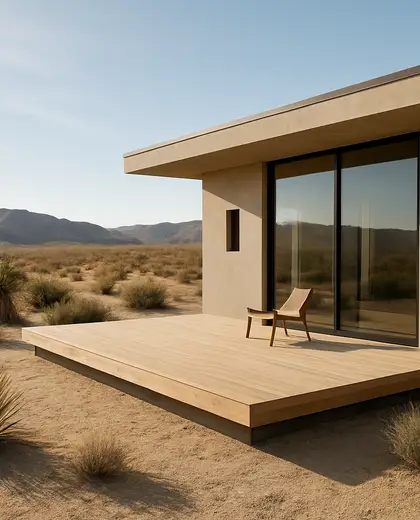
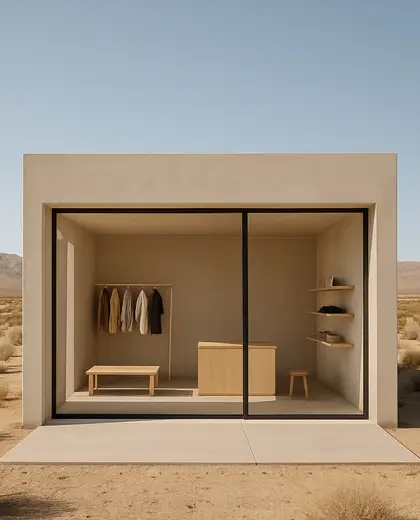
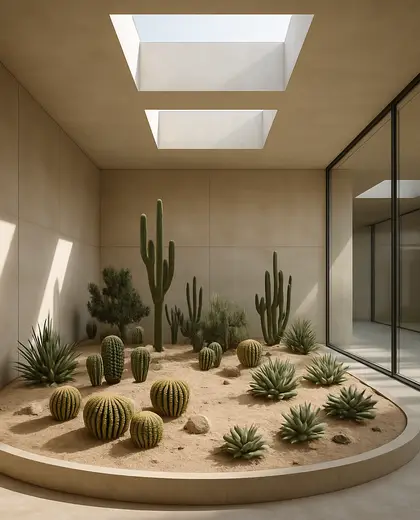
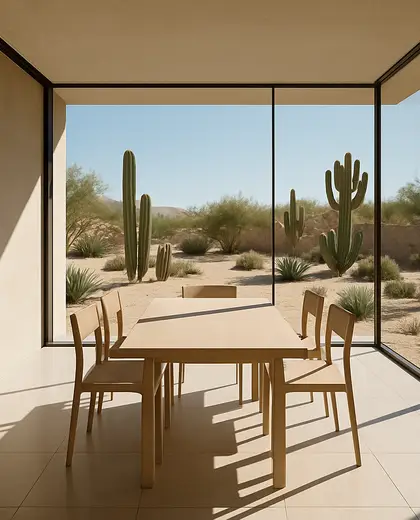
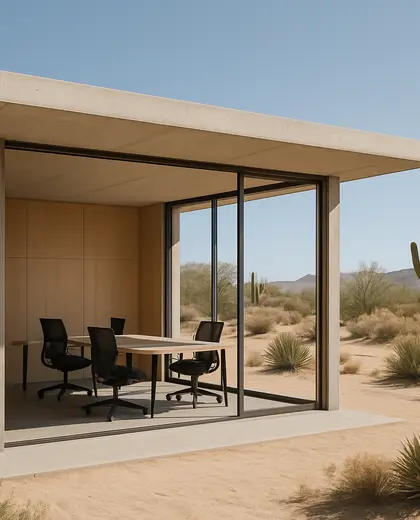
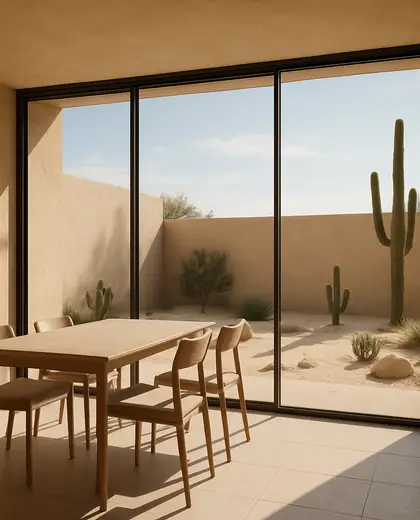
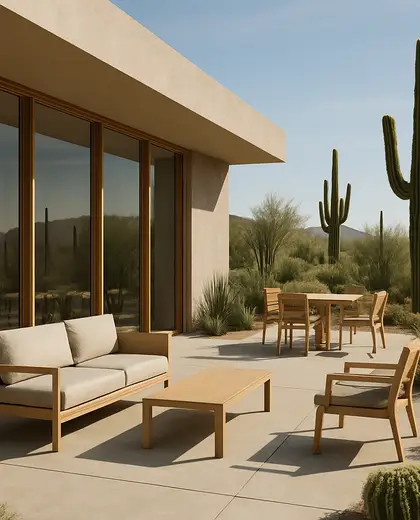
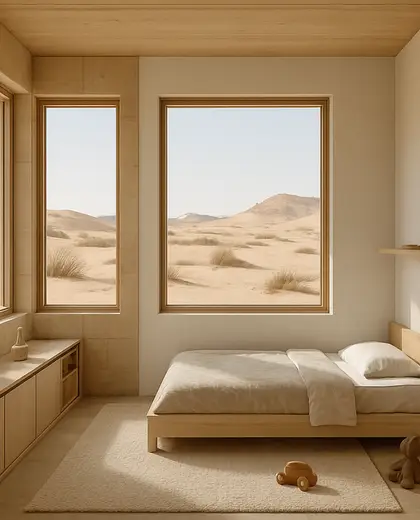
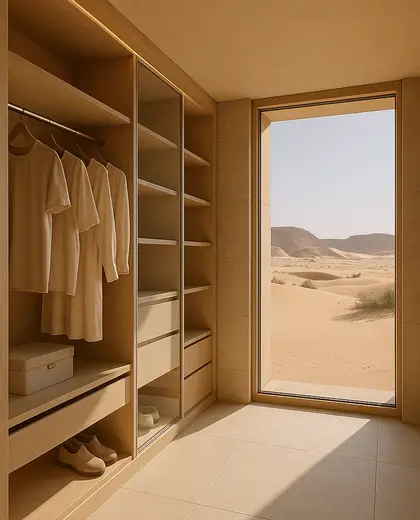
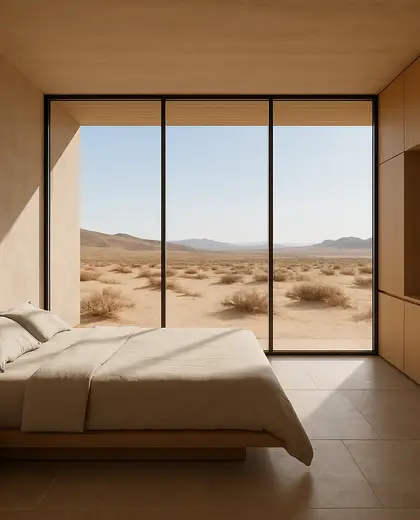
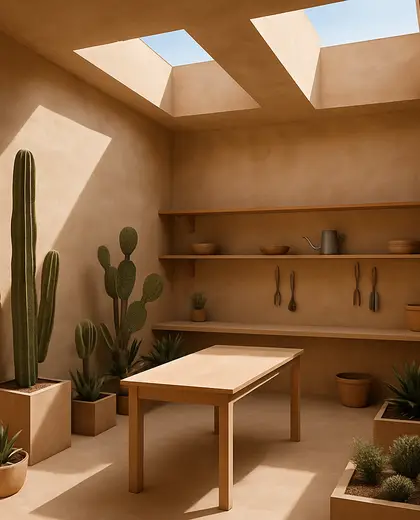
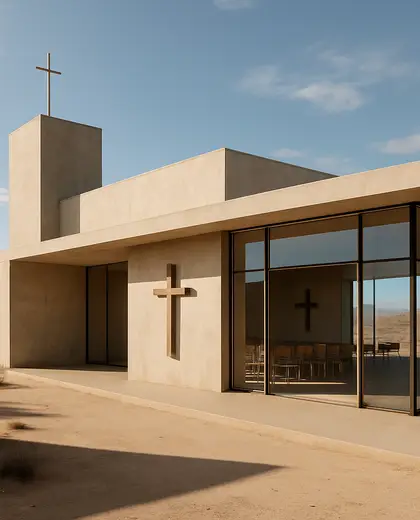
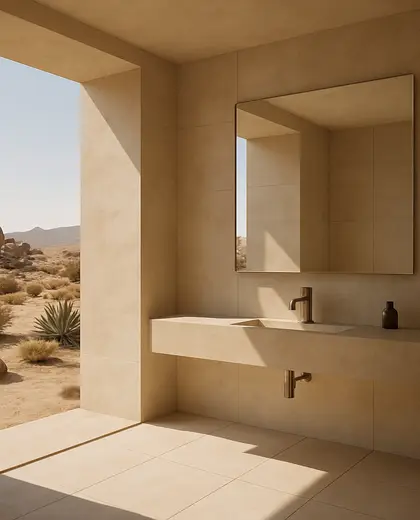
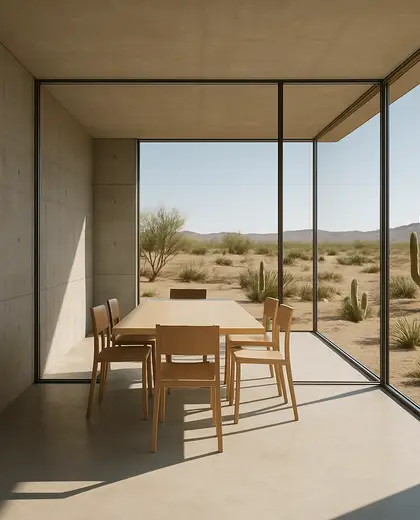
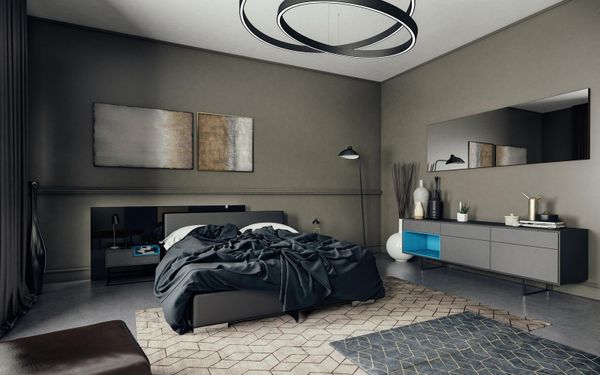
This composition pairs clean, reduced forms with the warmth of desert landscapes. It typically uses natural stone, textured plaster, concrete, wood, and shaded openings, with a palette of sand, clay, ivory, taupe, and muted brown. The look is defined by simple volumes, low profiles, deep reveals, and a strong relationship to sun, shadow, and open space.
- minimalist
- desert
— References
References to explore
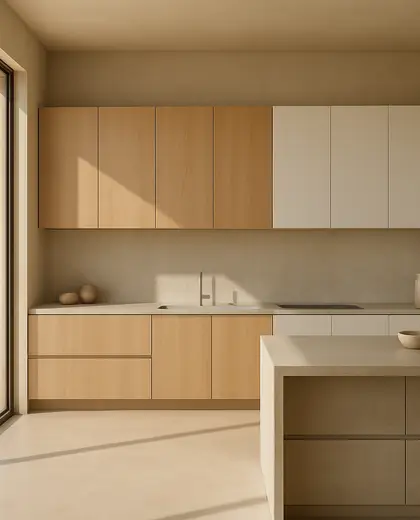
Does minimalist desert design feel cold or sparse inside a home?
It can if the materials are too flat or the palette is too pale, but warm plaster, timber, textiles, and filtered light usually keep it comfortable and inviting.
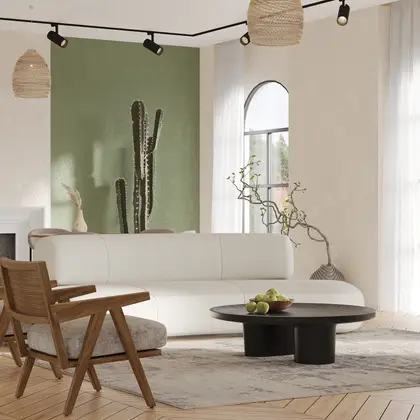
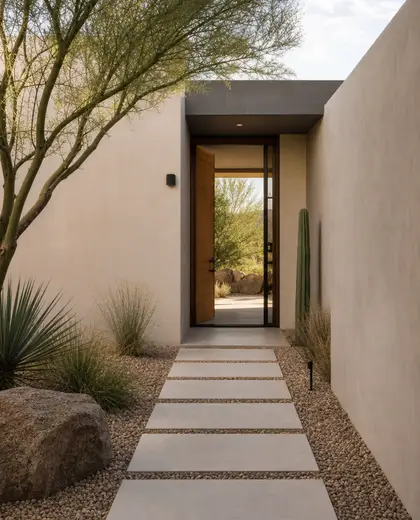
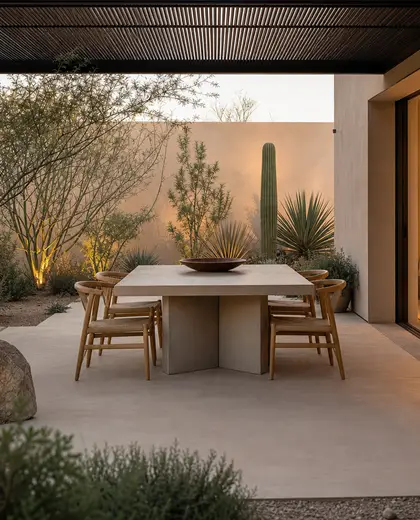
What kind of exterior details suit this style?
Simple massing, flat or low-pitched roofs, deep overhangs, recessed windows, and textured walls are typical, along with restrained landscaping.
Is this style only suitable for very dry climates?
No. It is rooted in desert conditions, but the same approach can be adapted elsewhere by using sun-aware shading, earthy materials, and a calm, minimal palette.
— The style
What defines it
Plaster, stone, concrete, timber, and matte metals are common, usually left with natural texture rather than a polished finish.
Warm neutrals dominate: sand, beige, ochre, clay, off-white, and soft gray, often grounded by darker bronze or charcoal accents.
It works well with indoor-outdoor living, courtyards, shaded terraces, and landscape elements like gravel, cacti, succulents, and native grasses.
— Professionals
Who has already built it


- paquis norris group limitedbuilders · Reading · 3 projectsView profile →
- LoftRobejoiners · Guildford · 4 projectsView profile →
- Beneito Faurelighting designers · 2 projectsView profile →
- Lusso Stonetile suppliers · Stocktonontees · 7 projectsView profile →
— Questions
Frequently asked questions
Does minimalist desert design feel cold or sparse inside a home?
It can if the materials are too flat or the palette is too pale, but warm plaster, timber, textiles, and filtered light usually keep it comfortable and inviting.
What kind of exterior details suit this style?
Simple massing, flat or low-pitched roofs, deep overhangs, recessed windows, and textured walls are typical, along with restrained landscaping.
Is this style only suitable for very dry climates?
No. It is rooted in desert conditions, but the same approach can be adapted elsewhere by using sun-aware shading, earthy materials, and a calm, minimal palette.