— Ideas & inspiration
The quiet logic of a minimalist home
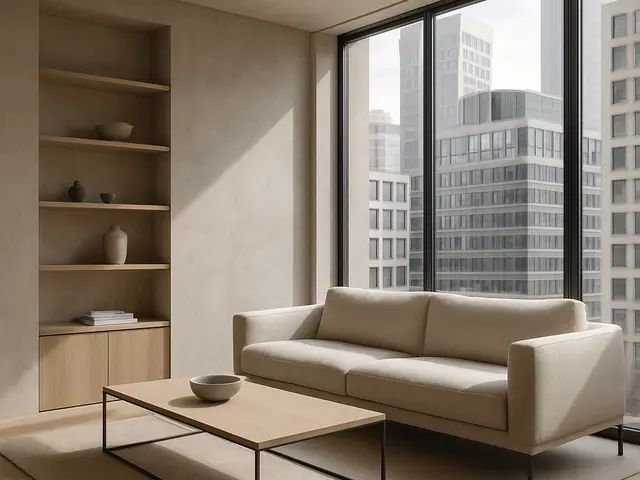
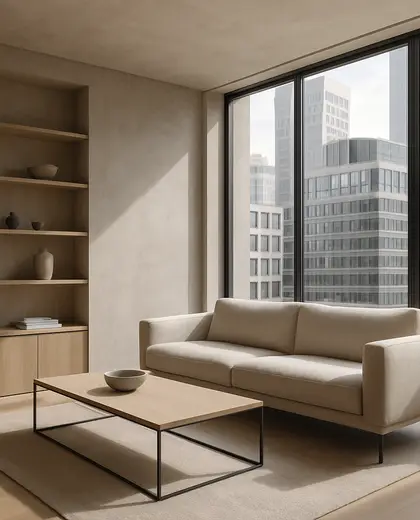
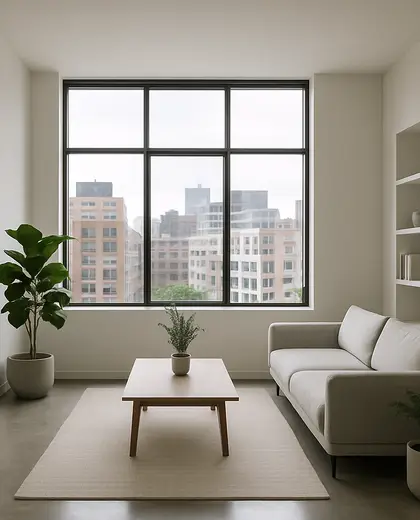
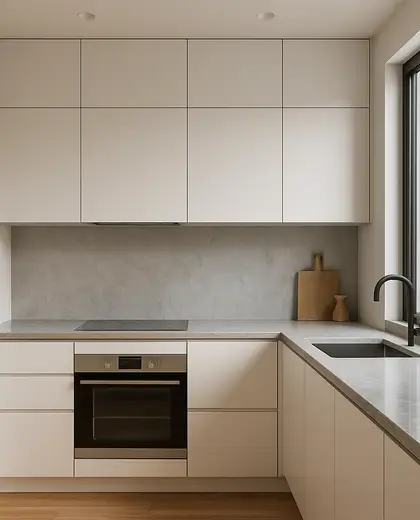
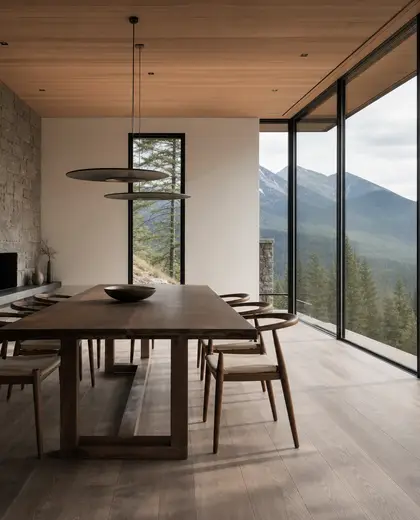
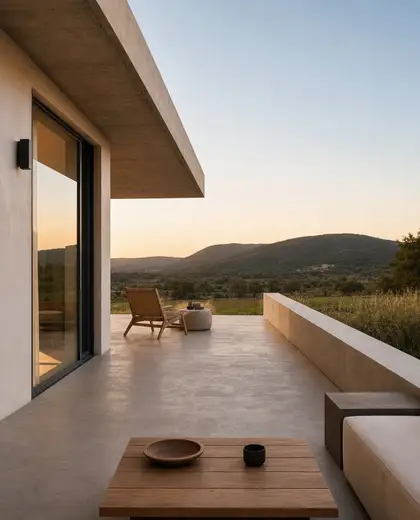
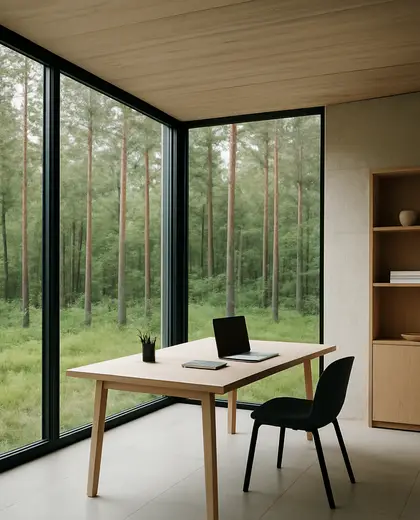
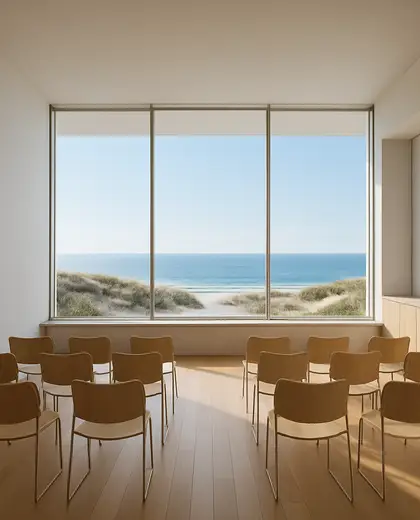
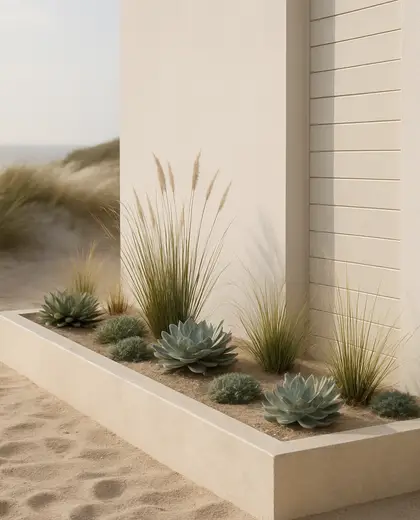
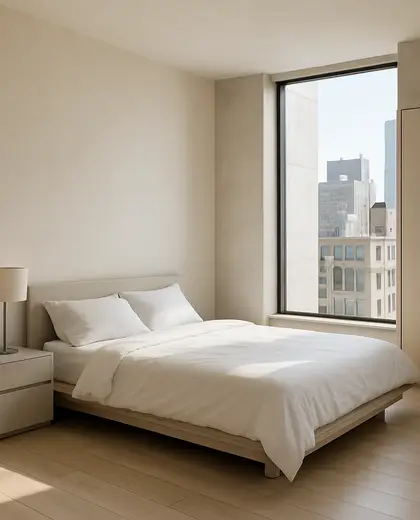
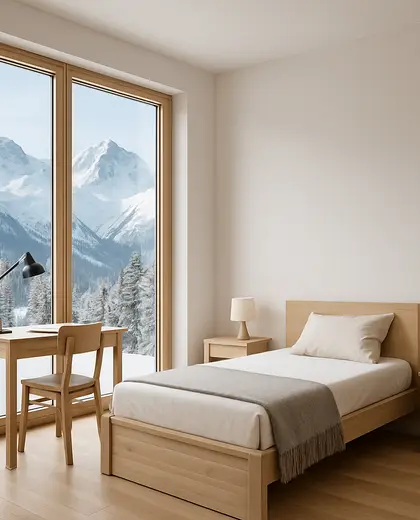
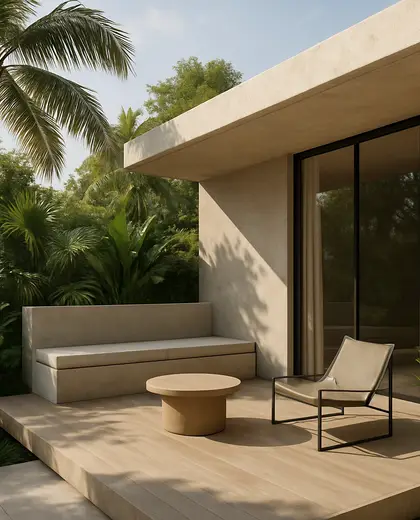
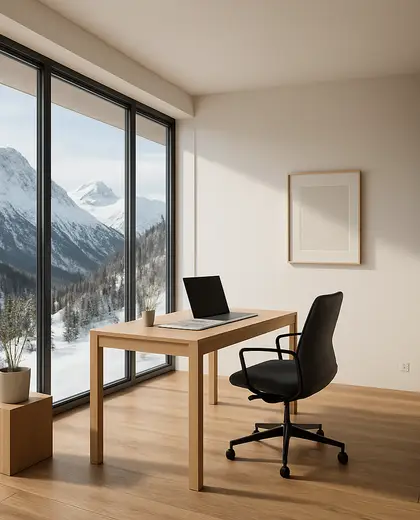
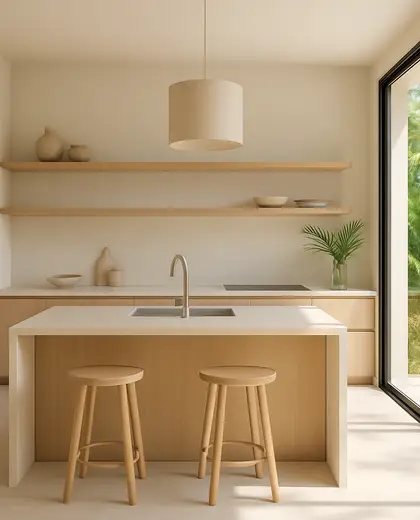
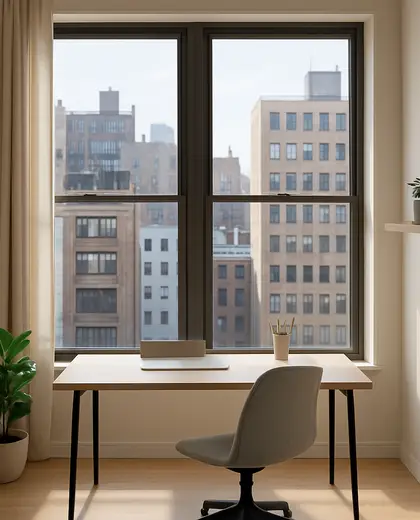
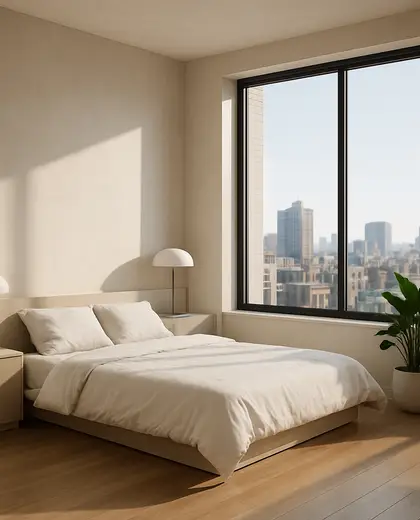
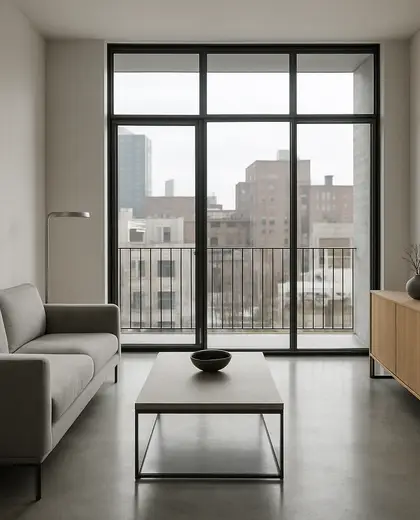
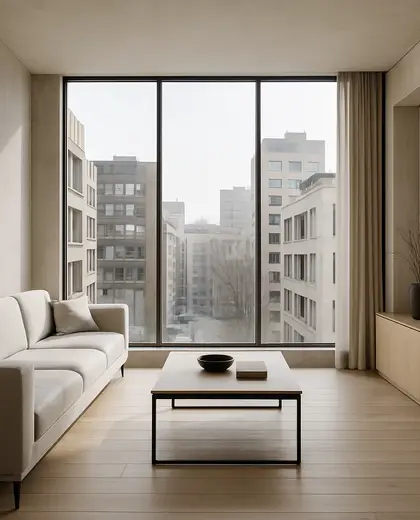
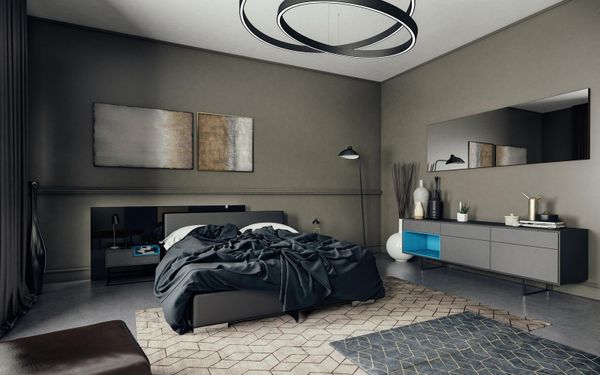
A minimalist home is defined by clean lines, open volumes, and a restrained material palette. It typically relies on smooth white or neutral walls, natural wood, stone, glass, and concealed storage to keep spaces calm and uncluttered. Details are reduced to the essentials so light, proportion, and texture do most of the work.
- home
- minimalist
— References
References to explore
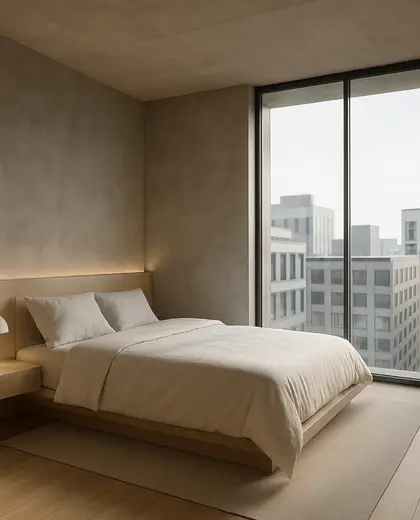
What makes a home feel minimalist without feeling empty?
A minimalist home still needs warmth and function: layered textures, balanced proportions, and a few well-chosen pieces of furniture or art prevent it from feeling bare.
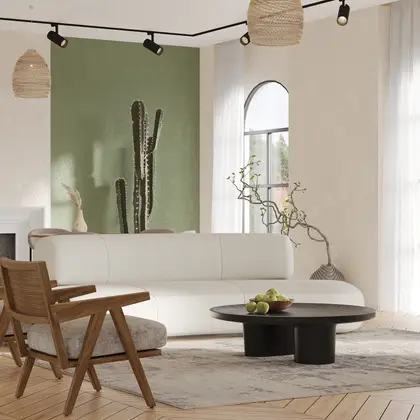
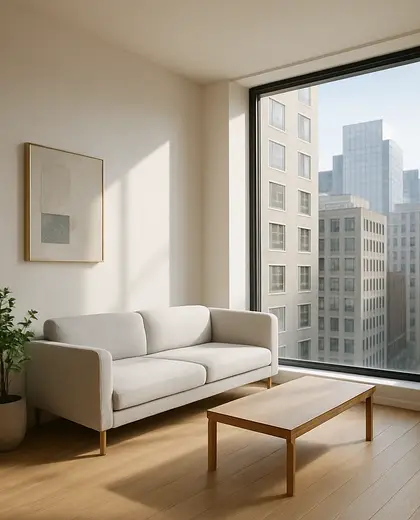
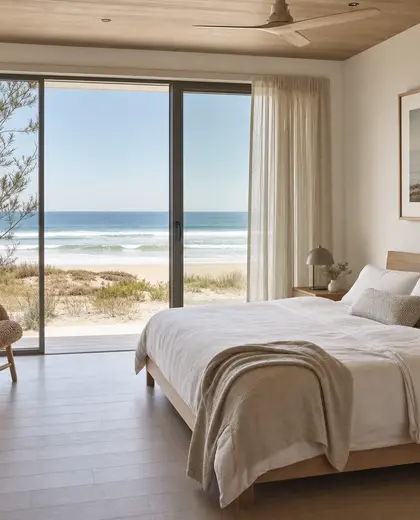
What finishes are best for this style in a house?
Smooth plaster walls, wood floors or cabinetry, stone surfaces, and simple matte fixtures are common choices because they keep the look clean and timeless.
Does a minimalist home only use white and gray?
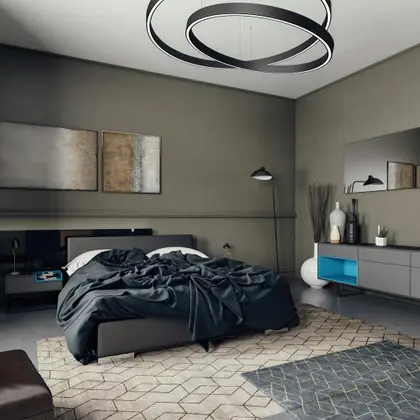
No. Neutral bases are common, but muted earth tones, soft black accents, and natural material colors can be added as long as the overall composition stays restrained.
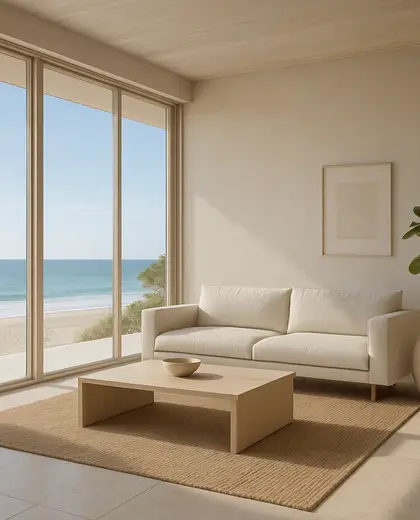
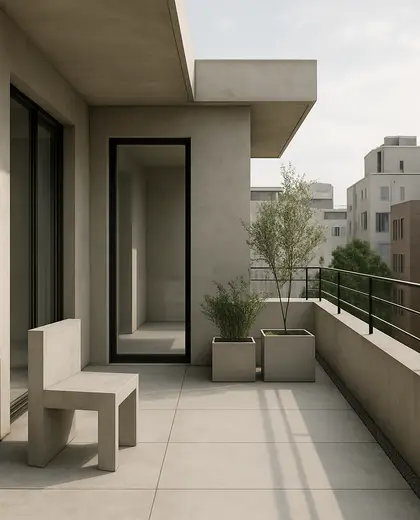
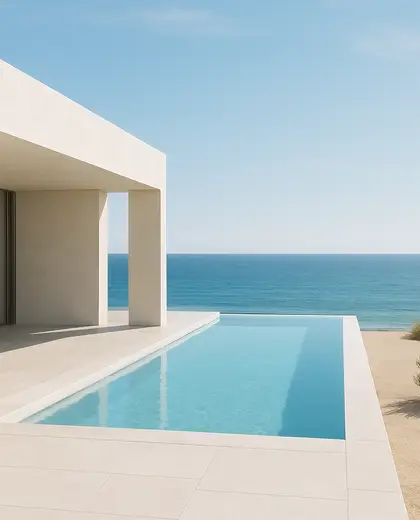
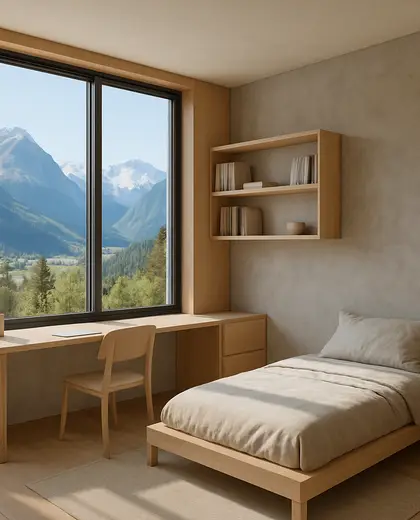
— The style
What defines it
Plaster, timber, stone, glass, matte metal, and other simple finishes with low visual noise.
White, warm gray, beige, soft black, and natural wood tones are the most common choices.
Works well with Scandinavian, Japandi, contemporary, and modern interiors where openness and restraint matter.
— Professionals
Who has already built it
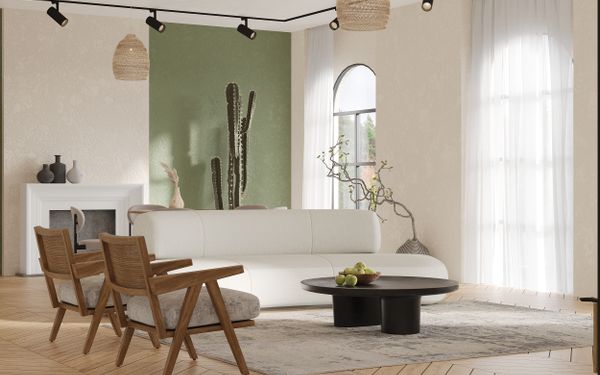


- paquis norris group limitedbuilders · Reading · 3 projectsView profile →
- LoftRobejoiners · Guildford · 4 projectsView profile →
- Beneito Faurelighting designers · 2 projectsView profile →
- Lusso Stonetile suppliers · Stocktonontees · 7 projectsView profile →
— Questions
Frequently asked questions
What makes a home feel minimalist without feeling empty?
A minimalist home still needs warmth and function: layered textures, balanced proportions, and a few well-chosen pieces of furniture or art prevent it from feeling bare.
What finishes are best for this style in a house?
Smooth plaster walls, wood floors or cabinetry, stone surfaces, and simple matte fixtures are common choices because they keep the look clean and timeless.
Does a minimalist home only use white and gray?
No. Neutral bases are common, but muted earth tones, soft black accents, and natural material colors can be added as long as the overall composition stays restrained.