— Ideas & inspiration
Home
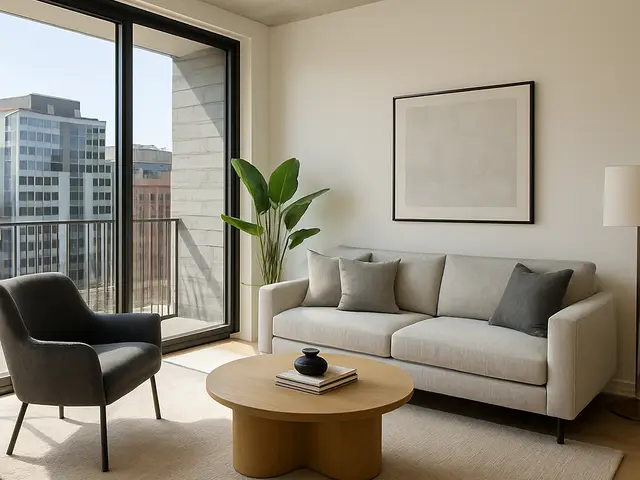
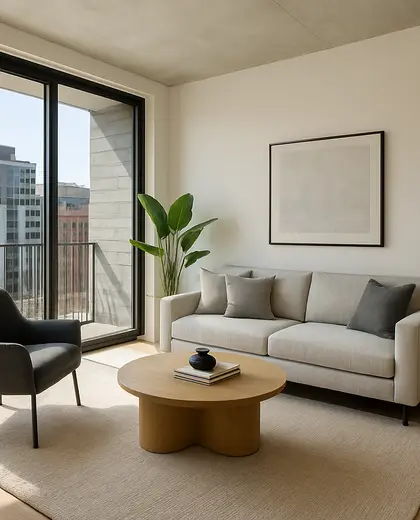
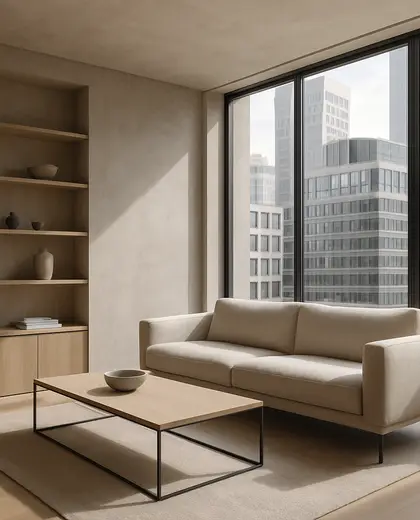
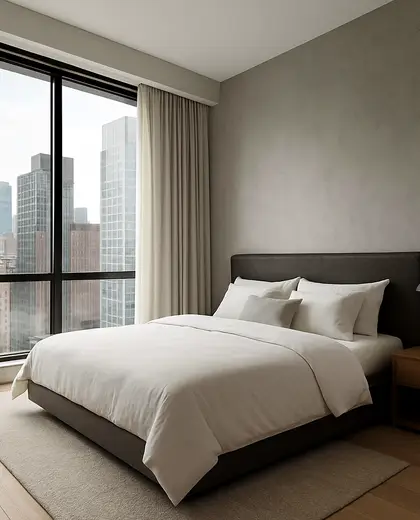
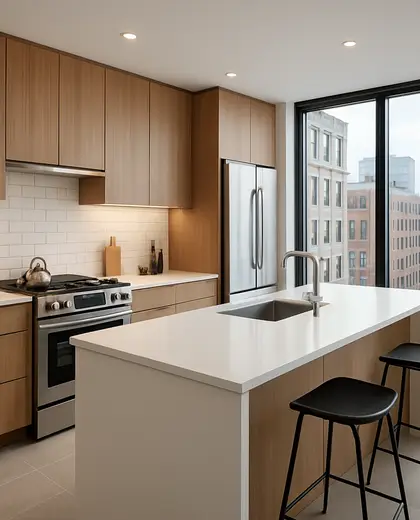
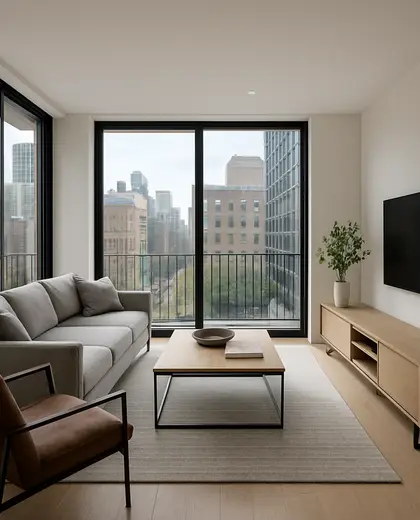
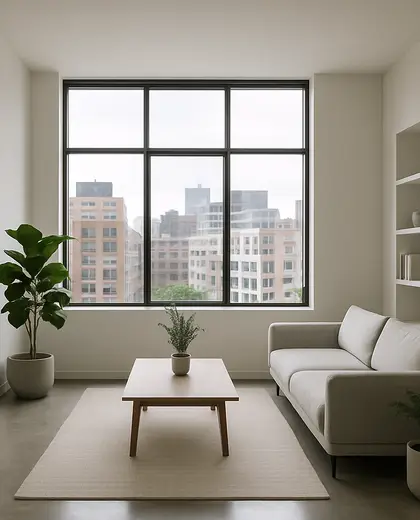
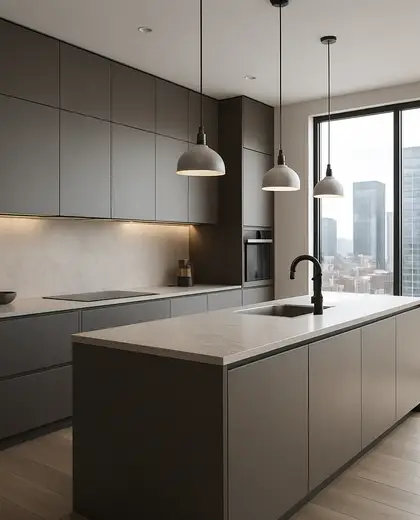
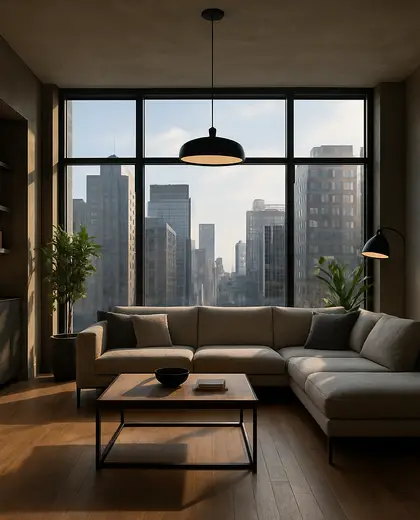
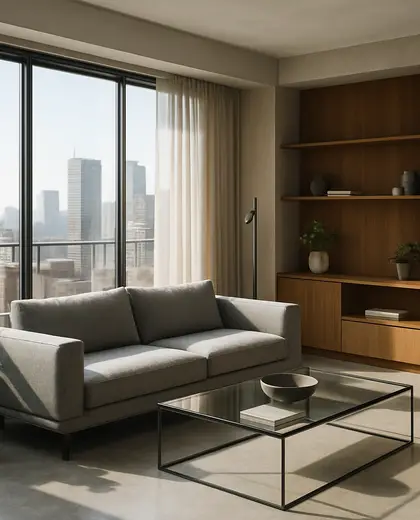
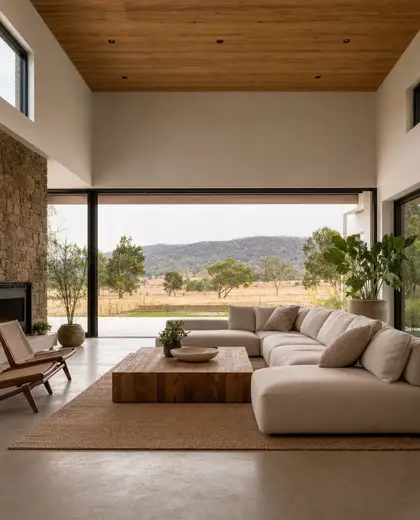
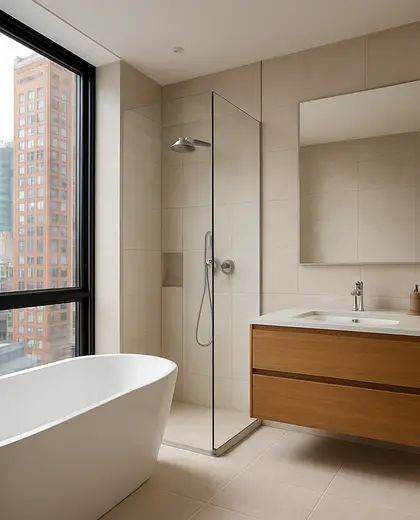
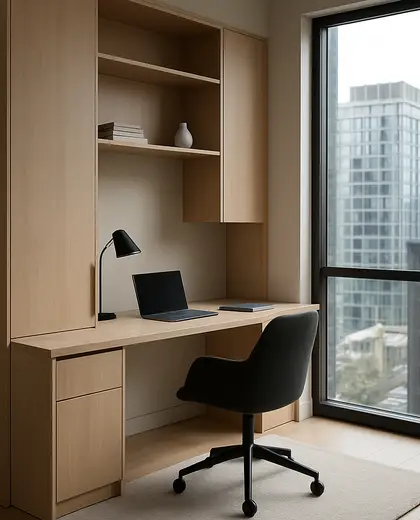
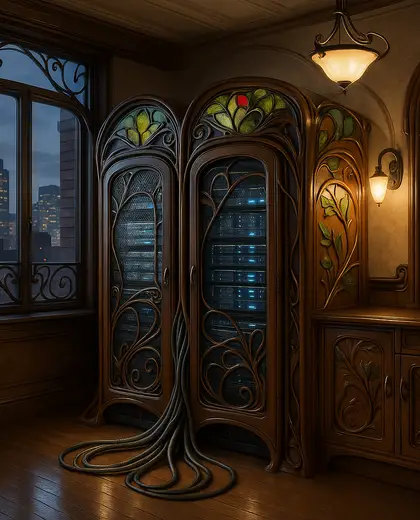
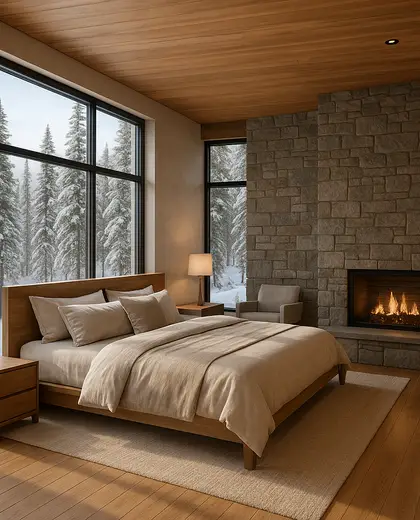
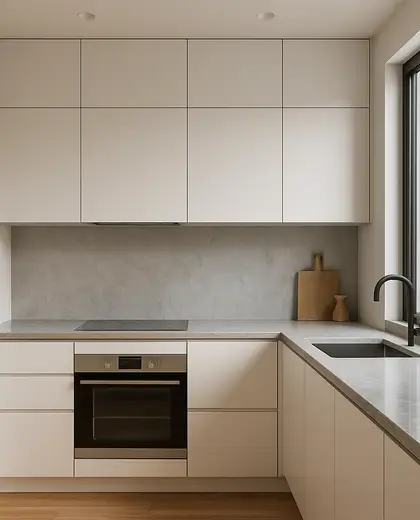
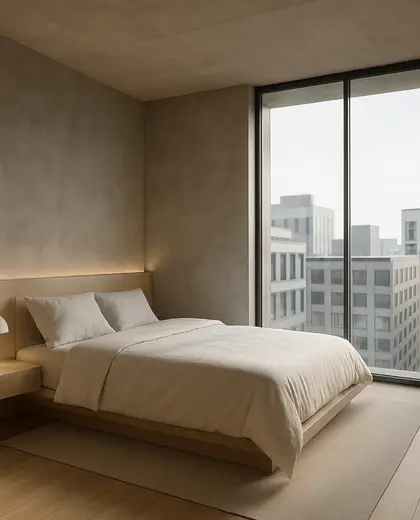
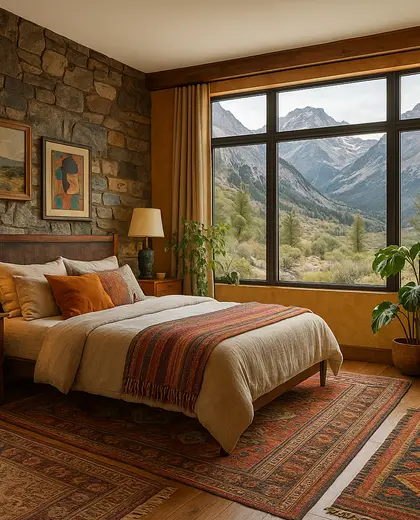
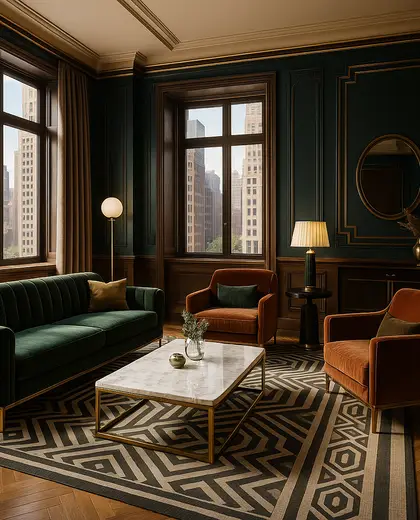
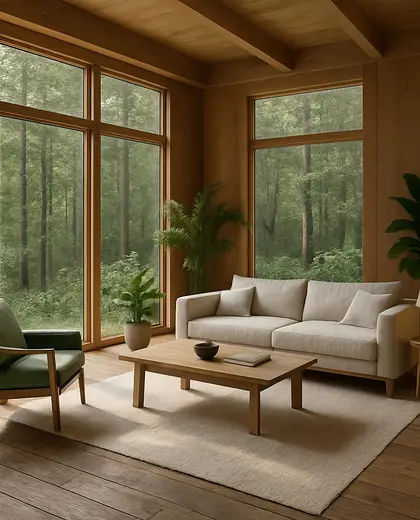
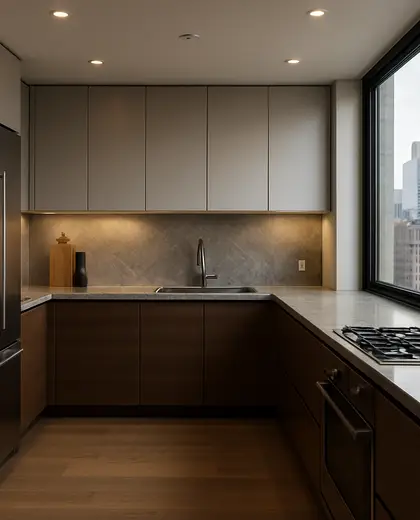
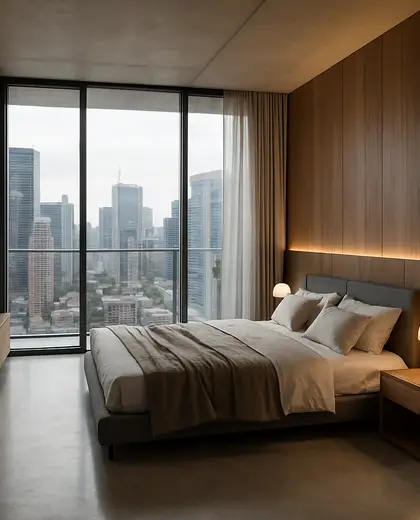
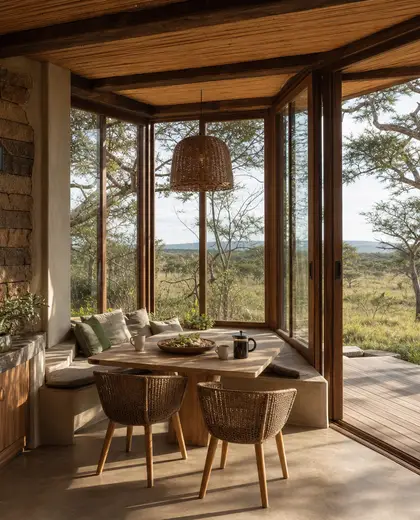
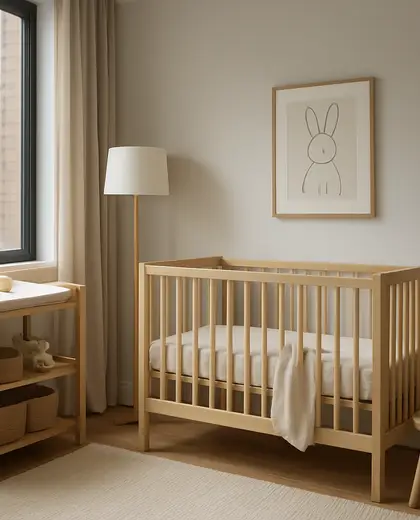
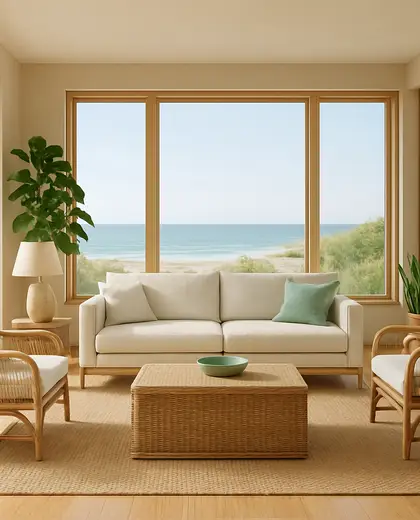
This composition is defined by familiar, durable materials such as wood, stone, plaster, concrete, and glass, arranged in a clear and comfortable way. The palette is usually warm neutrals, muted earth tones, soft whites, and natural finishes, with light used to make rooms feel open and calm. Key elements include practical storage, generous openings, simple lines, and a strong connection between living spaces, circulation, and daylight.
- home
— References
References to explore
What makes a home composition feel balanced rather than generic?
A balanced home usually has a clear hierarchy of spaces, consistent materials, and a restrained color palette, with a few stronger accents to avoid flatness.
Can this composition work in a small house or apartment?
Yes. It can be adapted with compact built-ins, lighter finishes, mirrored or glazed surfaces, and careful daylight planning to keep the space open.
What should I prioritize if I want this look to feel practical?
Prioritize durable finishes, good storage, easy-to-clean surfaces, and layout decisions that support daily movement, cooking, and gathering.
— The style
What defines it
Wood, stone, plaster, concrete, glass, and matte metals are common, with surfaces chosen for everyday use and easy maintenance.
Warm whites, beige, sand, taupe, greige, and softened browns are typical, often paired with black or dark bronze accents.
It works well with open-plan layouts, built-in storage, natural textiles, indoor plants, and large windows or sliding doors.
— Professionals
Who has already built it
- vorbild architecturearchitects · 6 projectsView profile →
- kerem erbagci3d renderers · London · 9 projectsView profile →
- paquis norris group limitedbuilders · Reading · 3 projectsView profile →
- LoftRobejoiners · Guildford · 4 projectsView profile →
— Explore
Keep exploring
— Questions
Frequently asked questions
What makes a home composition feel balanced rather than generic?
A balanced home usually has a clear hierarchy of spaces, consistent materials, and a restrained color palette, with a few stronger accents to avoid flatness.
Can this composition work in a small house or apartment?
Yes. It can be adapted with compact built-ins, lighter finishes, mirrored or glazed surfaces, and careful daylight planning to keep the space open.
What should I prioritize if I want this look to feel practical?
Prioritize durable finishes, good storage, easy-to-clean surfaces, and layout decisions that support daily movement, cooking, and gathering.