— Ideas & inspiration
Vintage details in an urban setting
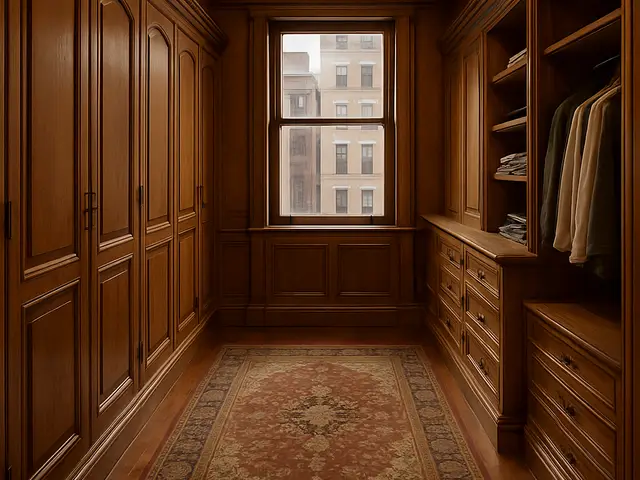
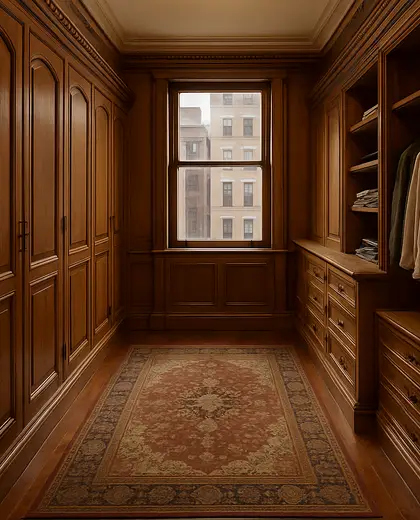
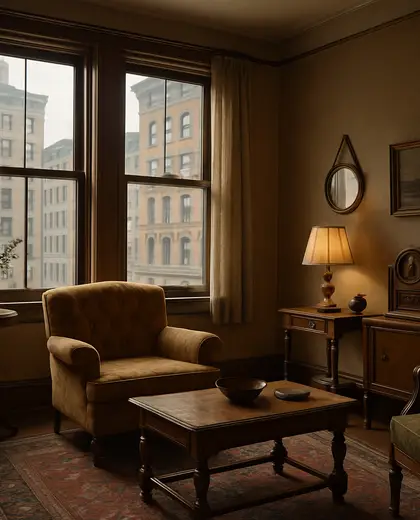
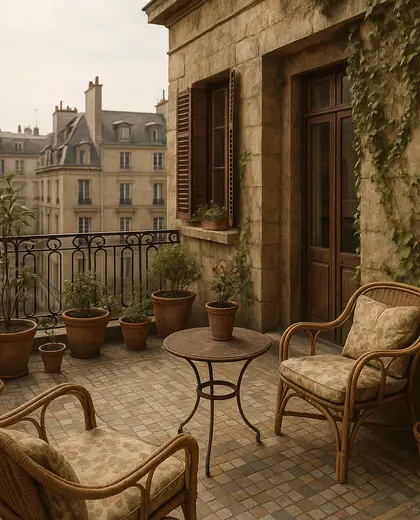
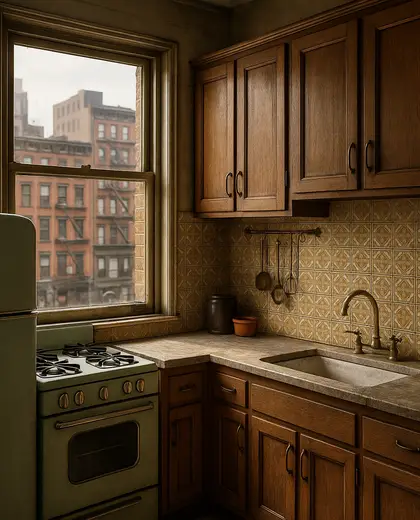
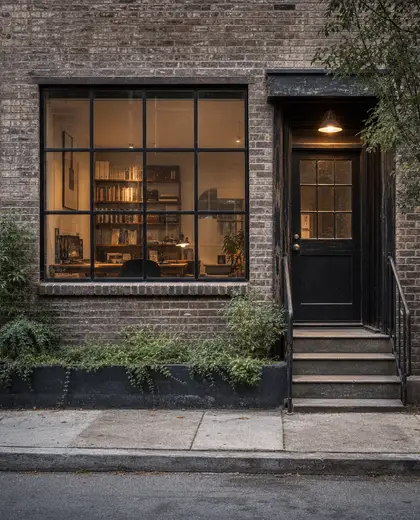
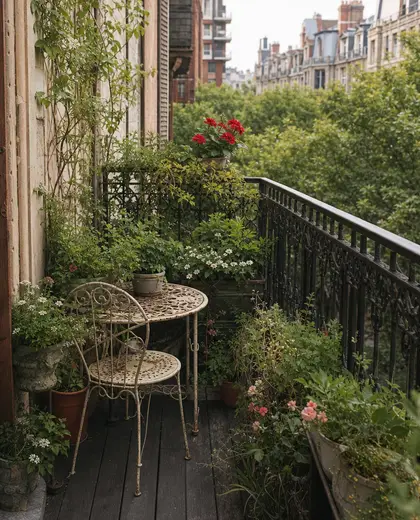
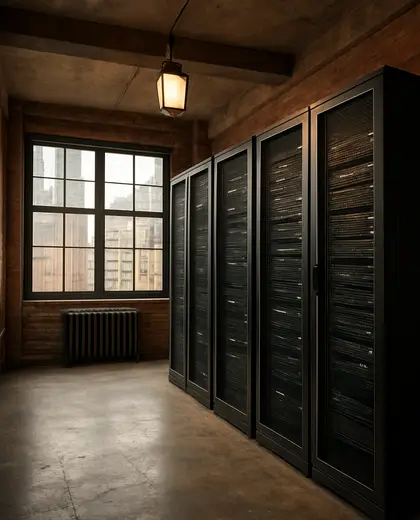
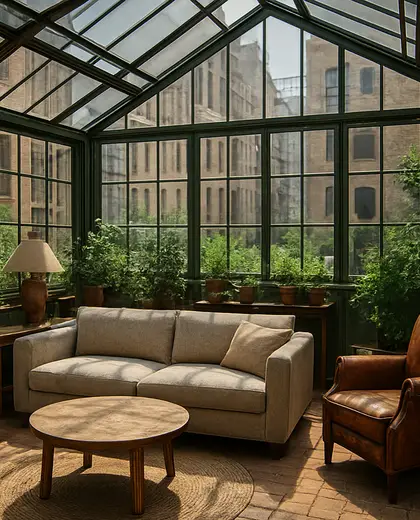
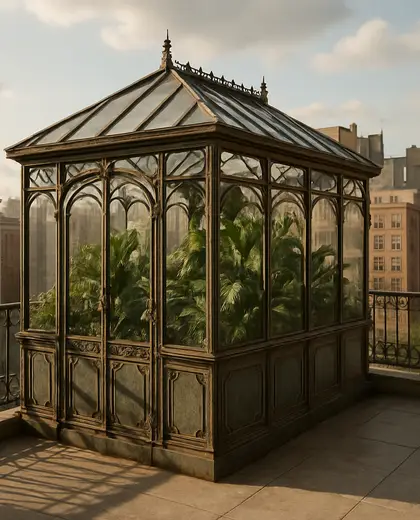
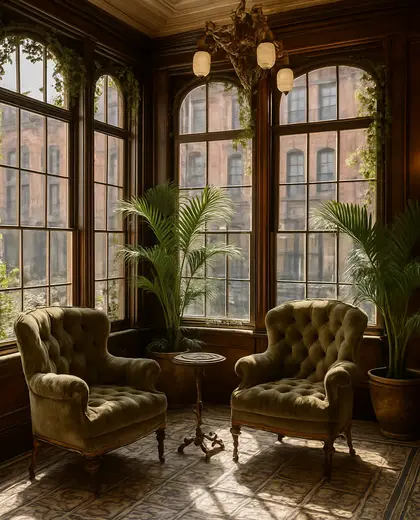
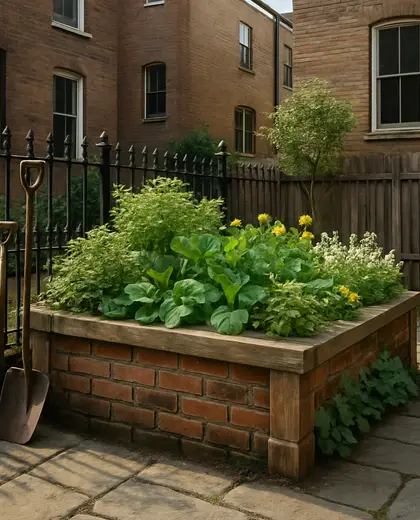
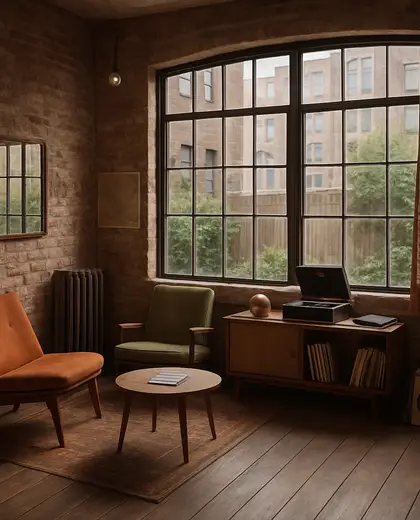
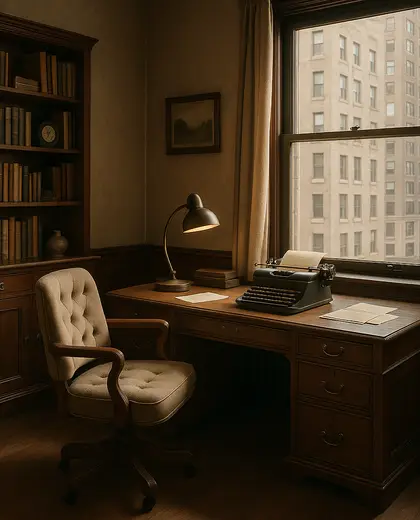
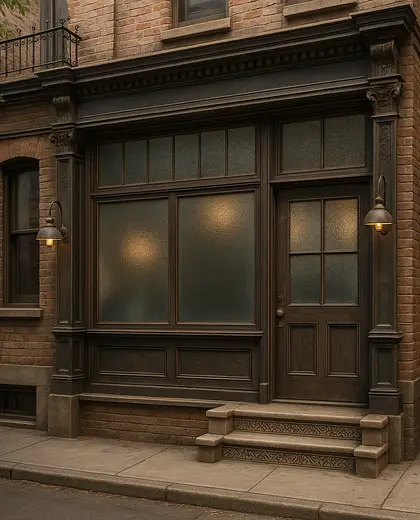
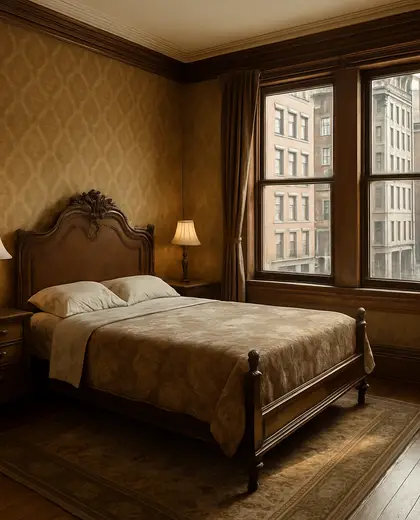
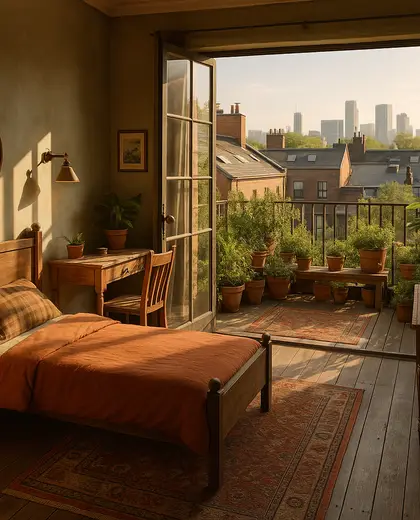
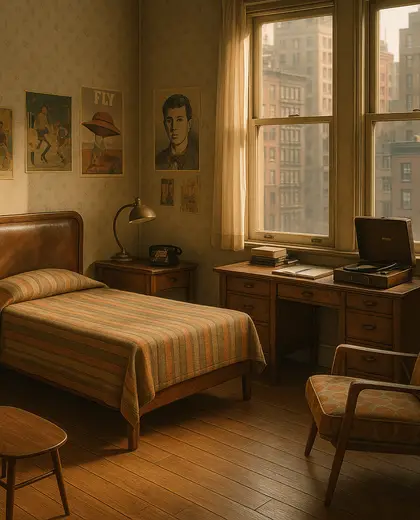
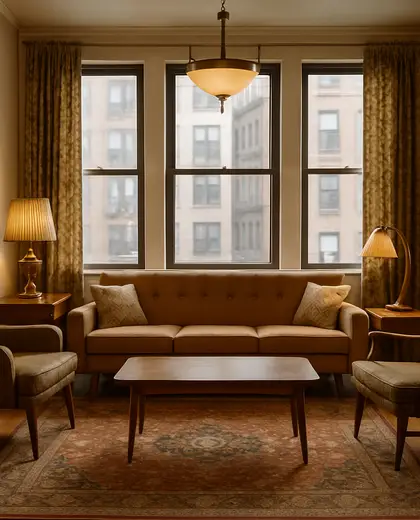
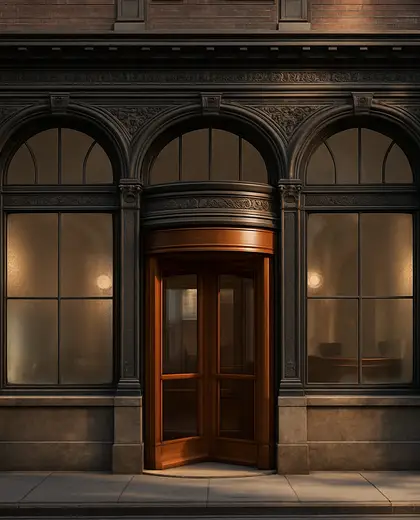
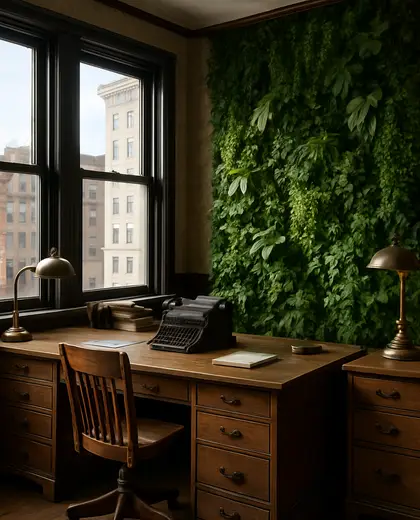
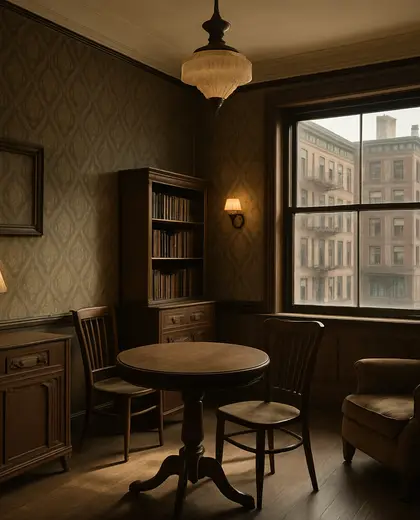
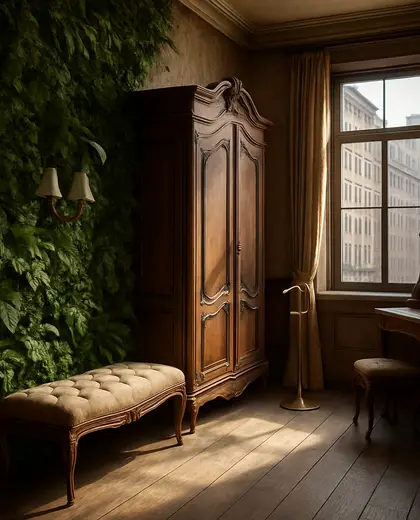
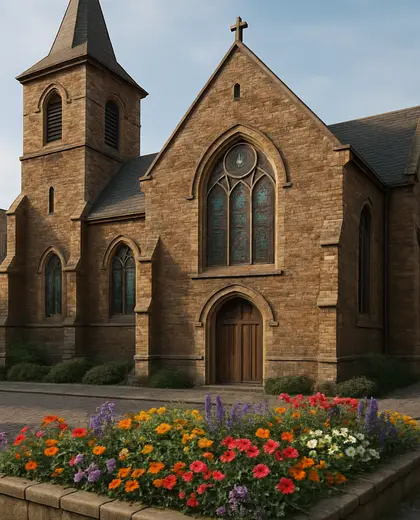
This composition combines weathered, character-rich pieces with the hard edges of city living. Think reclaimed wood, aged metal, worn leather, exposed brick, and utilitarian furniture set against a neutral base with deeper accents like charcoal, tobacco, olive, and rust. The result feels layered, practical, and slightly nostalgic without losing its urban edge.
- vintage
- urban
— References
References to explore
How do I keep vintage-urban from feeling too dark?
Balance heavier materials with lighter walls, open space, and a few softer textiles such as linen or wool. Natural light and warmer bulbs also help keep the room from feeling closed in.

What vintage elements work best in an urban home?
Pieces with clean lines and visible patina tend to fit best, such as a mid-century chair, a salvaged table, an old factory stool, or framed vintage prints. Avoid overly ornate items if you want the look to stay grounded.
Does this style need exposed brick to work?
No. Exposed brick is common, but you can create the same feeling with concrete finishes, wood floors, black metal details, and furniture with age or texture.
— The style
What defines it
Reclaimed wood, aged metal, brick, concrete, worn leather, and textured fabrics are the core materials.
Use warm neutrals and city tones: beige, taupe, charcoal, black, tobacco, olive, and rust.
Pairs well with industrial fixtures, simple modern silhouettes, and curated vintage objects or artwork.
— Professionals
Who has already built it
- vorbild architecturearchitects · 6 projectsView profile →
- kerem erbagci3d renderers · London · 9 projectsView profile →
- paquis norris group limitedbuilders · Reading · 3 projectsView profile →
- LoftRobejoiners · Guildford · 4 projectsView profile →
— Explore
Keep exploring
— Questions
Frequently asked questions
How do I keep vintage-urban from feeling too dark?
Balance heavier materials with lighter walls, open space, and a few softer textiles such as linen or wool. Natural light and warmer bulbs also help keep the room from feeling closed in.
What vintage elements work best in an urban home?
Pieces with clean lines and visible patina tend to fit best, such as a mid-century chair, a salvaged table, an old factory stool, or framed vintage prints. Avoid overly ornate items if you want the look to stay grounded.
Does this style need exposed brick to work?
No. Exposed brick is common, but you can create the same feeling with concrete finishes, wood floors, black metal details, and furniture with age or texture.