— Ideas & inspiration
Vintage composition
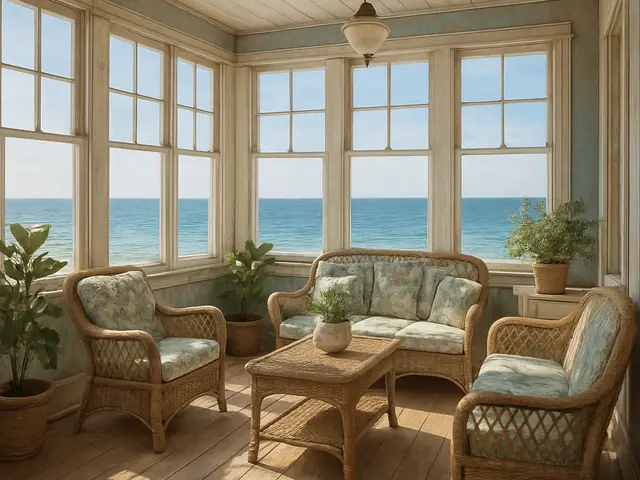
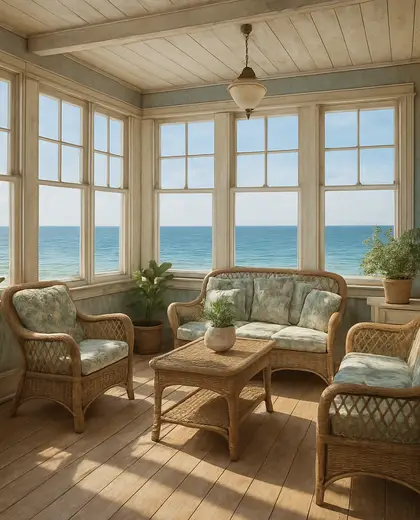
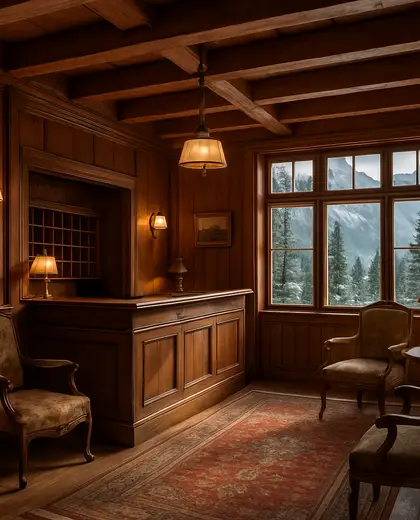
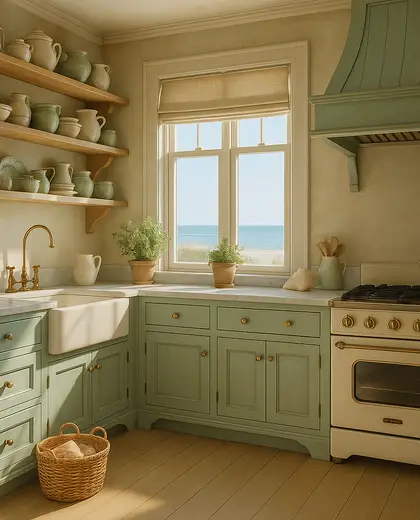
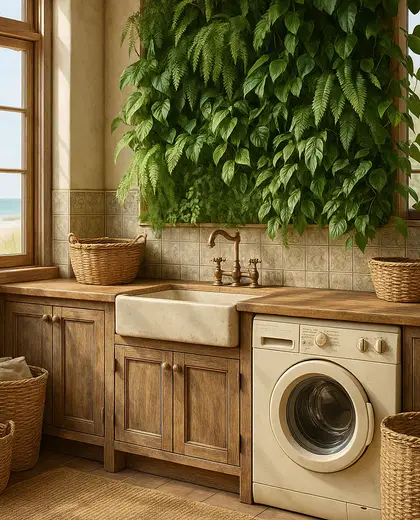
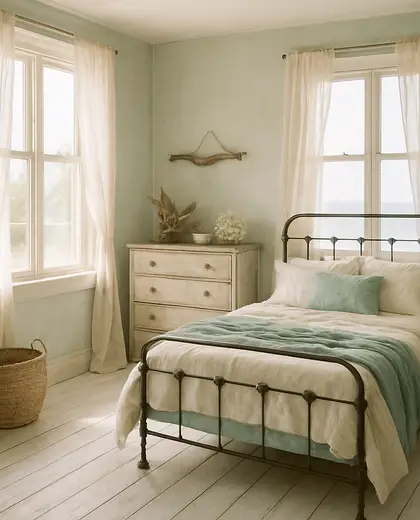
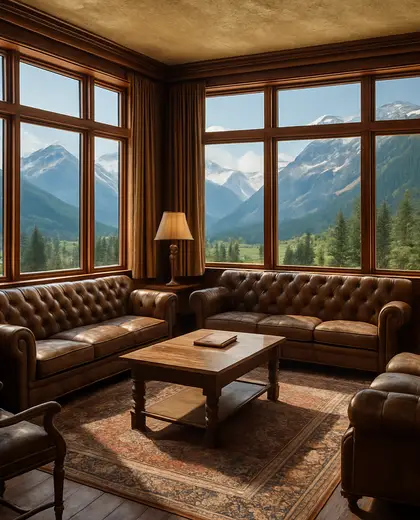
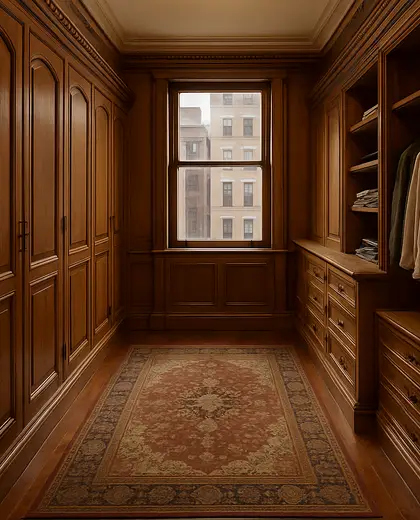
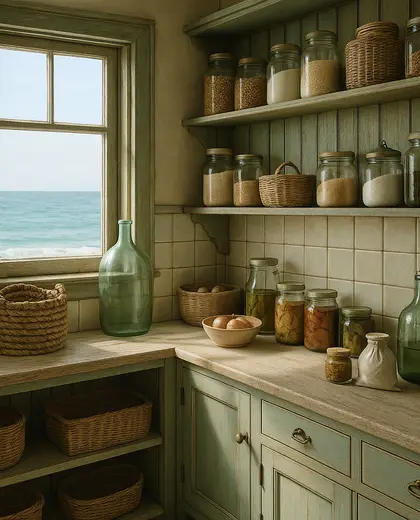
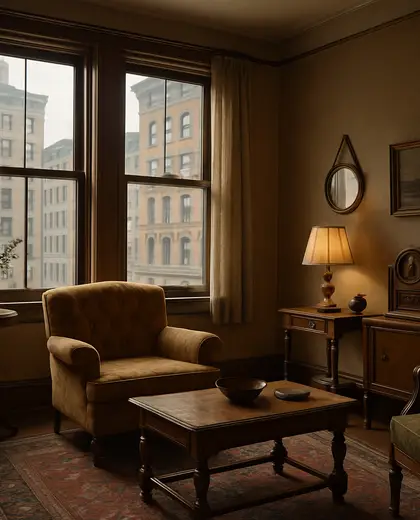
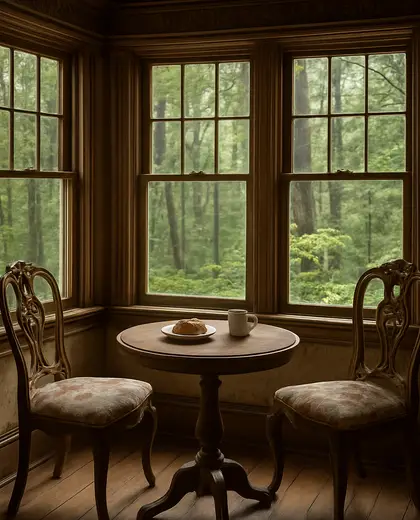
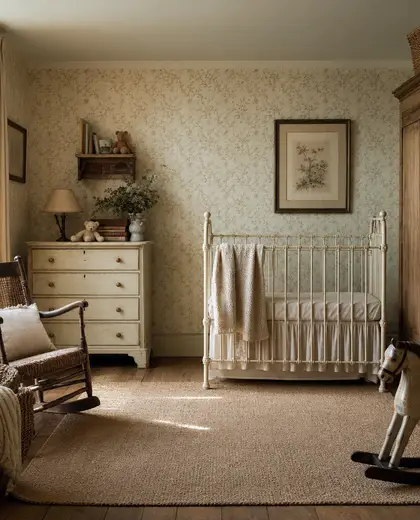
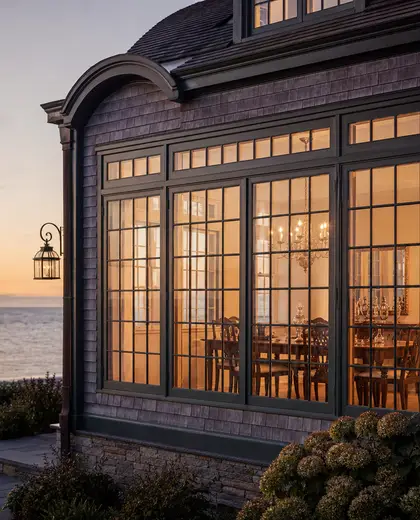
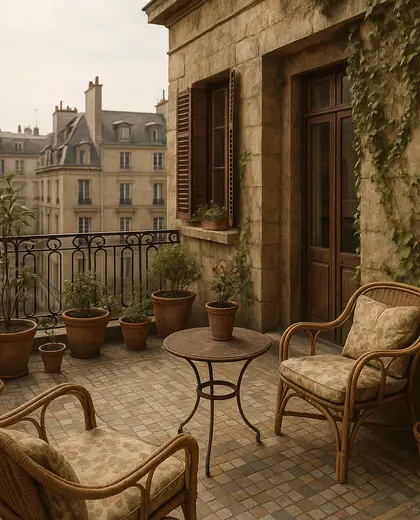
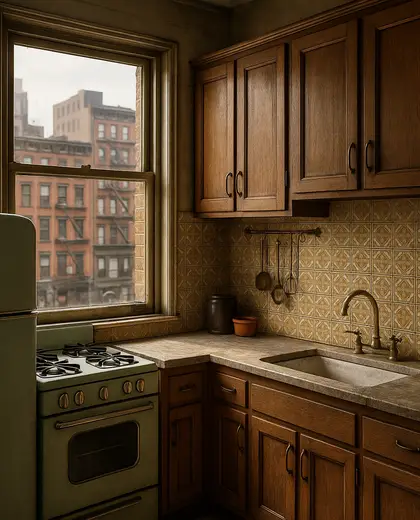
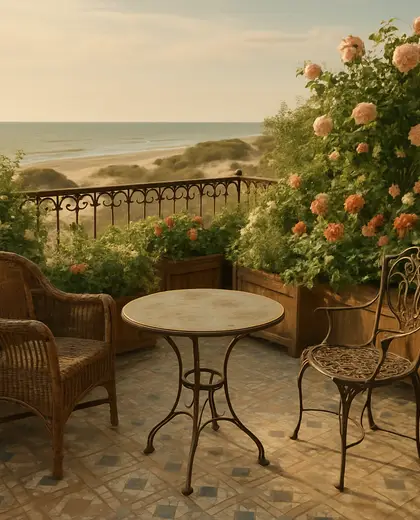
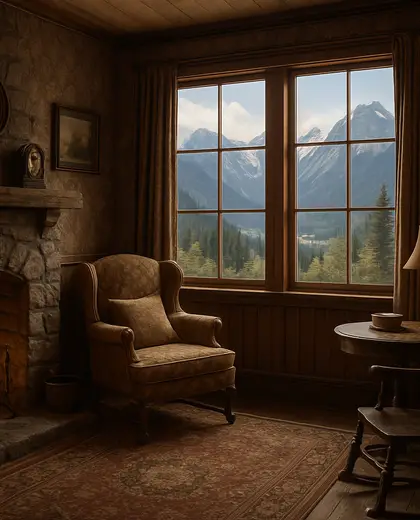
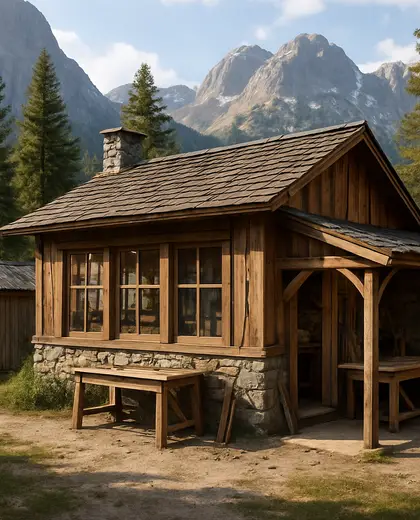
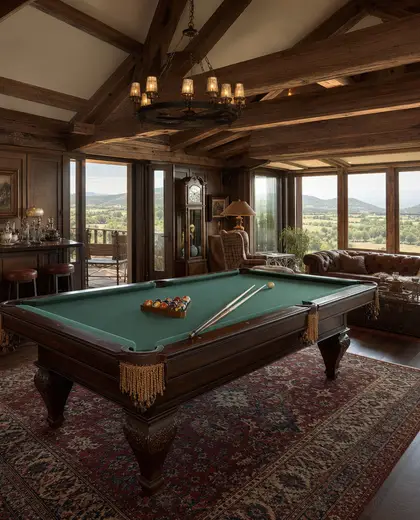
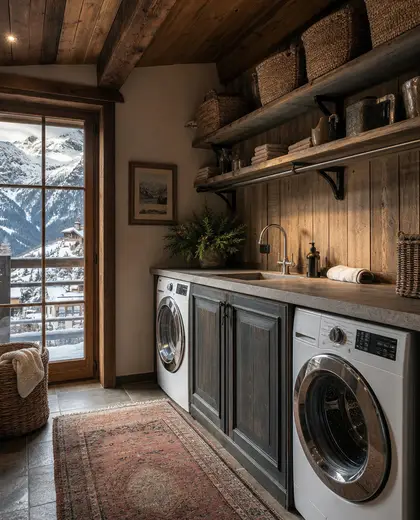
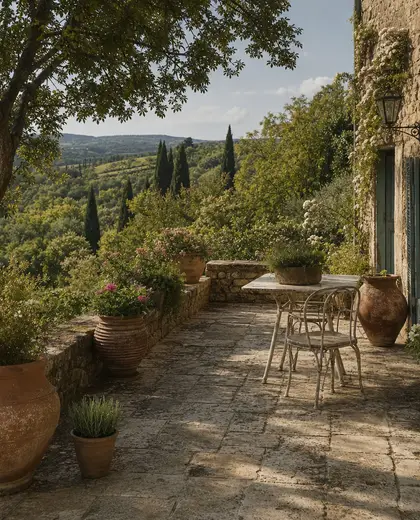
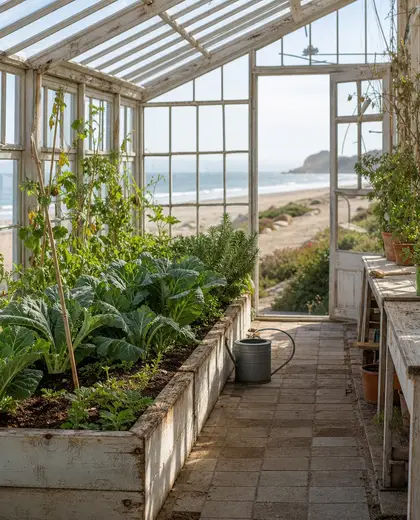
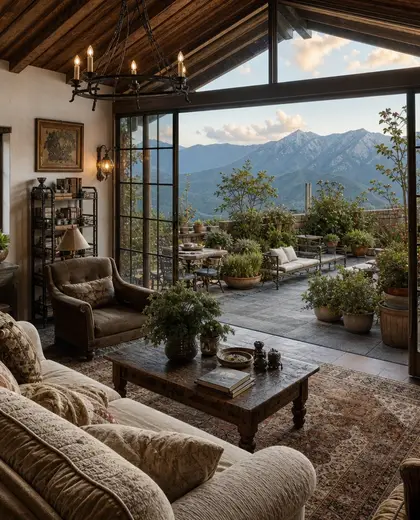
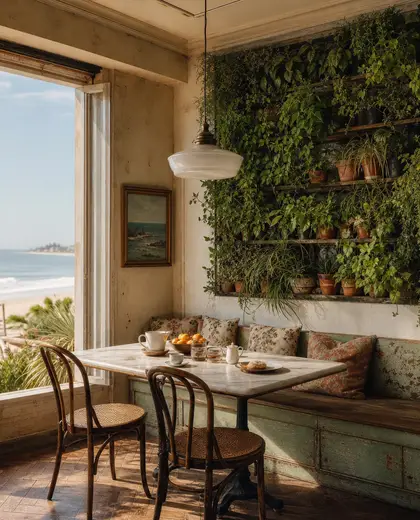
Vintage composition is defined by aged or timeworn materials such as wood with patina, brass, leather, velvet, and ceramic or glass pieces with a collected feel. The palette usually leans warm and muted: tobacco, olive, cream, rust, burgundy, and faded neutrals. Its main elements are antique or reproduction furnishings, decorative mouldings, layered textiles, and details that look inherited rather than newly made.
- vintage
— References
References to explore
Does vintage mean the whole room has to look old?
No. A vintage room usually mixes a few older-looking or authentic pieces with simpler contemporary surfaces so it feels layered, not like a set piece.
Can vintage work in a small home?
Yes, if you keep the palette restrained and limit the number of heavy statement pieces. Lighter upholstery, mirrored or glass accents, and open-legged furniture help prevent visual clutter.
What is the difference between vintage and antique?
Vintage usually refers to pieces from earlier decades that are not necessarily very old, while antique typically means much older items. In interiors, vintage can also describe the overall style even when some pieces are new but made to look aged.
— The style
What defines it
Patinated wood, brass, worn leather, velvet, linen, ceramic, and aged glass are typical.
Warm, muted tones like cream, camel, olive, rust, burgundy, brown, and softened black.
Works well with modern neutral backdrops, mid-century pieces, industrial finishes, and classic architectural details.
— Professionals
Who has already built it
- slade slade design3d renderers · Bristol · 6 projectsView profile →
- marcela tossiinterior designers · London · 6 projectsView profile →
- maria mateaarchitects · London · 7 projectsView profile →
- paquis norris group limitedbuilders · Reading · 3 projectsView profile →
— Explore
Keep exploring
— Questions
Frequently asked questions
Does vintage mean the whole room has to look old?
No. A vintage room usually mixes a few older-looking or authentic pieces with simpler contemporary surfaces so it feels layered, not like a set piece.
Can vintage work in a small home?
Yes, if you keep the palette restrained and limit the number of heavy statement pieces. Lighter upholstery, mirrored or glass accents, and open-legged furniture help prevent visual clutter.
What is the difference between vintage and antique?
Vintage usually refers to pieces from earlier decades that are not necessarily very old, while antique typically means much older items. In interiors, vintage can also describe the overall style even when some pieces are new but made to look aged.