— Blog · 29 October 2026 · 2 min read
Three Architectural Visions: Timber Craft, Cultural Memory and Sculptural Ruin
From a charred timber dwelling to a museum shaped by archaeological context and a project that reimagines ruin as geometry, these three works explore how architecture can translate material, memory and landscape into form. Together, they reveal distinct approaches to designing with place, process and time.
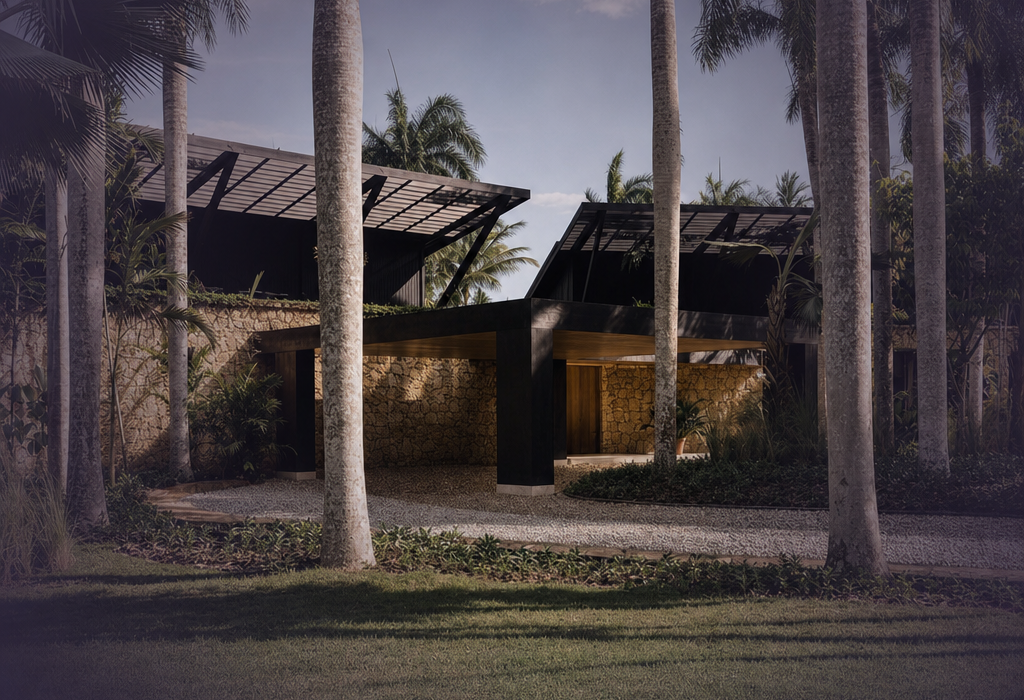
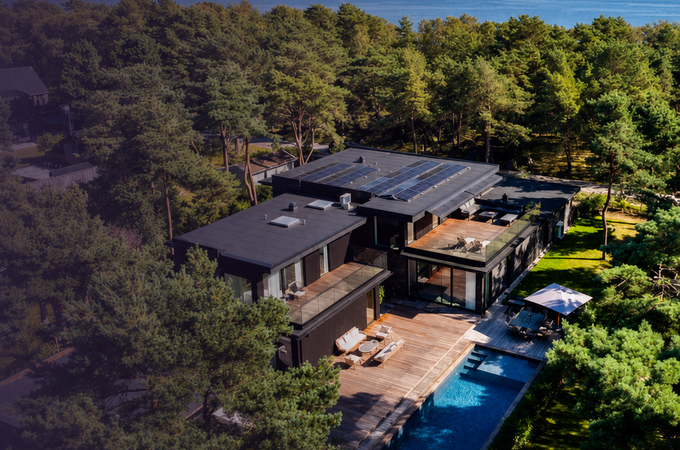
Yakisugi House: Timber, fire and quiet resilience
Yakisugi House by Estudio Mazara explores how a familiar domestic typology can be transformed through material intelligence and atmospheric restraint. Drawing on the charred timber technique that gives the project its name, the house turns surface treatment into an architectural language, balancing durability with a strong sensory identity. For architects, it is a reminder that simple material decisions can shape both performance and emotion, creating buildings that feel rooted, tactile and memorable.
MIAA: A museum shaped by archaeology and context
The Iberian Museum of Archaeology and Art by Carrilho da Graça Arquitectos approaches the museum not as an isolated object, but as a careful response to a historically layered site. Its design reflects a dialogue between contemporary civic space and the traces of the past, allowing the building to support exhibition, research and public engagement while remaining attentive to its setting. The project is significant for architects interested in cultural buildings that must mediate between programme, heritage and urban presence with clarity and restraint.
A Geometric Ruin: Reframing loss through form
A Geometric Ruin by 00L proposes a striking reflection on incompleteness, using precise geometry to reinterpret the condition of ruin as a deliberate architectural statement. Rather than concealing fragility or decay, the project appears to embrace them as part of its spatial and conceptual identity, opening up questions about permanence, memory and representation. For designers, it offers a provocative lesson in how abstraction and fragmentation can be used to produce architecture that is both poetic and critically engaged.
Join the Archsplace community
For architects, designers and studios looking to share their work and connect with a wider professional audience, Archsplace offers a platform built around visibility, exchange and creative growth. Create your architect profile on Archsplace and join a community where new ideas, projects and conversations in architecture can reach further.