— Ideas & inspiration
Coastal yard serenity
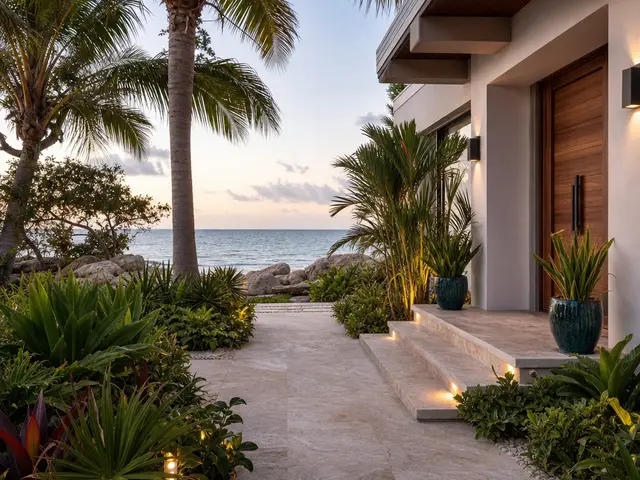
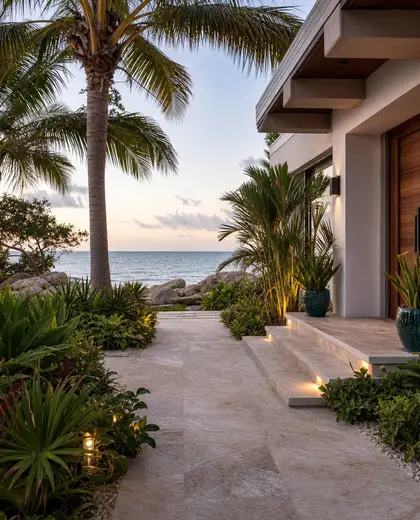
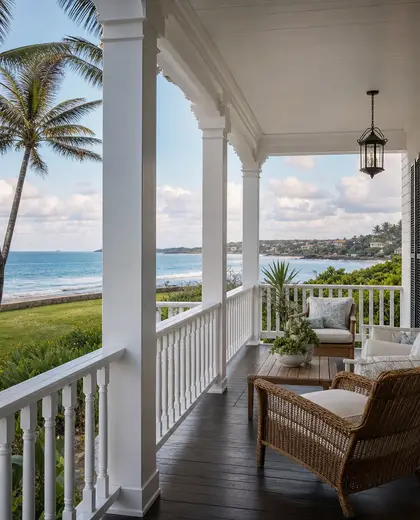
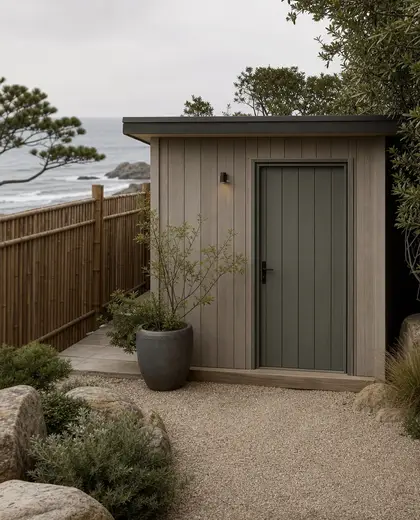
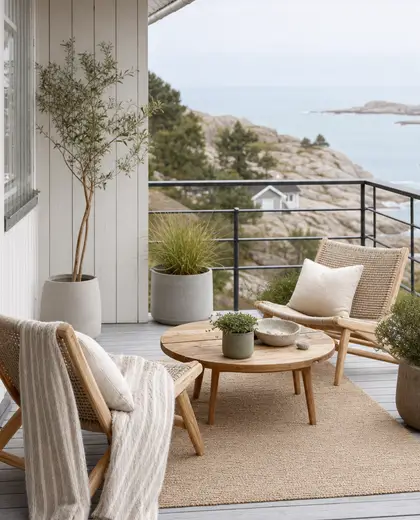
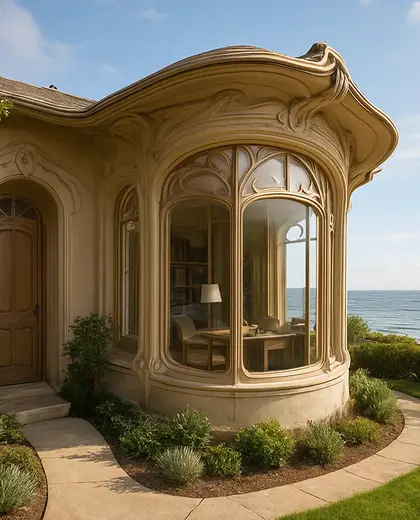
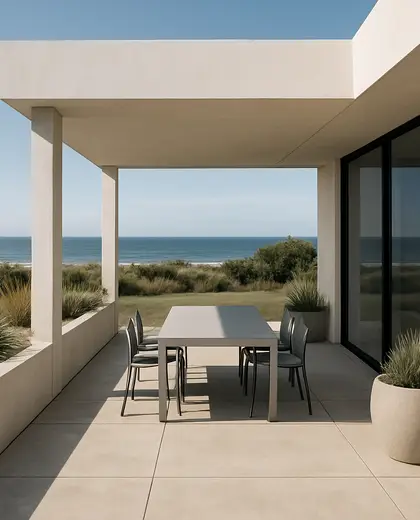
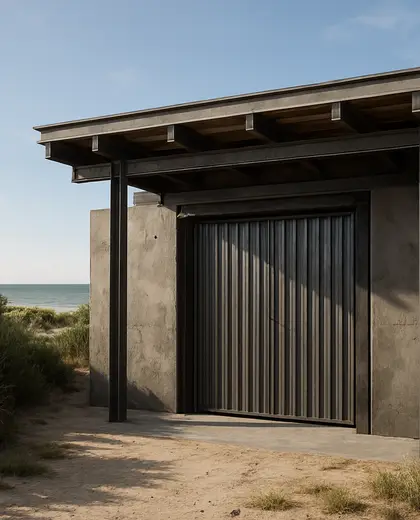
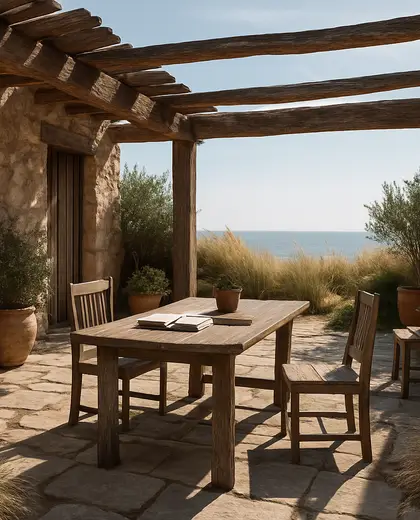
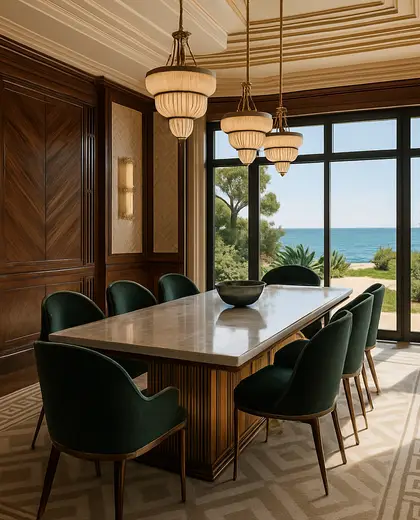
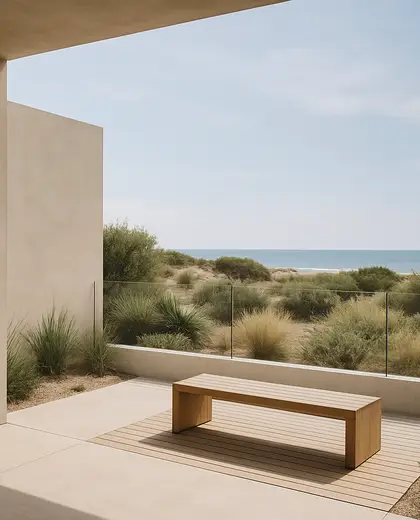
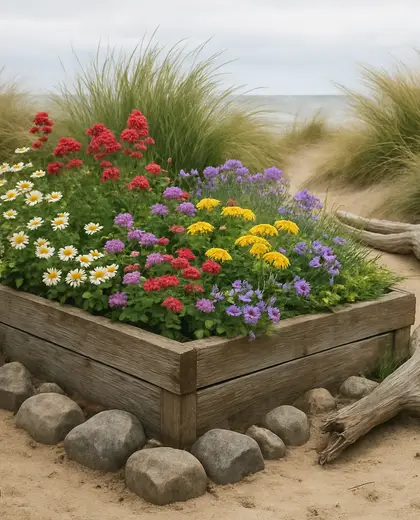
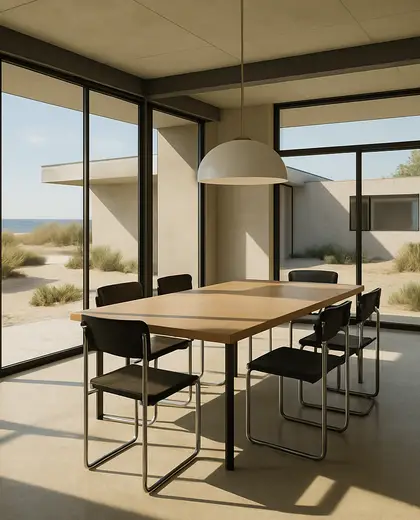
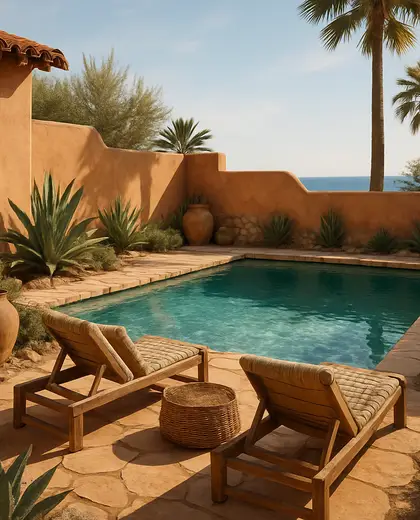
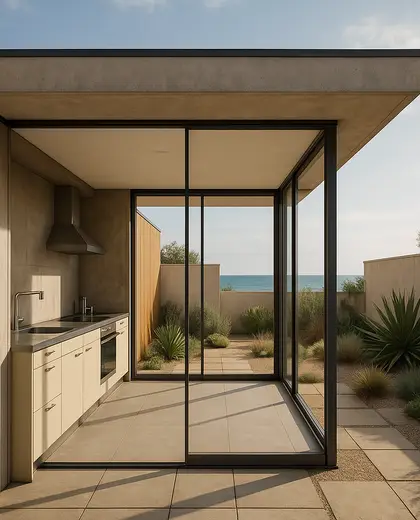
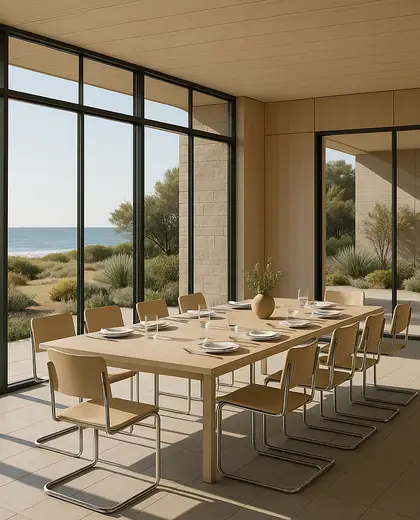
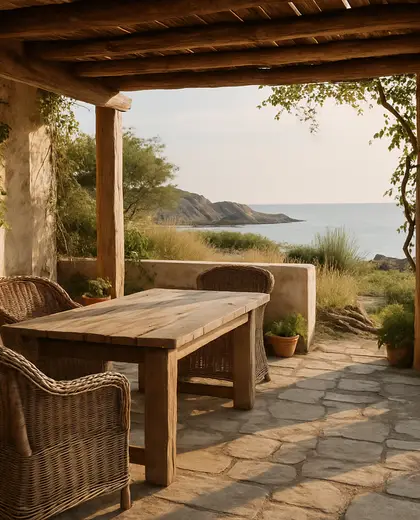
A coastal yard is defined by weathered, salt-tolerant materials, open planting, and a relaxed layout that handles wind and sun. Think pale stone, bleached timber, gravel, shell-toned finishes, and grasses or shrubs that read naturally against the landscape. The space usually mixes outdoor living elements with strong drainage, durable surfaces, and a light, airy palette.
- yard
- coastal
— References
References to explore

What makes a yard feel coastal?
A coastal yard feels coastal through pale, weathered materials, simple lines, and planting that looks natural rather than formal. It often uses open space and textures that echo sand, stone, and driftwood.

What plants suit a coastal yard?
Salt-tolerant and drought-tolerant plants usually perform best, such as ornamental grasses, lavender, agave, pittosporum, and hardy shrubs. The exact choice depends on exposure, soil, and local climate.
How do I keep a coastal yard low maintenance?
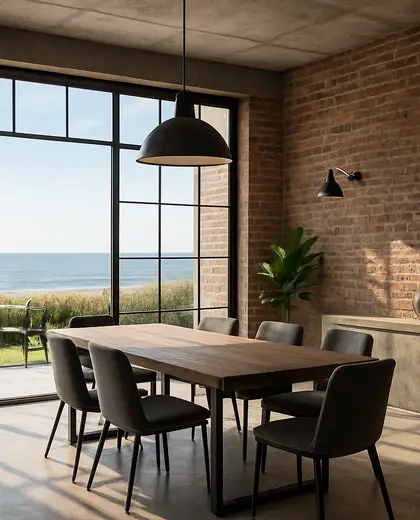
Use durable surfaces, good drainage, and planting that can handle wind and salt exposure. Limiting high-water lawns and choosing resilient materials will reduce upkeep over time.




— The style
What defines it
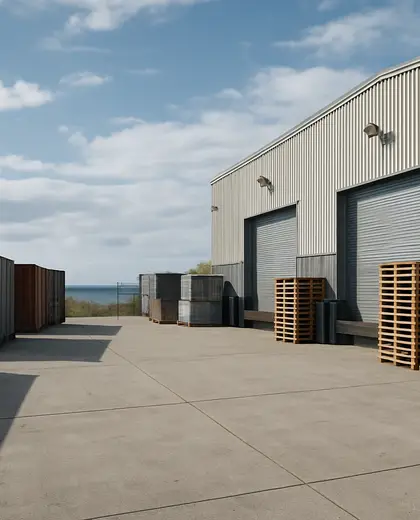
Weathered timber, limestone or concrete pavers, gravel, rope details, and corrosion-resistant metal work well in coastal yards.
Soft whites, sand, driftwood gray, sea glass green, and muted blue tones keep the yard feeling bright and breezy.
It combines planting, seating, paths, decking, and low-maintenance outdoor zones that suit wind, salt, and shifting light.
— Professionals
Who has already built it
- LoftRobejoiners · Guildford · 4 projectsView profile →
- Beneito Faurelighting designers · 2 projectsView profile →
- Lusso Stonetile suppliers · Stocktonontees · 7 projectsView profile →
- elizabeth bee interior deinterior designers · 4 projectsView profile →
— Explore
Keep exploring
— Questions
Frequently asked questions
What makes a yard feel coastal?
A coastal yard feels coastal through pale, weathered materials, simple lines, and planting that looks natural rather than formal. It often uses open space and textures that echo sand, stone, and driftwood.
What plants suit a coastal yard?
Salt-tolerant and drought-tolerant plants usually perform best, such as ornamental grasses, lavender, agave, pittosporum, and hardy shrubs. The exact choice depends on exposure, soil, and local climate.
How do I keep a coastal yard low maintenance?
Use durable surfaces, good drainage, and planting that can handle wind and salt exposure. Limiting high-water lawns and choosing resilient materials will reduce upkeep over time.