— Ideas & inspiration
Yard composition
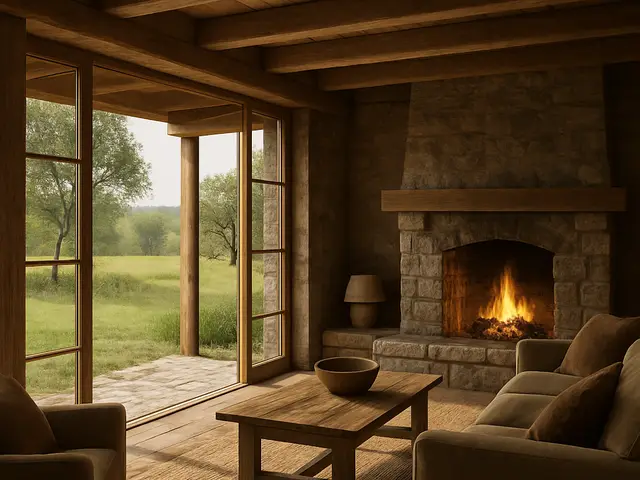
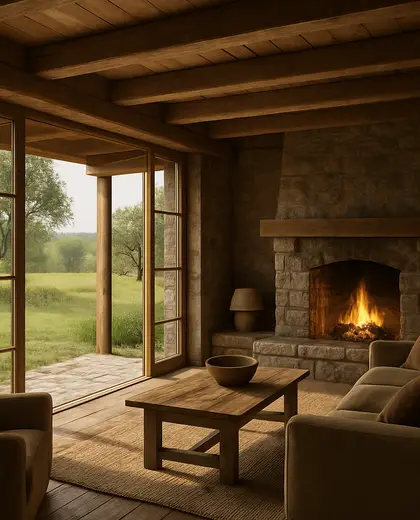
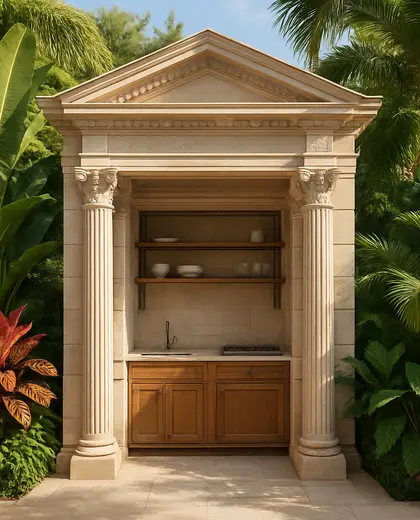
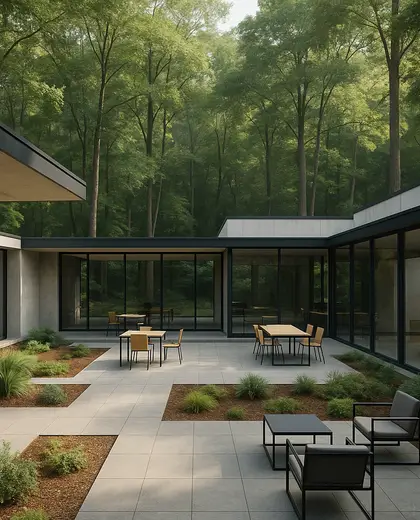
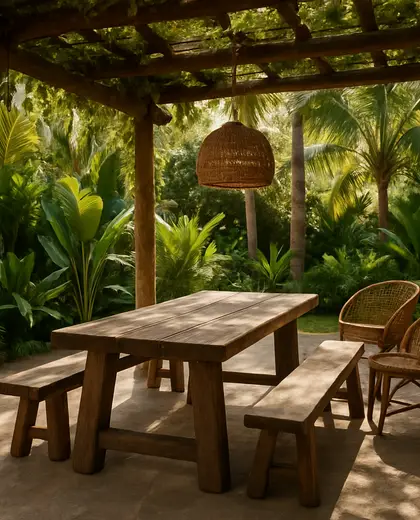
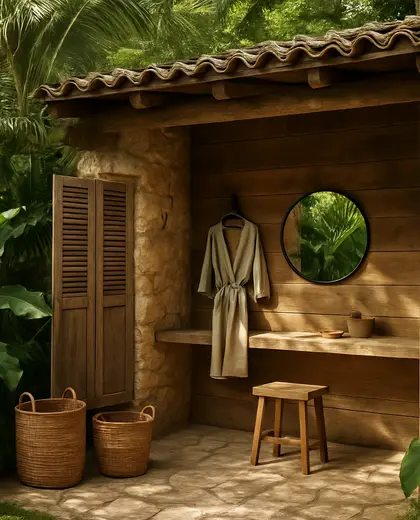
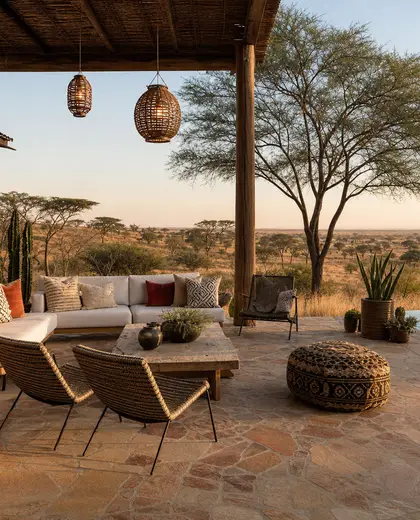
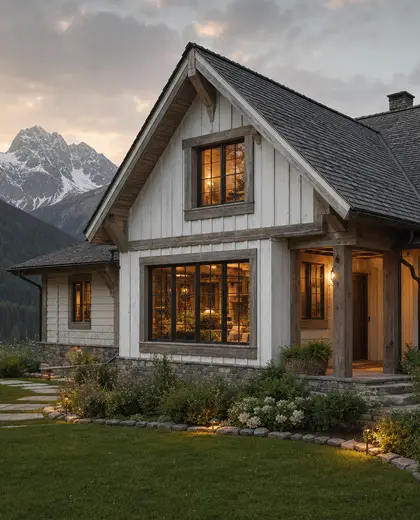
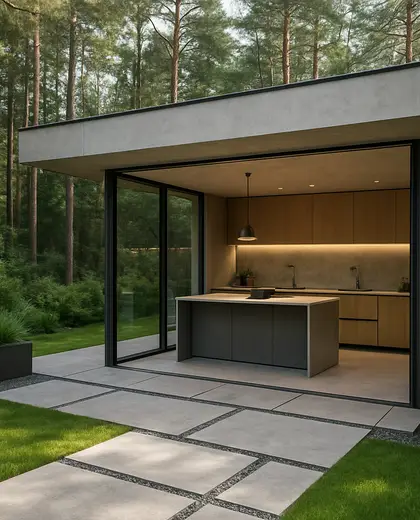
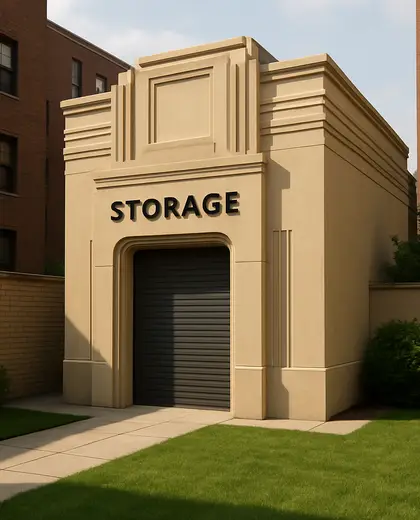
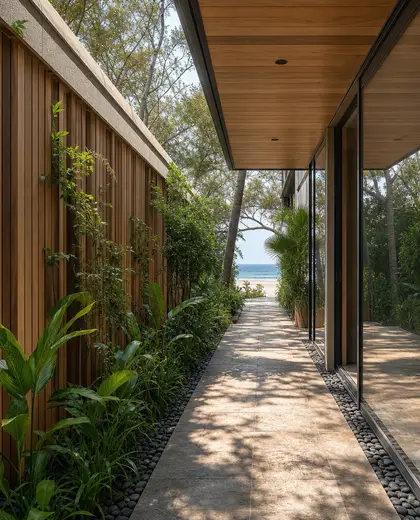
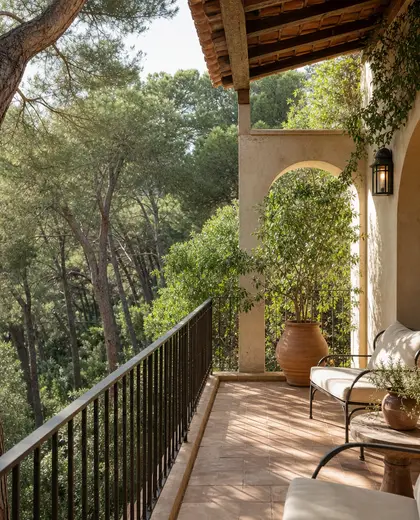
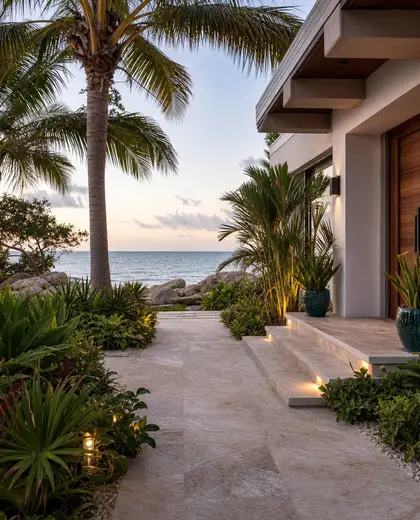
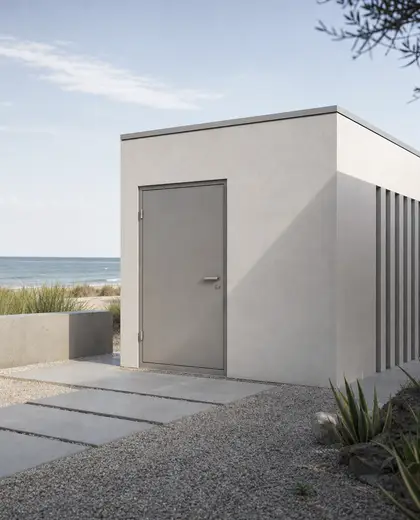
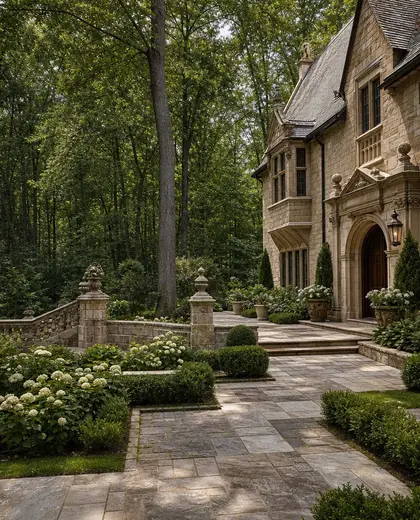
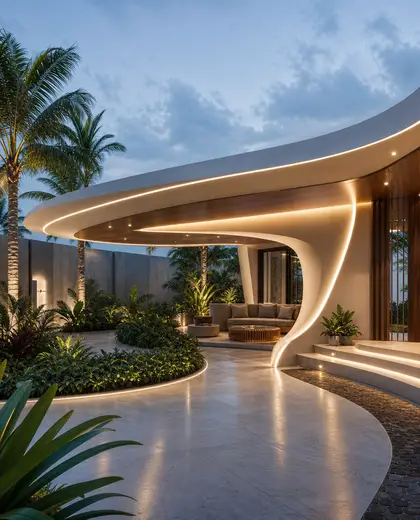
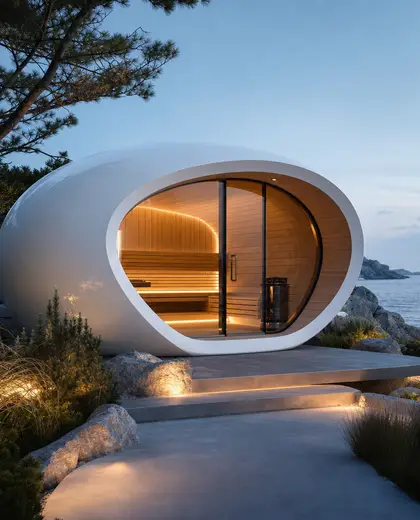
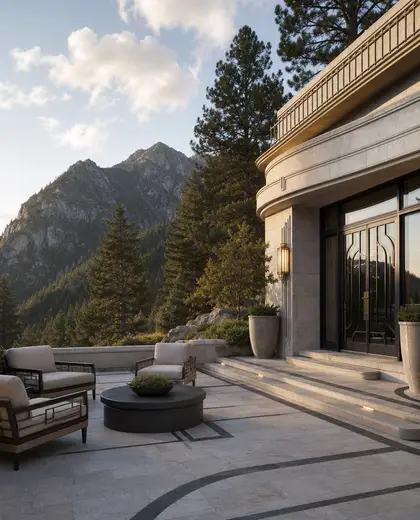
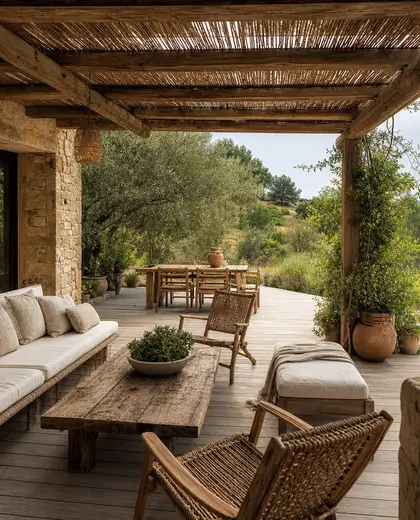
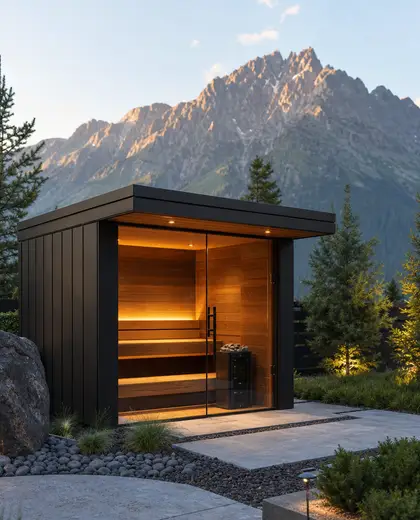
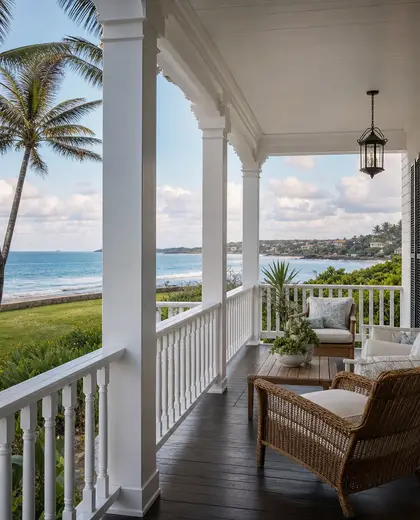
A yard composition is defined by an open exterior ground plane framed by the house or boundary walls, usually finished in durable hardscape, planted edges, or a mix of both. Common materials include gravel, brick, concrete pavers, timber decking, and compacted planting beds, with a palette that stays earthy and weathered rather than glossy. The look is shaped by clear circulation, low boundary elements, and a functional outdoor surface for light, planting, and everyday use.
- yard
— References
References to explore
Is a yard the same as a garden?
Not exactly. A yard is the broader outdoor area around a home, while a garden usually refers to the planted parts within it.
What surfaces work best in a yard?
Durable, low-maintenance surfaces work best, such as pavers, gravel, concrete, brick, or timber where a softer finish is wanted.
Does a yard composition need a lot of planting?
No. Some yards are mostly hardscape with only a few planting edges, while others use planting to soften boundaries and define zones.
— The style
What defines it
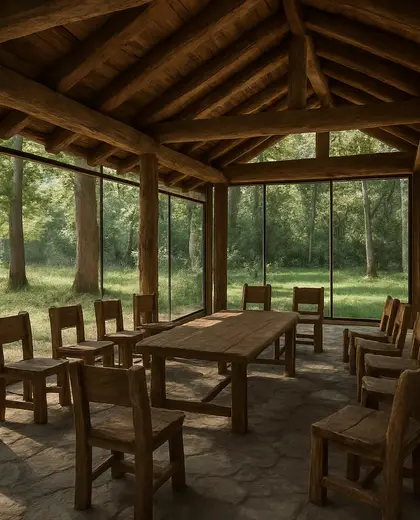
Brick, concrete pavers, gravel, timber, stone edging, and simple planting beds are the most common building blocks.
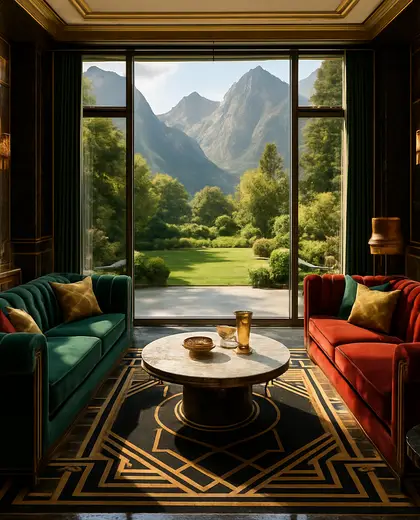
Natural and muted tones dominate: greys, browns, warm reds, off-whites, and green planting accents.
It usually pairs with the main façade, perimeter walls, garden planting, seating, lighting, and storage or utility zones.
— Professionals
Who has already built it
- vorbild architecturearchitects · 6 projectsView profile →
- kerem erbagci3d renderers · London · 9 projectsView profile →
- paquis norris group limitedbuilders · Reading · 3 projectsView profile →
- LoftRobejoiners · Guildford · 4 projectsView profile →
— Explore
Keep exploring
— Questions
Frequently asked questions
Is a yard the same as a garden?
Not exactly. A yard is the broader outdoor area around a home, while a garden usually refers to the planted parts within it.
What surfaces work best in a yard?
Durable, low-maintenance surfaces work best, such as pavers, gravel, concrete, brick, or timber where a softer finish is wanted.
Does a yard composition need a lot of planting?
No. Some yards are mostly hardscape with only a few planting edges, while others use planting to soften boundaries and define zones.