— Ideas & inspiration
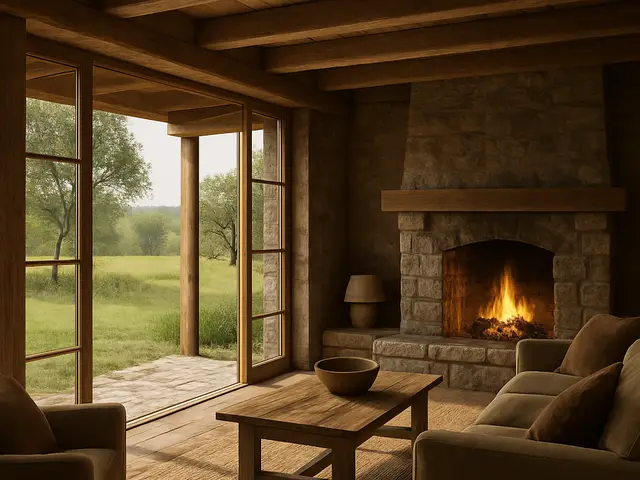
A rustic yard with natural textures and lived-in charm
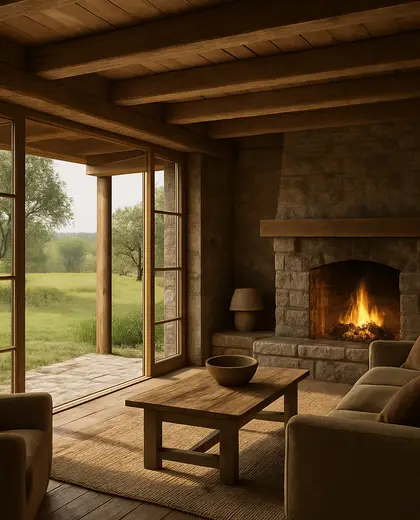
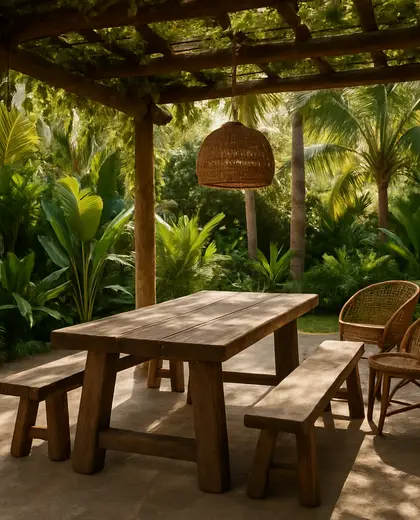
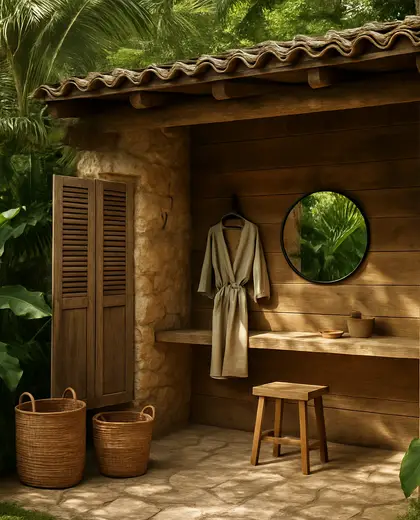
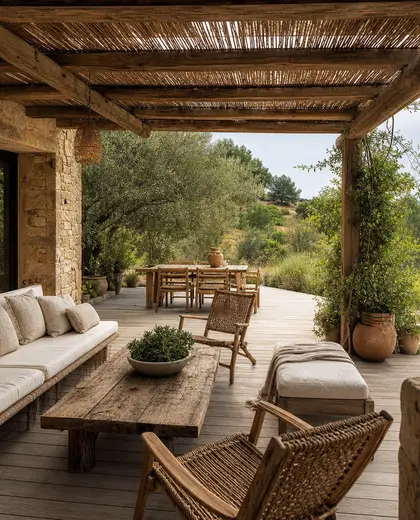
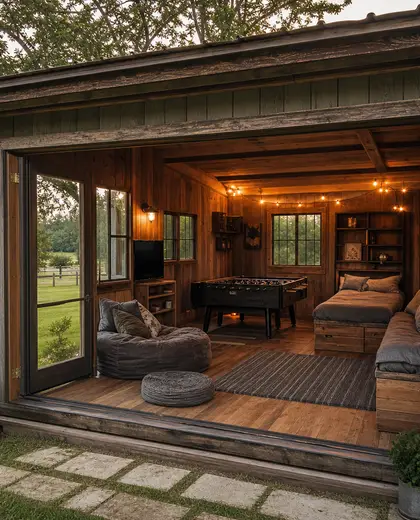
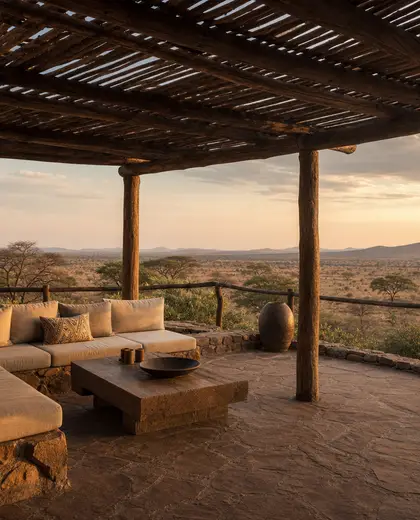
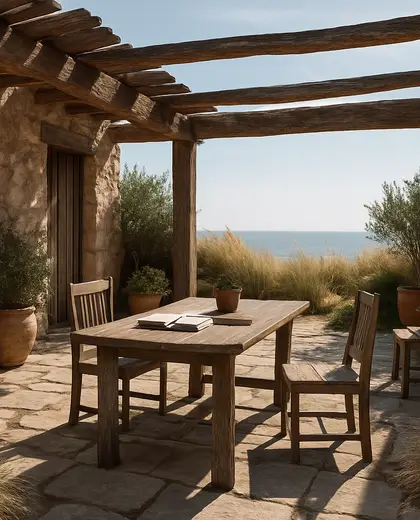
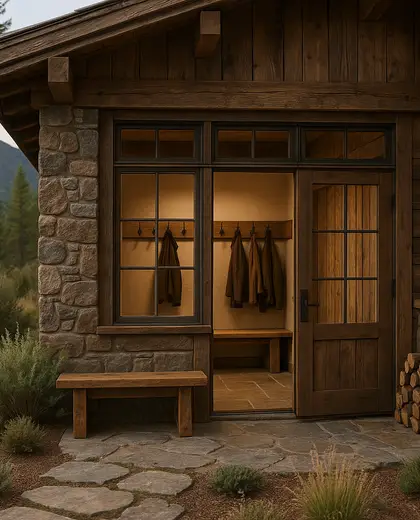
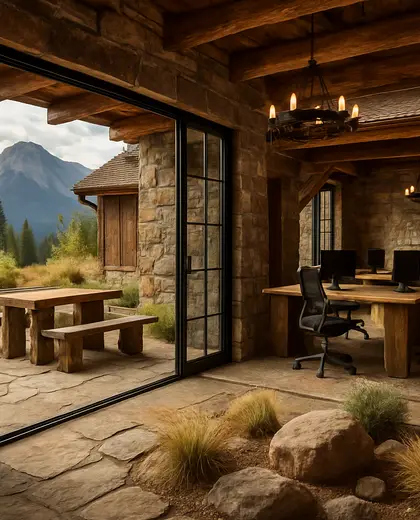
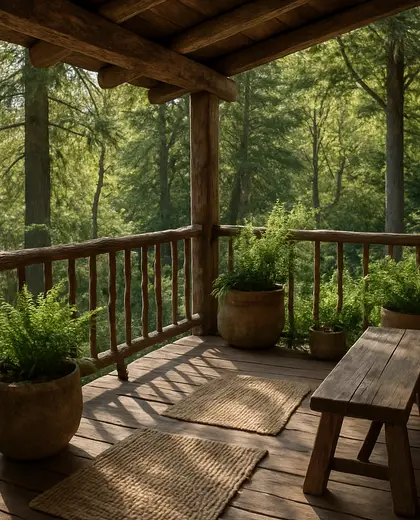
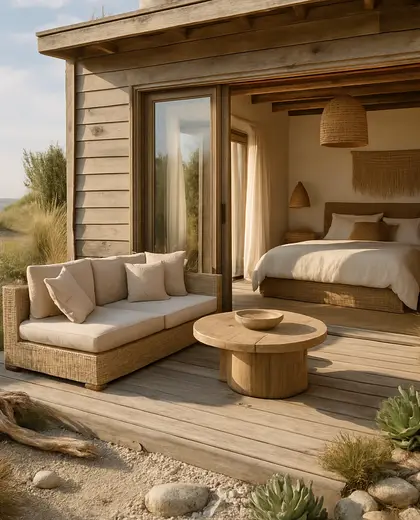
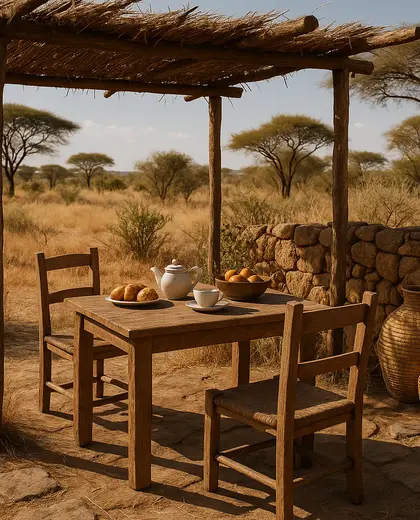
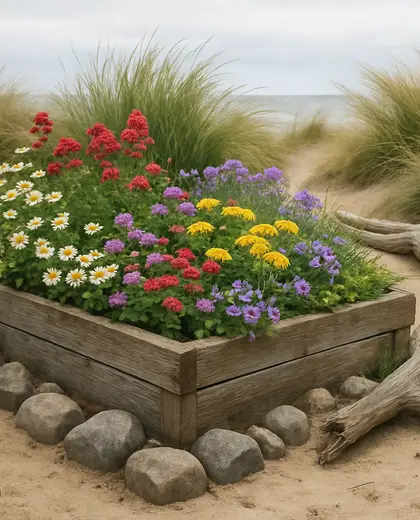
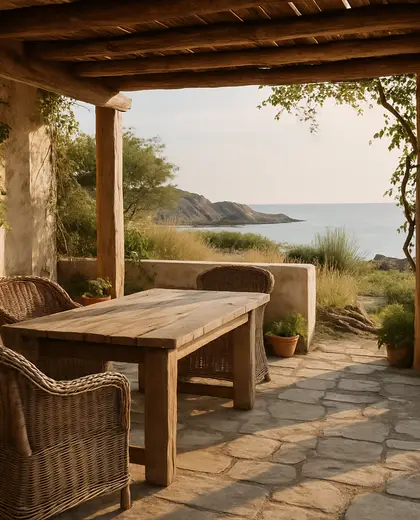
A rustic yard is defined by weathered materials, simple forms, and a grounded, informal layout. It often uses wood, stone, clay, and metal with a muted palette of brown, gray, sand, and deep green. The look usually includes informal planting, textured paving, and details that feel handmade or timeworn.
- yard
- rustic
— References
References to explore
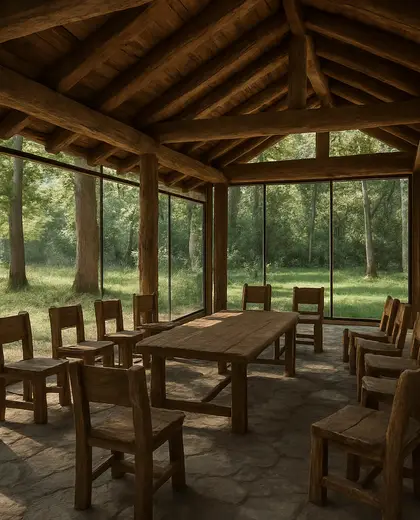
What makes a yard feel rustic instead of just old-fashioned?
Rustic yards use natural textures and simple, honest materials on purpose. The result feels warm and relaxed rather than decorative or formal.
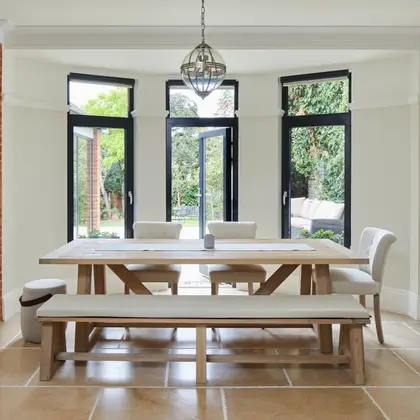
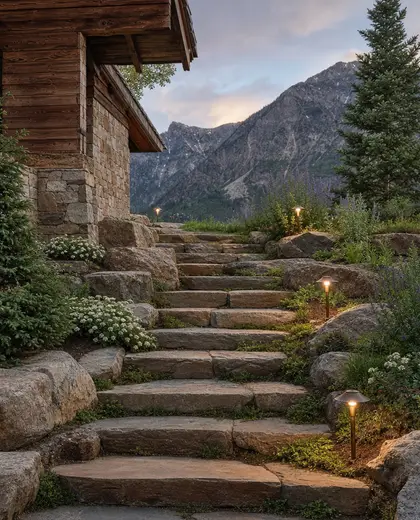
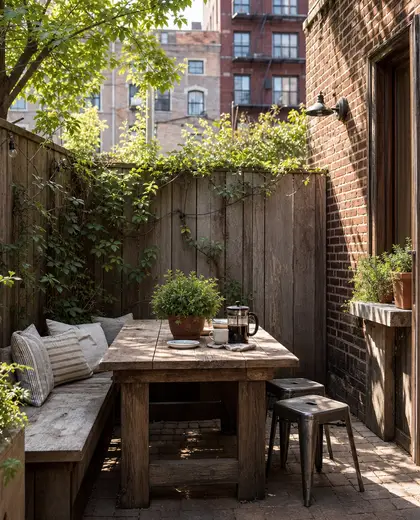
Which plants suit a rustic yard?
Choose plants with a natural, loose look, such as grasses, lavender, herbs, shrubs, and seasonal flowers. Planting that feels layered and slightly untamed usually works best.
Can a rustic yard still feel polished?
Yes, if the layout is clear and the materials are consistent. Even with weathered finishes, good edges, balanced planting, and a few strong focal points keep it refined.
— The style
What defines it
Weathered wood, rough stone, terracotta, aged metal, and gravel are the most common materials.
Earthy browns, warm grays, faded greens, sand, and clay tones create the base color story.
It pairs well with cottage planting, farmhouse details, simple seating, and informal garden paths.
— Professionals
Who has already built it
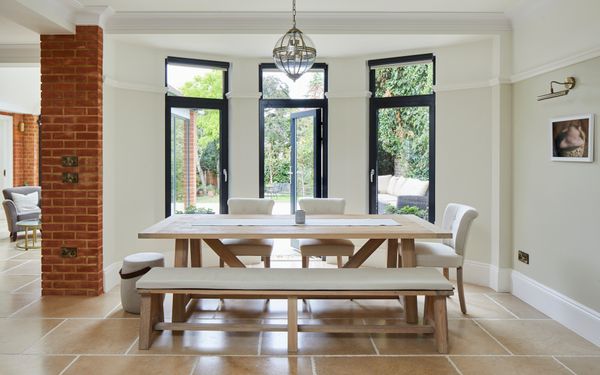



- paquis norris group limitedbuilders · Reading · 3 projectsView profile →
- LoftRobejoiners · Guildford · 4 projectsView profile →
- Beneito Faurelighting designers · 2 projectsView profile →
- Lusso Stonetile suppliers · Stocktonontees · 7 projectsView profile →
— Explore
Keep exploring
— Questions
Frequently asked questions
What makes a yard feel rustic instead of just old-fashioned?
Rustic yards use natural textures and simple, honest materials on purpose. The result feels warm and relaxed rather than decorative or formal.
Which plants suit a rustic yard?
Choose plants with a natural, loose look, such as grasses, lavender, herbs, shrubs, and seasonal flowers. Planting that feels layered and slightly untamed usually works best.
Can a rustic yard still feel polished?
Yes, if the layout is clear and the materials are consistent. Even with weathered finishes, good edges, balanced planting, and a few strong focal points keep it refined.