— Ideas & inspiration
A contemporary home with calm lines and lived-in warmth
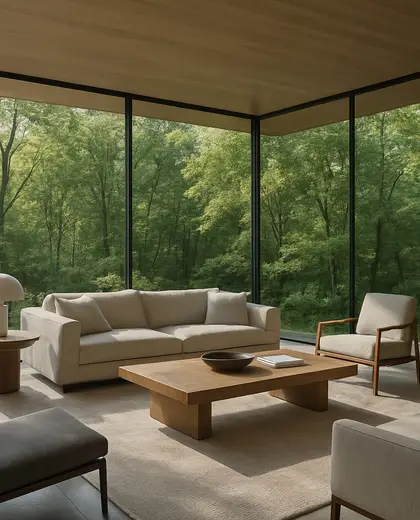
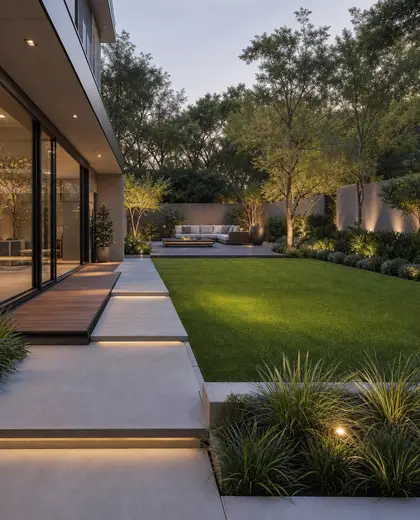
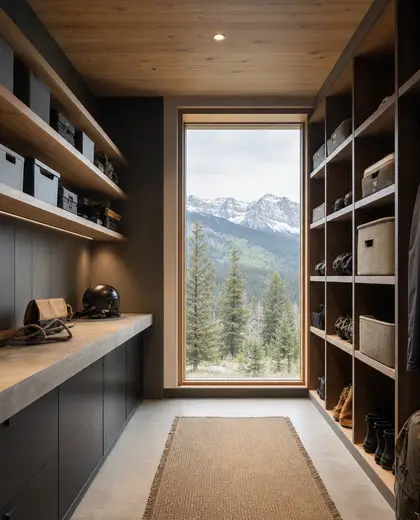
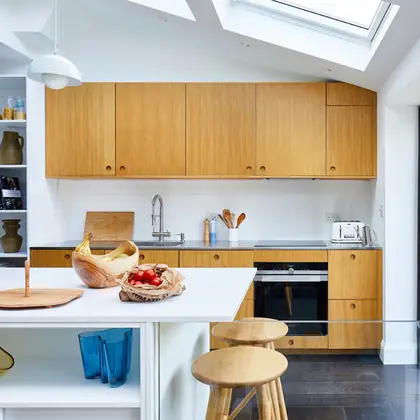
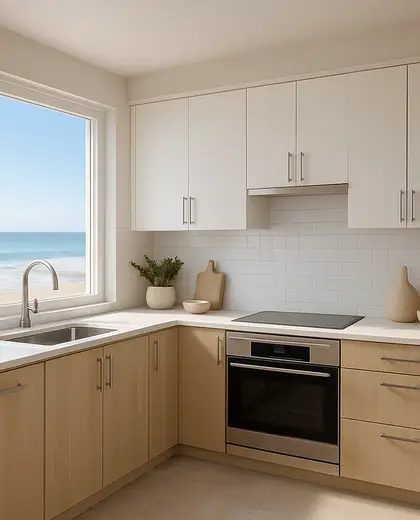
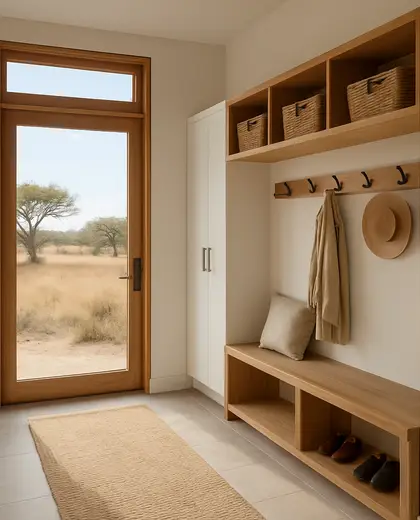
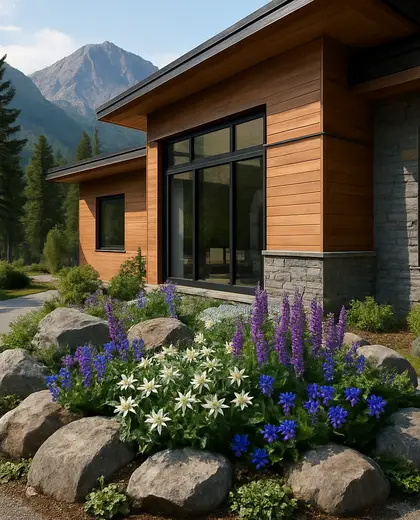
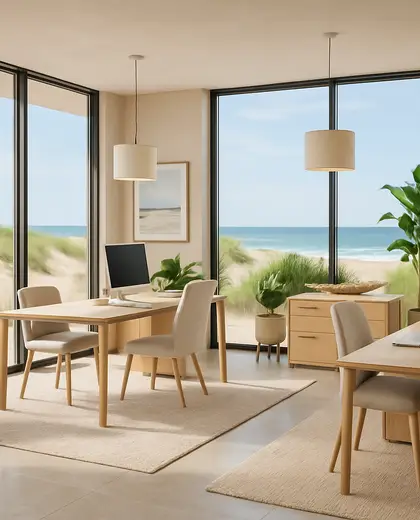
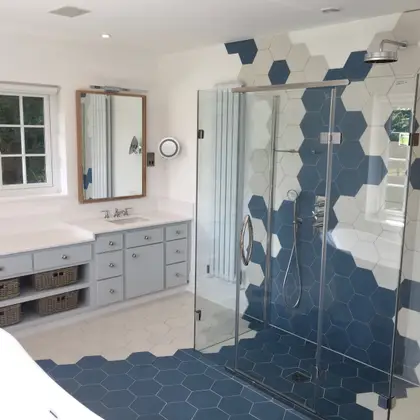
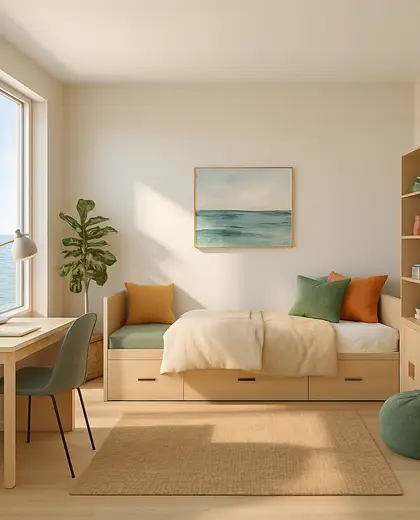
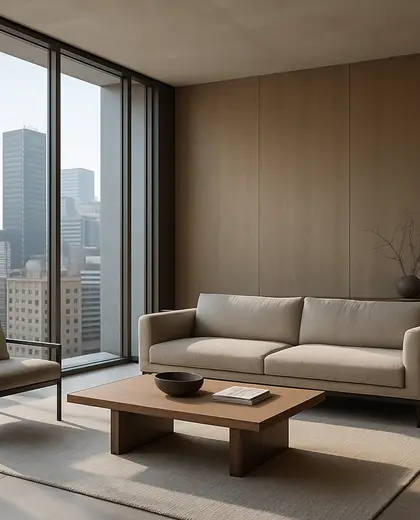
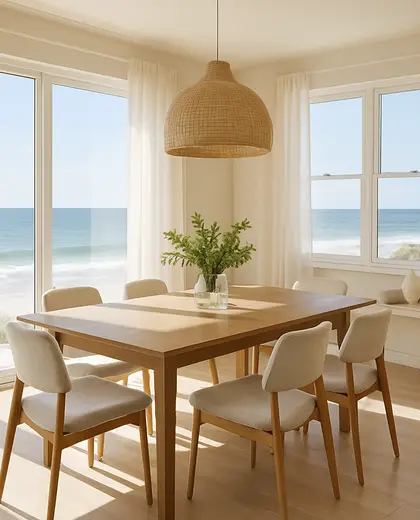
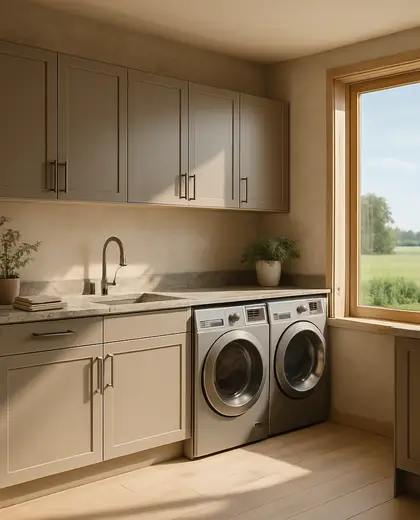
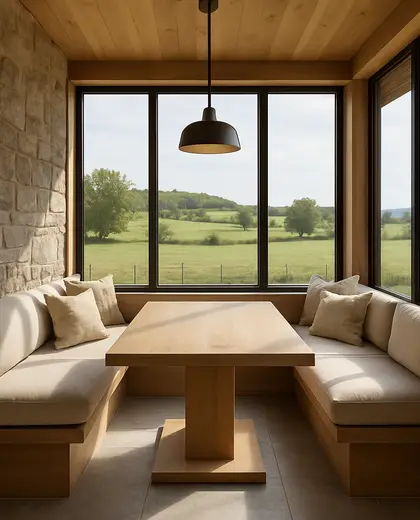
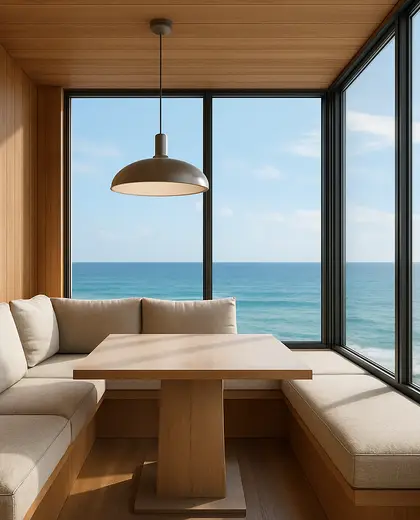
This composition is defined by clean geometry, open layouts, and a restrained material mix of glass, steel, smooth plaster, and natural wood. The palette usually stays neutral, with white, gray, black, and warm timber tones, while large windows and simple detailing keep the look bright and uncluttered. Its defining elements are flat or low-pitched rooflines, minimal trim, and a strong indoor-outdoor connection.
- home
- contemporary
— References
References to explore
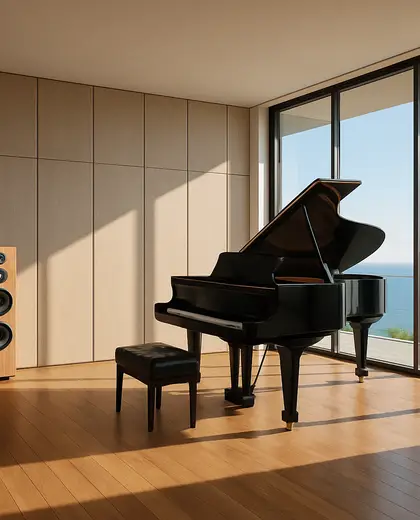
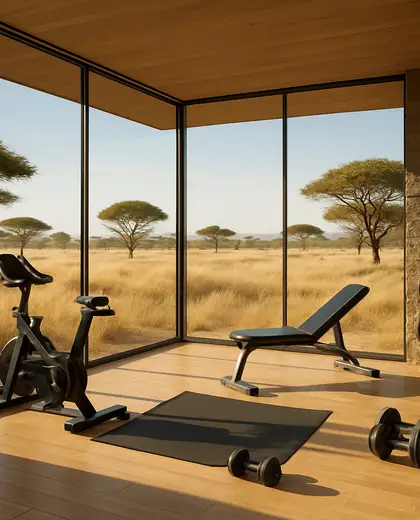
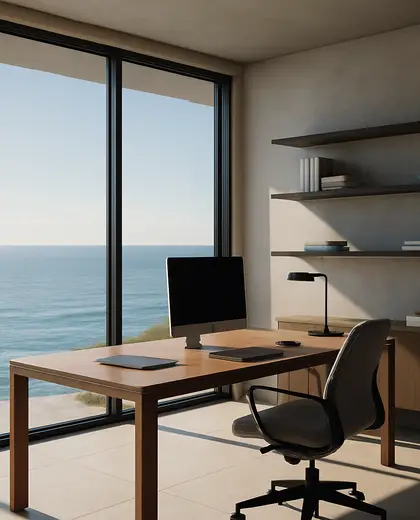
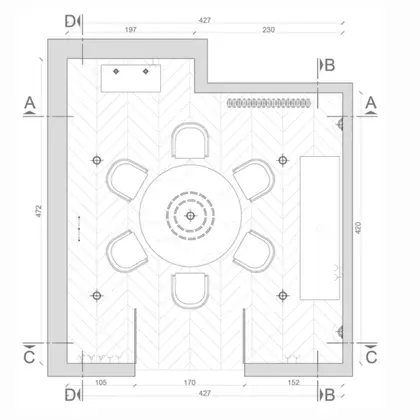
What makes a home feel contemporary instead of just modern?
A contemporary home reflects current design choices, so it often feels softer and more adaptable than strict modernism. It usually keeps the clean lines but may mix in warmer materials, textured finishes, and more relaxed layouts.
— The style
What defines it
Glass, steel, concrete, plaster, and wood are common, often paired with matte finishes and simple surfaces.
Mostly neutral: white, gray, black, and beige, softened by natural wood and occasional earthy accents.
Works well with open-plan living, large windows, minimalist detailing, and flexible indoor-outdoor spaces.
— Professionals
Who has already built it
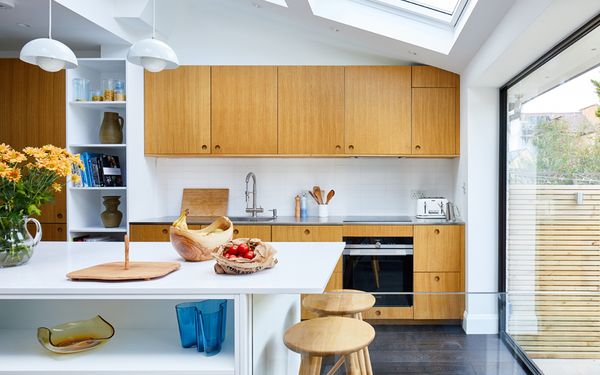

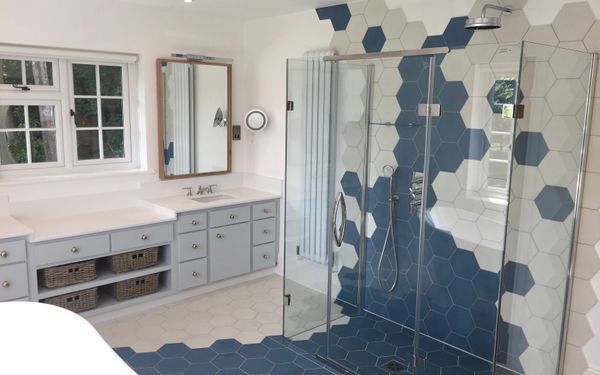

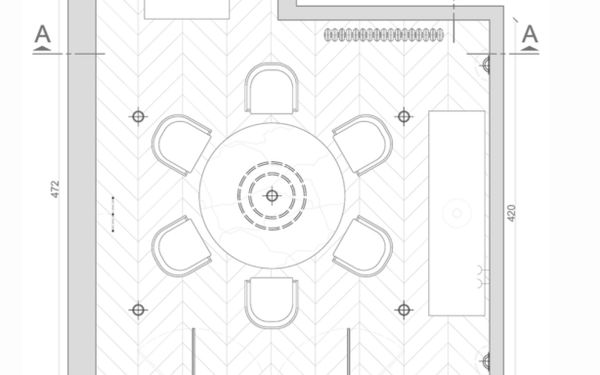

- paquis norris group limitedbuilders · Reading · 3 projectsView profile →
- LoftRobejoiners · Guildford · 4 projectsView profile →
- Beneito Faurelighting designers · 2 projectsView profile →
- Lusso Stonetile suppliers · Stocktonontees · 7 projectsView profile →
— ARTICLES
Related reading
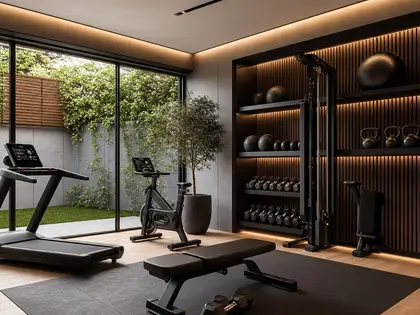
Home gym budget guide: what a realistic renovation costs in the UK
A practical UK budget guide for renovating a home gym, with realistic cost ranges, smart places to invest, and the hidden extras people often forget.
Read article →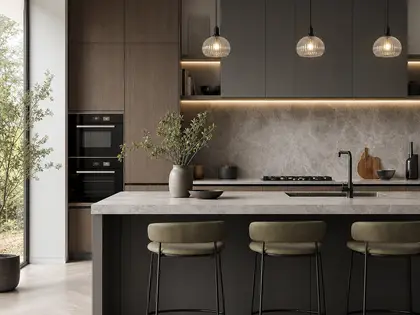
Kitchen planning made simple: a practical place to start
A practical starting guide for planning a kitchen project, from defining what you need to locking key decisions before work begins.
Read article →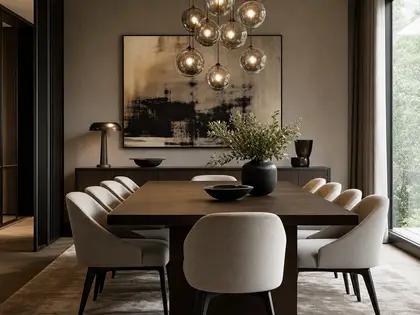
formal dining room ideas shaping 2026 interiors
A practical look at the latest formal dining room trends, from richer materials and softer lighting to smarter layouts and easy updates that do not require a full renovation.
Read article →— Questions
Frequently asked questions
What makes a home feel contemporary instead of just modern?
A contemporary home reflects current design choices, so it often feels softer and more adaptable than strict modernism. It usually keeps the clean lines but may mix in warmer materials, textured finishes, and more relaxed layouts.
Can a contemporary home still feel warm?
Yes. Warmth usually comes from natural wood, layered lighting, textured fabrics, and a restrained but inviting color palette. The style is minimal, but it does not have to feel cold.
What should I focus on when designing this look?
Focus on simplicity in form, consistent materials, and a clear connection between rooms and outdoor spaces. Good proportions, plenty of natural light, and fewer decorative details are key to the overall feel.