— Ideas & inspiration
Raw Structure Meets Sea Air
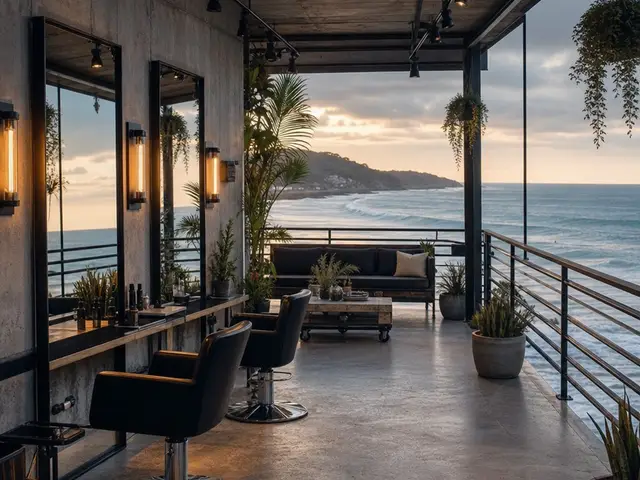
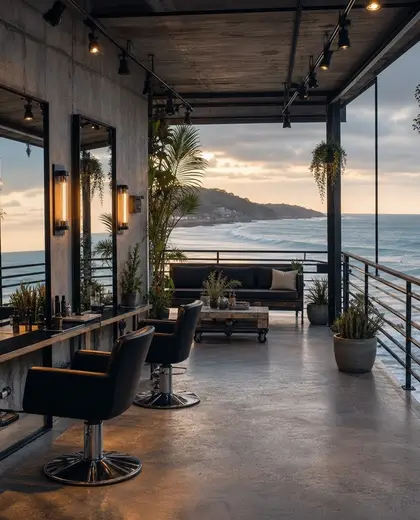
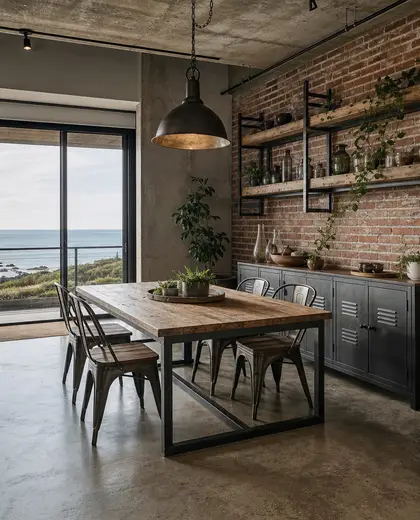
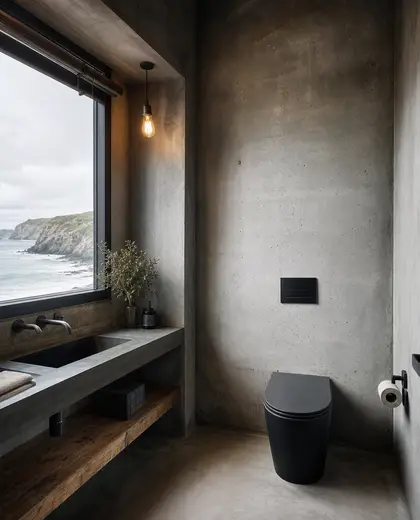
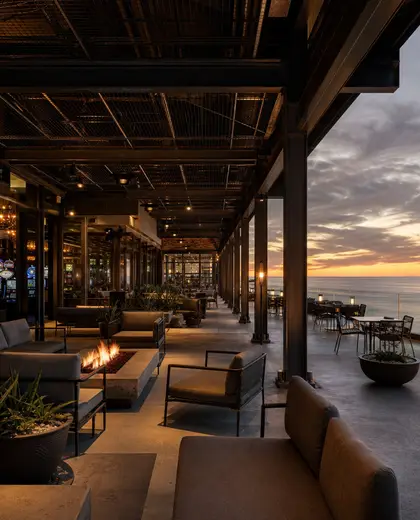
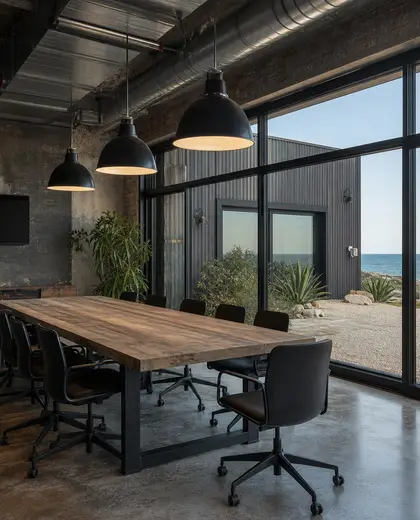
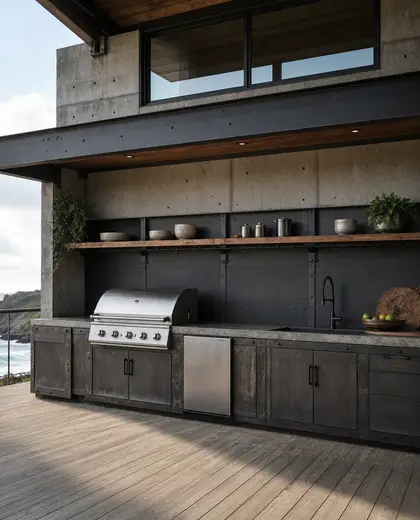
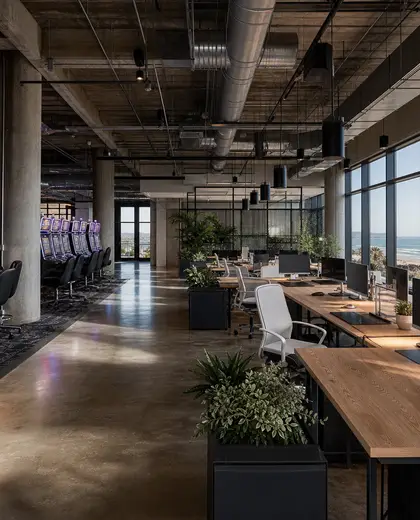
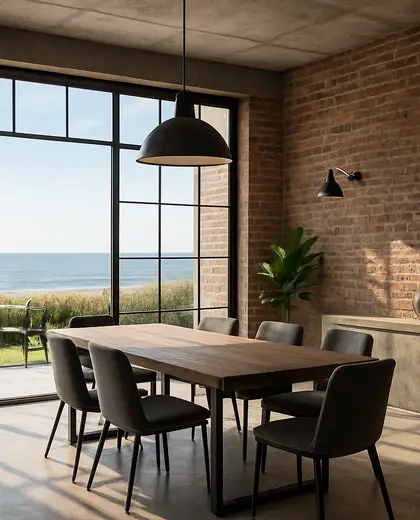
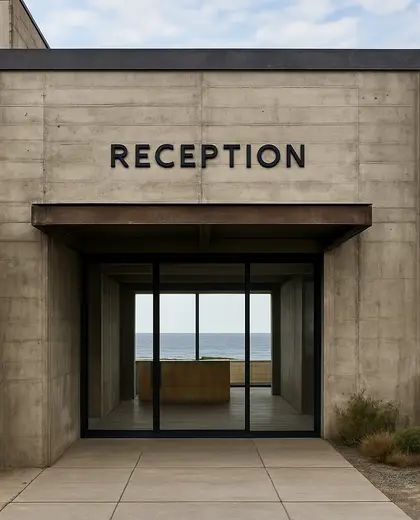
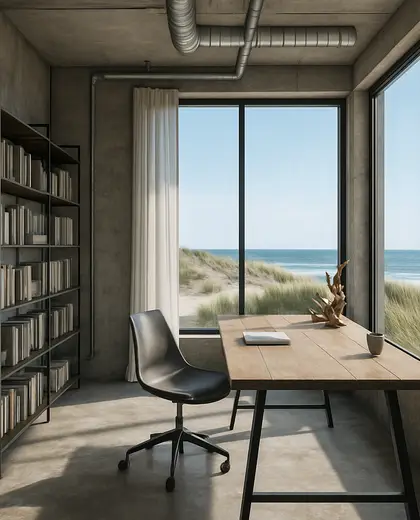
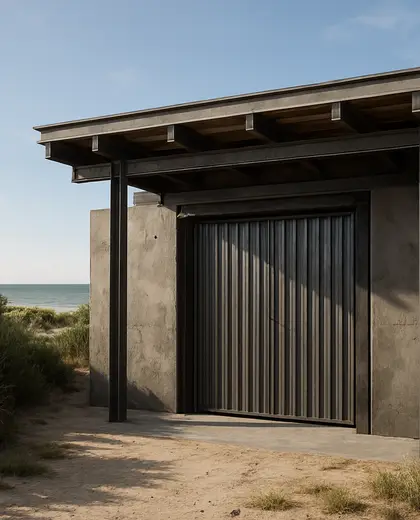
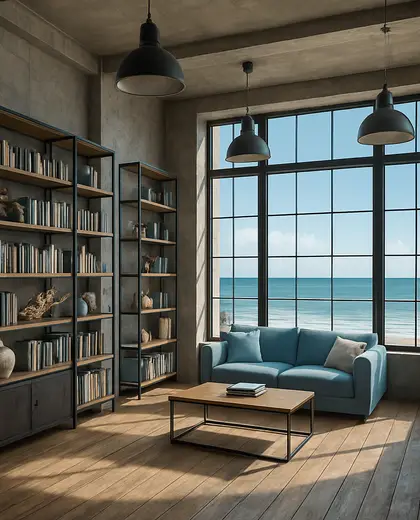
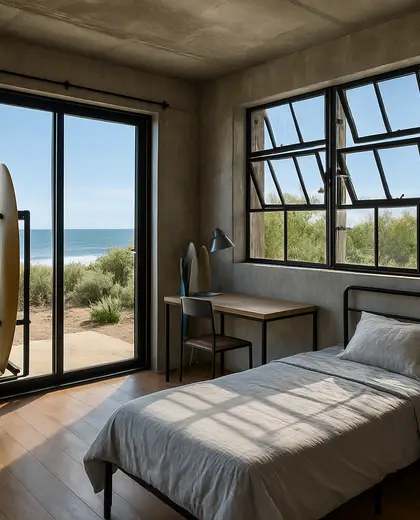
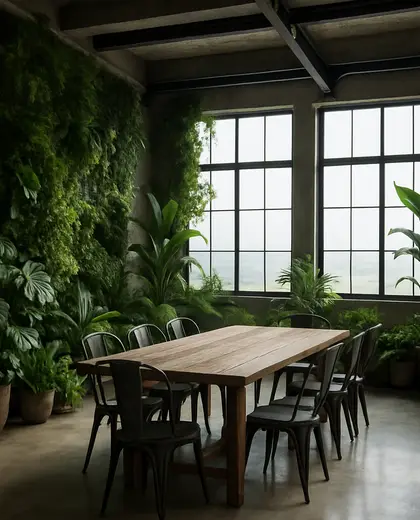
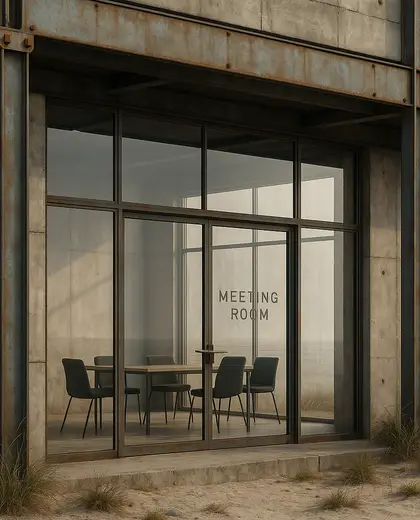
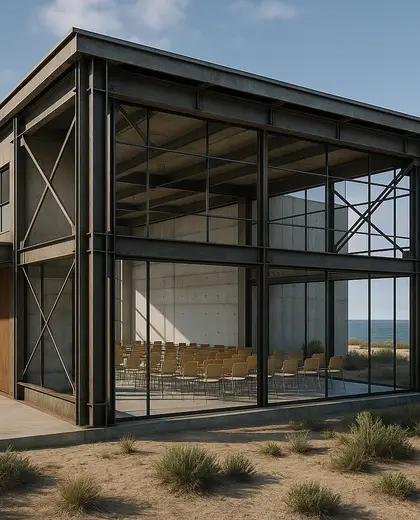
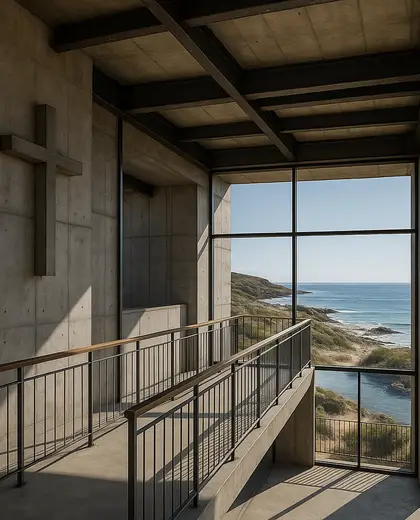
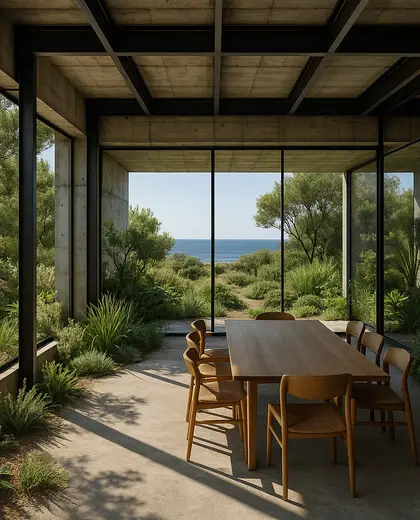
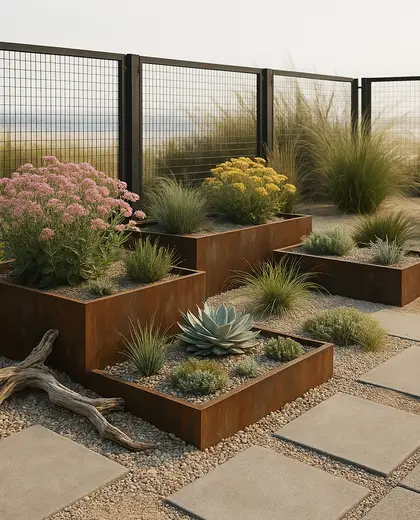
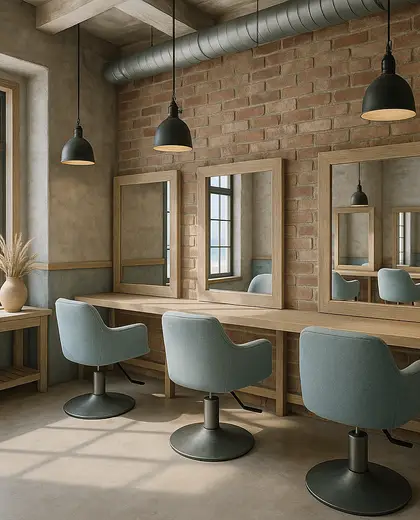
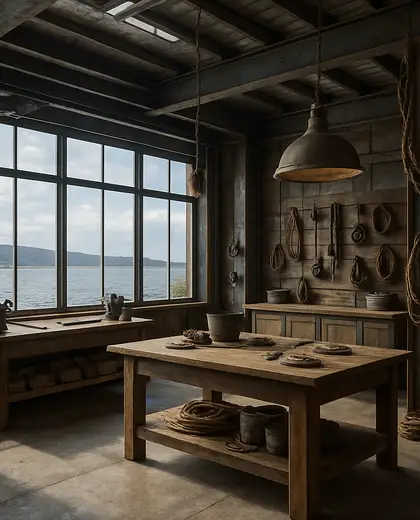
Industrial coastal design combines exposed, utilitarian materials with the relaxed clarity of seaside living. It typically uses concrete, steel, weathered wood, linen, and glass, balanced by a palette of sand, white, gray, and soft blue. The result is a space with strong architectural lines, open feel, and a worn-in, salt-air softness.
- industrial
- coastal
— References
References to explore
Will this style feel too cold in a family home?
It can if the palette stays too dark or the finishes are overly hard. Bringing in wood, linen, textured rugs, and soft light keeps it comfortable and lived-in.
What finishes make the coastal side read clearly?
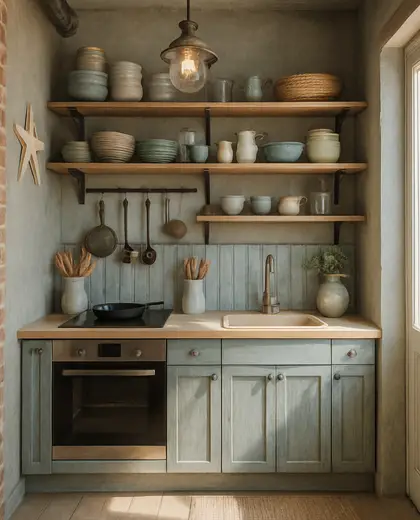
Matte whites, lightly weathered wood, woven textures, and fabrics that feel airy are the main cues. Small sea-glass or pale blue accents can help without making the room theme-heavy.
Does this style work in a house without exposed beams or brick?
Yes, it can be done through surface materials, furniture, and lighting rather than original structure. Simple millwork, metal details, and a restrained coastal palette are usually enough.
— The style
What defines it
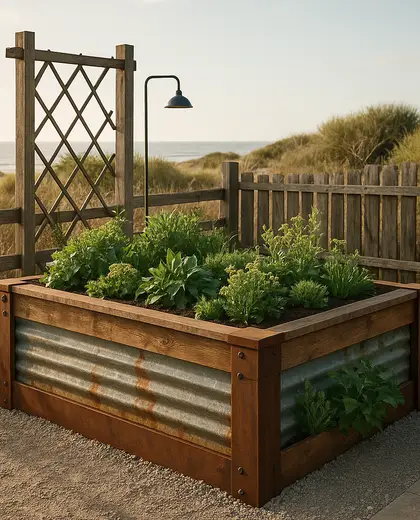
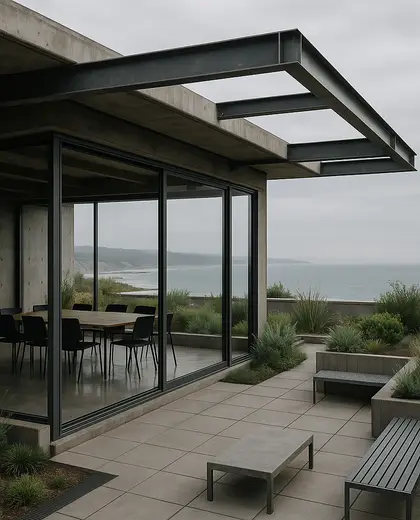
Concrete, blackened metal, reclaimed timber, glass, and natural textiles.
Warm white, oyster, slate gray, driftwood brown, and muted blue-green accents.
Loft-style structure, generous daylight, and relaxed coastal finishes.
— Professionals
Who has already built it
- vorbild architecturearchitects · 6 projectsView profile →
- kerem erbagci3d renderers · London · 9 projectsView profile →
- paquis norris group limitedbuilders · Reading · 3 projectsView profile →
- LoftRobejoiners · Guildford · 4 projectsView profile →
— Questions
Frequently asked questions
Will this style feel too cold in a family home?
It can if the palette stays too dark or the finishes are overly hard. Bringing in wood, linen, textured rugs, and soft light keeps it comfortable and lived-in.
What finishes make the coastal side read clearly?
Matte whites, lightly weathered wood, woven textures, and fabrics that feel airy are the main cues. Small sea-glass or pale blue accents can help without making the room theme-heavy.
Does this style work in a house without exposed beams or brick?
Yes, it can be done through surface materials, furniture, and lighting rather than original structure. Simple millwork, metal details, and a restrained coastal palette are usually enough.