— Ideas & inspiration
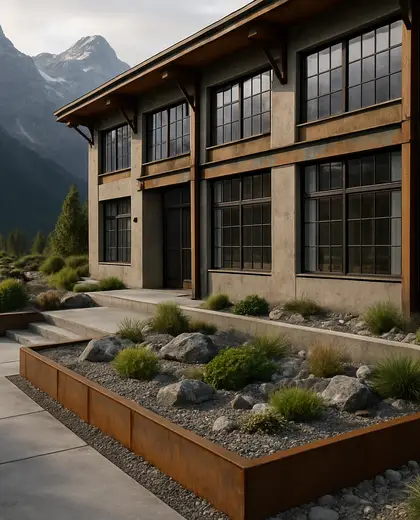
Industrial forms with a mountain spirit
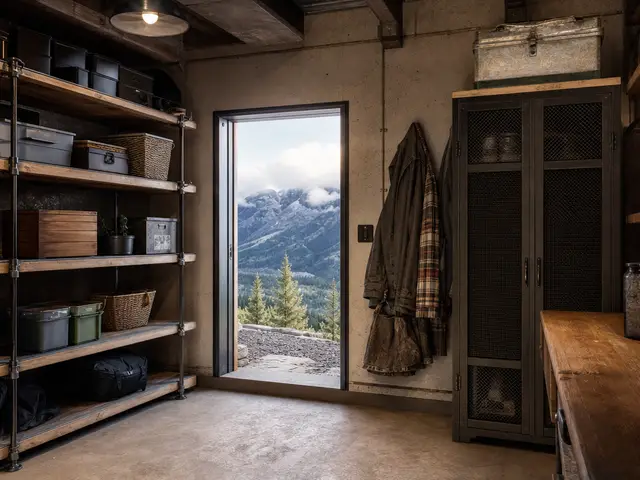
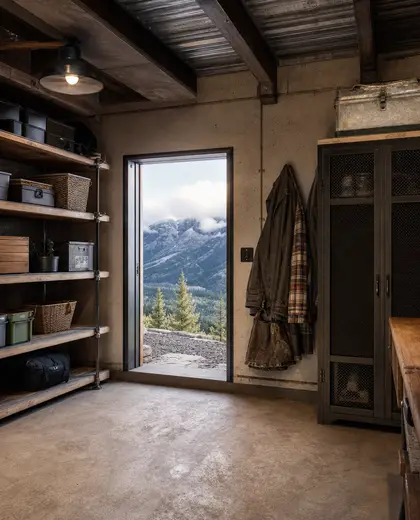
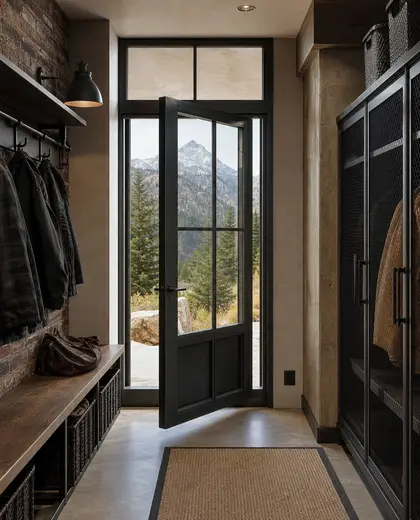
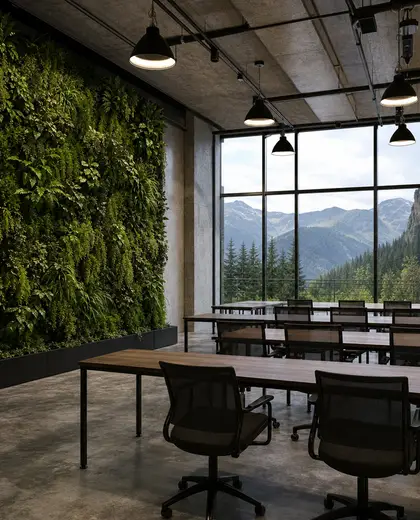
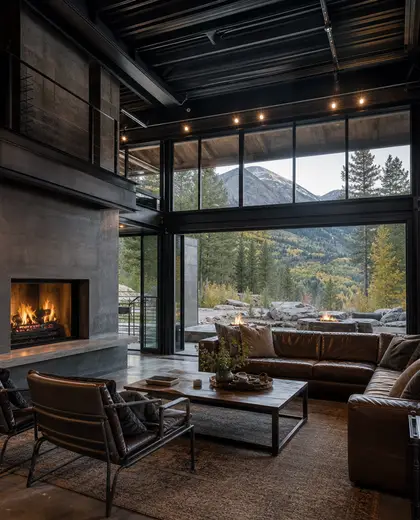
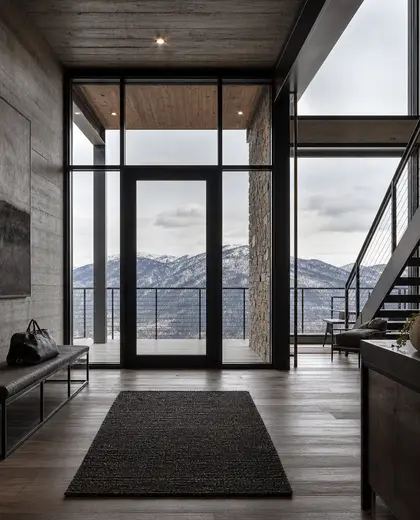
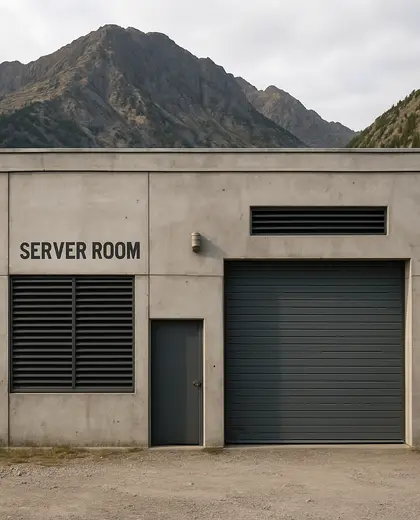
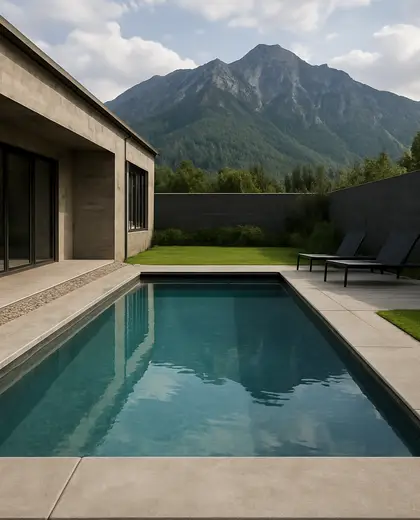
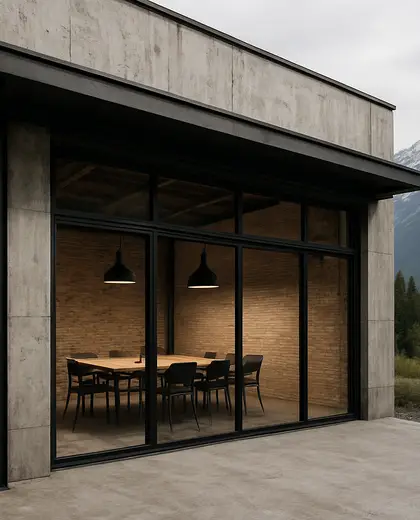
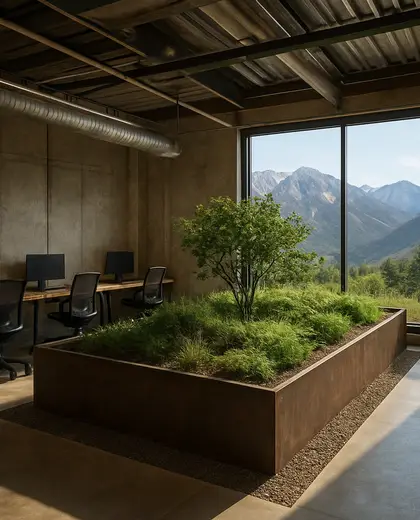
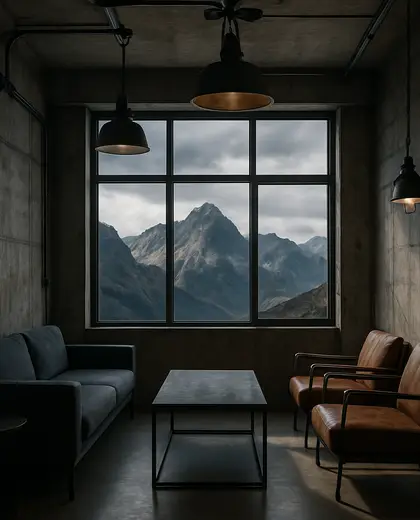
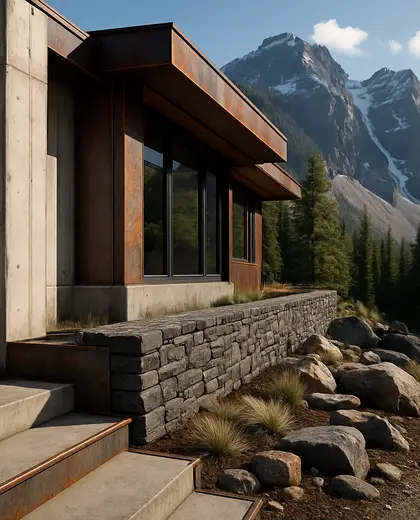
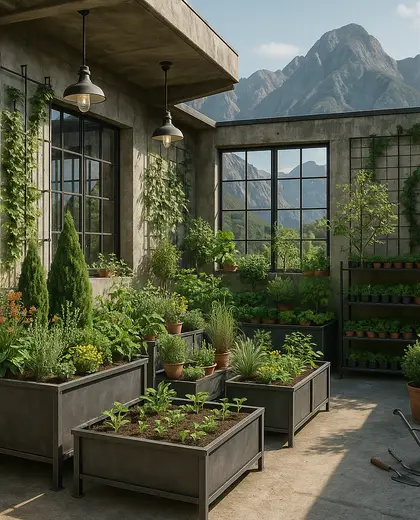
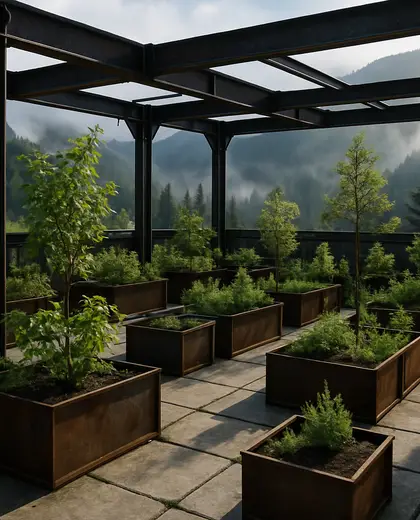
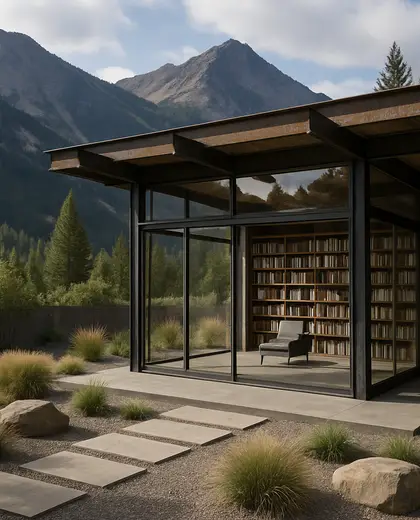
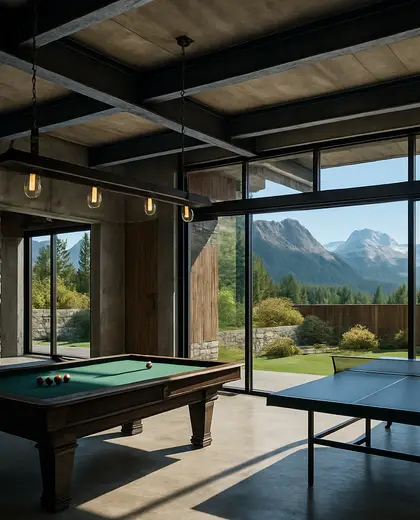
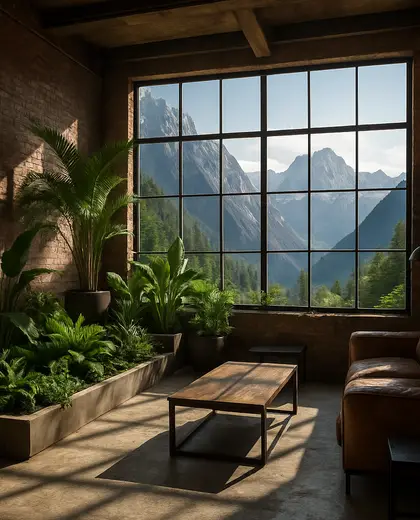
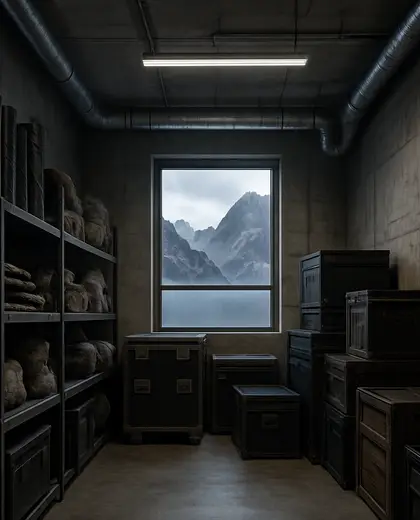
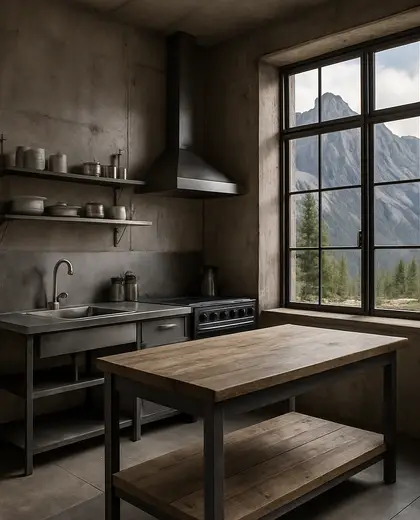
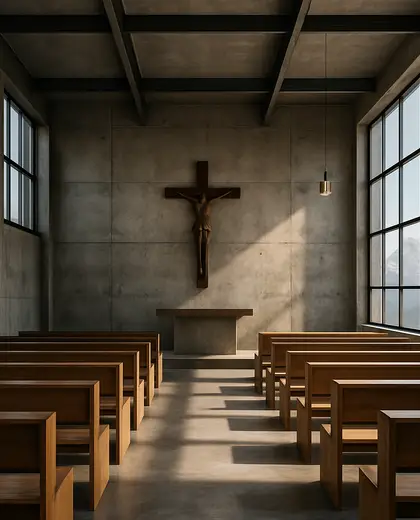
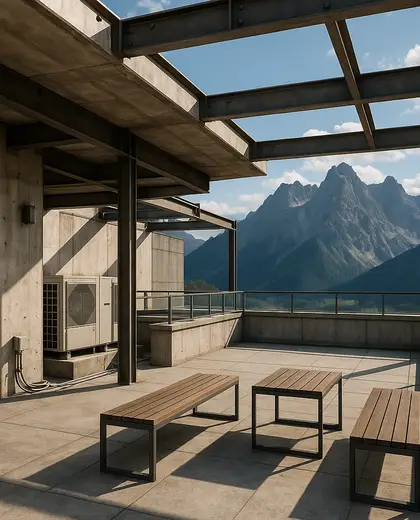
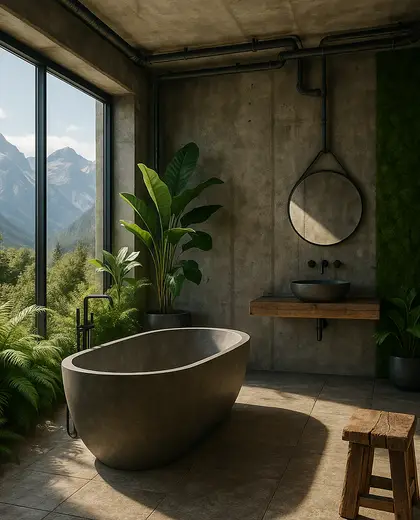
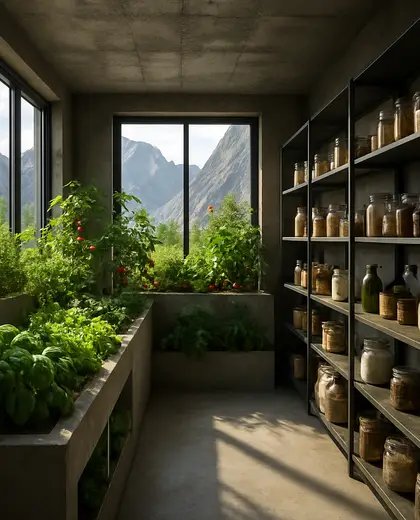
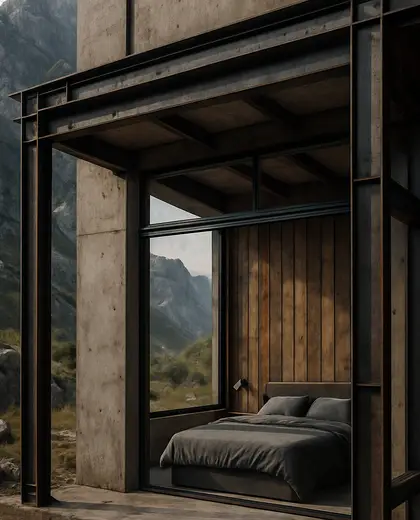
This composition pairs raw industrial structure with the calm, grounded character of mountain architecture. Expect exposed steel, concrete, dark timber, stone, and large openings that frame the landscape, often balanced by a simple massing and robust rooflines. The look feels practical, weathered, and solid rather than polished.
- industrial
- mountain
— References
References to explore
How does industrial mountain design differ from a standard rustic cabin?
It keeps the warm natural materials of a cabin but adds more structural honesty, darker finishes, and a stronger use of metal, glass, and concrete.
Can this style still feel warm indoors?
Yes. Pair the harder industrial elements with timber ceilings, textured fabrics, and stone surfaces to soften the interior without losing the character.
Does this composition suit a sloped site?
Very well. The style often benefits from dramatic terrain, using stepped volumes, terraces, and long views to connect the building to the mountain setting.
— The style
What defines it
Exposed steel, board-formed concrete, reclaimed wood, stone, and blackened metal are common choices.
Charcoal, deep brown, graphite, weathered gray, and muted earth tones usually define the color scheme.
Works well with alpine lodges, rugged retreat houses, cabin typologies, and landscape-driven architecture.
— Professionals
Who has already built it
- vorbild architecturearchitects · 6 projectsView profile →
- kerem erbagci3d renderers · London · 9 projectsView profile →
- paquis norris group limitedbuilders · Reading · 3 projectsView profile →
- LoftRobejoiners · Guildford · 4 projectsView profile →
— Questions
Frequently asked questions
How does industrial mountain design differ from a standard rustic cabin?
It keeps the warm natural materials of a cabin but adds more structural honesty, darker finishes, and a stronger use of metal, glass, and concrete.
Can this style still feel warm indoors?
Yes. Pair the harder industrial elements with timber ceilings, textured fabrics, and stone surfaces to soften the interior without losing the character.
Does this composition suit a sloped site?
Very well. The style often benefits from dramatic terrain, using stepped volumes, terraces, and long views to connect the building to the mountain setting.