— Ideas & inspiration
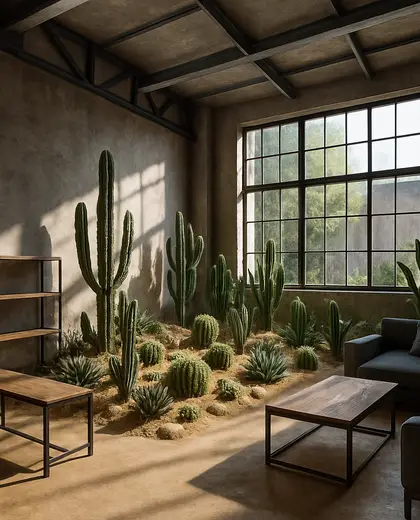
Industrial lines in a desert frame
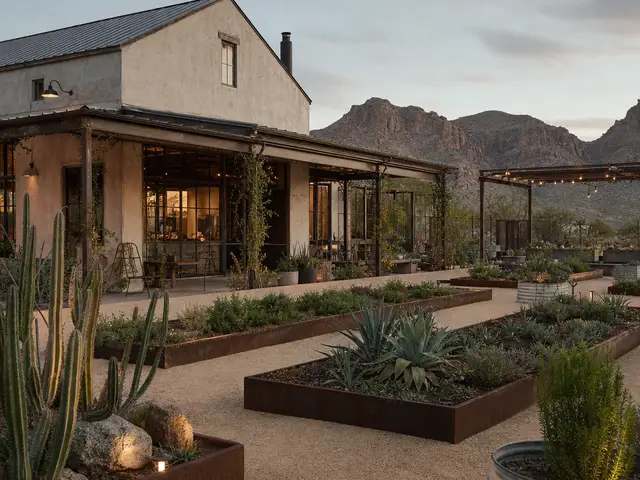
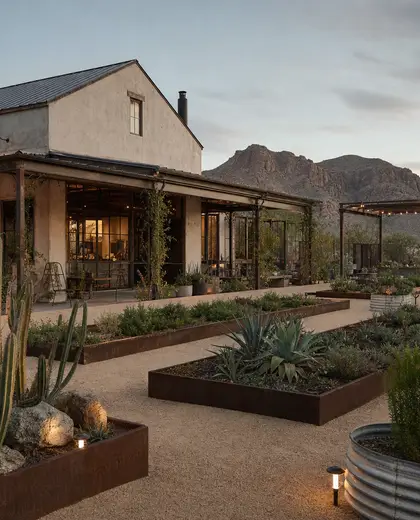
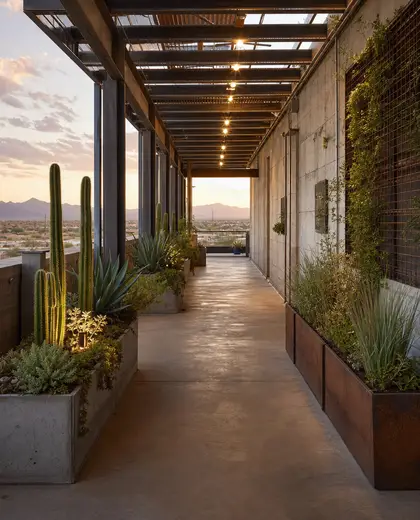
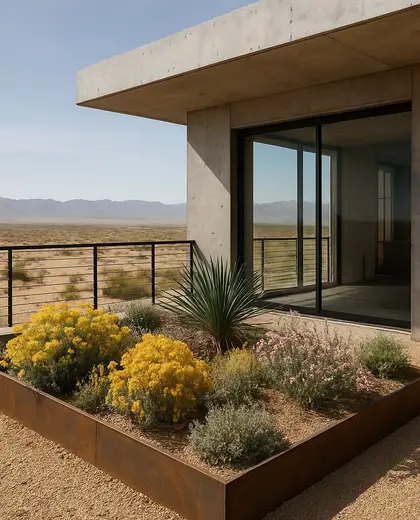
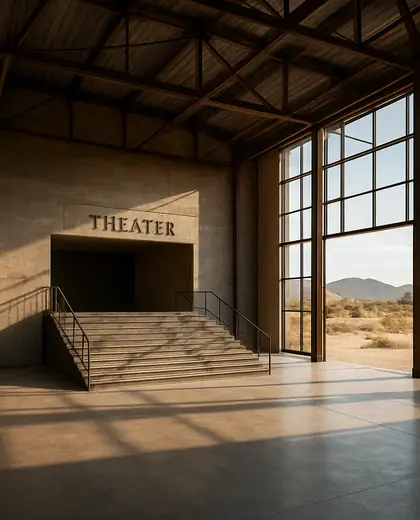
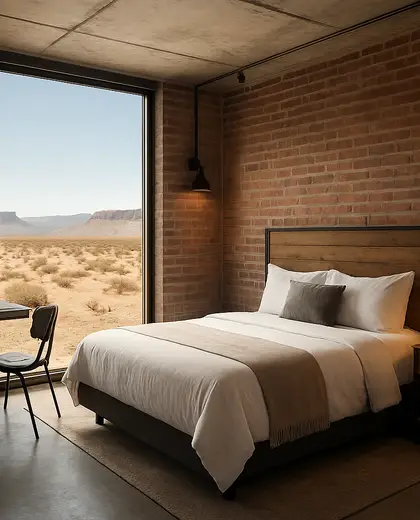
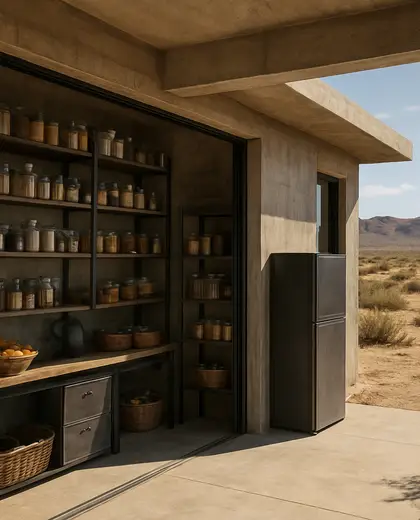
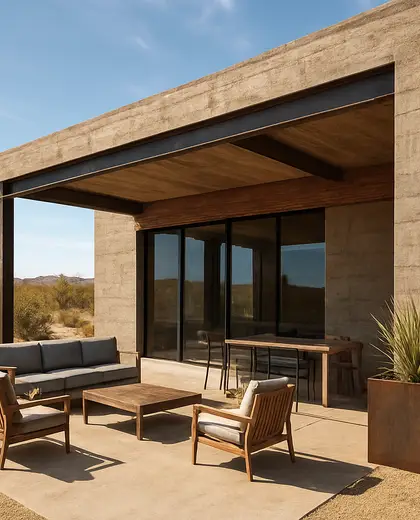
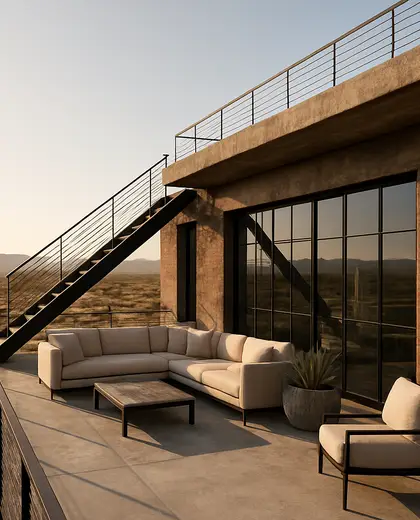
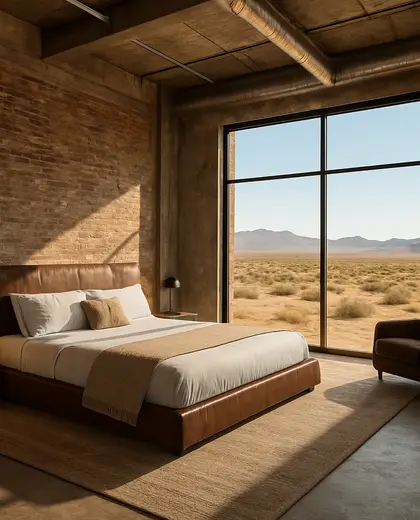
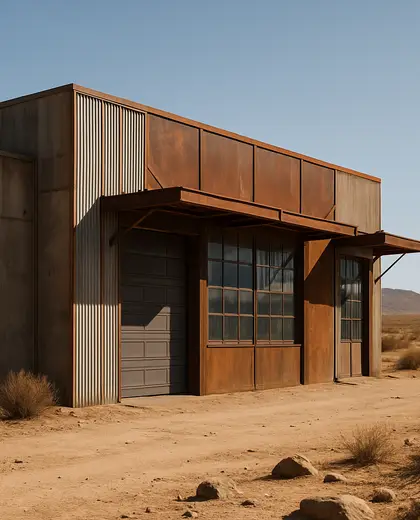
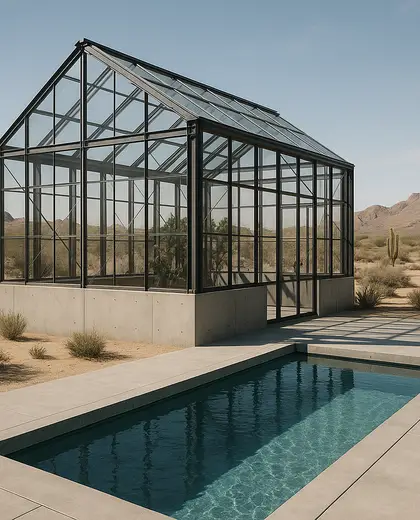
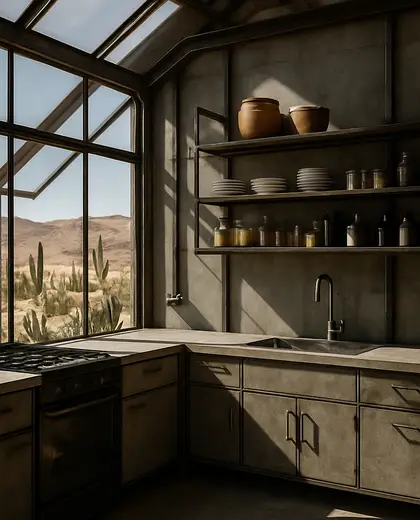
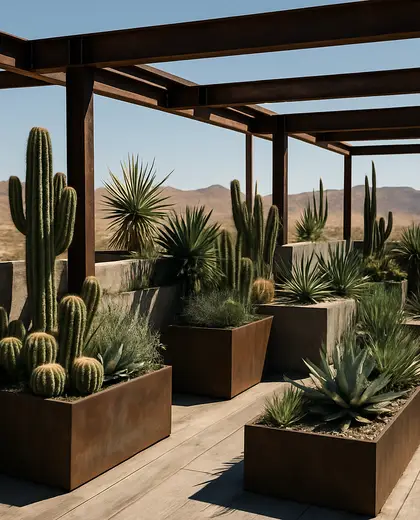
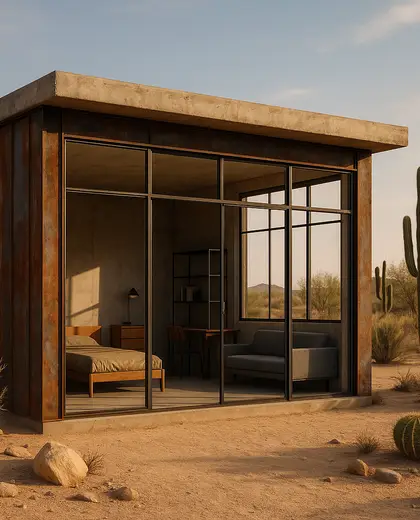
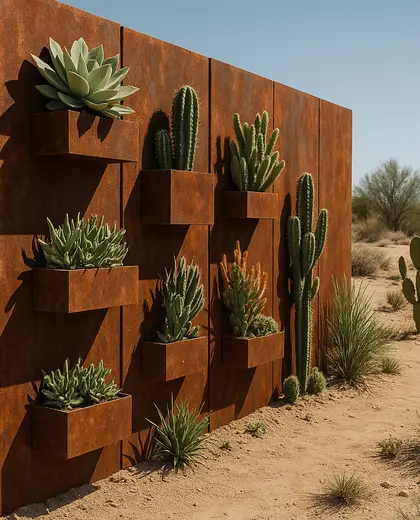
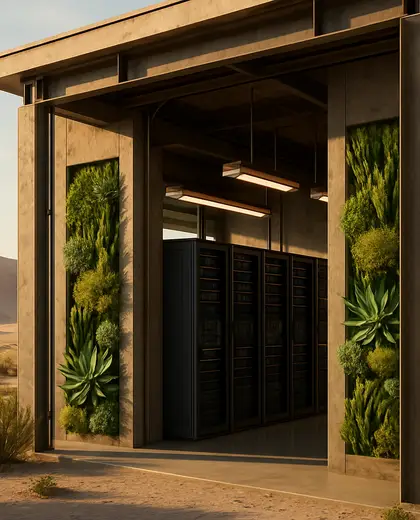
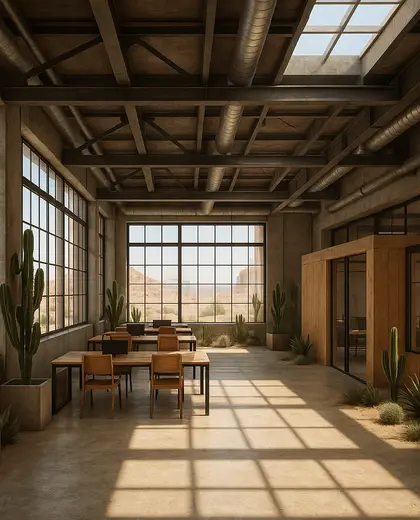
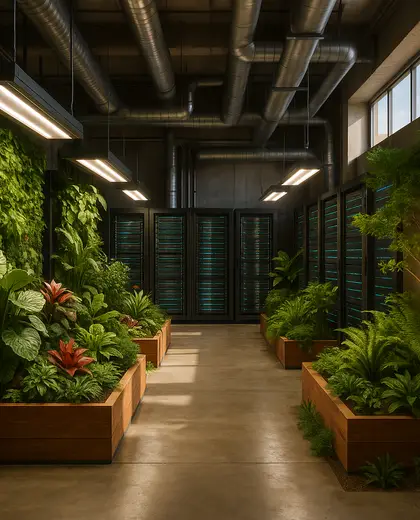
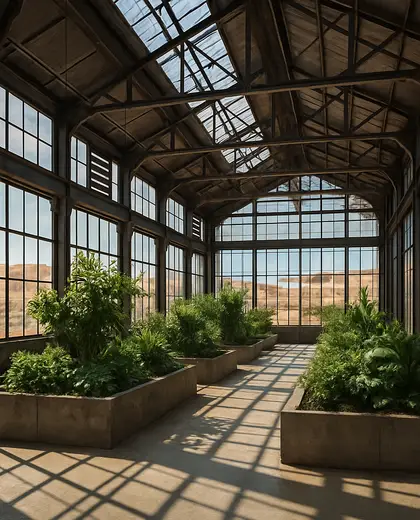
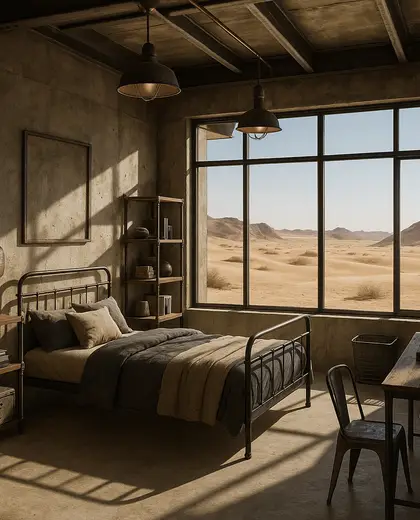
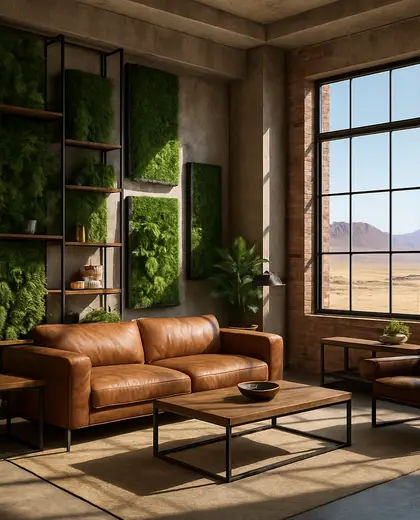
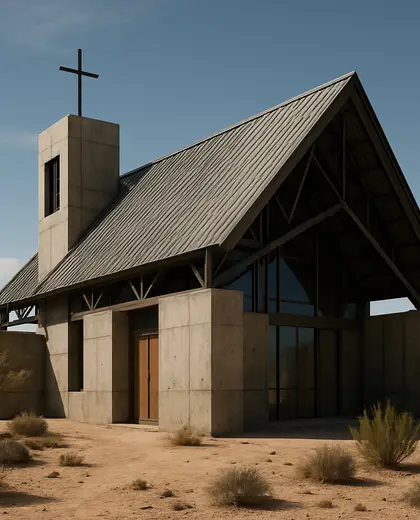
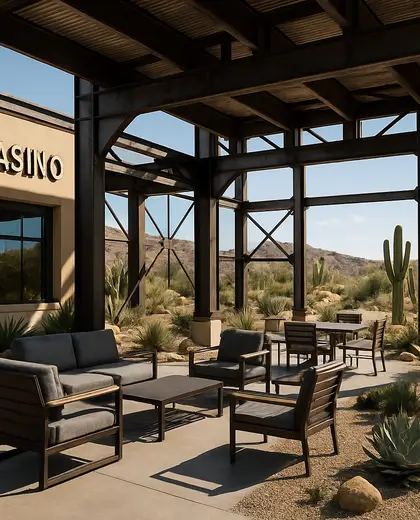
This composition pairs raw industrial elements with desert tones and textures. Expect weathered metal, exposed concrete, rough stone, and sun-baked surfaces in a palette of sand, clay, rust, charcoal, and muted beige. The look is defined by clean structural forms softened by earthy finishes and open, light-filled volumes.
- industrial
- desert
— References
References to explore
Will this style feel too cold for a home?
It can if everything is left raw. Adding warm wood, textured plaster, woven textiles, and indirect lighting usually softens the industrial edge.
Does this composition need a lot of natural light?
It benefits from strong natural light because the desert palette and hard materials read best in bright conditions. That said, layered lighting can keep it comfortable in shaded or compact spaces.
What details make it feel more desert than urban industrial?
Use earthy finishes, matte surfaces, deep overhangs, courtyard-like outdoor areas, and restrained décor. Avoid overly glossy metals and high-contrast black-and-white schemes if you want a stronger desert feel.
— The style
What defines it
Weathered steel, concrete, stone, wood, and textured plaster are the core materials.
Sand, clay, rust, charcoal, taupe, and warm beige create the desert-industrial balance.
It works well with exposed structure, simple geometry, shaded outdoor spaces, and sparse furnishings.
— Professionals
Who has already built it
- LoftRobejoiners · Guildford · 4 projectsView profile →
- Beneito Faurelighting designers · 2 projectsView profile →
- Lusso Stonetile suppliers · Stocktonontees · 7 projectsView profile →
- elizabeth bee interior deinterior designers · 4 projectsView profile →
— Questions
Frequently asked questions
Will this style feel too cold for a home?
It can if everything is left raw. Adding warm wood, textured plaster, woven textiles, and indirect lighting usually softens the industrial edge.
Does this composition need a lot of natural light?
It benefits from strong natural light because the desert palette and hard materials read best in bright conditions. That said, layered lighting can keep it comfortable in shaded or compact spaces.
What details make it feel more desert than urban industrial?
Use earthy finishes, matte surfaces, deep overhangs, courtyard-like outdoor areas, and restrained décor. Avoid overly glossy metals and high-contrast black-and-white schemes if you want a stronger desert feel.