— Ideas & inspiration
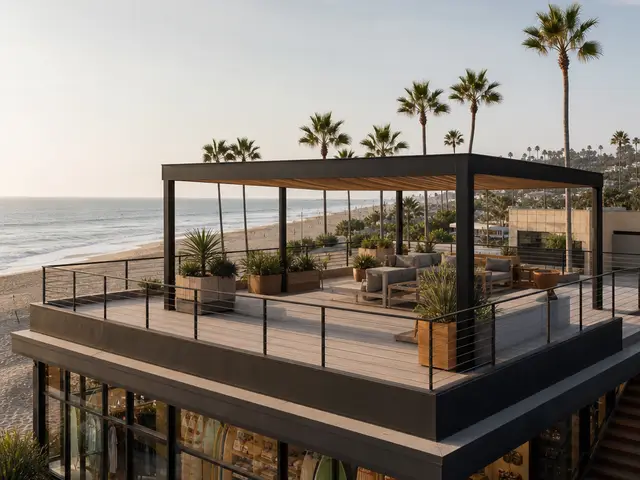
Rooflines meeting the beach
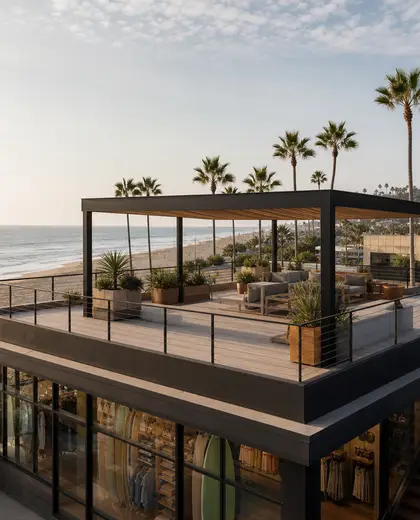
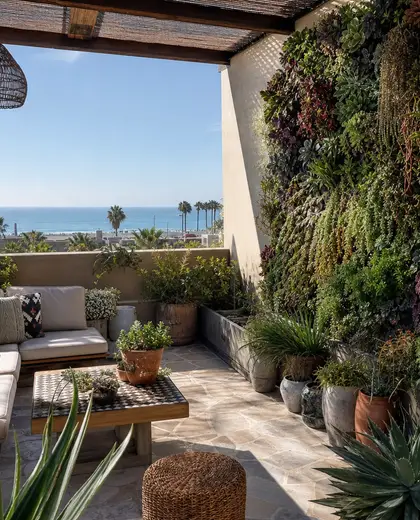
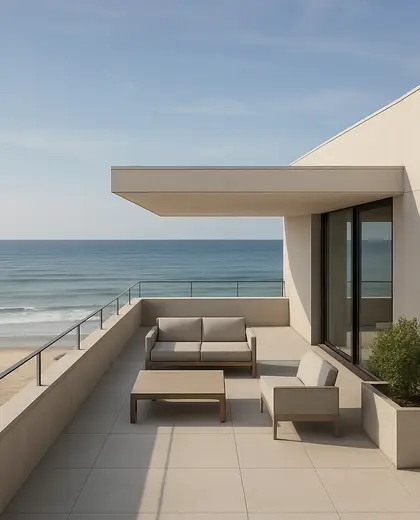
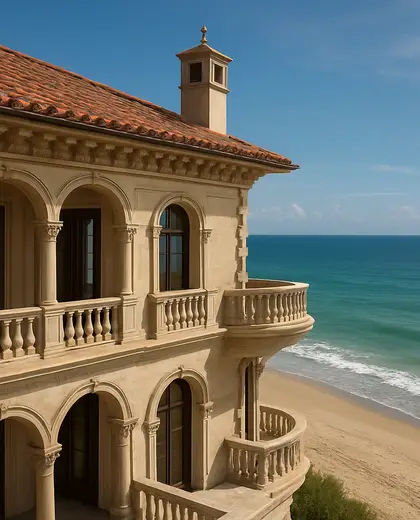
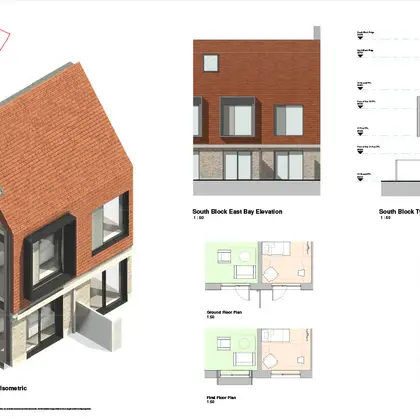
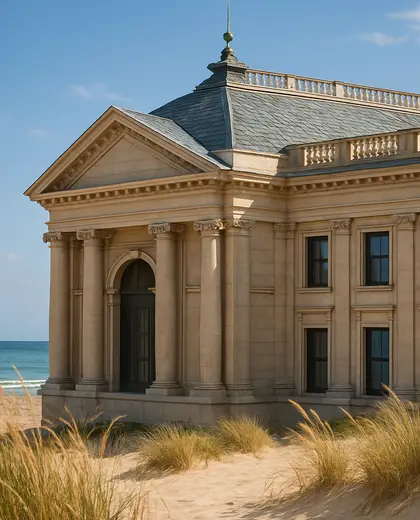
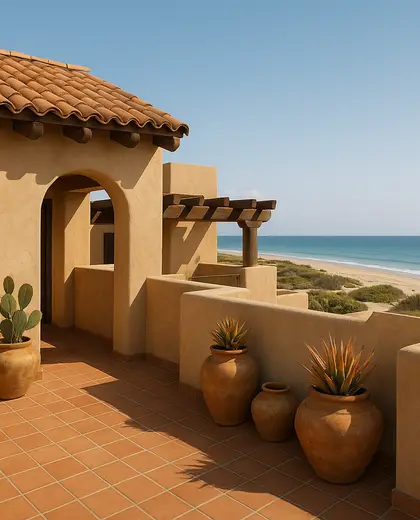
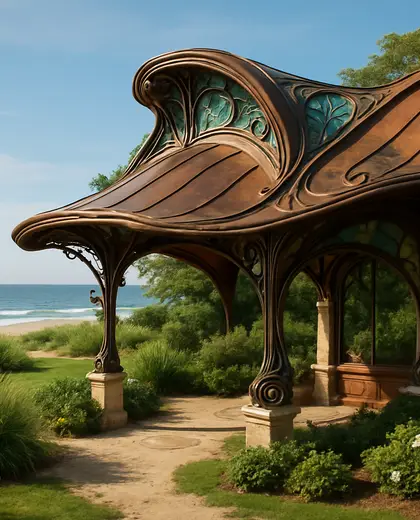
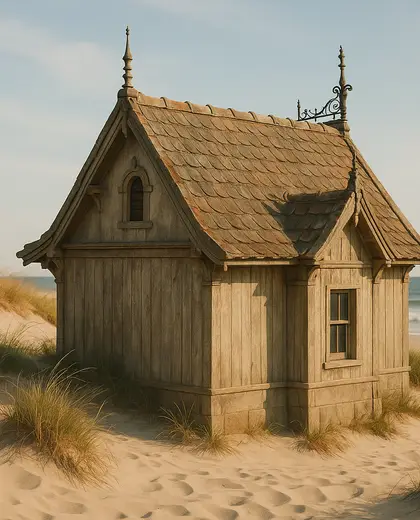
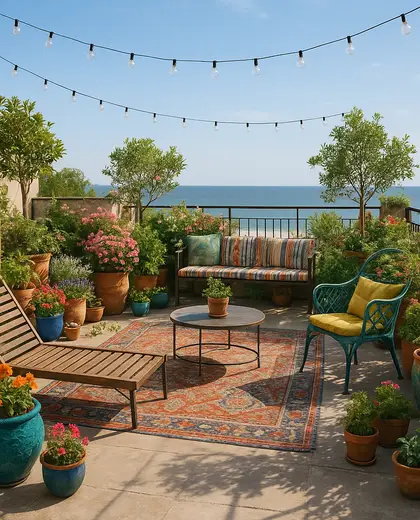
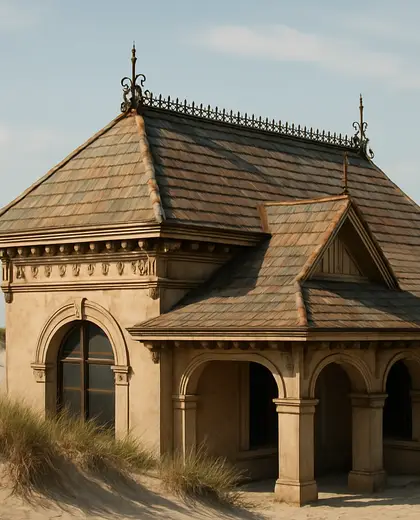
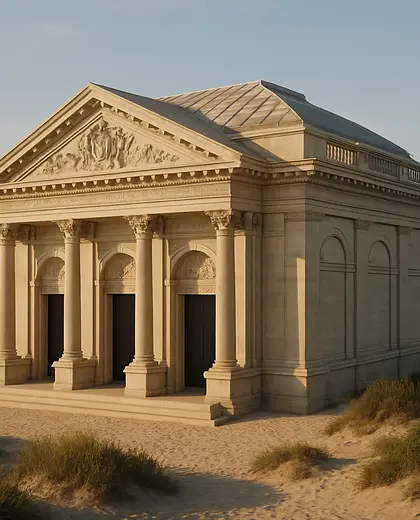
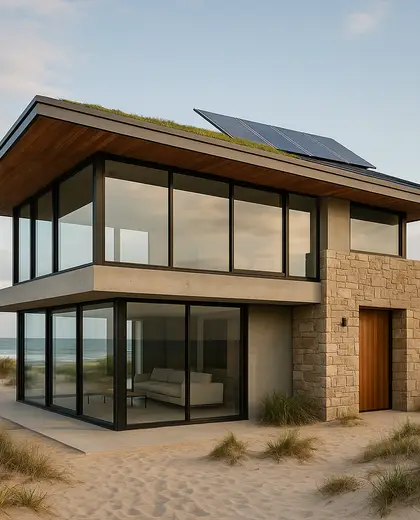
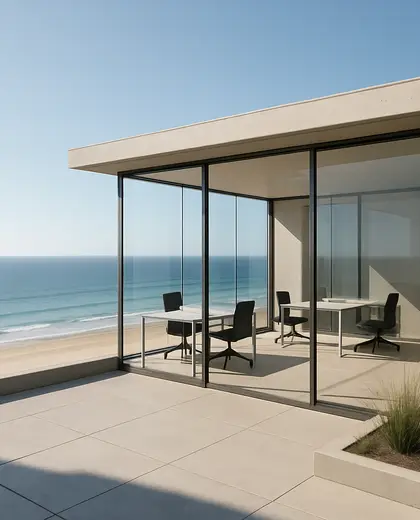
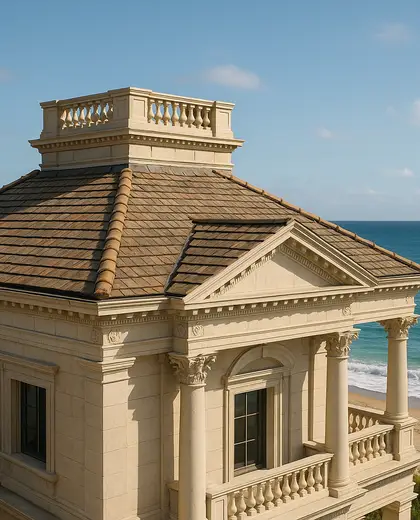
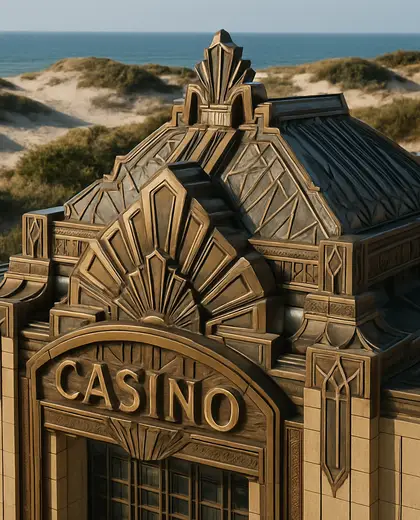
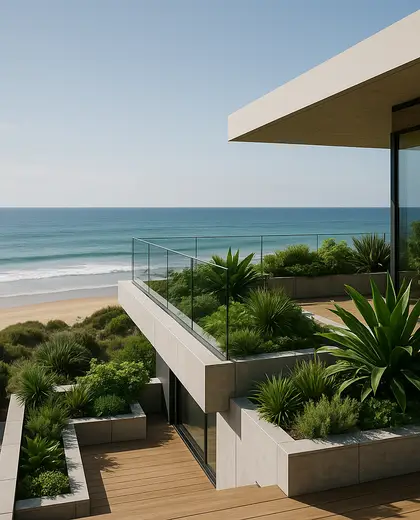
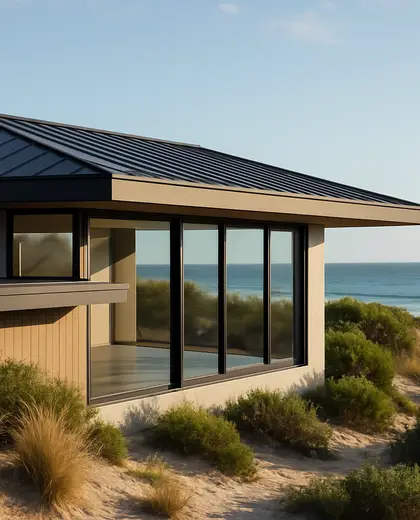
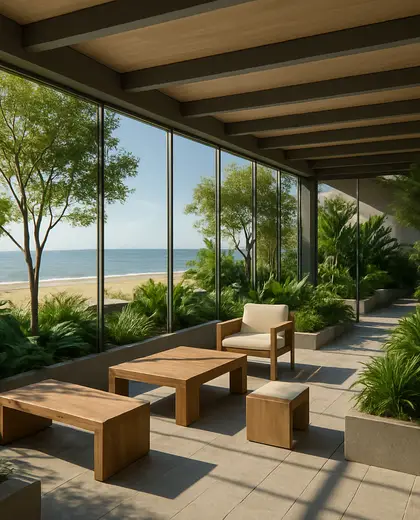
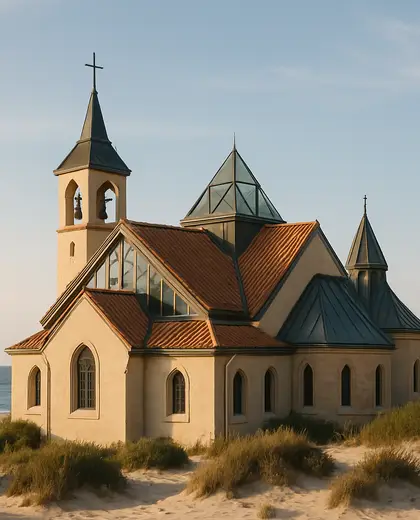
This composition pairs a roof-focused form with beachside conditions: broad overhangs, weather-resistant cladding, and open edges that frame the horizon. The look usually relies on pale timber, stone, white render, and matte metal, with shaded terraces and strong ventilation to suit salt air and sun. It is defined by a clear roof profile, light-filled interiors, and a relaxed coastal connection to outdoor living.
- roof
- beach
— References
References to explore
What makes a roof-beach composition different from a regular coastal house?
The roof becomes a major design feature, not just a cover. It usually has a strong silhouette, wider overhangs, and details that help manage sun, wind, and rain near the coast.
Which materials work best near the beach?
Durable, low-maintenance materials are best, especially treated timber, corrosion-resistant metal, masonry, fiber cement, and stone. Finishes should be chosen for salt exposure and easy upkeep.
Can this style feel modern and still suit a beach setting?
Yes. A simple roof form with clean lines, restrained colors, and shaded outdoor areas can feel very contemporary while still responding to the coastal climate and views.
— The style
What defines it
Weathered timber, painted masonry, natural stone, and standing-seam metal are common because they handle wind, moisture, and salt exposure well.
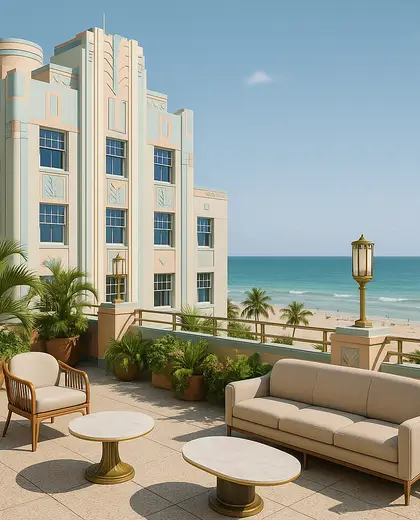
Soft whites, sand, driftwood beige, pale gray, and muted blue-green tones keep the building bright and coastal.
Deep eaves, screened verandas, decks, louvered openings, and large glazed walls to connect shelter with the seaside setting.
— Professionals
Who has already built it
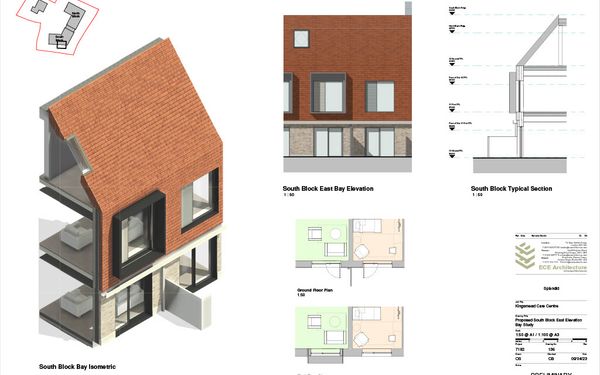

- paquis norris group limitedbuilders · Reading · 3 projectsView profile →
- LoftRobejoiners · Guildford · 4 projectsView profile →
- Beneito Faurelighting designers · 2 projectsView profile →
- Lusso Stonetile suppliers · Stocktonontees · 7 projectsView profile →
— Explore
Keep exploring
— Questions
Frequently asked questions
What makes a roof-beach composition different from a regular coastal house?
The roof becomes a major design feature, not just a cover. It usually has a strong silhouette, wider overhangs, and details that help manage sun, wind, and rain near the coast.
Which materials work best near the beach?
Durable, low-maintenance materials are best, especially treated timber, corrosion-resistant metal, masonry, fiber cement, and stone. Finishes should be chosen for salt exposure and easy upkeep.
Can this style feel modern and still suit a beach setting?
Yes. A simple roof form with clean lines, restrained colors, and shaded outdoor areas can feel very contemporary while still responding to the coastal climate and views.