— Ideas & inspiration
Roof composition
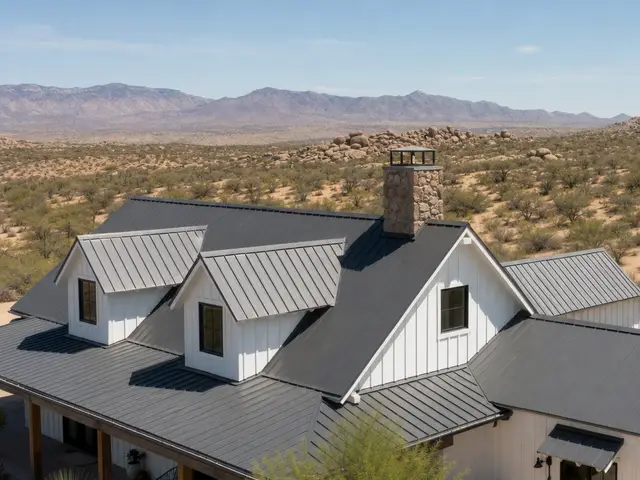
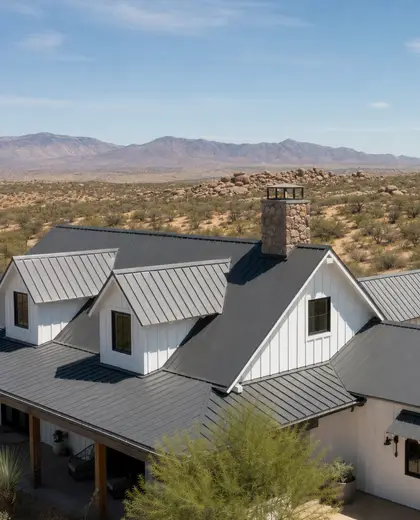
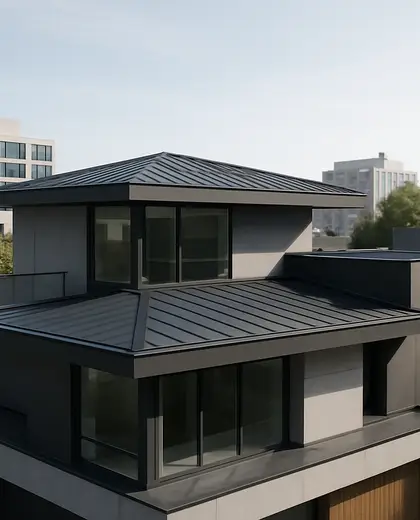
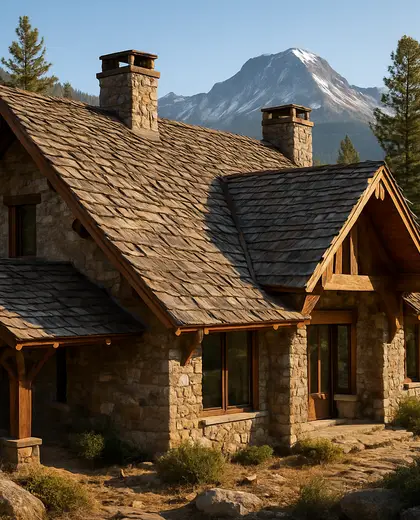
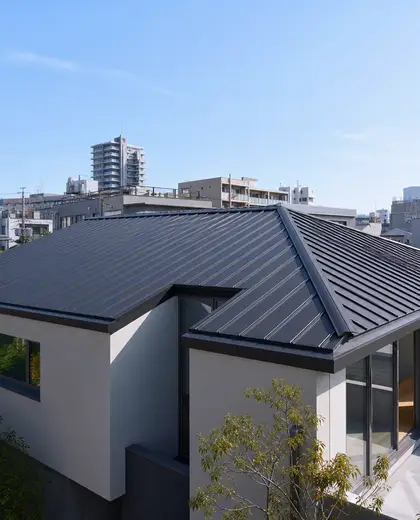
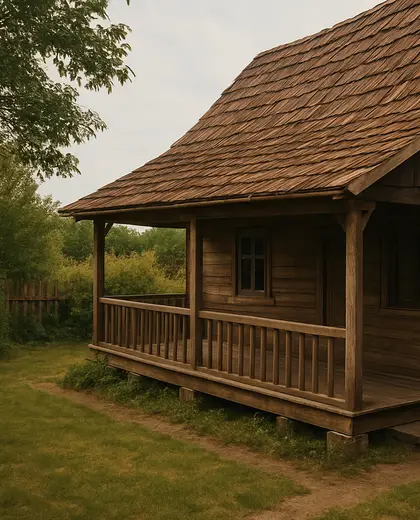
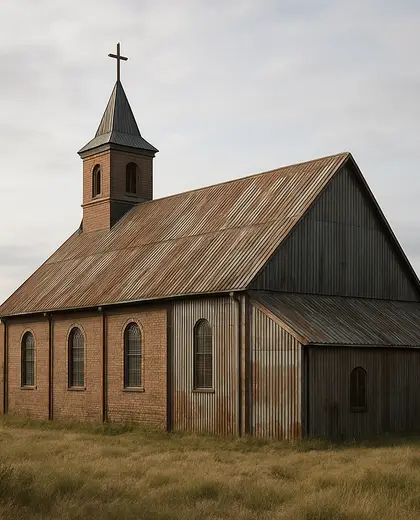
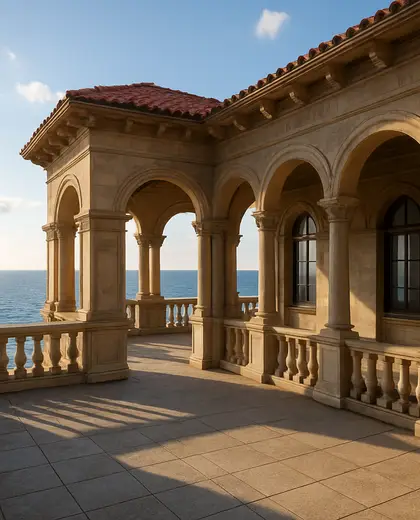
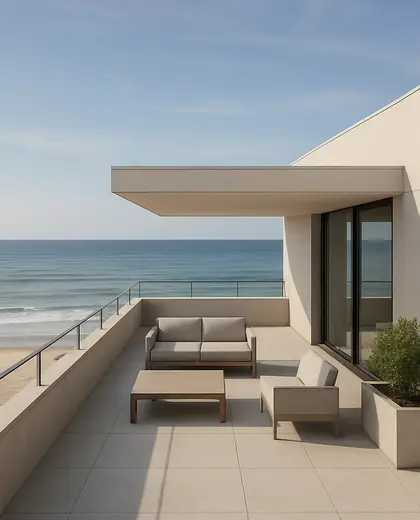
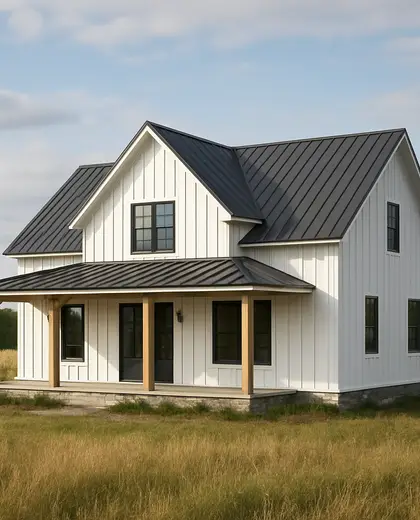
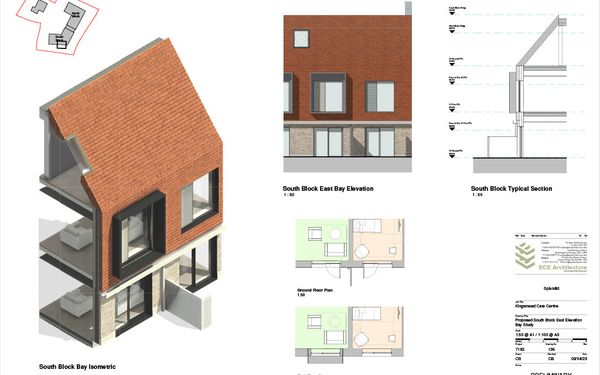
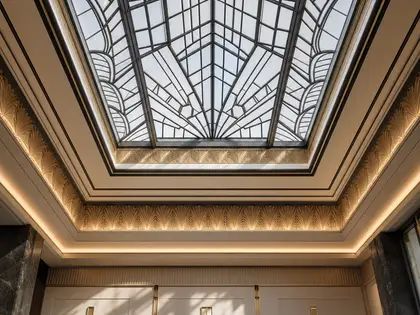
Roof composition is defined by the roof plane, its covering, and the way edges, slopes, and drainage are resolved. Common materials include clay tile, slate, metal sheets, shingles, and concrete or timber structure beneath. The look is shaped by the pitch, the ridge line, the overhangs, gutters, and the color and texture of the covering.
- roof
— References
References to explore

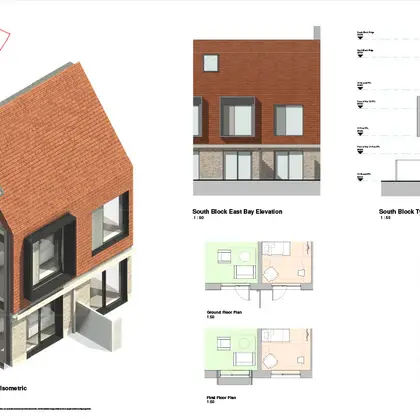




What makes a roof composition visually distinct?
The pitch, silhouette, material pattern, and edge detailing usually define it more than the structure itself.
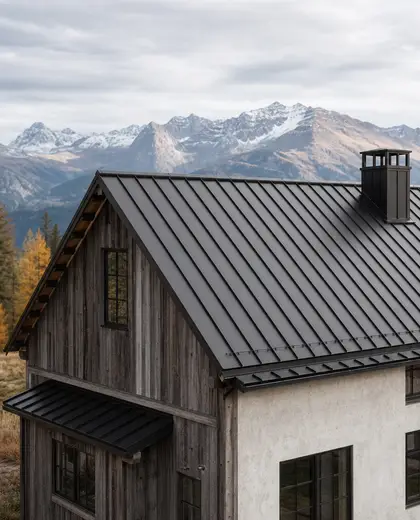
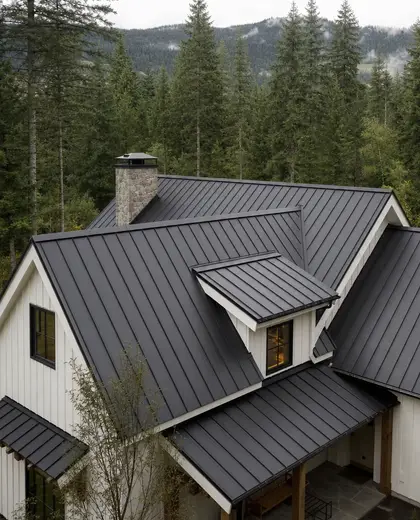
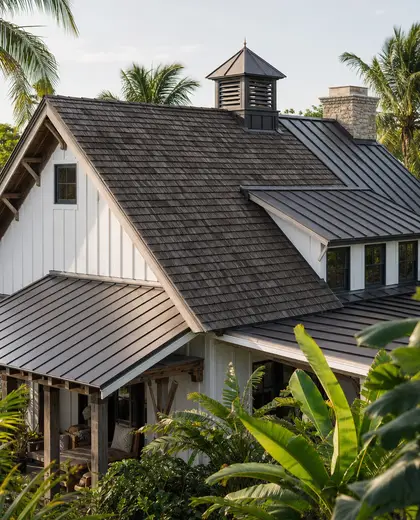
Which roof materials are easiest to recognize from the street?
Tile, slate, and standing-seam metal are among the most legible because their joints, profiles, and textures are visible at a distance.




Can roof composition be changed without rebuilding the house?
Sometimes yes, but it depends on the existing structure, slope, insulation, and local code. A new covering or updated detailing is often possible before a full structural change.


— The style
What defines it
Clay tile, slate, standing-seam metal, asphalt shingles, timber framing, and concrete roof decks are common choices.
Usually reads as muted reds, charcoals, blacks, browns, grays, and weathered natural tones, depending on the covering.
Works with masonry, stucco, timber, glass, and metal façades, and is often tied to eaves, dormers, skylights, and rainwater details.
— Professionals
Who has already built it

- LoftRobejoiners · Guildford · 4 projectsView profile →
- Beneito Faurelighting designers · 2 projectsView profile →
- Lusso Stonetile suppliers · Stocktonontees · 7 projectsView profile →
- paquis norris group limitedbuilders · Reading · 3 projectsView profile →
— Explore
Keep exploring
— Questions
Frequently asked questions
What makes a roof composition visually distinct?
The pitch, silhouette, material pattern, and edge detailing usually define it more than the structure itself.
Which roof materials are easiest to recognize from the street?
Tile, slate, and standing-seam metal are among the most legible because their joints, profiles, and textures are visible at a distance.
Can roof composition be changed without rebuilding the house?
Sometimes yes, but it depends on the existing structure, slope, insulation, and local code. A new covering or updated detailing is often possible before a full structural change.