— Ideas & inspiration
Rustic warmth for a lived-in home
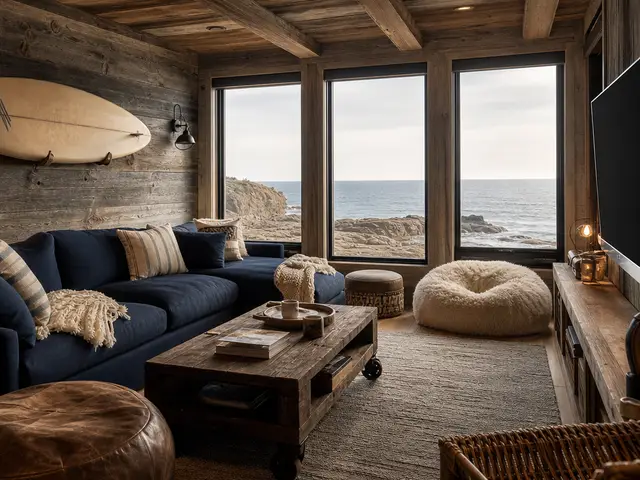
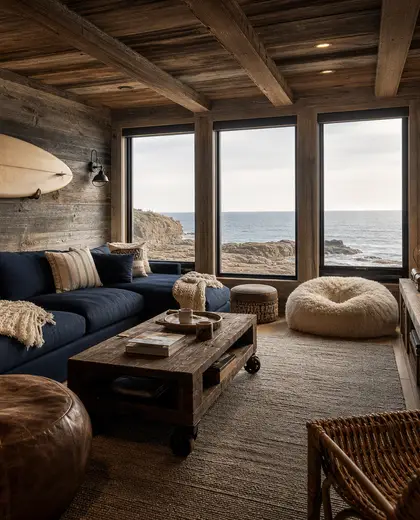
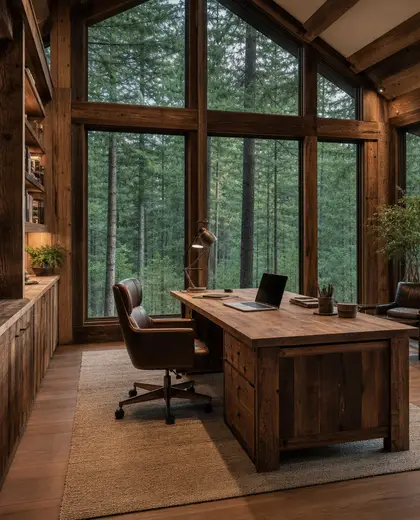
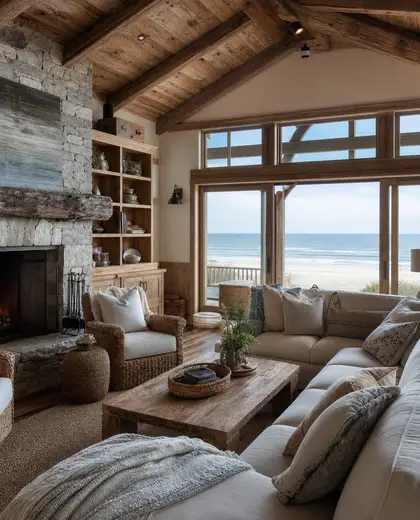
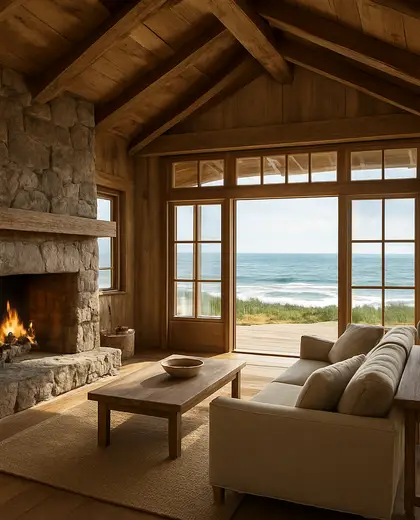
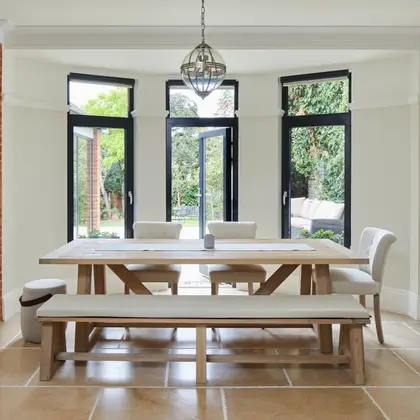
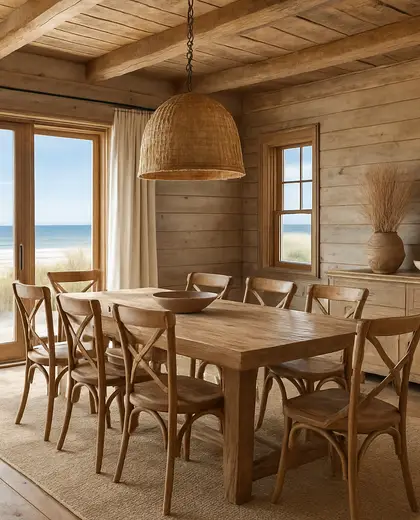
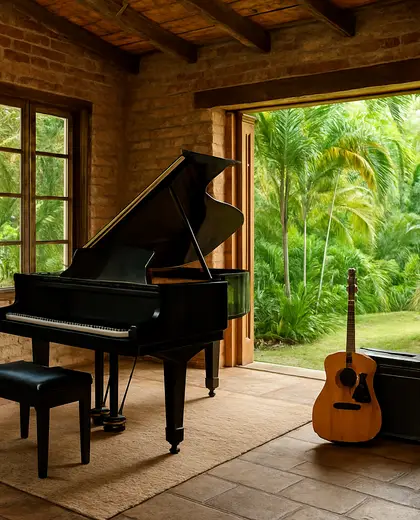
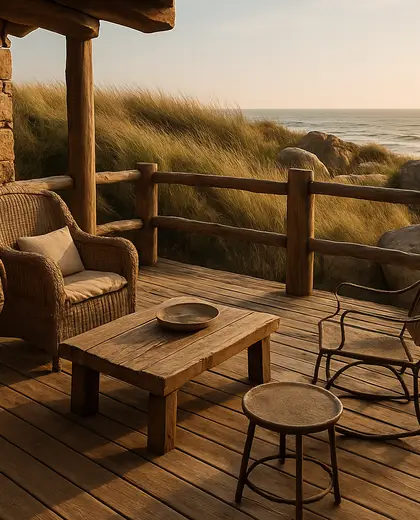
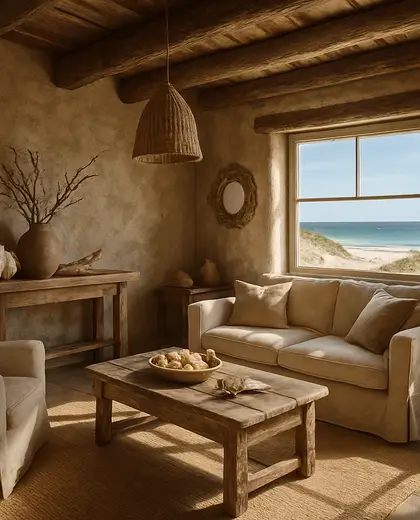
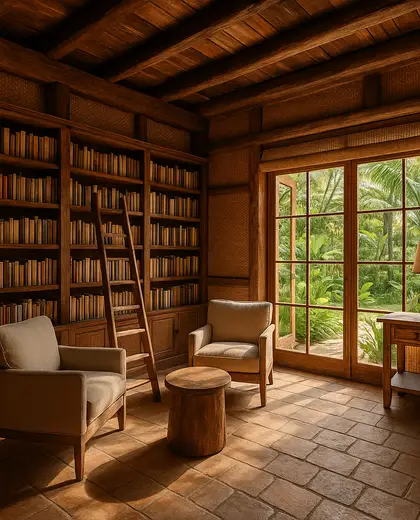
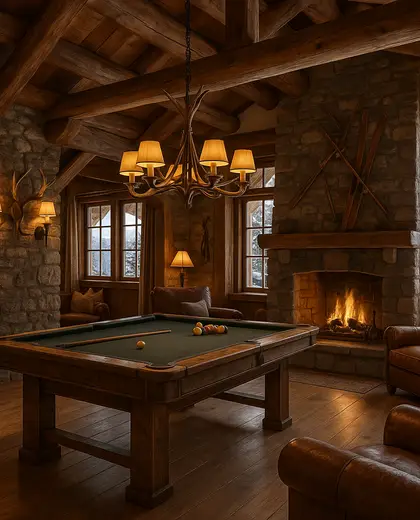
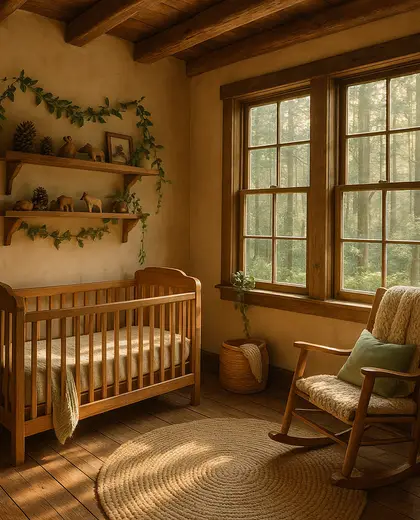
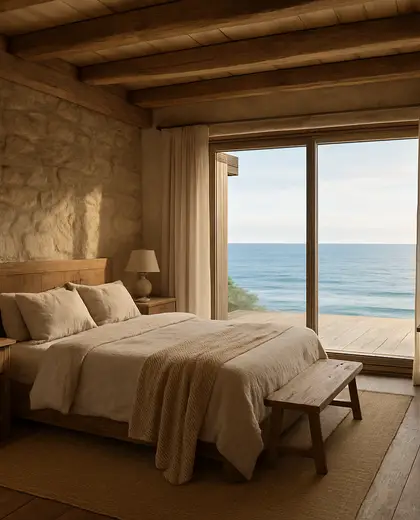
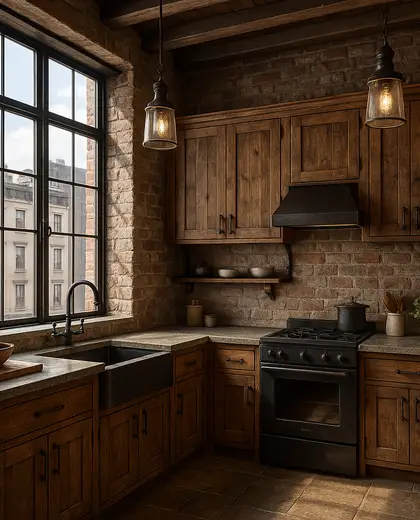
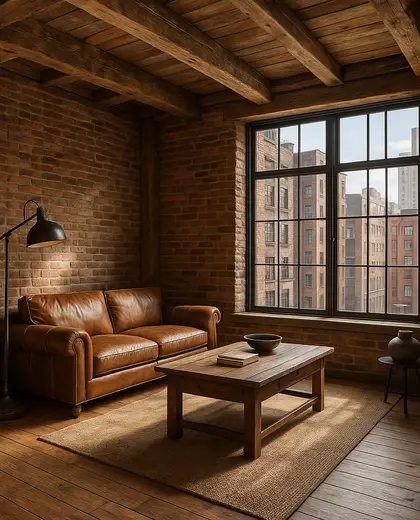
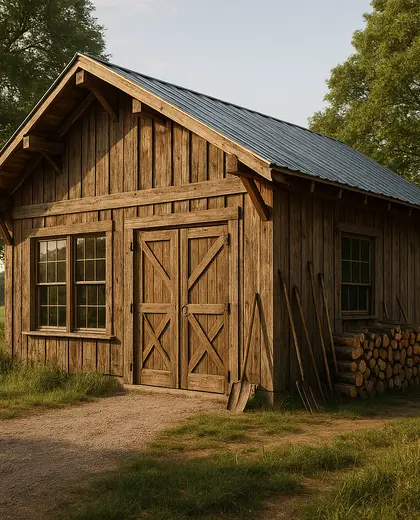
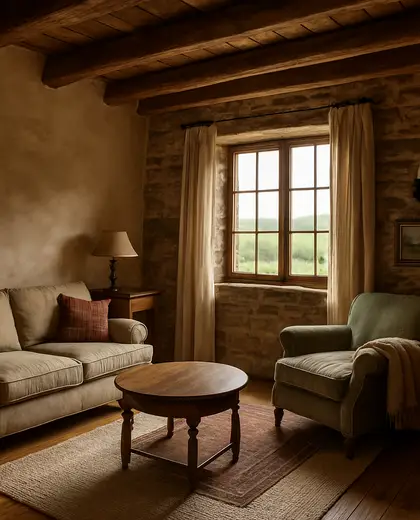
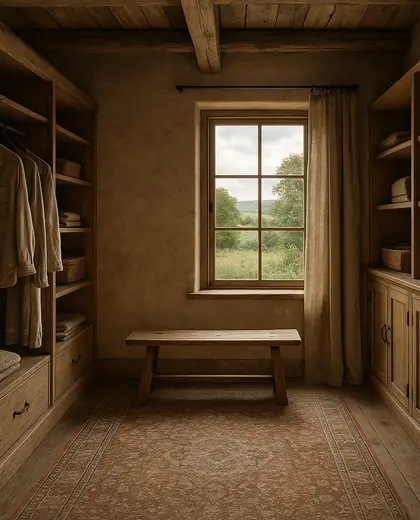
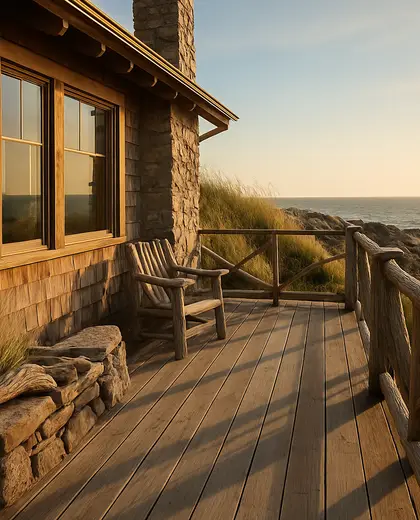
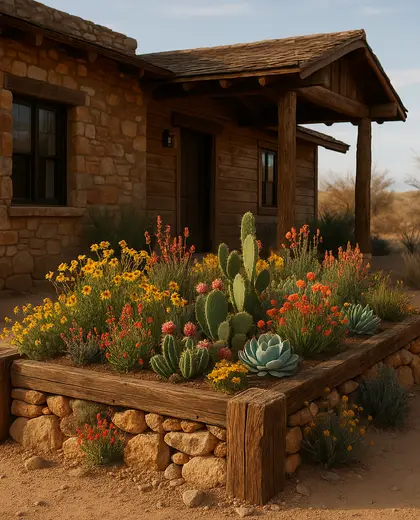
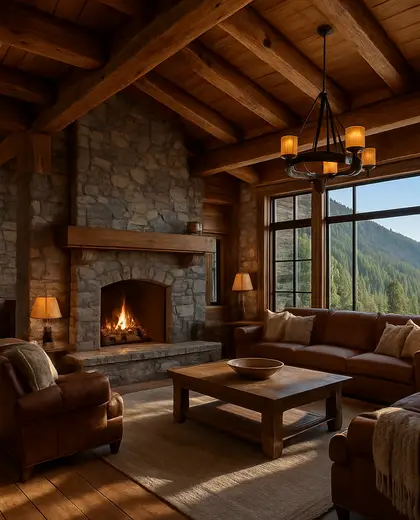
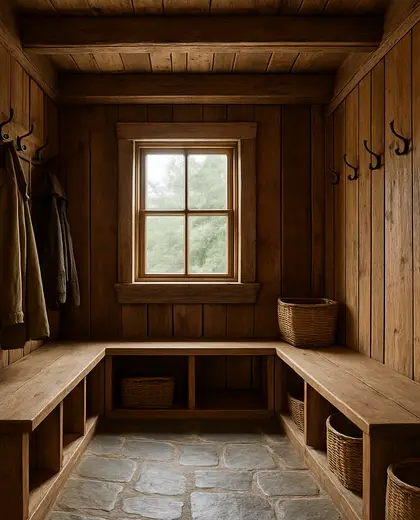
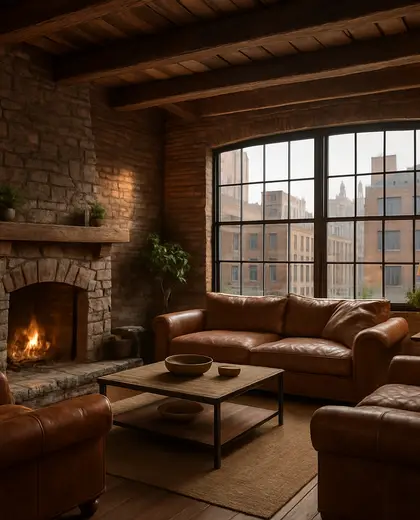
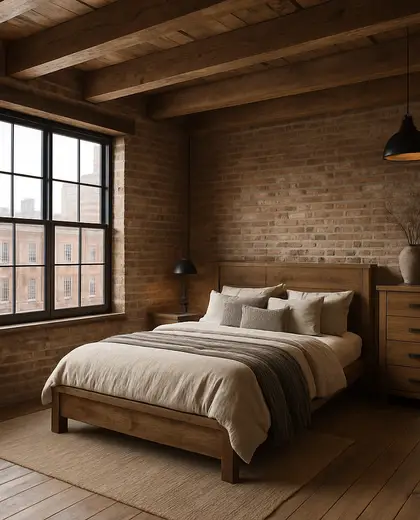
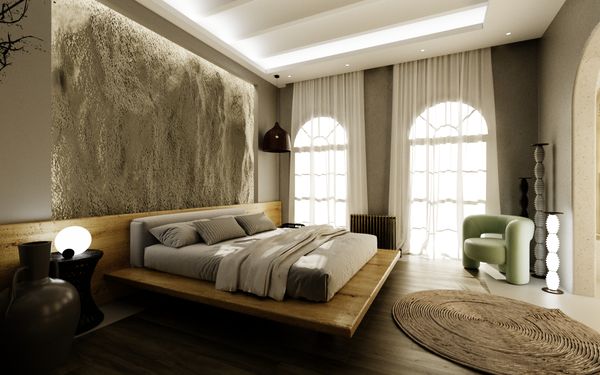
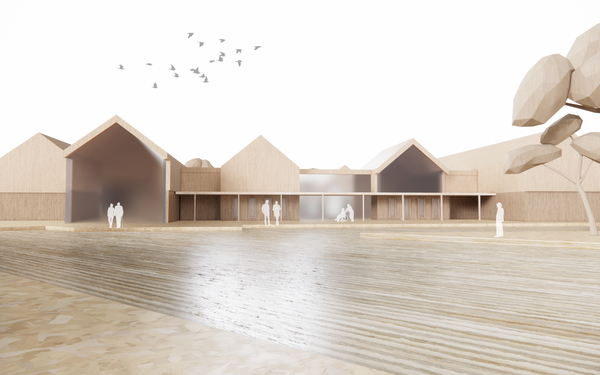
This composition is defined by natural, tactile materials such as wood, stone, clay, linen, and wrought metal, often left with visible grain, texture, and imperfect finishes. The palette stays earthy and muted, with browns, warm whites, taupe, sand, olive, and charcoal. Its key elements are exposed beams, sturdy furniture, handmade details, and a calm, timeworn look that feels grounded and comfortable.
- home
- rustic
— References
References to explore
How do I make a home feel rustic without making it look old-fashioned?
Keep the structure and layout simple, then use rustic materials in a controlled way: one reclaimed wood piece, textured textiles, and a few natural finishes. Pair them with cleaner lines and lighter walls to avoid a heavy, dated look.
What finishes suit a rustic home interior?
Matte, brushed, raw, or lightly distressed finishes usually fit best because they preserve texture and character. High-gloss surfaces are less typical unless used sparingly for contrast.
Can rustic design work in a modern home?
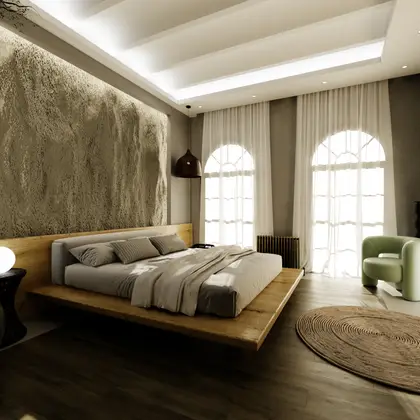
Yes, it often works best as a contrast to modern forms. Use rustic wood, stone, and soft textiles alongside simple furniture and uncluttered spaces so the room feels warm rather than themed.
— The style
What defines it
Weathered wood, stone, plaster, linen, leather, and aged metal are the most common choices.
Earth tones dominate: honey wood, beige, cream, terracotta, moss green, and deep brown.
Works well with farmhouse, country, cottage, wabi-sabi, and modern organic interiors.
— Professionals
Who has already built it
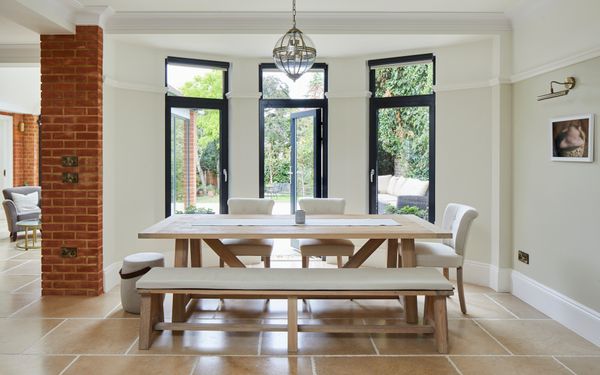



- paquis norris group limitedbuilders · Reading · 3 projectsView profile →
- LoftRobejoiners · Guildford · 4 projectsView profile →
- Beneito Faurelighting designers · 2 projectsView profile →
- Lusso Stonetile suppliers · Stocktonontees · 7 projectsView profile →
— Questions
Frequently asked questions
How do I make a home feel rustic without making it look old-fashioned?
Keep the structure and layout simple, then use rustic materials in a controlled way: one reclaimed wood piece, textured textiles, and a few natural finishes. Pair them with cleaner lines and lighter walls to avoid a heavy, dated look.
What finishes suit a rustic home interior?
Matte, brushed, raw, or lightly distressed finishes usually fit best because they preserve texture and character. High-gloss surfaces are less typical unless used sparingly for contrast.
Can rustic design work in a modern home?
Yes, it often works best as a contrast to modern forms. Use rustic wood, stone, and soft textiles alongside simple furniture and uncluttered spaces so the room feels warm rather than themed.