— Ideas & inspiration
Urban Raised Garden Beds for Compact Outdoor Living
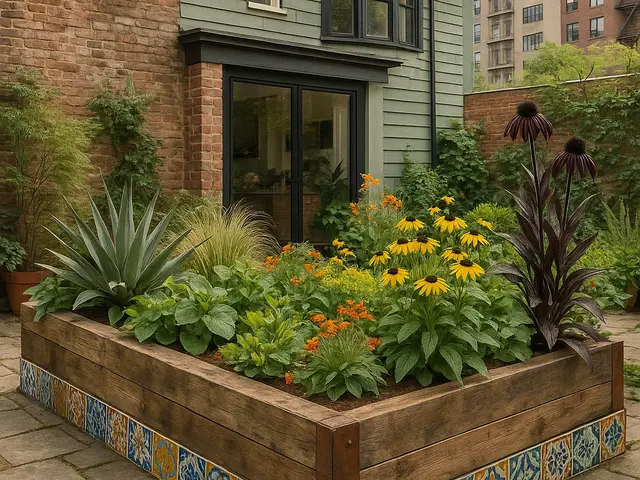
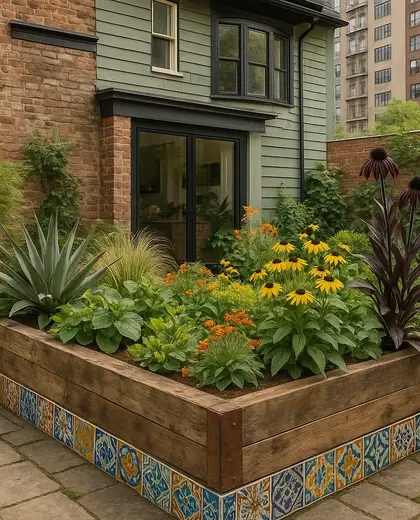
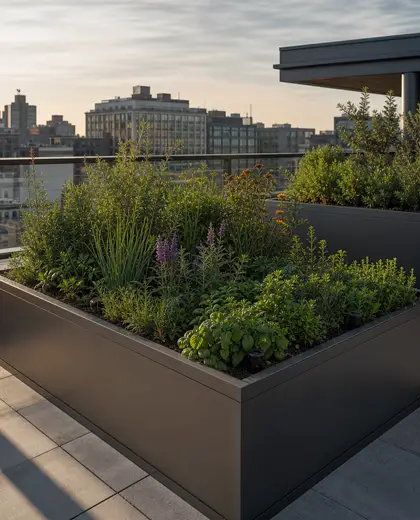
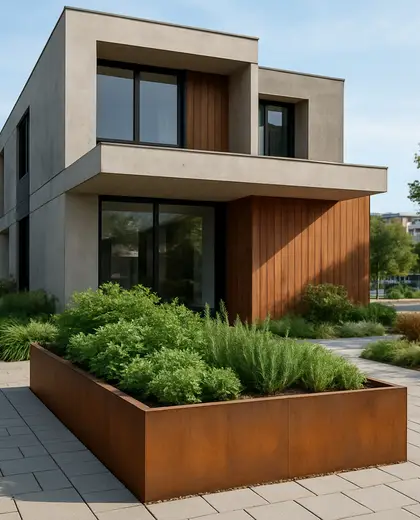
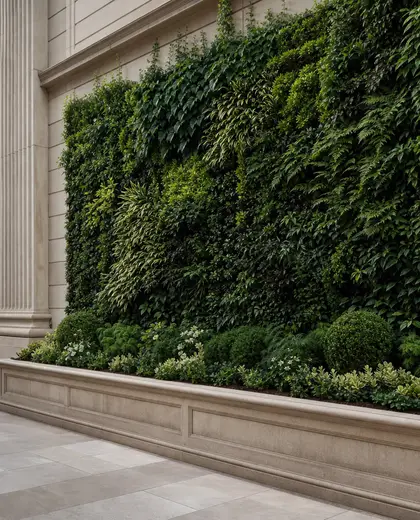
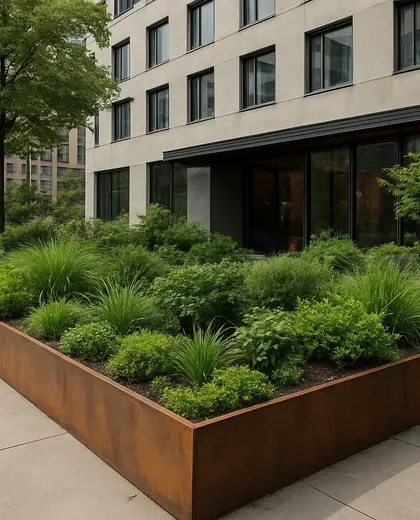
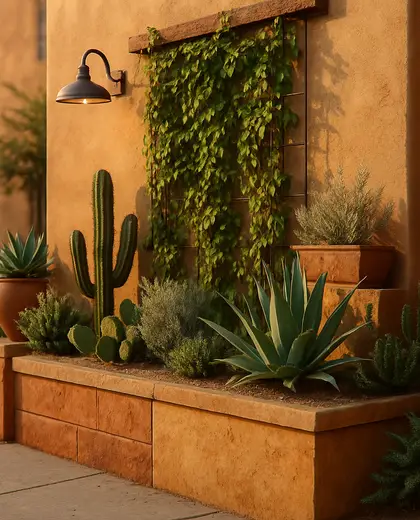
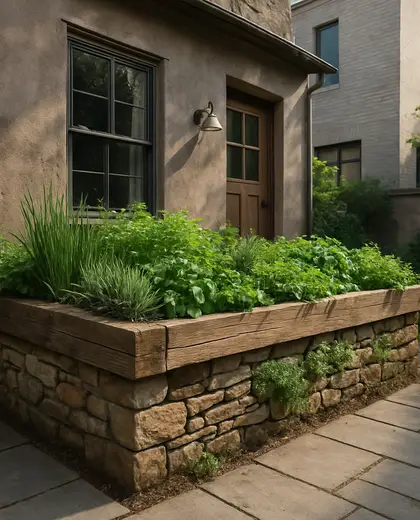
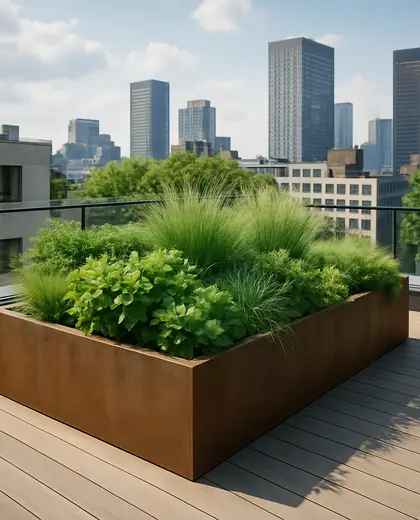
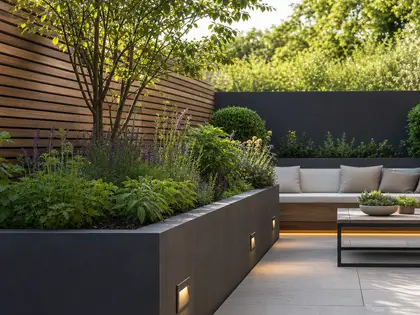
This composition pairs a raised garden bed with an urban setting, usually in a courtyard, rooftop, balcony, or narrow backyard. It is defined by contained planting zones in timber, steel, stone, or concrete, with a restrained palette of greens, grays, weathered wood, and black metal. The look balances edible or ornamental planting with hard-edged city materials like paving, brick, and architectural screening.
- raised garden bed
- urban
— References
References to explore
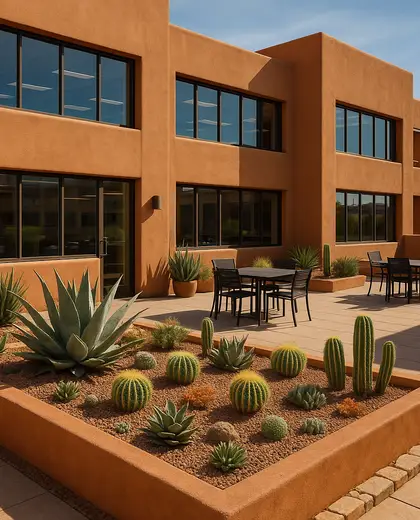
Can a raised garden bed work in a small urban space?
Yes. The format is often used to organize planting in limited areas such as rooftops, balconies, and narrow courtyards, where a ground-level garden is not practical.
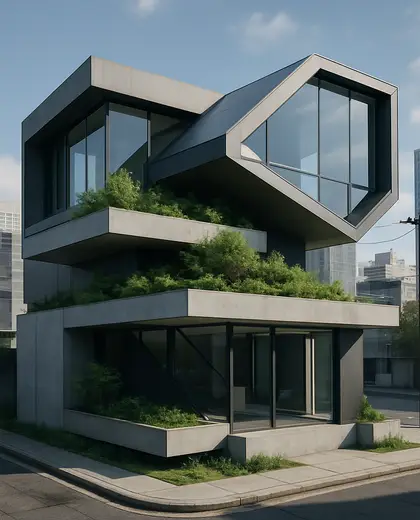
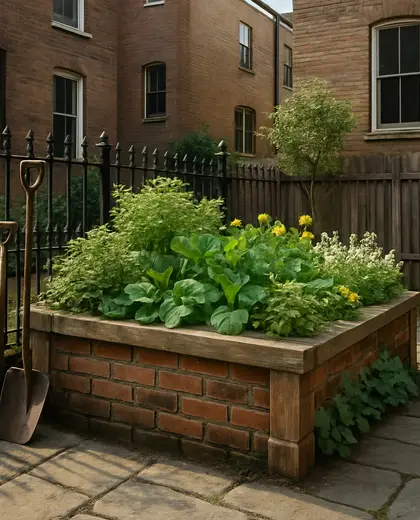
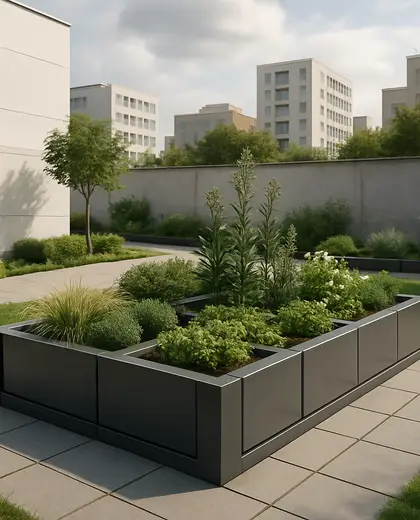
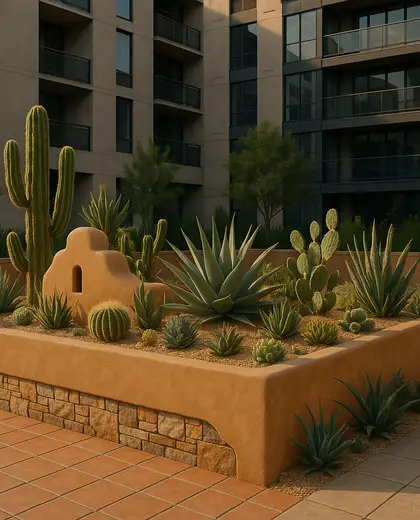
What materials suit an urban raised bed best?
Durable materials with a clean finish work well, especially timber, steel, concrete, and brick. The best choice depends on climate, load limits, and how permanent the installation should feel.
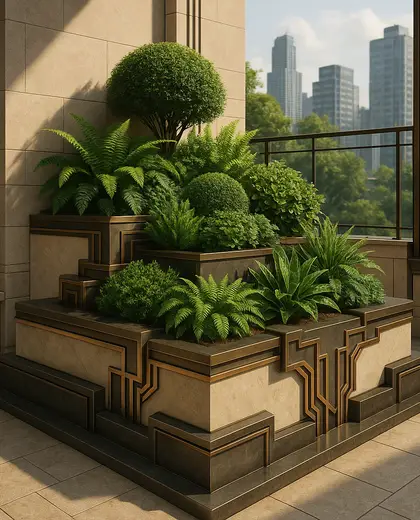
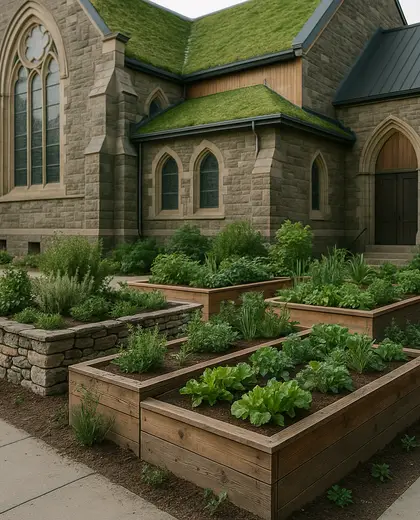
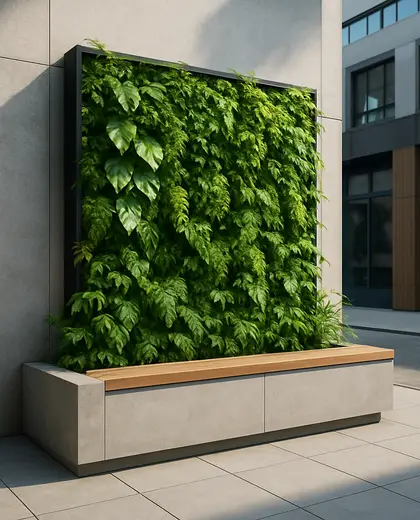
Should an urban raised bed look formal or informal?
Either can work, but many urban versions lean formal to match the surrounding architecture. Straight lines, repeated modules, and a controlled plant palette usually feel most at home in the city.
— The style
What defines it
Timber, corten steel, powder-coated metal, concrete, stone, and brick are common, often with compact drainage details and clean-edged joinery.
Muted and architectural: green foliage, soil tones, weathered wood, charcoal, gray, terracotta, and matte black accents.
Urban patios, rooftop terraces, small courtyards, balcony planters, perimeter seating, and paving patterns that make the bed feel built-in.
— Professionals
Who has already built it
- vorbild architecturearchitects · 6 projectsView profile →
- kerem erbagci3d renderers · London · 9 projectsView profile →
- paquis norris group limitedbuilders · Reading · 3 projectsView profile →
- LoftRobejoiners · Guildford · 4 projectsView profile →
— Explore
Keep exploring
— Questions
Frequently asked questions
Can a raised garden bed work in a small urban space?
Yes. The format is often used to organize planting in limited areas such as rooftops, balconies, and narrow courtyards, where a ground-level garden is not practical.
What materials suit an urban raised bed best?
Durable materials with a clean finish work well, especially timber, steel, concrete, and brick. The best choice depends on climate, load limits, and how permanent the installation should feel.
Should an urban raised bed look formal or informal?
Either can work, but many urban versions lean formal to match the surrounding architecture. Straight lines, repeated modules, and a controlled plant palette usually feel most at home in the city.