— Ideas & inspiration
Raised garden bed
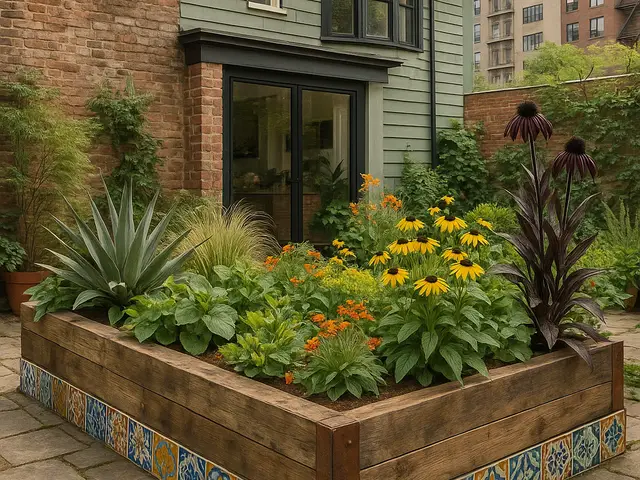
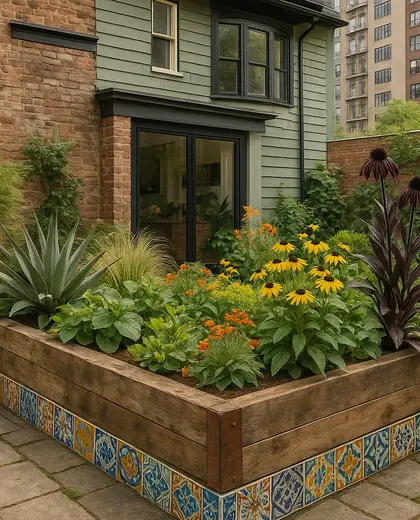
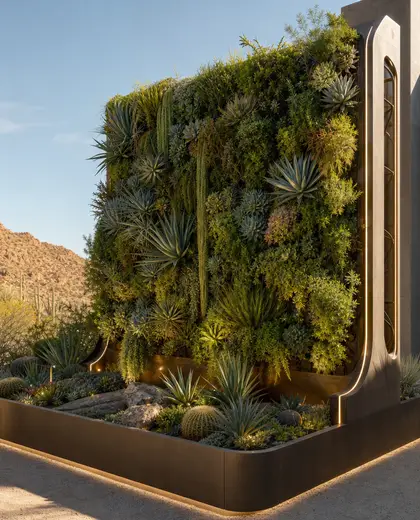
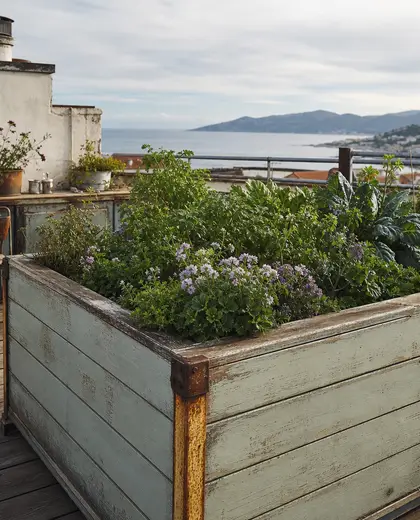
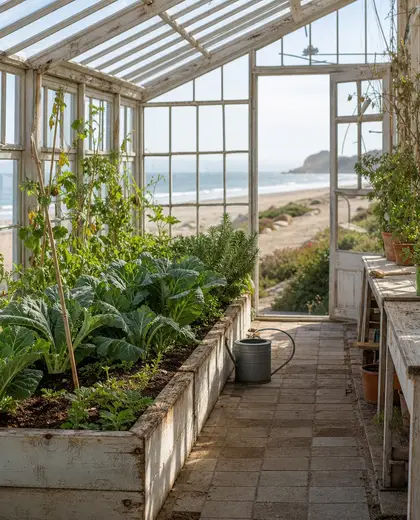
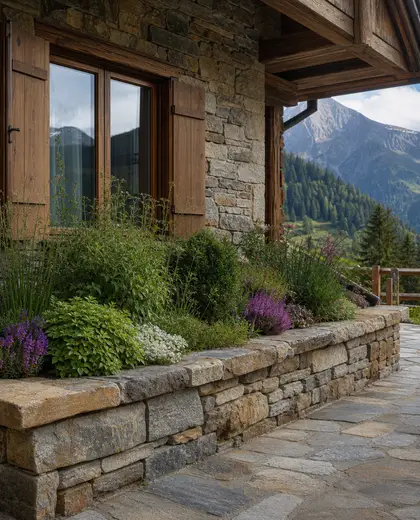
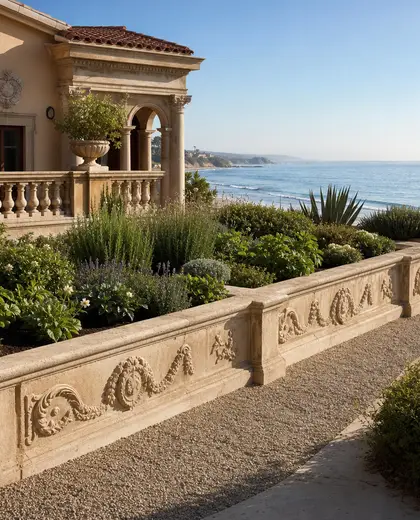
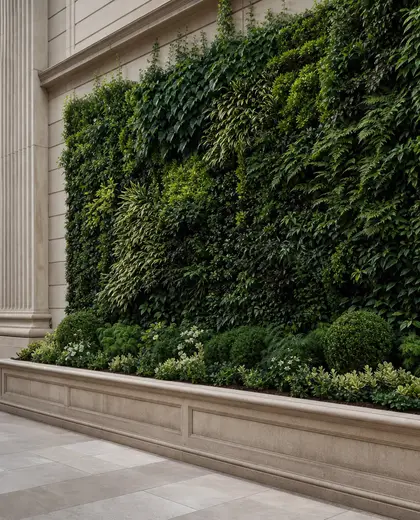
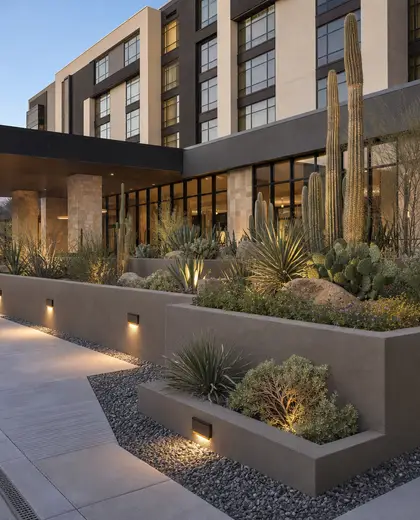
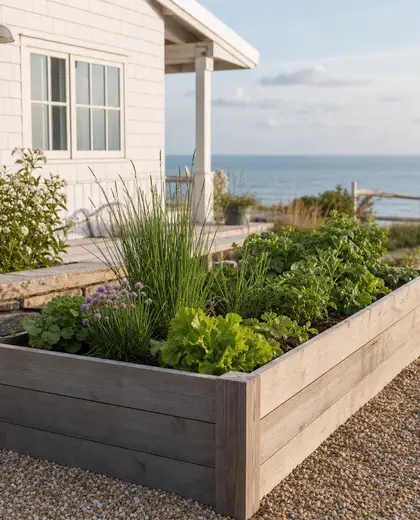
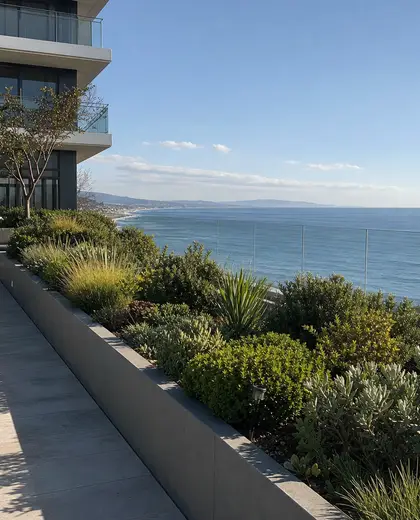
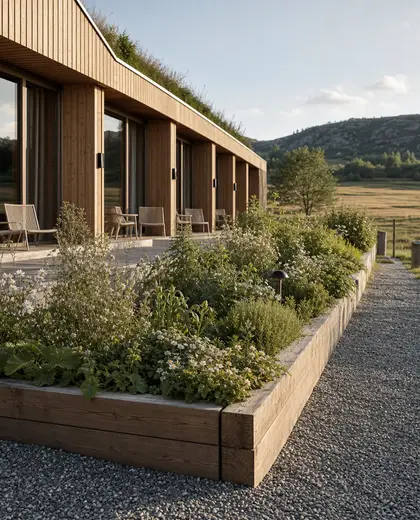
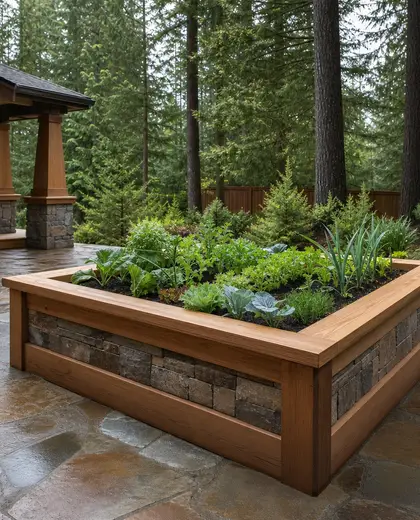
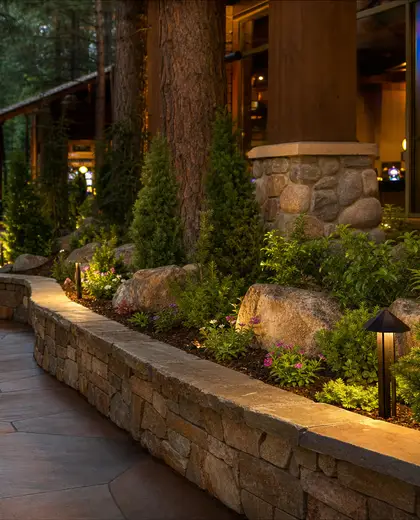
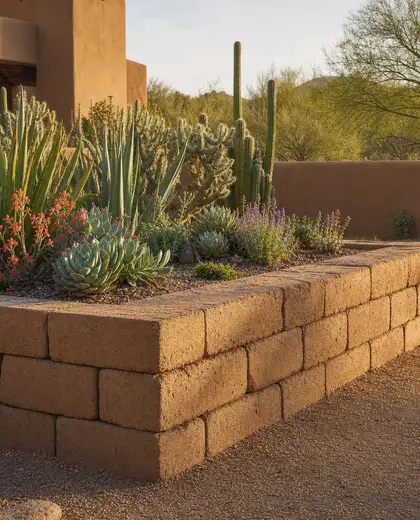
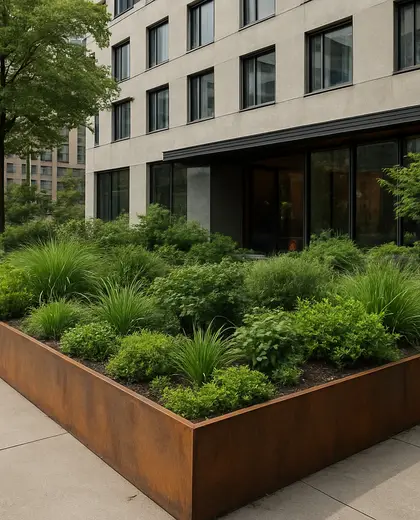
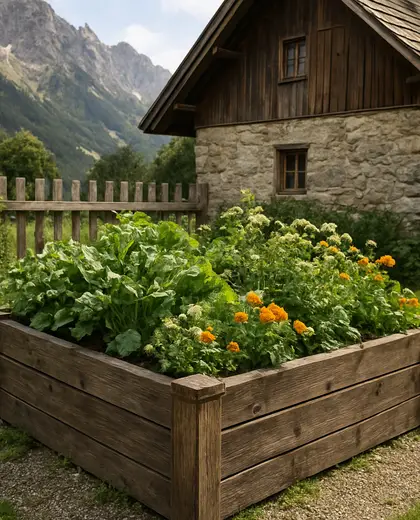
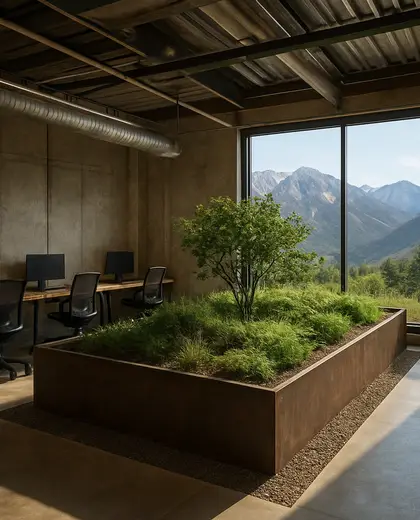
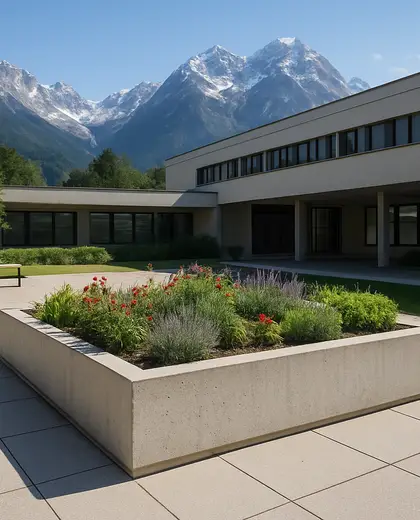
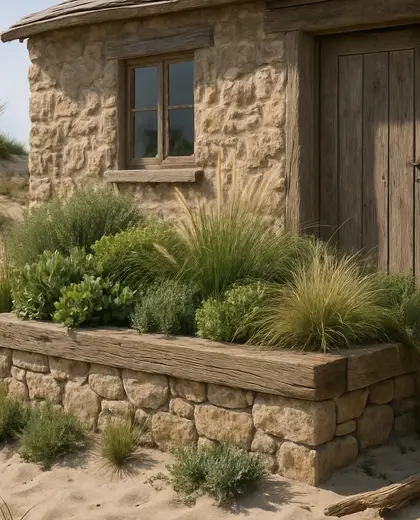
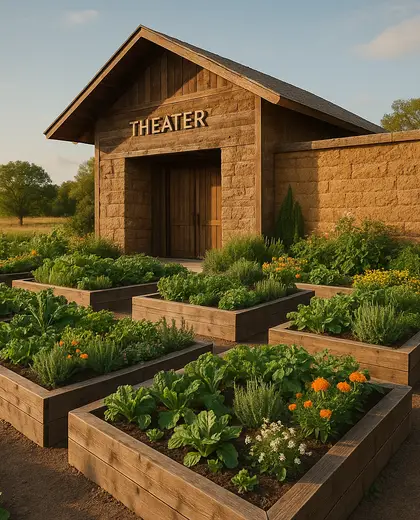
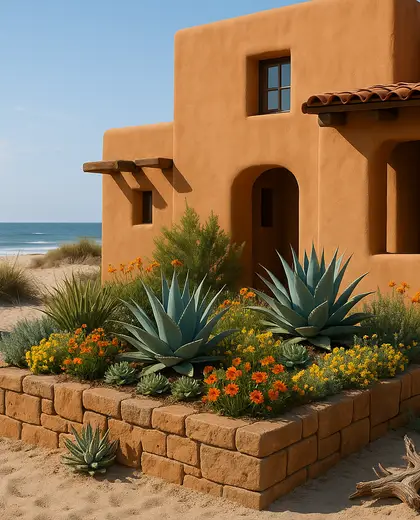
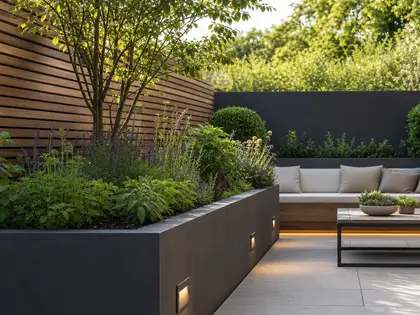
A raised garden bed is defined by a contained planting frame set above ground level, usually built from timber, stone, brick, concrete, or metal. It typically has a simple rectangular or linear form, visible edging, and a soil-filled interior that separates plants from the surrounding ground. The look is practical and structured, with the bed itself acting as the main compositional element.
- raised garden bed
— References
References to explore
Do raised garden beds need a lot of space?
No. They can be compact and work in small yards, side yards, courtyards, and patios as long as there is enough sun and access for watering.
Which material lasts longest outdoors?
Durability depends on climate and maintenance, but stone, concrete, and metal generally last longer than untreated wood. Wood can still work well if it is naturally rot-resistant or properly detailed.

Can a raised bed look formal?
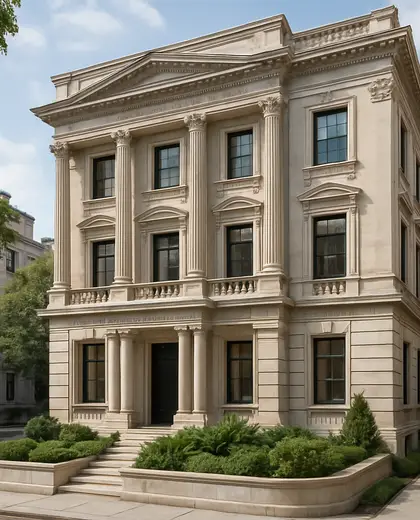
Yes. Straight edges, repeated modules, and consistent materials create a formal look, while softer planting and uneven stone make it feel more relaxed.
— The style
What defines it
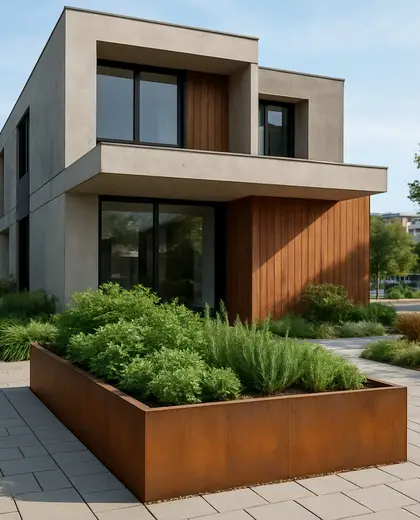
Common materials include cedar or other rot-resistant timber, galvanized steel, corten steel, brick, concrete blocks, and natural stone.
The palette is usually earthy and grounded: warm wood tones, gray stone, charcoal metal, and green planting soften the structure.
It pairs well with gravel paths, mulch, pavers, fences, patios, small trees, herbs, and informal planting layers.
— Professionals
Who has already built it
- vorbild architecturearchitects · 6 projectsView profile →
- kerem erbagci3d renderers · London · 9 projectsView profile →
- paquis norris group limitedbuilders · Reading · 3 projectsView profile →
- LoftRobejoiners · Guildford · 4 projectsView profile →
— Explore
Keep exploring
— Questions
Frequently asked questions
Do raised garden beds need a lot of space?
No. They can be compact and work in small yards, side yards, courtyards, and patios as long as there is enough sun and access for watering.
Which material lasts longest outdoors?
Durability depends on climate and maintenance, but stone, concrete, and metal generally last longer than untreated wood. Wood can still work well if it is naturally rot-resistant or properly detailed.
Can a raised bed look formal?
Yes. Straight edges, repeated modules, and consistent materials create a formal look, while softer planting and uneven stone make it feel more relaxed.