— Ideas & inspiration
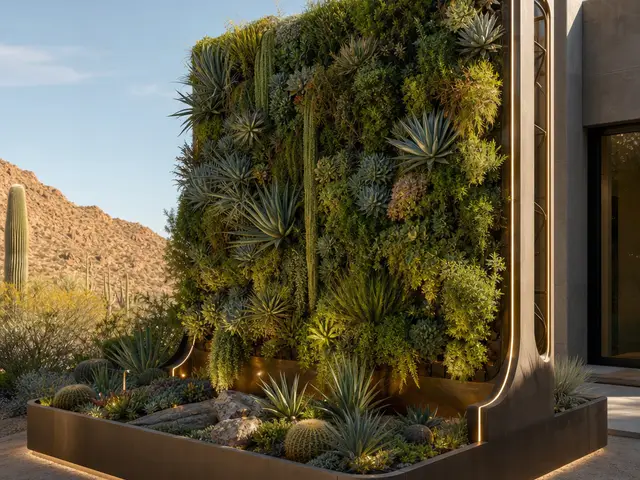
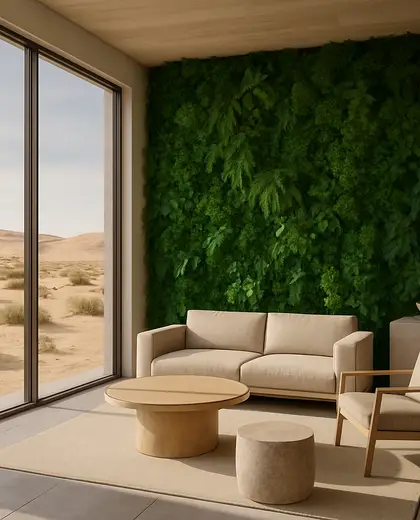
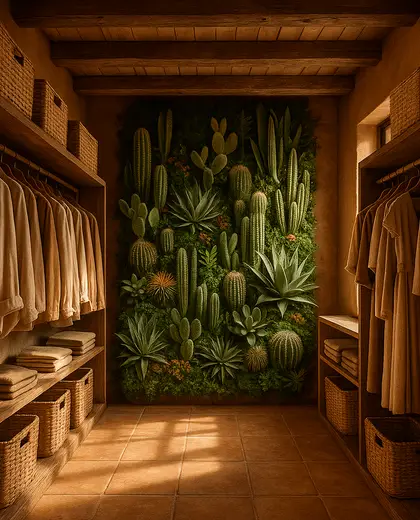
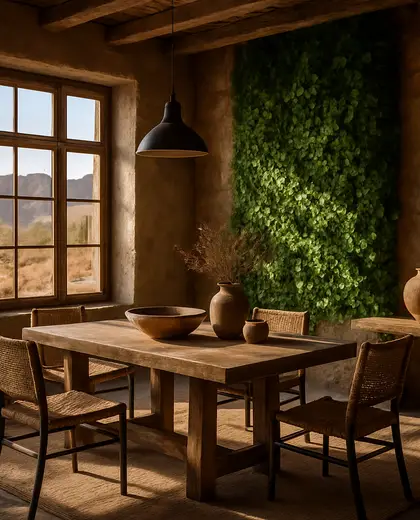
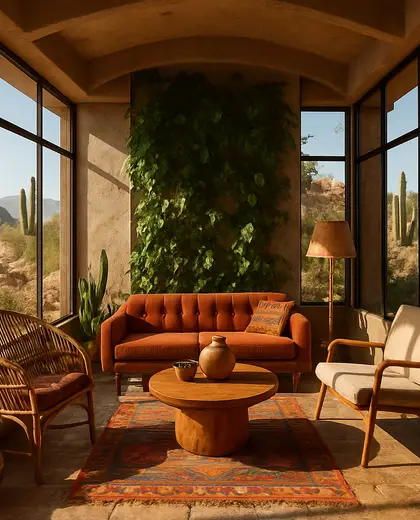
Desert walls with a vertical garden spirit
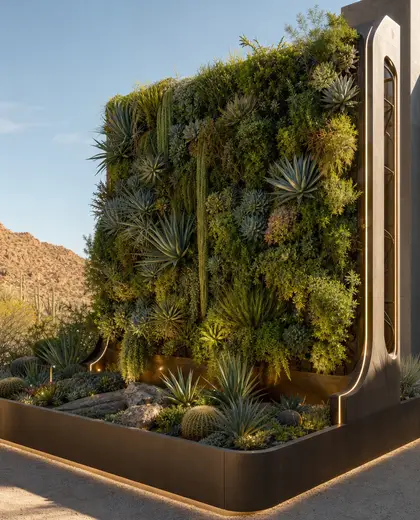
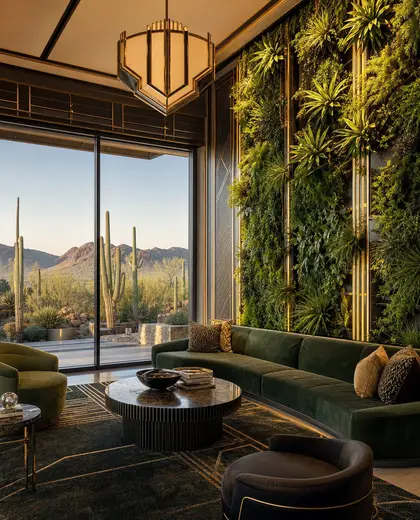
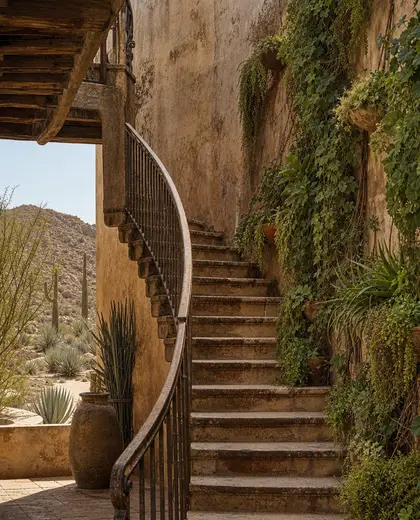
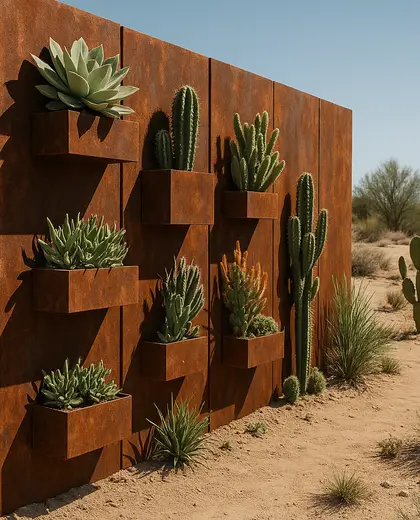
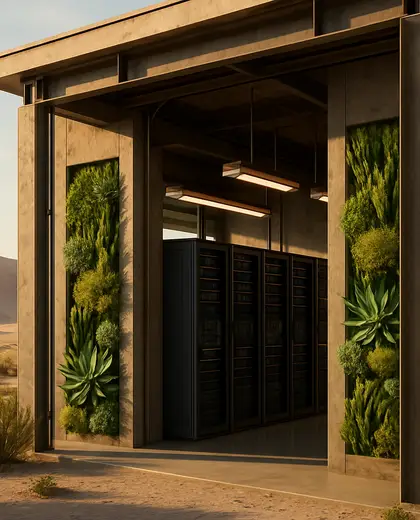
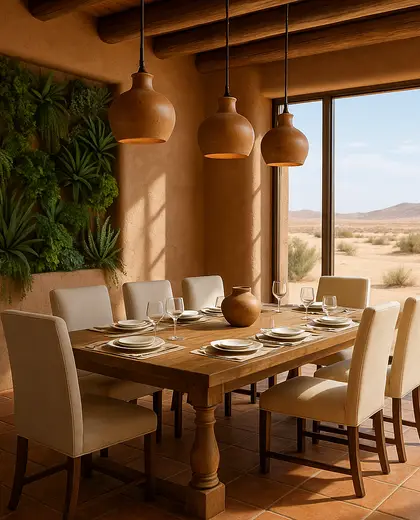
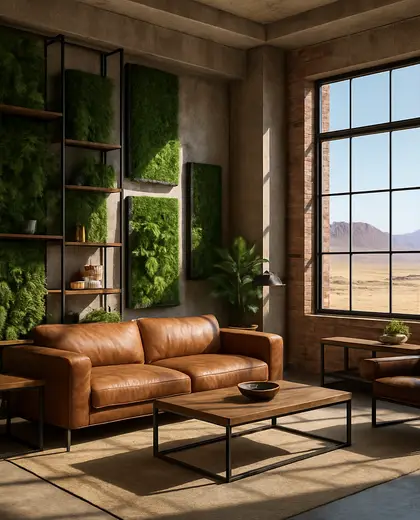
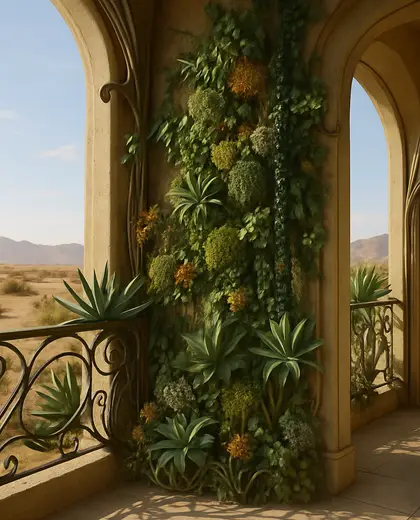
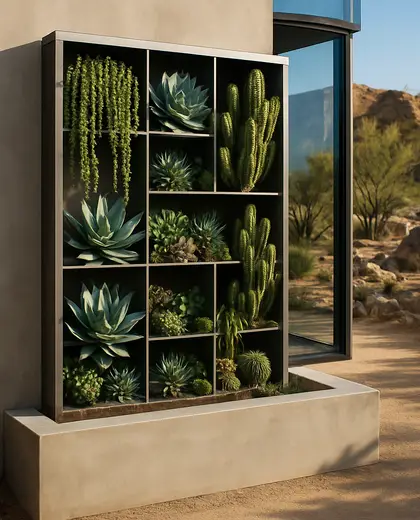
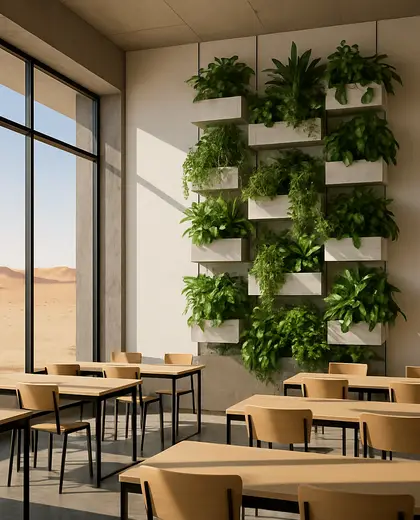
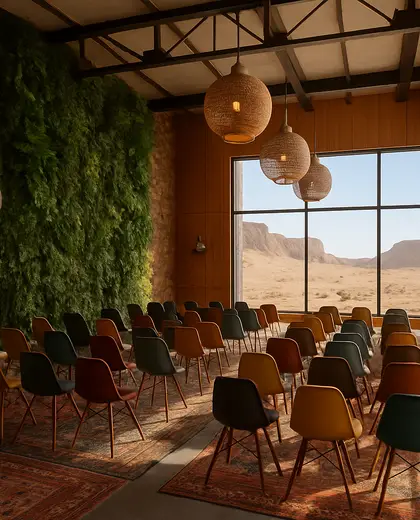
This composition pairs arid, sun-washed finishes with a planted vertical surface to bring life into a dry, minimal setting. It typically uses stone, stucco, textured concrete, terracotta, weathered wood, and drought-tolerant greenery set against sandy neutrals and muted greens. The defining element is the contrast between sparse desert materials and a dense living wall or trellised planting system.
- vertical garden
- desert
— References
References to explore
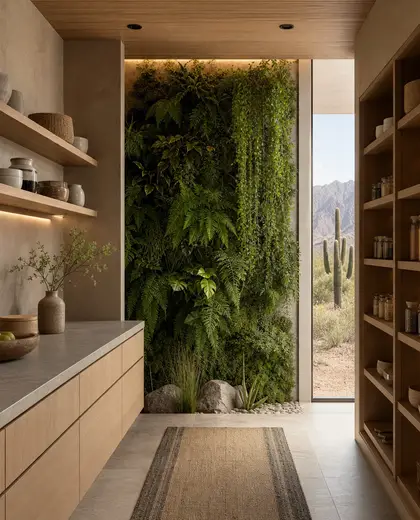
Will a vertical garden work in a desert climate?
Yes, if you choose drought-tolerant species, efficient irrigation, and a wall system designed for heat and evaporation. Placement in partial shade or with wind protection helps the planting stay healthy.
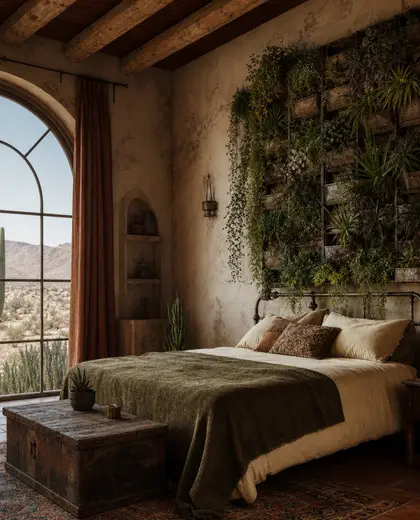
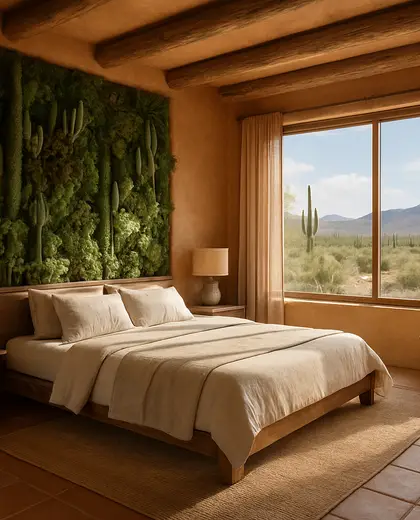
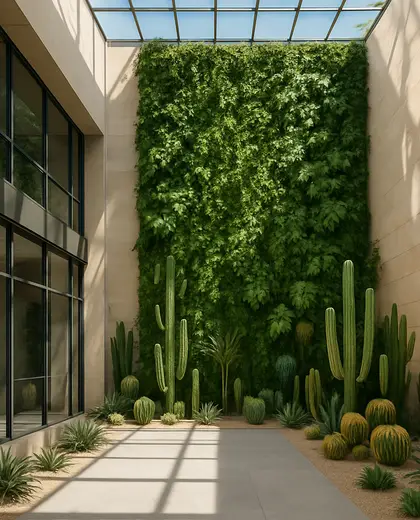
What materials suit this look best?
Materials that age well in strong sun work best: mineral plaster, stone, concrete, terracotta, and rot-resistant wood or metal supports. Avoid finishes that fade or warp quickly under heat.
Does this composition need a lot of water?
It does not have to, but it should be planned carefully. Using native or low-water plants, drip irrigation, and moisture-retaining substrates can keep water use relatively modest.
— The style
What defines it
Stucco, rammed earth, stone, concrete, terracotta, weathered timber, and a planted support structure for vines or modular green panels.
Sandy beige, clay, ochre, warm gray, sun-faded white, and soft greens used as accents rather than dominant color.
Desert-inspired architecture, drought-tolerant planting, shaded courtyards, and textured facades that let greenery soften the envelope.
— Professionals
Who has already built it
- maria mateaarchitects · London · 7 projectsView profile →
- kerem erbagci3d renderers · London · 9 projectsView profile →
- paquis norris group limitedbuilders · Reading · 3 projectsView profile →
- LoftRobejoiners · Guildford · 4 projectsView profile →
— Explore
Keep exploring
— Questions
Frequently asked questions
Will a vertical garden work in a desert climate?
Yes, if you choose drought-tolerant species, efficient irrigation, and a wall system designed for heat and evaporation. Placement in partial shade or with wind protection helps the planting stay healthy.
What materials suit this look best?
Materials that age well in strong sun work best: mineral plaster, stone, concrete, terracotta, and rot-resistant wood or metal supports. Avoid finishes that fade or warp quickly under heat.
Does this composition need a lot of water?
It does not have to, but it should be planned carefully. Using native or low-water plants, drip irrigation, and moisture-retaining substrates can keep water use relatively modest.