— Ideas & inspiration
Vertical Garden
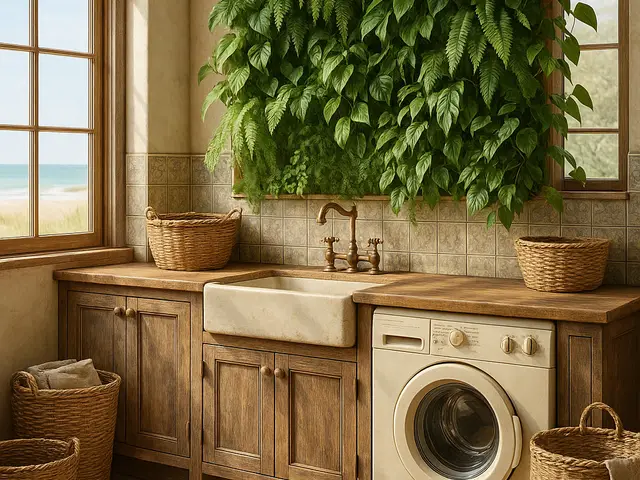
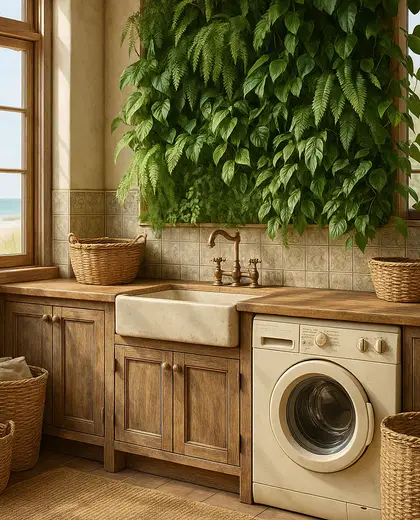
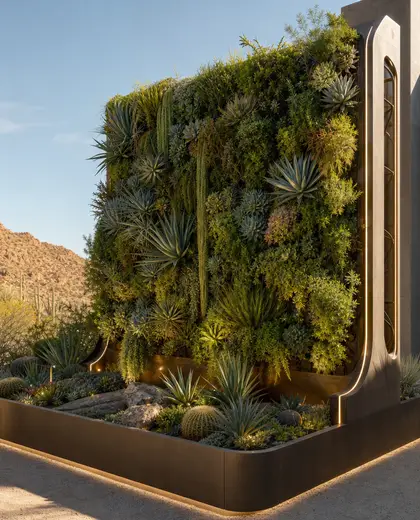
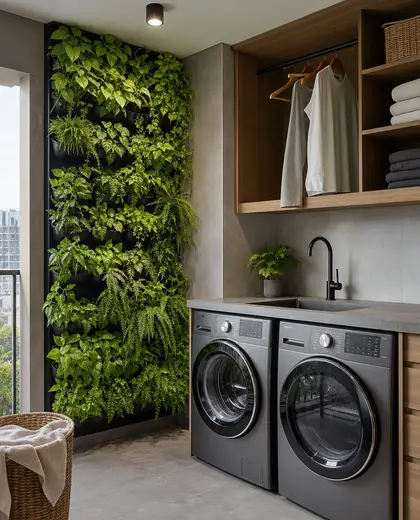
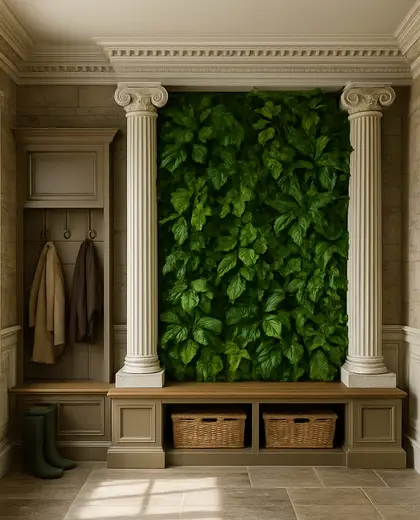
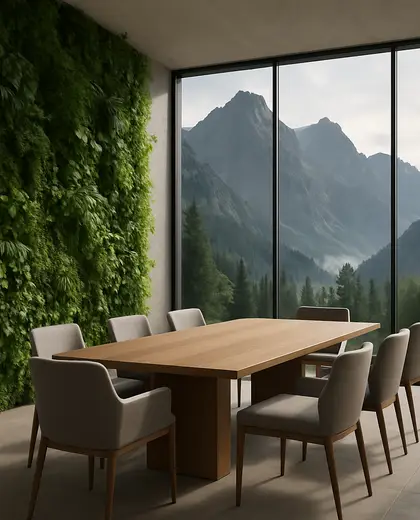
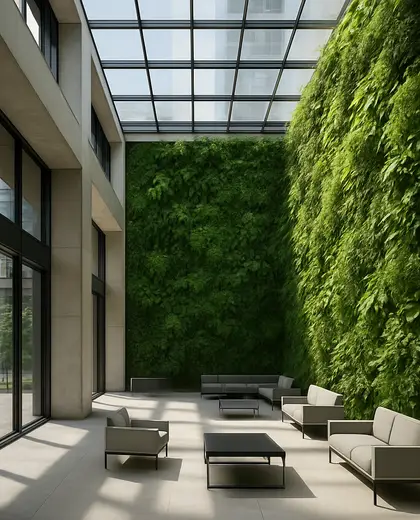
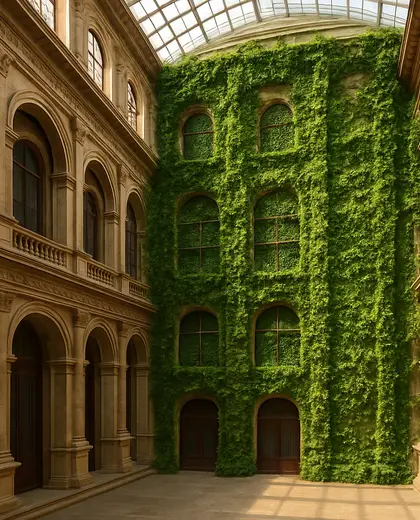
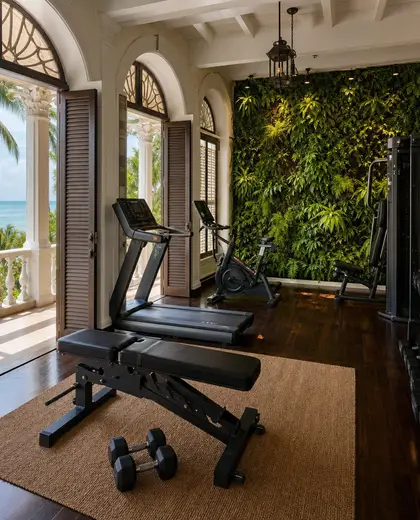
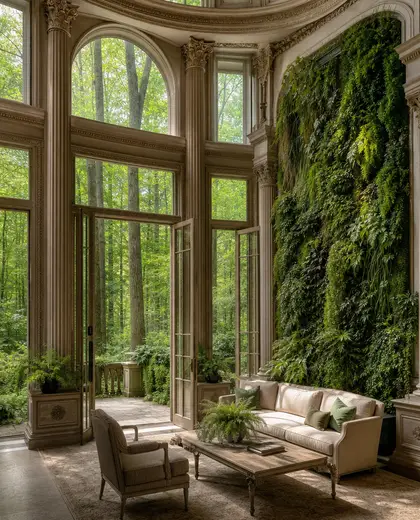
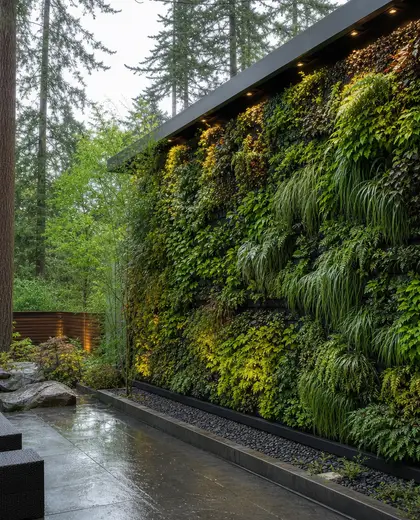
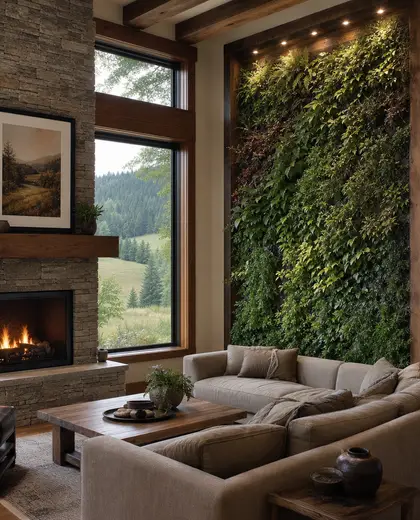
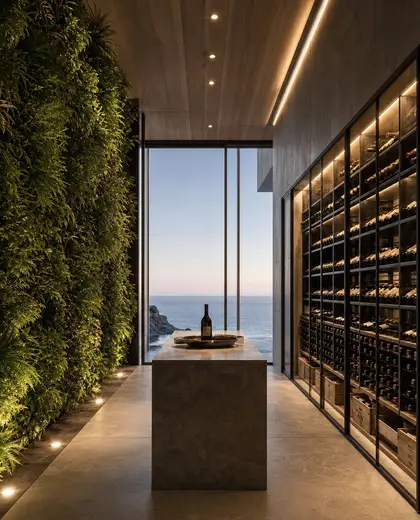
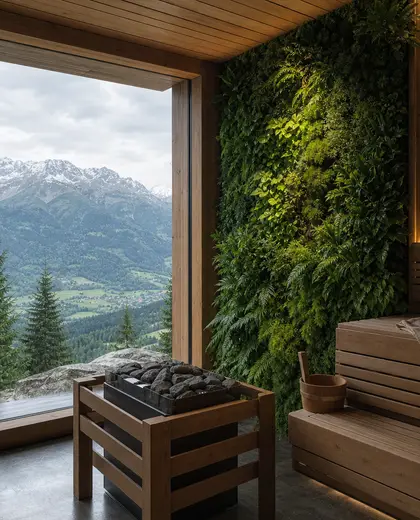
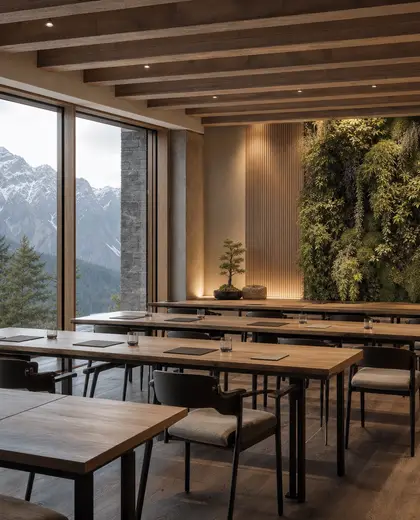
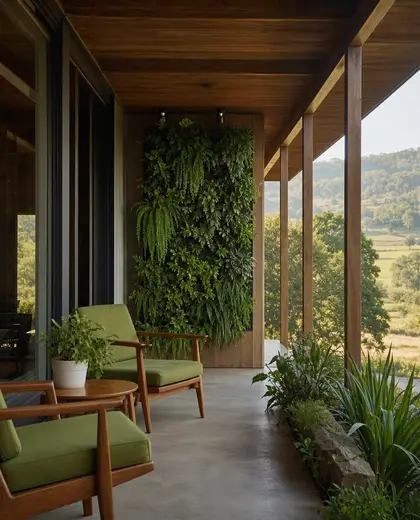
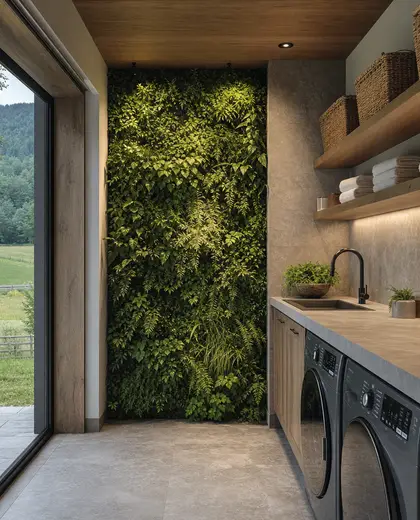
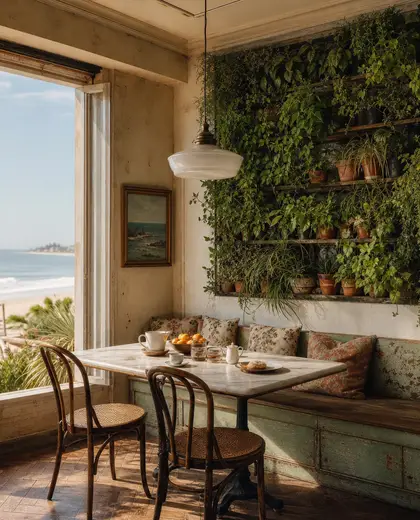
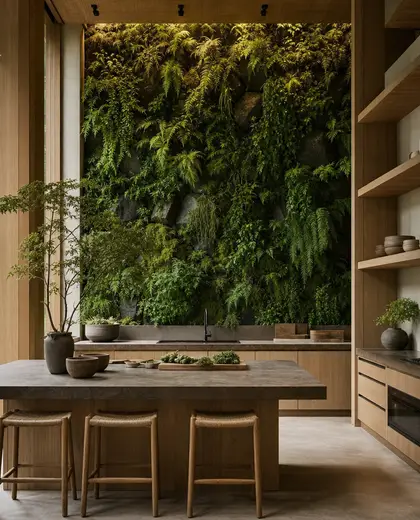
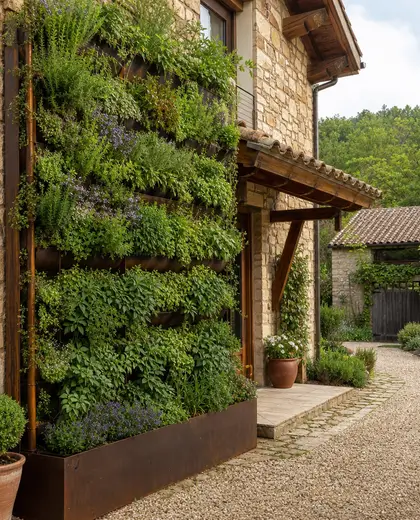
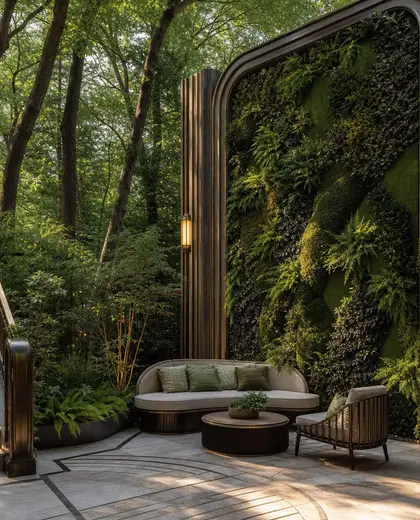
A vertical garden is a planted surface fixed to a wall or freestanding frame, typically built with modular panels, pockets, or trellises that hold soil, felt, or planter inserts. It uses living greenery as the main visual layer, often paired with irrigation lines, waterproof backing, and structural supports to keep the planting healthy and contained. The look is defined by dense foliage, layered textures, and a strong contrast between the plants and the surrounding hardscape.
- vertical garden
— References
References to explore
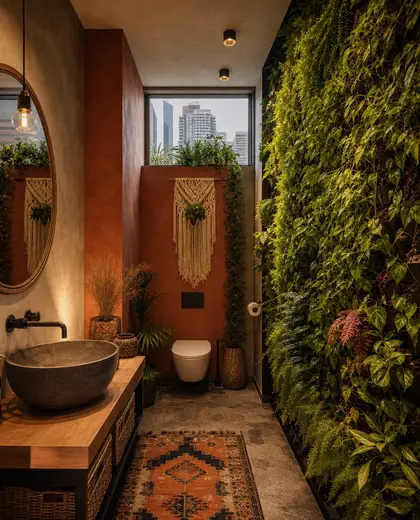
Does a vertical garden need direct sunlight?
Not always. Plant choice depends on the amount of light available, and many vertical gardens can be designed for partial shade or bright indirect light.
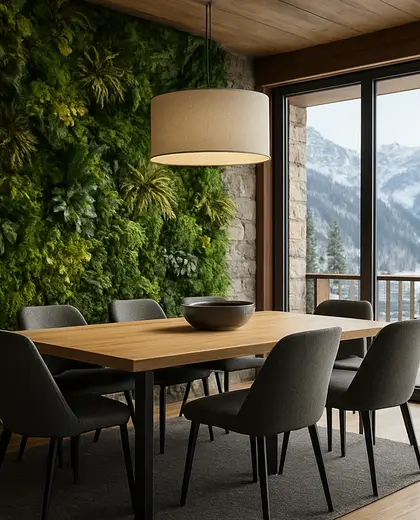
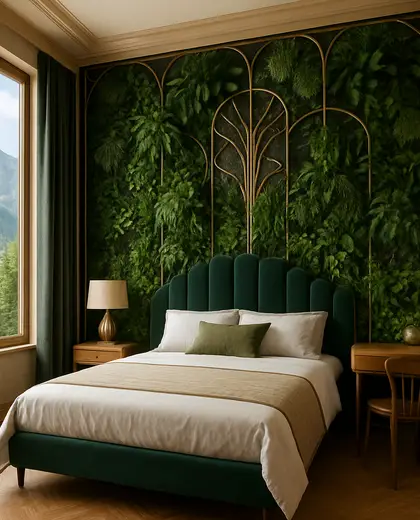
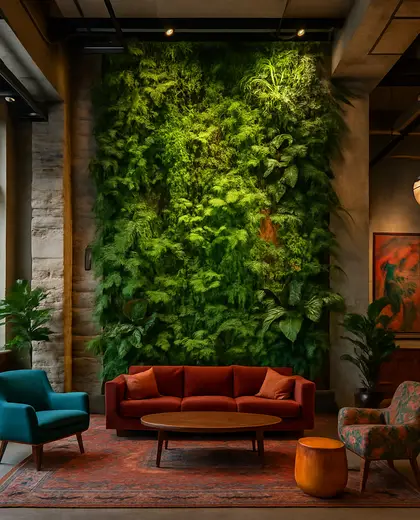
Can a vertical garden be used indoors?
Yes, if there is enough light, proper drainage control, and a plan for irrigation or maintenance. Indoor systems usually need more attention to humidity and waterproofing.
What should I consider before installing one?
Check wall structure, access to water, drainage, maintenance needs, and whether the planting system is suitable for the local climate or indoor conditions.
— The style
What defines it
Living plants, modular planter panels, felt pockets, metal or timber frames, waterproof membranes, and drip irrigation are the usual components.
Mostly green and natural, with variations from fern, herb, and vine foliage; neutral backing materials like black, gray, concrete, or timber often stay visually quiet.
Works well with concrete, stone, timber slats, glass, and outdoor seating areas, and is often used to soften patios, courtyards, balconies, and entry walls.
— Professionals
Who has already built it
- slade slade design3d renderers · Bristol · 6 projectsView profile →
- marcela tossiinterior designers · London · 6 projectsView profile →
- maria mateaarchitects · London · 7 projectsView profile →
- paquis norris group limitedbuilders · Reading · 3 projectsView profile →
— Questions
Frequently asked questions
Does a vertical garden need direct sunlight?
Not always. Plant choice depends on the amount of light available, and many vertical gardens can be designed for partial shade or bright indirect light.
Can a vertical garden be used indoors?
Yes, if there is enough light, proper drainage control, and a plan for irrigation or maintenance. Indoor systems usually need more attention to humidity and waterproofing.
What should I consider before installing one?
Check wall structure, access to water, drainage, maintenance needs, and whether the planting system is suitable for the local climate or indoor conditions.