— Ideas & inspiration
Sustainable vertical garden design
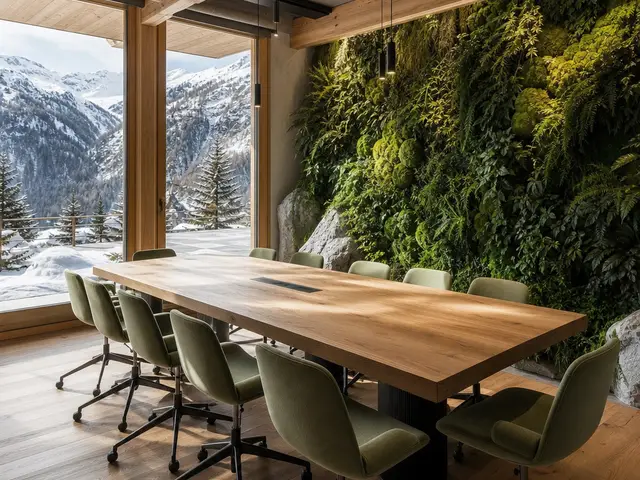
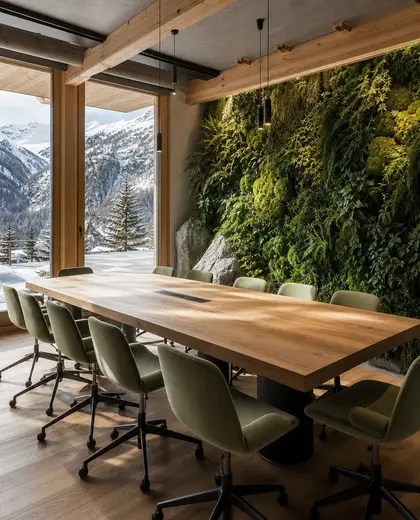
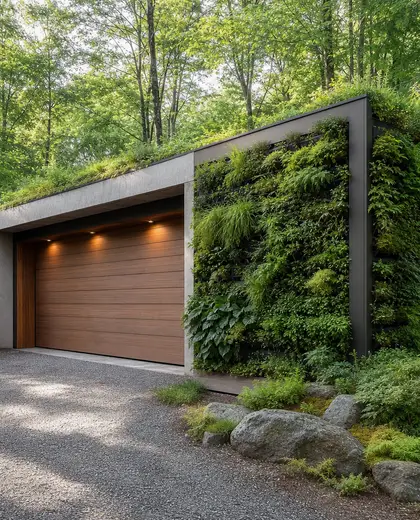
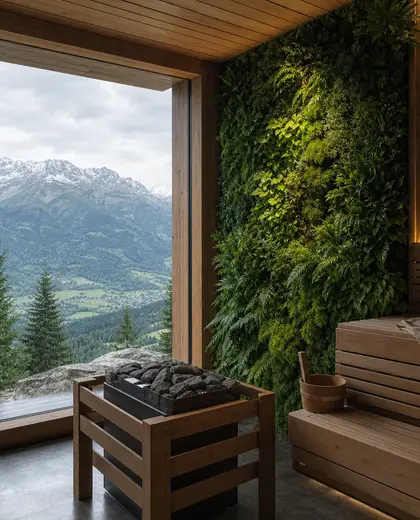
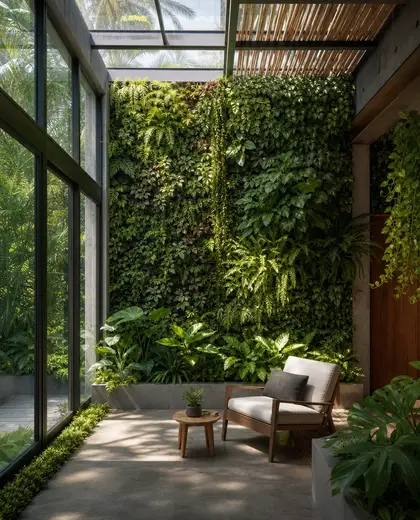
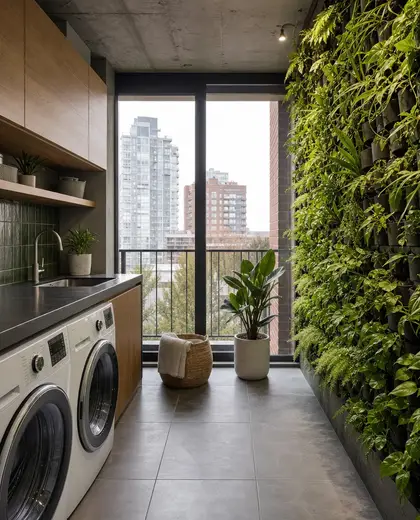
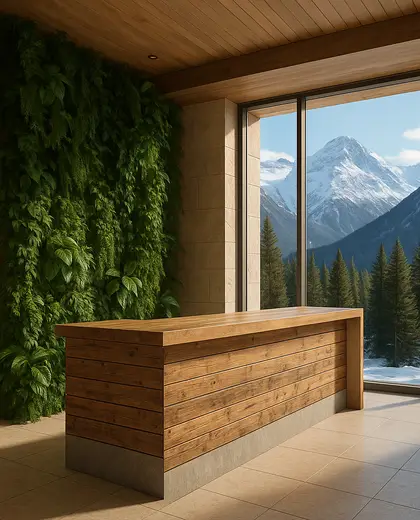
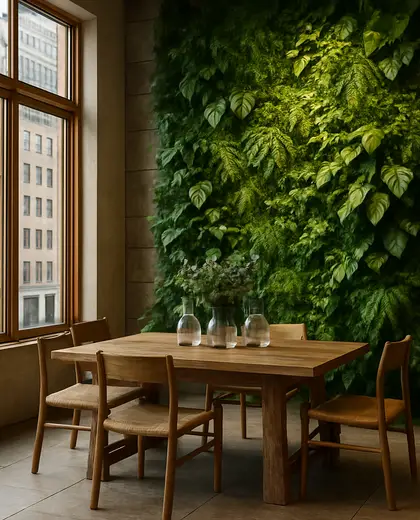
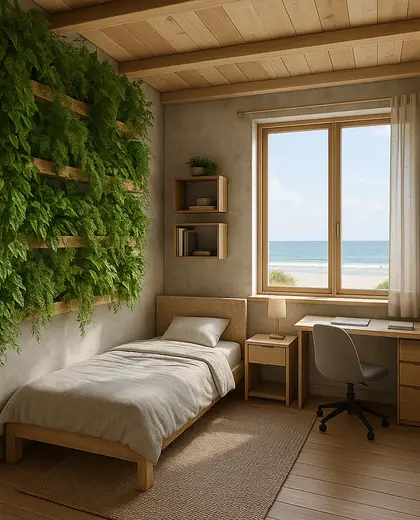
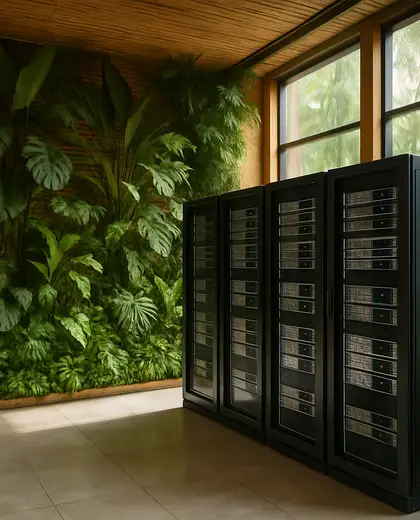
A sustainable vertical garden is defined by a planted wall system built with low-impact materials, efficient irrigation, and layered planting pockets or panels. It often uses reclaimed timber, recycled metal, coco coir, or modular felt systems, with a palette drawn from greens, earthy browns, muted grays, and weathered finishes. The composition combines living plants with drainage, structure, and water-management details so the garden can thrive on a wall or compact facade.
- vertical garden
- sustainable
— References
References to explore
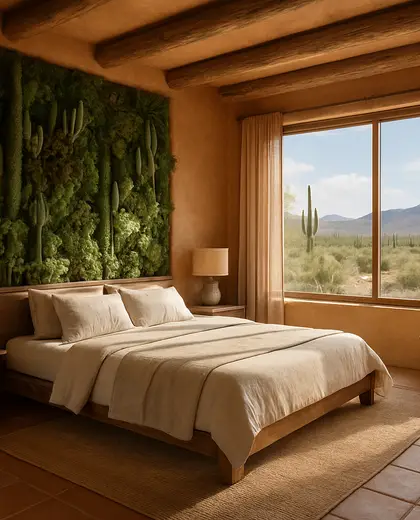
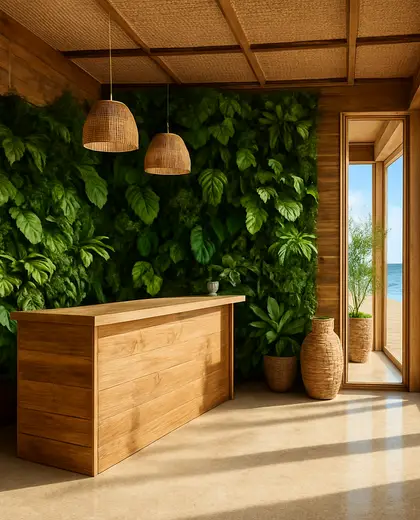
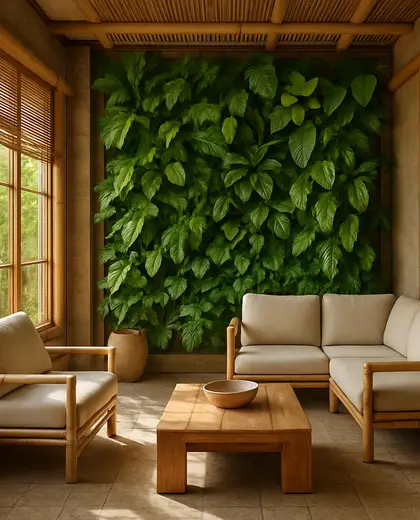
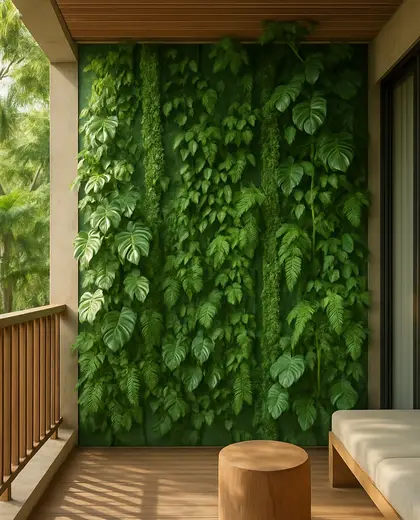
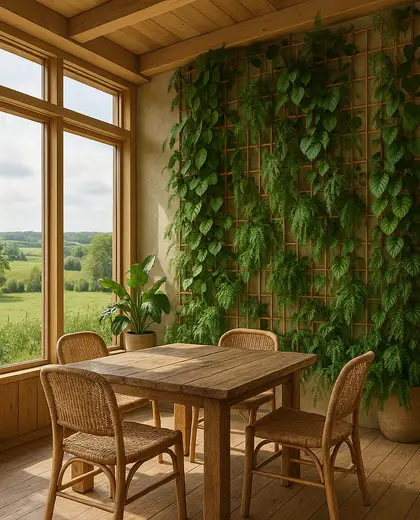
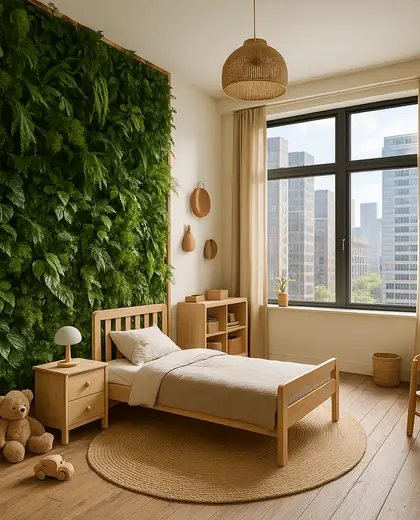
Can a vertical garden really be sustainable?
Yes, if it uses durable, low-impact materials, efficient watering, and plant species suited to the light and climate. The most sustainable versions also reuse water and reduce maintenance needs.
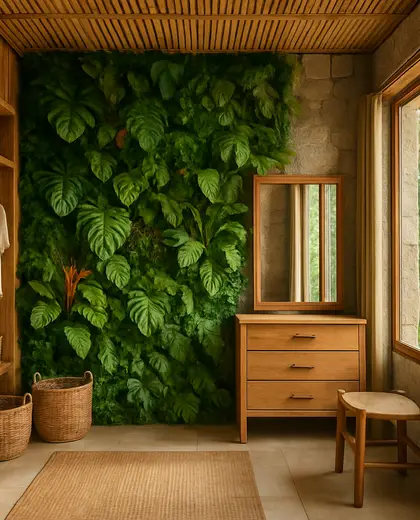
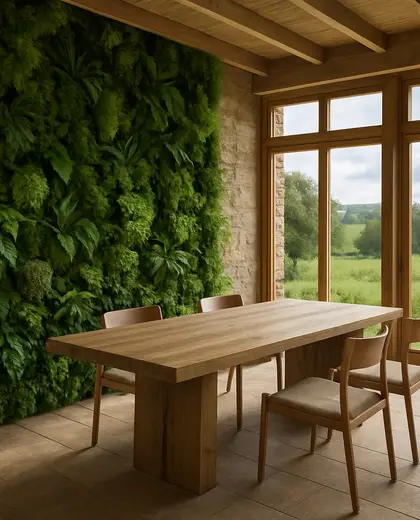
What plants work best in a sustainable vertical garden?
Plants are usually chosen for the site rather than appearance alone. Ferns, trailing vines, herbs, mosses, and shade-tolerant natives are common, depending on sun, wind, and moisture.
— The style
What defines it
Modular planters, felt or felt-like pockets, recycled frames, reclaimed timber, metal supports, and irrigation components.
Natural greens with moss, fern, and herb tones; balanced by stone, clay, charcoal, and weathered neutral surfaces.
Facade cladding, balcony walls, courtyard screens, indoor living walls, and rainwater or drip irrigation systems.
— Professionals
Who has already built it
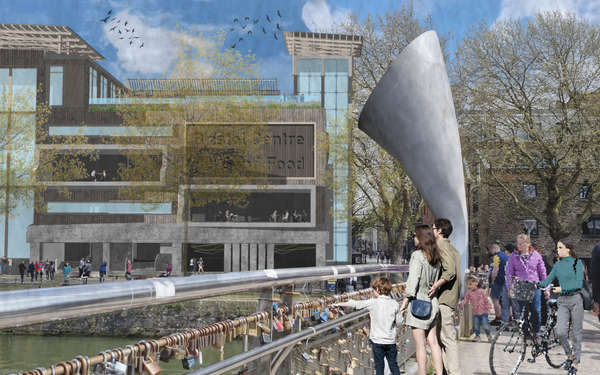

- paquis norris group limitedbuilders · Reading · 3 projectsView profile →
- LoftRobejoiners · Guildford · 4 projectsView profile →
- Beneito Faurelighting designers · 2 projectsView profile →
- Lusso Stonetile suppliers · Stocktonontees · 7 projectsView profile →
— ARTICLES
Related reading
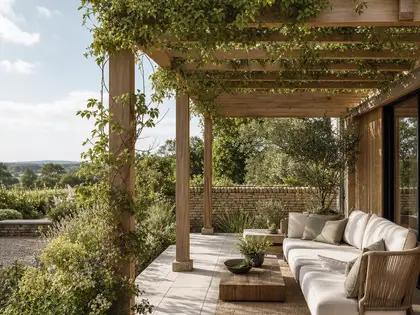
5 mistakes to avoid when designing a pergola
A practical guide to the most common pergola mistakes, with simple fixes that make the space more comfortable, durable and easy to enjoy in the UK.
Read article →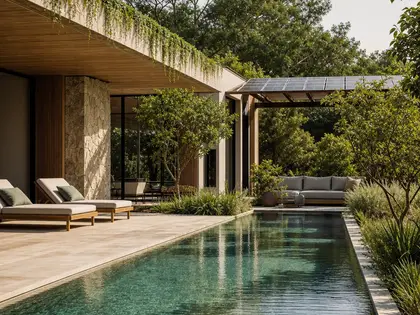
pool trends that feel fresh in 2026
A practical look at the latest pool trends, from low-energy materials and calm colour palettes to smarter layouts and tech, plus easy ways to update without a full rebuild.
Read article →— Questions
Frequently asked questions
Can a vertical garden really be sustainable?
Yes, if it uses durable, low-impact materials, efficient watering, and plant species suited to the light and climate. The most sustainable versions also reuse water and reduce maintenance needs.
What plants work best in a sustainable vertical garden?
Plants are usually chosen for the site rather than appearance alone. Ferns, trailing vines, herbs, mosses, and shade-tolerant natives are common, depending on sun, wind, and moisture.
Does a vertical garden need special maintenance?
It needs regular checks for irrigation, drainage, and plant health, though the level of care depends on the system and plant mix. A well-designed setup is easier to maintain because the structure supports consistent watering and access.