— Ideas & inspiration
A house shaped by alpine calm
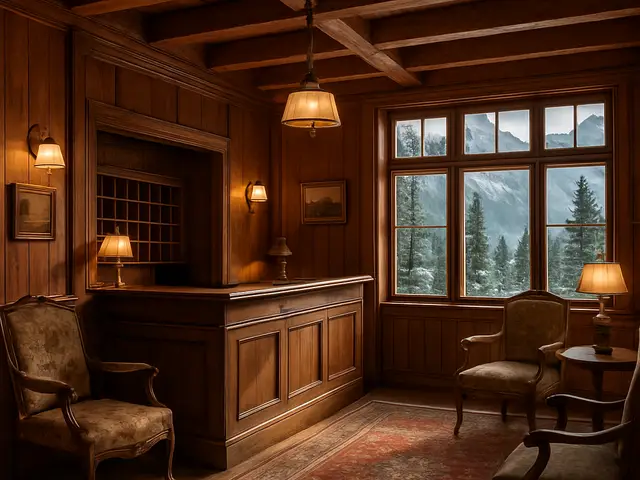
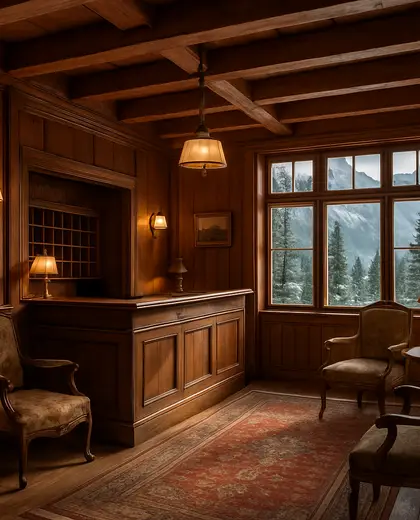
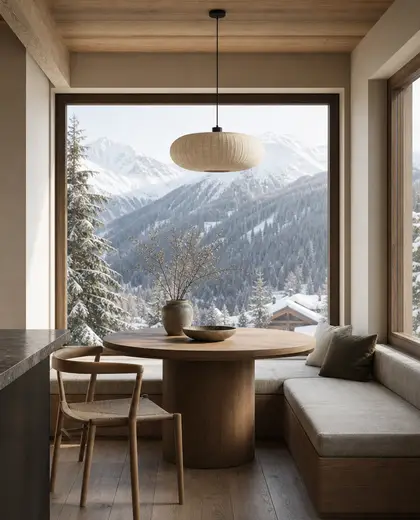
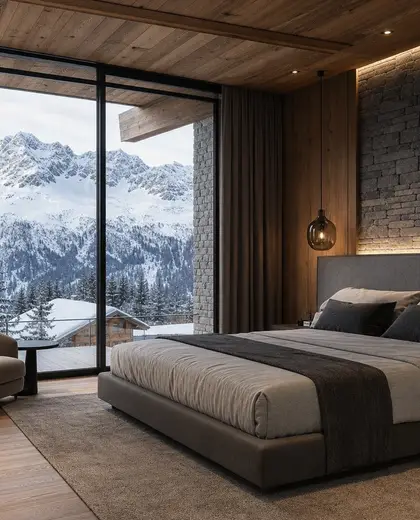
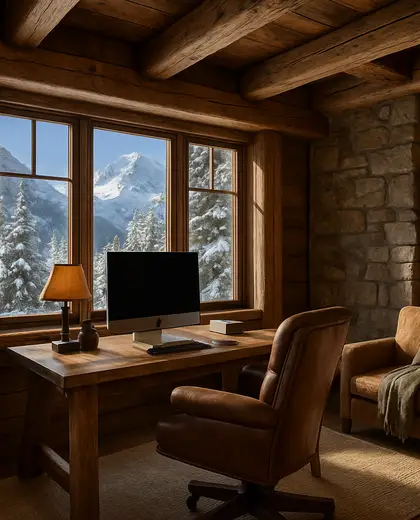
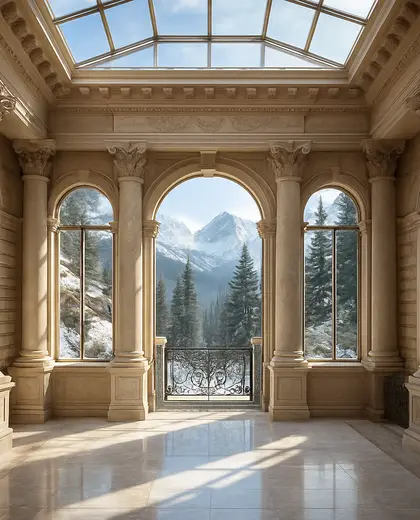
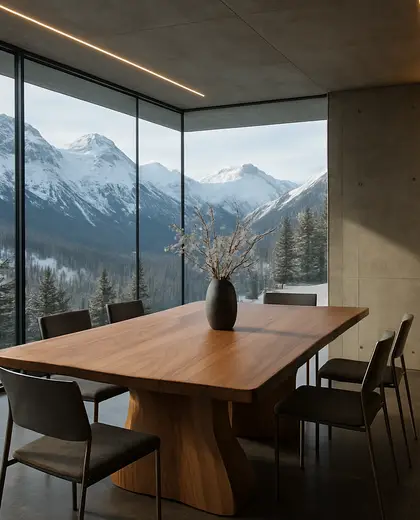
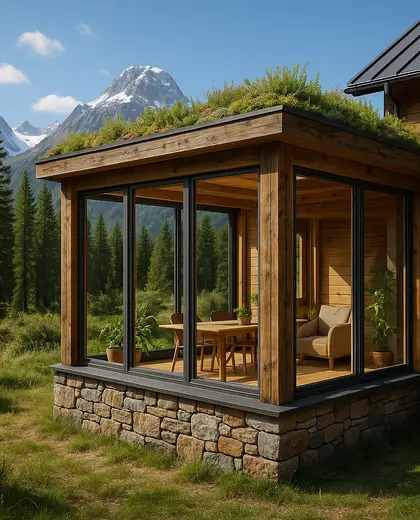
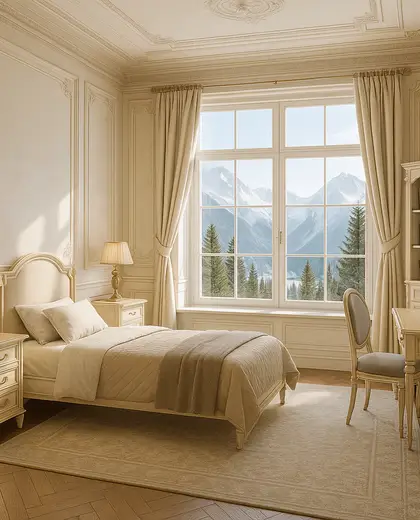
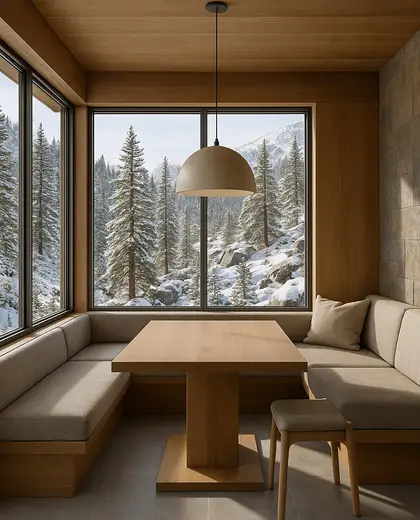
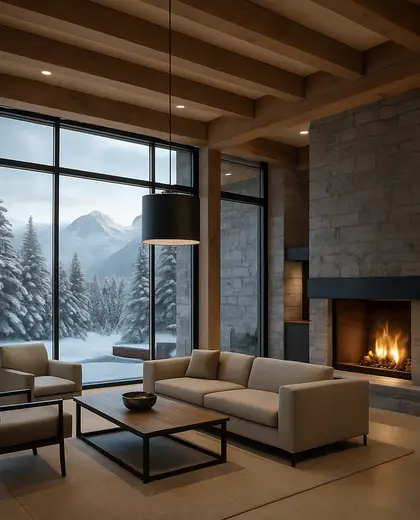
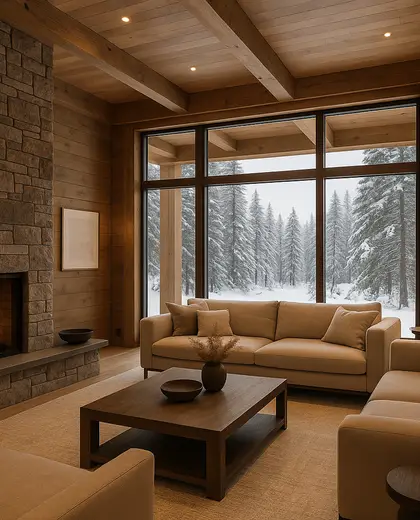
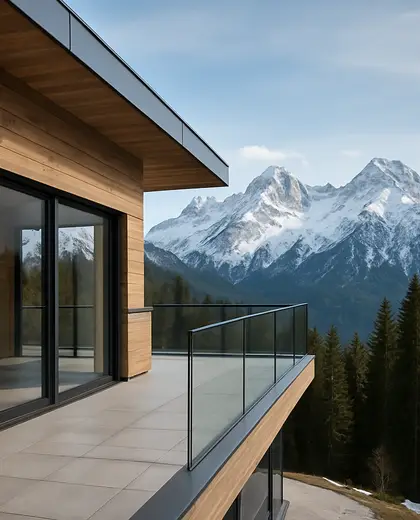
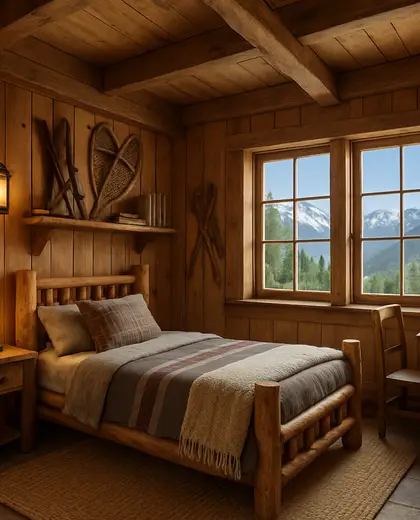
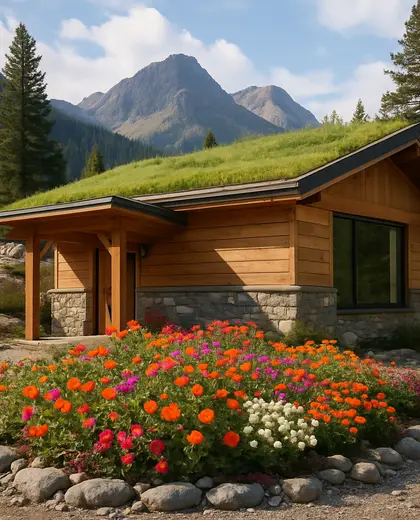
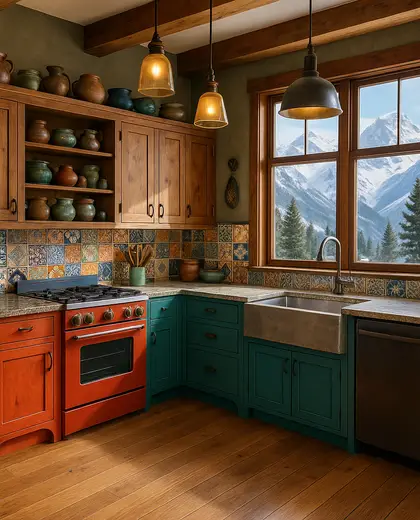
An alpine house is defined by a compact, weather-ready form with steep roofs, deep eaves, and a strong connection to the landscape. Common materials include timber, stone, plaster, and dark metal, with large windows used to frame mountain views and bring in winter light. The look is quiet and sturdy, balancing rustic warmth with crisp, contemporary detailing.
- house
- alpine
— References
References to explore
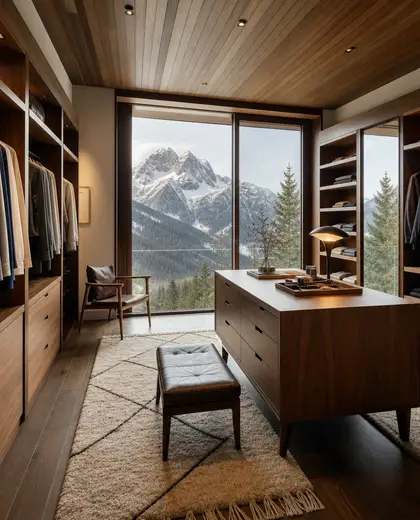
What makes a house feel alpine?
Steep rooflines, durable natural materials, sheltered outdoor areas, and a design that responds to snow, cold, and mountain views are the main cues.
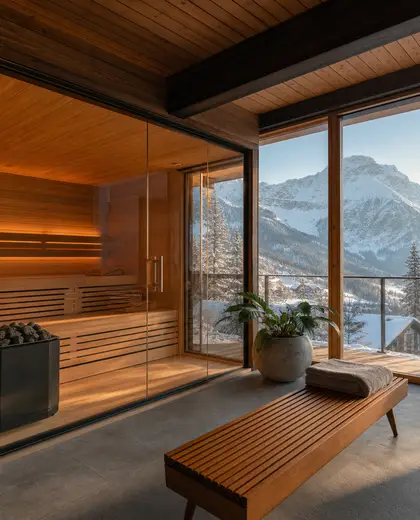
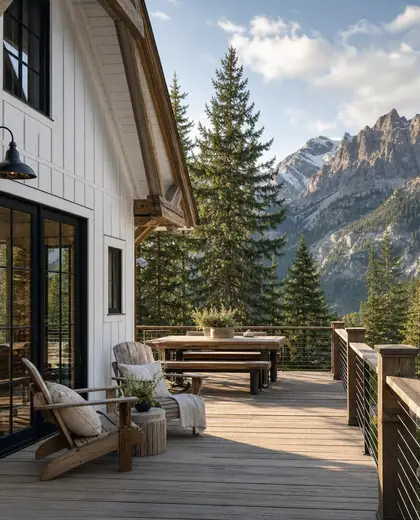
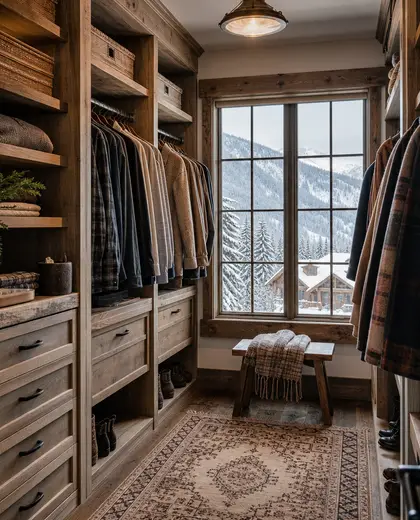
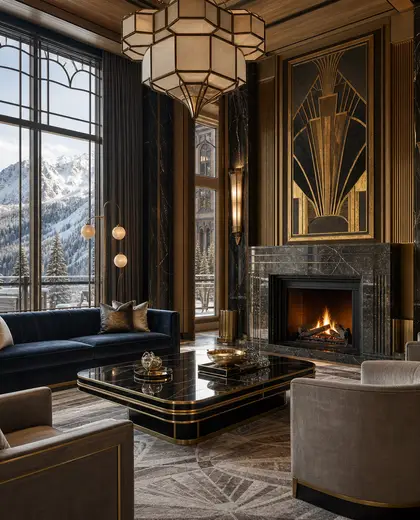
Can an alpine house look modern?
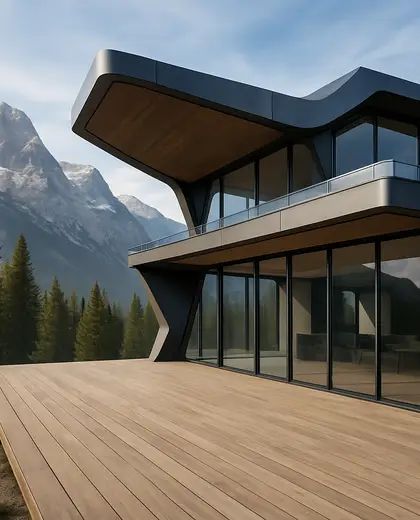
Yes. The form can stay rooted in alpine tradition while using cleaner lines, larger glazing, and simpler detailing for a more contemporary feel.
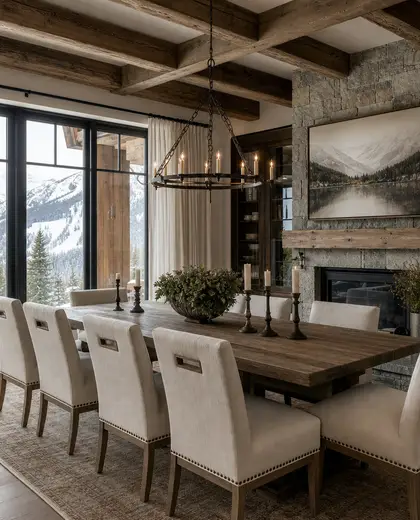
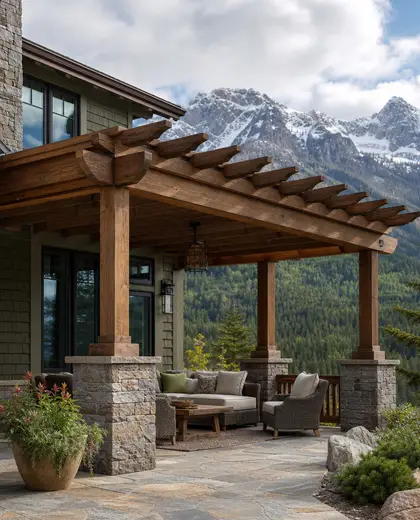
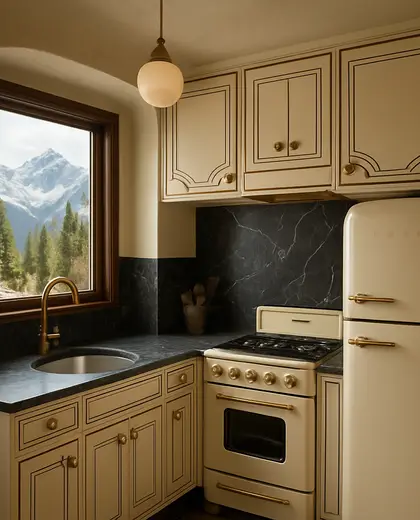
Is this style only for mountain locations?
No, but it works best where the setting can support its proportions and material language. In flatter places, the style is usually adapted through the roof shape, textures, and palette.
— The style
What defines it
Timber cladding, local stone, plaster, and standing-seam metal are common, often paired with exposed wood inside.
Natural browns, greys, charcoal, off-white, and muted greens reflect the surrounding terrain and changing weather.
A practical house layout with alpine features such as pitched roofs, sheltered entries, fireplaces, and large view windows.
— Professionals
Who has already built it
- maria mateaarchitects · London · 7 projectsView profile →
- kerem erbagci3d renderers · London · 9 projectsView profile →
- paquis norris group limitedbuilders · Reading · 3 projectsView profile →
- LoftRobejoiners · Guildford · 4 projectsView profile →
— Explore
Keep exploring
— Questions
Frequently asked questions
What makes a house feel alpine?
Steep rooflines, durable natural materials, sheltered outdoor areas, and a design that responds to snow, cold, and mountain views are the main cues.
Can an alpine house look modern?
Yes. The form can stay rooted in alpine tradition while using cleaner lines, larger glazing, and simpler detailing for a more contemporary feel.
Is this style only for mountain locations?
No, but it works best where the setting can support its proportions and material language. In flatter places, the style is usually adapted through the roof shape, textures, and palette.